Essential Anti Frizz Hair Tips Checklist for Smooth Hair

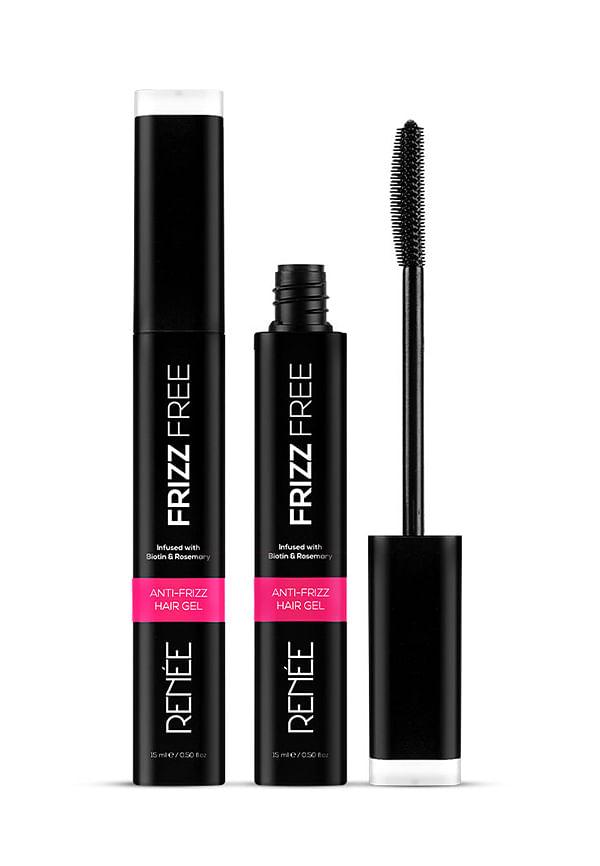 15 ml
15 mlFrizz Free Anti Frizz Hair Gel
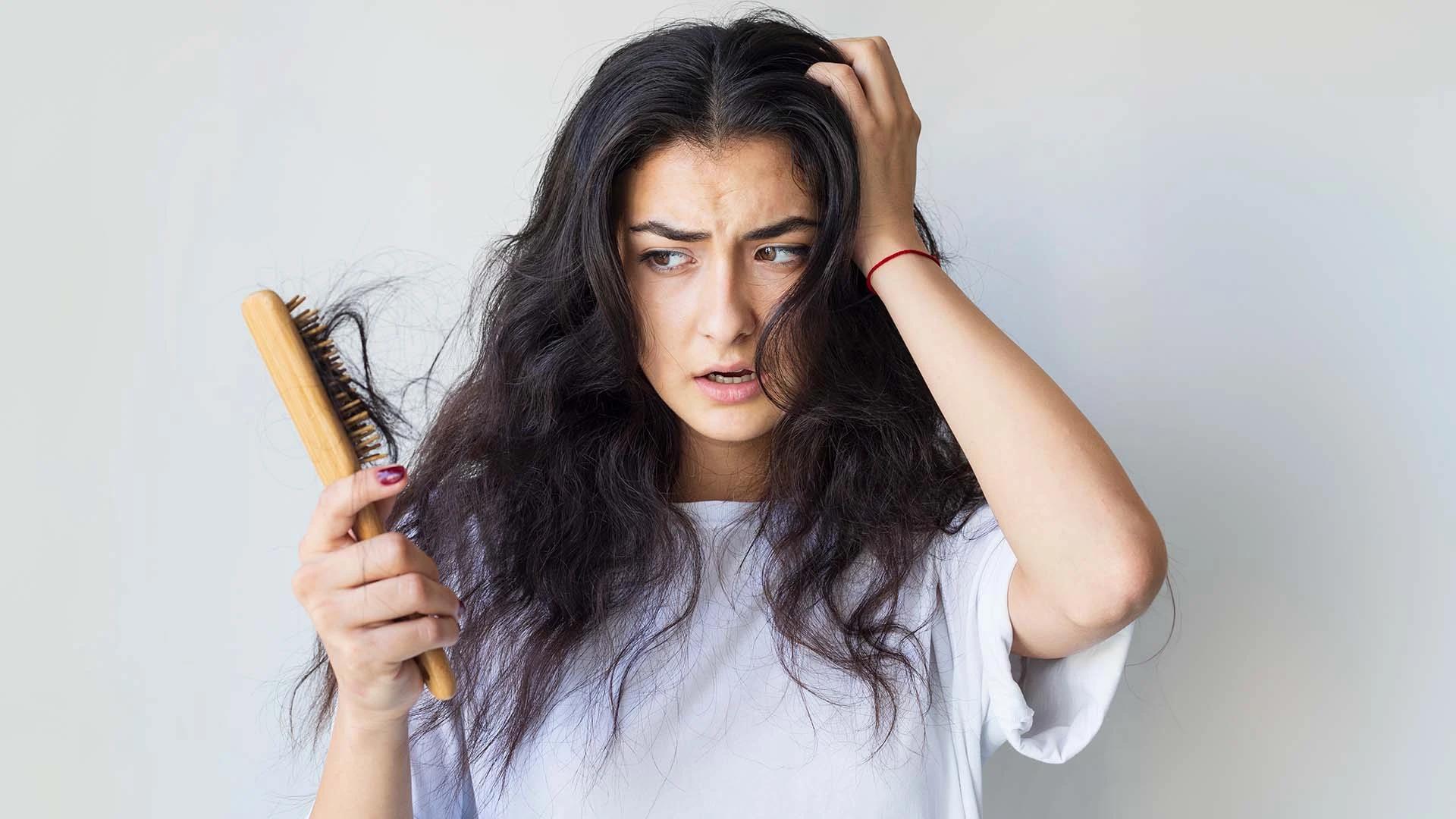
You know that feeling when you step out of the house with perfectly styled hair, only to catch your reflection an hour later and wonder if you stuck your finger in an electrical socket? Real talk — frizz is that uninvited guest that shows up whenever humidity rises above 50% or when you're running late for something important. But here's the thing: managing frizzy hair doesn't have to feel like an uphill battle. With the right anti frizz hair tips and a solid game plan, you can actually win this war against unruly strands.
Let's get real about what's actually happening up there. Frizz isn't just your hair being dramatic — it's a legitimate structural issue. When your hair cuticles (those tiny scales that cover each strand) get damaged or lifted, moisture from the air sneaks in and causes each strand to swell unevenly. Think of it like a sponge that's been roughed up — it's going to absorb water in all the wrong places.
The usual suspects behind frizzy hair are pretty predictable: humidity (hello, Indian monsoons), hard water that's loaded with minerals, over-processing from chemical treatments, and sometimes just genetics. Your hair texture and porosity play huge roles too. If you've got naturally curly or wavy hair, you're already working with a cuticle structure that's more prone to lifting. And if you're dealing with high-porosity hair, those cuticles are basically wide open, letting moisture in and out like a revolving door.
Indian hair faces some unique challenges when it comes to frizz control. The combination of high humidity levels for most of the year, hard water in many cities, and frequent oil treatments (which can sometimes lead to over-washing) creates the perfect storm for frizzy hair solutions to become absolutely essential. But don't worry — understanding the problem is half the battle won.
Building a routine that actually works means thinking about frizz prevention at every step, not just when you're already dealing with flyaways. Your hair needs consistent care, and the good news is that once you nail down the basics, it becomes second nature.
Your morning routine sets the tone for the entire day. Start with damp hair — never soaking wet, never bone dry. Apply a leave-in conditioner from mid-length to ends, focusing on the areas that tend to get the frizziest. Follow up with a lightweight hair serum for frizz, using just a few drops and distributing it evenly with your fingers or a wide-tooth comb.
For evening protection, this is where the magic happens while you sleep. Switch to a silk or satin pillowcase if you haven't already — cotton creates friction that roughens up your cuticles overnight. Apply a small amount of hair oil to the ends, and if your hair is long enough, try a loose braid or a silk scrunchie to keep everything contained without creating dents.
Once a week, your hair needs some serious TLC. Deep conditioning treatments and hair hydration methods are your best friends here. Look for masks that contain ingredients like keratin, argan oil, or shea butter — these help smooth the cuticle and add moisture without weighing your hair down. Apply the mask to clean, damp hair, focusing on the mid-lengths and ends, and leave it on for the recommended time. Don't rush this step — your hair is literally drinking up all that goodness.
Professional hair smoothing treatments like keratin or Brazilian blowouts can be game-changers if you're dealing with severe frizz, but they're not necessary for everyone. If you're considering one, do your research and find a stylist who really knows what they're doing. These treatments can last 3-6 months and significantly reduce your daily styling time.
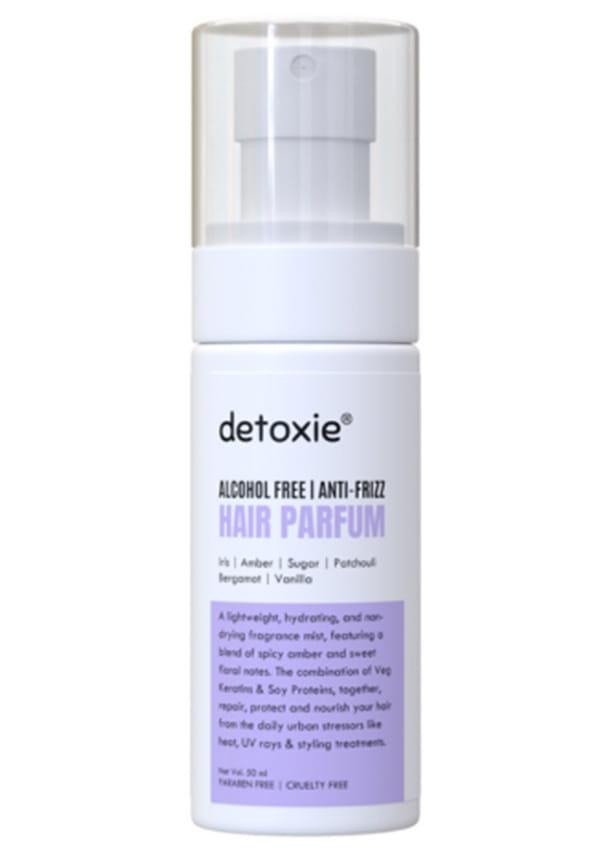 50 ml
50 mlAlcohol Free Anti-Frizz Hair Parfum
How you wash and dry your hair can make or break your frizz-fighting efforts. It's not just about what products you use — technique matters just as much.
Start with lukewarm water, not hot. Hot water strips your hair of natural oils and opens up the cuticles even more. Use a sulfate-free shampoo and focus on cleansing your scalp, not the lengths of your hair. The suds will clean the rest as you rinse. When conditioning, apply from mid-length to ends and let it sit for at least 2-3 minutes. This gives the conditioner time to actually penetrate the hair shaft.
Here's a pro tip: finish with a cool water rinse. It helps seal the cuticles and adds shine. You don't need to freeze yourself — just turn the temperature down for the last 30 seconds of your rinse.
This is where most people go wrong. Never, ever rub your hair with a regular towel. The friction is basically asking for frizz. Instead, use a microfiber towel or even a clean cotton t-shirt to gently squeeze out excess water. Pat and press, don't rub.
Air drying is ideal when you have the time, but if you need to use heat, always apply a heat protectant first. Use a diffuser attachment on your blow dryer and keep the heat on low to medium. For humidity hair control, ionic blow dryers can help seal the cuticle and reduce frizz, but they're not magic — you still need to use proper technique.
Having the right arsenal makes all the difference. You don't need a bathroom cabinet full of products, but the ones you choose should work hard for you.
Leave-in conditioners are non-negotiable for frizzy hair. Look for lightweight formulas that won't weigh your hair down but provide lasting moisture. Hair serums are your quick-fix heroes — a few drops can tame flyaway hair instantly. Argan oil, jojoba oil, and coconut oil are all excellent options, but start with tiny amounts. You can always add more, but it's harder to take away if you've overdone it.
Anti-frizz products with ingredients like silicones get a bad rap sometimes, but they can be incredibly effective for creating a protective barrier against humidity. The key is using them sparingly and making sure you're cleansing properly to avoid buildup.
Invest in a good wide-tooth comb for detangling wet hair. Regular brushes can cause breakage and frizz when used on damp strands. For dry hair, a boar bristle brush helps distribute natural oils and smooth the cuticle.
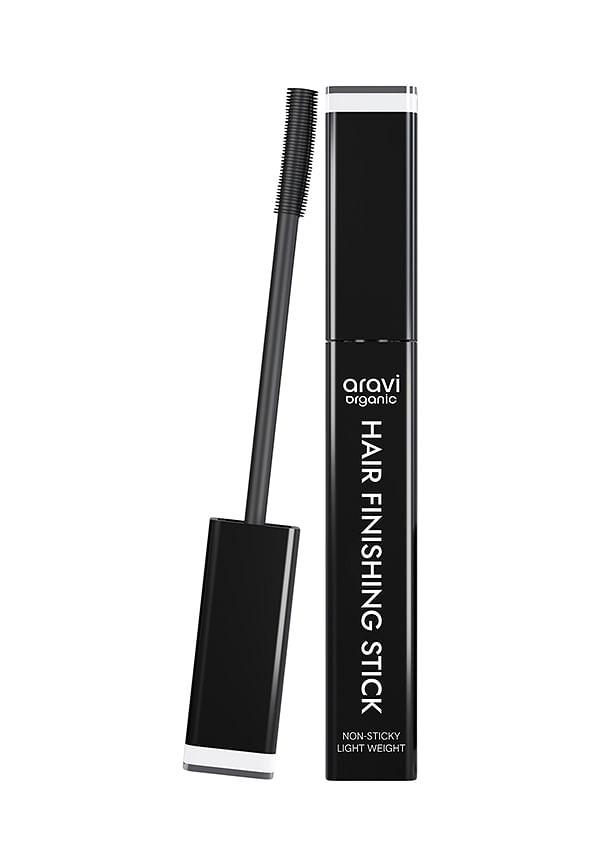 15 ml
15 mlHair Finishing Stick - Flyaway Natural Styling Frizz Control
Silk or satin accessories aren't just fancy — they genuinely reduce friction. Pillowcases, hair ties, and even headscarves made from these materials can help maintain your style overnight and prevent morning frizz.
Sometimes you need results right now, not after a 20-minute deep conditioning treatment. Keep a small bottle of diluted leave-in conditioner in your bag for emergency touch-ups. Mix a tiny amount with water in a spray bottle and mist over problem areas.
The spoolie brush trick is a lifesaver: take a clean mascara wand, apply a drop of hair serum to it, and gently brush over flyaways. This gives you precise control without applying too much product to your entire head.
On high-humidity days, strategic styling can save you. Embrace your hair's natural texture instead of fighting it. Braids, buns, and twist-outs can look intentional and polished while keeping frizz under control.
Sometimes the best frizzy hair solutions are sitting in your kitchen. Apple cider vinegar rinses help balance your hair's pH and smooth the cuticle. Mix one part ACV with three parts water and use it as a final rinse after shampooing. The smell disappears once your hair dries, promise.
Coconut oil is a classic for good reason — it actually penetrates the hair shaft rather than just sitting on top. Apply it to damp hair before styling, or use it as an overnight treatment once a week. Aloe vera gel mixed with a few drops of your favourite hair oil makes an excellent leave-in treatment that provides moisture without heaviness.
DIY hair masks using ingredients like honey, avocado, and yogurt can provide deep hydration. These work best when applied to clean, damp hair and left on for 20-30 minutes before rinsing thoroughly.
Real change happens over time with consistent care. Regular trims every 6-8 weeks prevent split ends from travelling up the hair shaft and causing more frizz. It might seem counterproductive when you're trying to grow your hair, but healthy ends mean less breakage and better overall appearance.
Consider your lifestyle factors too. What you eat, how much water you drink, and even your stress levels can affect your hair health. Protein-rich foods, omega-3 fatty acids, and staying hydrated all contribute to stronger, more manageable hair from the inside out.
If you're dealing with severely damaged hair, sometimes the kindest thing you can do is give it a break from chemical processing and heat styling. Embrace protective styles and focus on rebuilding your hair's health before trying to achieve specific looks.
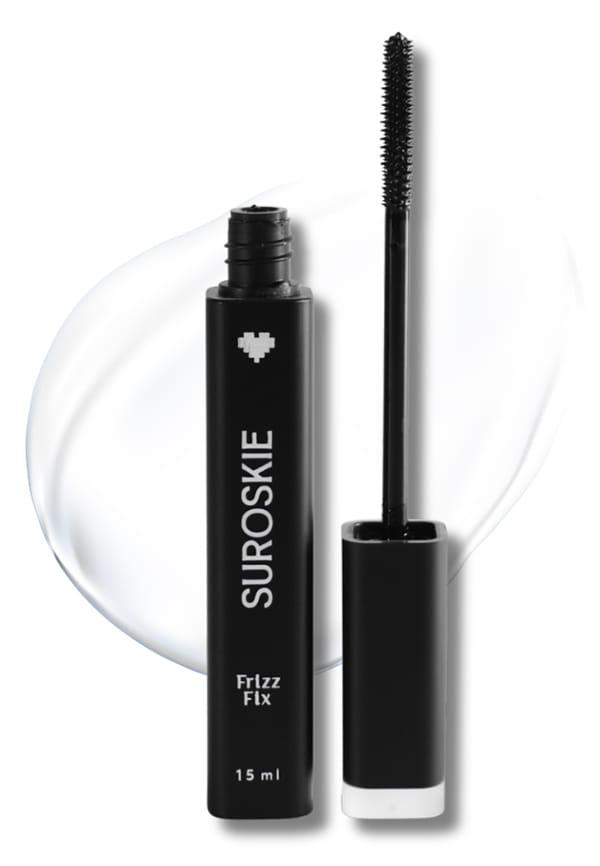 15 ML
15 MLAnti Frizz Hair Stick
The key is consistent moisture and gentle handling. Use sulfate-free shampoo, apply leave-in conditioner to damp hair, sleep on silk pillowcases, and minimise heat styling. Focus on keeping your hair cuticles smooth and well-hydrated.
Apply a small amount of hair serum or oil to damp hair, use a microfiber towel for drying, and smooth flyaways with a clean spoolie brush dipped in serum. For emergency fixes, a light mist of diluted leave-in conditioner can help tame sudden frizz.
Persistent frizz usually means your hair cuticles are damaged, you're dealing with hard water, high humidity, or using products with harsh sulfates. Try switching to sulfate-free products and adding a weekly deep conditioning treatment to your routine.
Use silk or satin pillowcases to reduce friction, apply a light leave-in treatment before bed, and consider protective styles like loose braids or a silk scrunchie. Avoid tight elastics that can cause breakage and dents.
Most people with frizzy hair benefit from washing every 2-3 days with sulfate-free shampoo. This maintains natural oils while keeping hair clean. If your hair is very dry, you might be able to stretch it to every 3-4 days.
Managing frizzy hair is definitely doable once you understand what you're working with and commit to a routine that actually makes sense for your lifestyle. The most important anti frizz hair tips boil down to gentle handling, consistent moisture, and protecting your hair from damage in the first place.
Remember, your hair's needs might change with the seasons, your age, or even stress levels, so stay flexible and adjust your routine accordingly. What works for your friend might not work for you, and that's completely normal. The goal isn't perfect hair every single day — it's healthy hair that you feel confident wearing in whatever style makes you happy.
If you're looking to experiment with different haircare for frizz products without committing to full-size bottles, Smytten offers trial-size versions of many anti-frizz treatments from trusted brands. It's a smart way to test what works for your specific hair type before investing in the full-size products.
