Drying Wet Hair Tips FAQ: Common Questions Answered


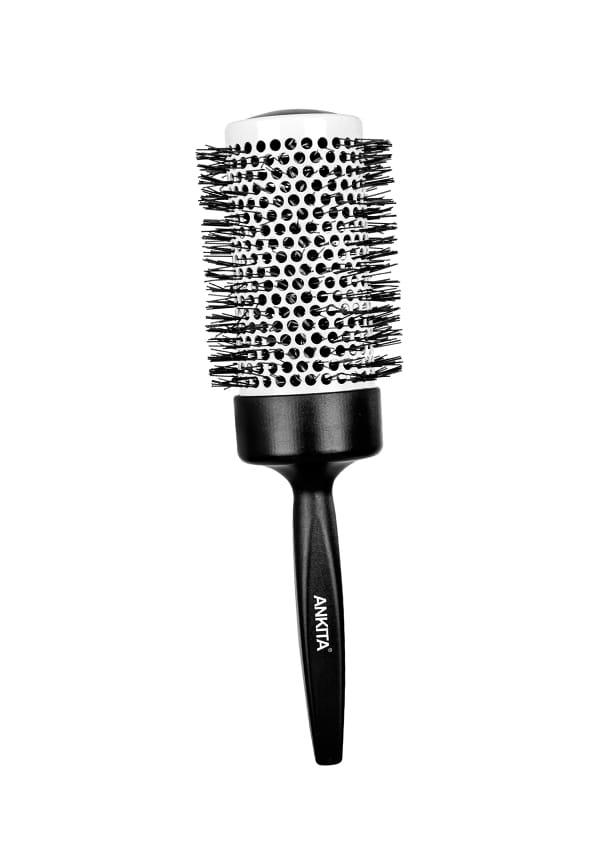
Hot Hair Curl Dryer Brush, For Hair Styling, Drying & Add Volume
You know that moment when you step out of the shower with soaking wet hair and suddenly realise you have absolutely no clue what to do next? Whether you're running late for work or trying to avoid that dreaded frizz situation, drying wet hair properly feels like a skill nobody actually teaches you. One wrong move and you're dealing with tangles, breakage, or hair that looks like you stuck your finger in an electrical socket. Let's be real—most of us have been winging it with whatever towel is nearby and hoping for the best. But here's the thing: how you dry your hair can make or break your entire hair game.
Your hair is basically a complex structure of proteins held together by hydrogen bonds, and when it's wet, these bonds become temporarily weakened. Think of wet hair like a delicate fabric—it's more vulnerable to stretching, breaking, and general damage. The hair cuticle, which is the outer protective layer, swells up when it absorbs water, making each strand more fragile than usual.
This is why aggressive towelling or immediate heat styling can cause serious damage. When you apply too much mechanical force or high temperatures to wet hair, you're essentially attacking it at its most vulnerable state. The hydrogen bonds that give your hair its shape and strength are compromised, making it easier for the hair shaft to snap or develop those annoying split ends we all dread.
Temperature plays a massive role in this process too. Excessive heat doesn't just dry your hair—it can actually alter the protein structure permanently. That's why understanding proper hair drying tips isn't just about convenience; it's about maintaining the long-term health and integrity of your hair. The key is working with your hair's natural structure rather than against it.
The foundation of good hair drying starts before you even think about heat or air flow. Your technique in those first few minutes after washing can determine whether you'll have a good hair day or spend the morning battling frizz and tangles.
Ditch that regular cotton towel—it's basically sandpaper for wet hair. Microfibre towels are gentler and more absorbent, which means less friction and faster moisture removal. Instead of rubbing, gently press and blot sections of your hair. This method removes excess water without roughing up the hair cuticle.
If you've got curls or waves, a cotton t-shirt can be your best friend. The smooth fabric reduces frizz while absorbing moisture. Wrap your hair gently in the shirt for about 10-15 minutes before moving on to your preferred drying method.
Never brush wet hair—seriously, just don't. Use a wide-tooth comb starting from the ends and working your way up. This prevents unnecessary breakage and helps distribute any leave-in products evenly through your strands.
Divide your hair into manageable sections before you start any drying process. This ensures even moisture removal and prevents some areas from staying damp while others overdry. Think of it as giving each section the attention it deserves.
Air drying might seem like the lazy option, but when done correctly, it's actually one of the healthiest ways to dry your hair. The trick is knowing how to optimise the process so you don't end up with limp, lifeless locks or uneven drying patterns.
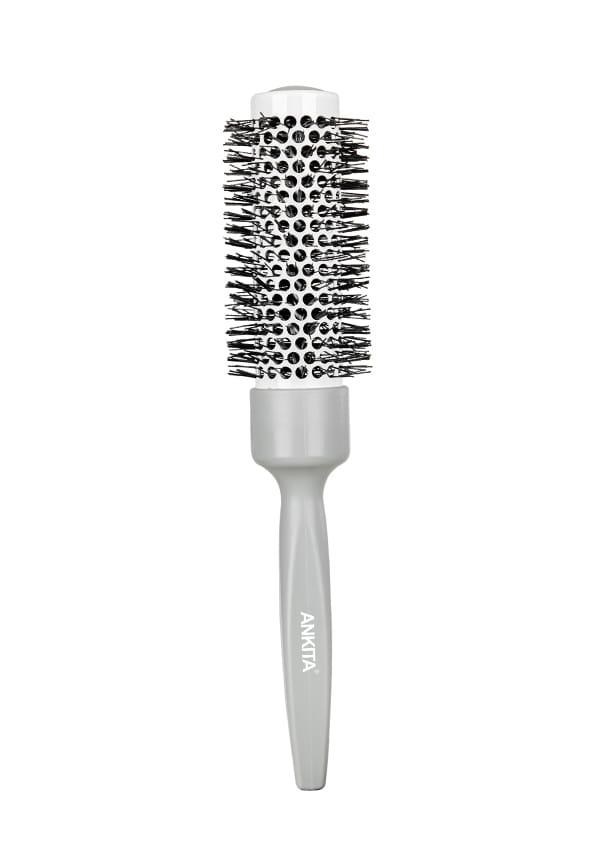
Hot Hair Curl Dryer Brush, For Hair Styling, Drying & Add Volume
The golden rule for air drying is the 50% damp rule. Your hair should be about half dry before you let air take over completely. This prevents that weird half-wet, half-dry situation that can leave you with unpredictable results.
Plopping involves wrapping your hair in a microfibre towel or cotton t-shirt in a specific way that encourages your natural curl pattern while removing excess moisture. It's particularly brilliant for anyone with waves or curls who wants to maintain their texture without the frizz.
Position yourself near a fan or in a well-ventilated area to speed up the air drying process. Good airflow prevents that musty smell that can develop when hair takes too long to dry and helps maintain volume at the roots.
Apply leave-in treatments or styling products to damp hair before air drying. This helps lock in moisture and provides protection as your hair dries naturally. The key is using products that work with your hair type rather than weighing it down.
When you need your hair dry quickly, blow drying is often the only realistic option. But there's a world of difference between proper blow drying techniques and just blasting your hair with hot air until it's dry. The right approach can actually leave your hair looking healthier and more polished than air drying alone.
Heat protectant isn't optional—it's essential. Apply it to damp hair before you even plug in your dryer. Think of it as sunscreen for your hair; it creates a barrier between your strands and the heat damage that can occur during the drying process.
Start with medium heat and high airflow, then switch to low heat as your hair gets drier. The cool shot button isn't just for show—use it at the end to seal the hair cuticle and lock in your style. This final step can make the difference between hair that looks professionally done and hair that looks, well, home-dried.
Round brushes are brilliant for creating volume and smoothness, but only if you know how to use them properly. Work in sections, keeping the brush moving to avoid concentrating heat in one spot for too long. The brush should guide the hair, not yank it.
Clip up the top layers and work from the bottom up. This ensures even drying and prevents you from repeatedly heating the same sections. Each section should be completely dry before you move on to the next one.
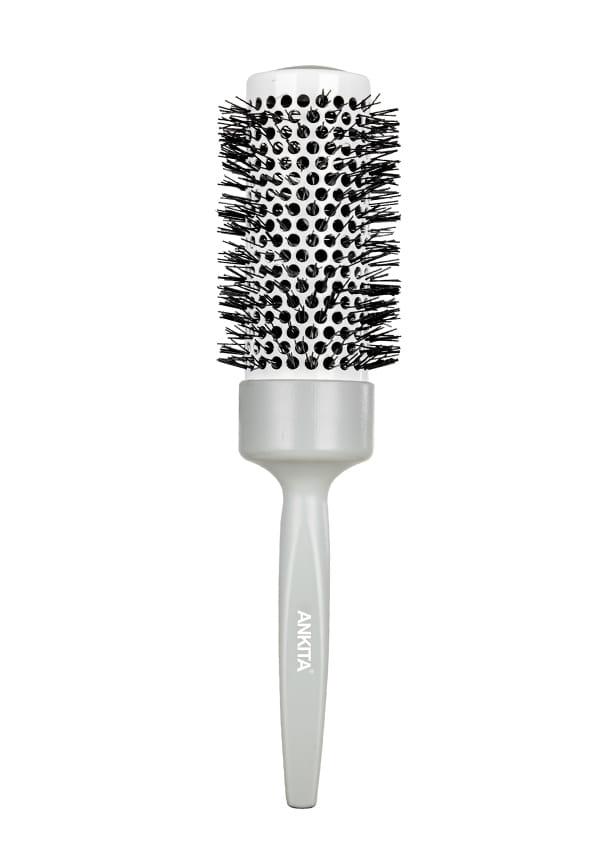
Hot Hair Curl Dryer Brush, For Hair Styling, Drying & Add Volume
Sometimes you wash your hair late and need it to be somewhat manageable by morning. While sleeping with completely wet hair isn't ideal, there are ways to make overnight drying work without waking up looking like you've been through a windstorm.
The main issue with sleeping on wet hair is that the constant friction against your pillow can cause breakage and create an uneven drying pattern. Plus, damp hair trapped against your scalp for hours can create an environment where bacteria thrive, potentially leading to scalp irritation.
Before you even think about hitting the pillow, your hair should be at least 70% dry. This means doing some preliminary drying—whether with a towel, quick blow dry, or air drying time—before bed. Completely soaking wet hair and pillows don't mix well.
Loose braids or a silk scrunchie can help contain your hair without creating tight creases. The goal is to minimise friction while allowing air circulation. Avoid tight elastics or clips that can leave dents in your hair.
Silk creates less friction than cotton, which means less breakage and frizz formation overnight. It's particularly helpful when your hair is still slightly damp, as it allows for smoother movement as you sleep.
Split ends are often the result of cumulative damage, and improper drying techniques are one of the main culprits. Once you understand how drying affects your hair ends, you can adjust your routine to prevent future damage while treating existing issues.
The ends of your hair are the oldest part of each strand, which means they've been through the most washing, styling, and environmental exposure. This makes them naturally more fragile and prone to splitting when subjected to harsh drying methods.
Apply extra leave-in treatment or hair oil to your ends before drying. These areas need more protection because they're furthest from your scalp's natural oils. Think of it as giving your ends a little extra armour before the drying process begins.
When blow drying, direct the airflow down the hair shaft rather than against it. This helps smooth the cuticle and reduces the likelihood of creating weak spots that can develop into splits. Always finish with cool air to seal everything in place.
Even with perfect drying techniques, regular trims every 6-8 weeks help prevent split ends from travelling up the hair shaft. It's much easier to maintain healthy ends than to repair severely damaged ones.
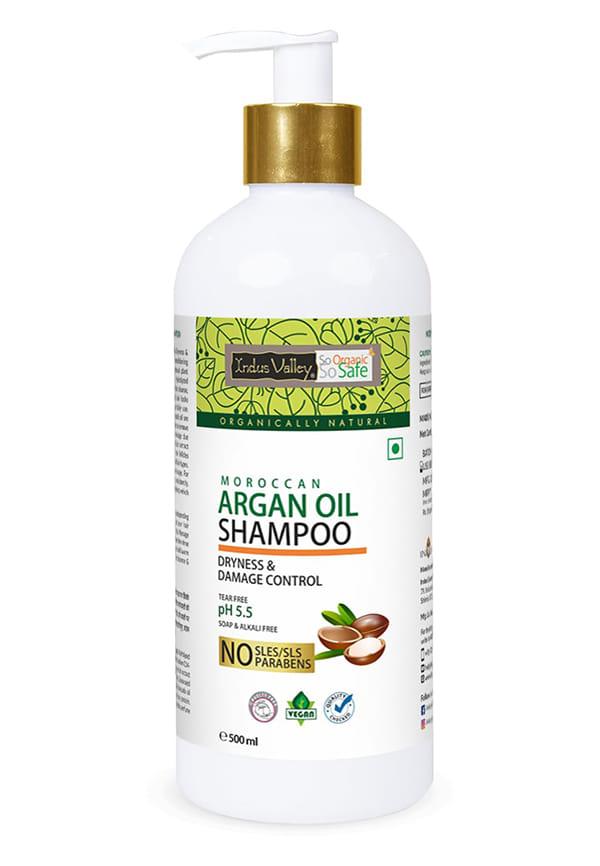
Argan Oil Shampoo for Dryness & Damage Control
The gentlest approach combines proper preparation with the right technique. Start by gently blotting excess water with a microfibre towel, apply a heat protectant, then either air dry or use low-medium heat with a blow dryer. The key is removing moisture gradually rather than aggressively. Always finish with cool air if blow drying to seal the hair cuticle.
Your hair should be about 60-70% dry before applying direct heat. This usually means 10-15 minutes of towel drying or air drying first. Starting with soaking wet hair forces you to use more heat for longer periods, which increases the risk of damage. Pre-drying also makes the blow drying process faster and more effective.
While you can use a regular towel, it's not ideal for hair health. Cotton towels create more friction and can rough up the hair cuticle, leading to frizz and breakage. Microfibre towels or even a clean cotton t-shirt are much gentler alternatives that absorb moisture without causing damage.
A heat protectant is essential if you're using any heat styling tools. Leave-in conditioners help maintain moisture, while lightweight oils can protect the ends. For textured hair, curl creams or gels applied to damp hair can help define your natural pattern as it dries. The key is using products suited to your hair type and not overloading your strands.
Frizz prevention starts with gentle handling when hair is wet. Use a microfibre towel, avoid brushing wet hair, and apply anti-frizz products to damp strands. When blow drying, use a round brush and direct airflow down the hair shaft. Always finish with cool air to seal the cuticle and lock out humidity.
For damaged hair, air drying is generally gentler since it doesn't involve heat. However, if your hair takes too long to air dry completely, it can actually cause more damage due to prolonged swelling of the hair shaft. A combination approach works best: air dry until about 70% dry, then use low heat to finish the process quickly.
Yes, sleeping with completely wet hair can create a damp environment against your scalp that may promote bacterial or fungal growth, potentially leading to irritation or dandruff. It can also cause breakage due to friction against your pillow. If you must sleep with damp hair, ensure it's at least 70% dry and use a silk pillowcase to reduce friction.
Mastering proper drying wet hair tips isn't just about getting your hair dry—it's about maintaining its health and achieving the results you actually want. Whether you're team air dry or need the speed of blow drying, the principles remain the same: be gentle, use the right tools, and protect your hair from unnecessary damage.
Remember that your hair care routine is personal, and what works for your friend might not work for you. Pay attention to how your hair responds to different techniques and adjust accordingly. The goal is finding a sustainable routine that fits your lifestyle while keeping your hair healthy and looking its best.
If you're looking to experiment with new hair care products or techniques, Smytten offers trial-size versions of many professional hair care products from trusted brands. It's a practical way to test what works for your hair type before investing in full-size products—because finding your perfect hair routine shouldn't involve guesswork or buyer's remorse.
