Dry Scalp Relief Tips FAQ: Your Questions Answered


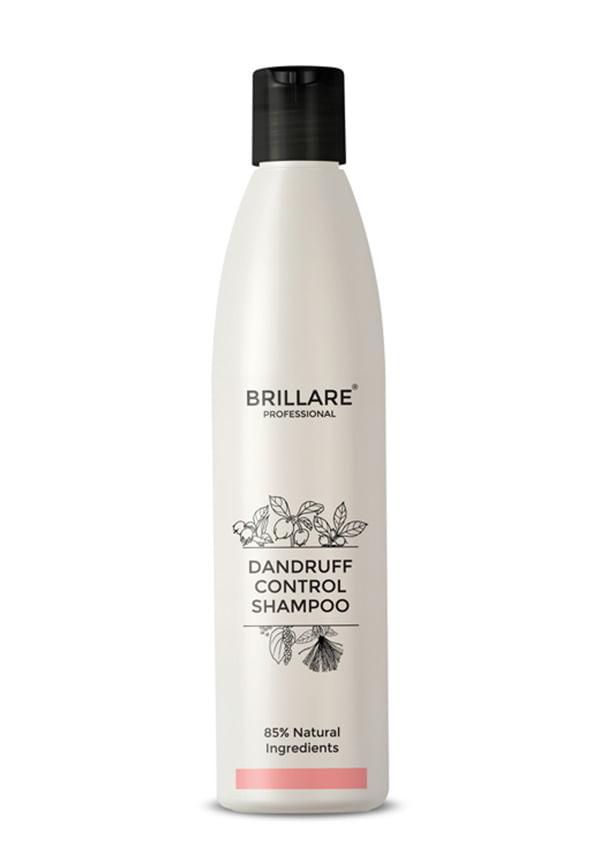
Dandruff Control Shampoo For Itchy, Flaky Scalp
You know that feeling when your scalp feels like it's been through a desert storm? That tight, itchy sensation that makes you want to scratch but you know it'll only make things worse? If you've been dealing with a dry, flaky scalp that just won't quit, you're definitely not alone. The good news is that dry scalp relief doesn't have to be complicated or expensive. Sometimes it's just about understanding what your scalp actually needs and giving it the right kind of TLC. Let's dive into the most common questions about dry scalp and get you sorted with some real solutions that actually work.
Before we jump into solutions, let's get clear on what we're actually dealing with. Dry scalp happens when your scalp doesn't produce enough natural oils to keep itself moisturised, or when something strips away the oils it does make. Think of it like your face getting dry and tight after using a harsh cleanser, but happening on your scalp instead.
The telltale signs are pretty obvious once you know what to look for. Your scalp feels tight and uncomfortable, especially after washing. You might notice small, dry flakes that look more like dandruff but feel different. There's often itching involved, and your scalp might even feel a bit tender to touch. Unlike dandruff, which tends to be oily and yellow-ish, dry scalp flakes are typically smaller, whiter, and definitely drier.
Weather is probably the biggest troublemaker here. Cold air, indoor heating, and low humidity can absolutely wreck your scalp's moisture levels. But it's not just about the seasons. Over-washing your hair, using products with harsh sulfates, or even washing with water that's too hot can strip away your scalp's natural protective oils.
Sometimes it's about what's happening inside your body too. Stress, hormonal changes, certain medications, and even not drinking enough water can all contribute to a dry scalp. Age plays a role as well since our oil production naturally decreases as we get older.
Here's where things get a bit tricky because dry scalp and dandruff often get mixed up, but they're actually quite different beasts. Dandruff is usually caused by a yeast-like fungus and tends to produce larger, oilier flakes that can look yellowish. The flakes stick to your hair and scalp more, and there's often more irritation involved.
Dry scalp flakes, on the other hand, are smaller and drier. They fall off more easily and don't have that oily feel. The itching with dry scalp is more about tightness and irritation from lack of moisture, whilst dandruff itching is often more intense and persistent.
Getting the diagnosis right is crucial because the treatments are completely different. Dandruff treatment often involves antifungal ingredients like zinc pyrithione or ketoconazole, whilst dry scalp needs gentle, moisturising care. Using dandruff shampoo on a dry scalp can actually make things worse by drying it out even more.
When your scalp is driving you mad with itchiness, you need something that works fast. The first thing to try is switching to lukewarm water when you wash your hair. Hot water feels amazing but it's one of the quickest ways to strip your scalp of its natural oils.
Gentle scalp massage can provide immediate relief too. Use your fingertips (not your nails) to massage your scalp in small circles. This increases blood flow and can help distribute whatever natural oils you do have. If you've got some aloe vera gel handy, apply a small amount directly to your scalp for instant cooling relief.
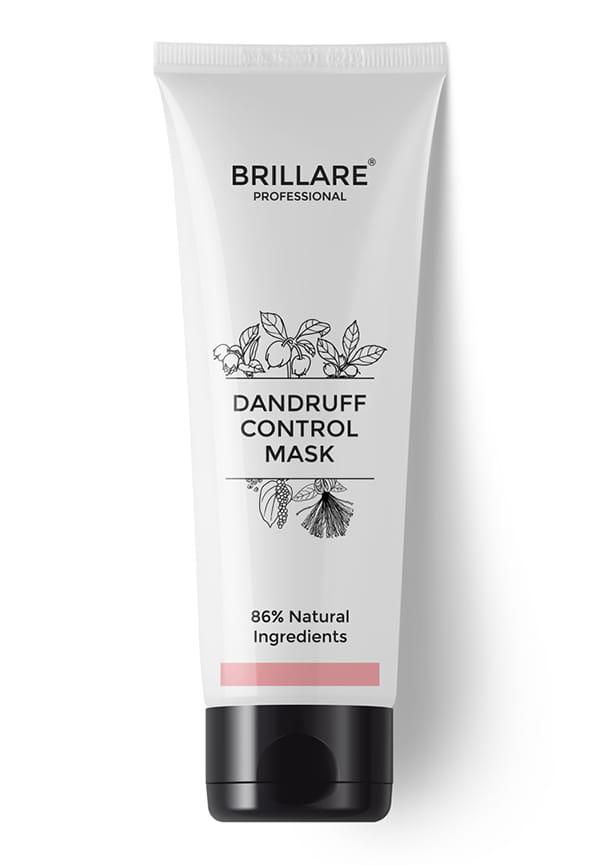
Conditioner For Itchy, Flaky Scalp
For those really bad days, try a cool compress. Wrap some ice in a thin towel and gently press it against the itchiest spots for a few minutes. It's not a long-term solution, but it can give you enough relief to get through the day without constantly scratching.
Not all scalp moisturizers are created equal, and finding the right one can be a bit of a journey. Look for products with hyaluronic acid, which can hold up to 1000 times its weight in water. Ceramides are another brilliant ingredient because they help repair your scalp's natural moisture barrier.
Natural oils can be incredibly effective too, but you need to choose wisely. Jojoba oil is fantastic because it's technically a wax ester that closely mimics your scalp's natural sebum. Coconut oil has antimicrobial properties and penetrates well, whilst argan oil is packed with antioxidants that can help heal irritated skin.
Think of scalp hydration like skincare layering. Start with the thinnest consistency and work your way up. A hydrating scalp serum goes on first, followed by a lightweight oil if needed, and then your regular hair products. The key is not to overwhelm your scalp with too much product at once.
Sometimes the best solutions are sitting right in your kitchen. Honey is naturally antibacterial and incredibly moisturising. Mix a tablespoon with a bit of warm water and massage it into your scalp, leaving it for 10-15 minutes before washing out. Oatmeal is another gentle option that can soothe irritation whilst providing mild exfoliation.
Apple cider vinegar gets a lot of hype, and there's actually some science behind it. It can help restore your scalp's natural pH balance, but you absolutely must dilute it. Mix one part ACV with four parts water, and never use it more than once a week.
When using oils for dry scalp treatment, less is definitely more. Warm a small amount between your palms and gently massage it into your scalp, not your hair. Leave it on for at least 30 minutes, or overnight if your scalp is really parched. Always shampoo afterwards to avoid buildup.
Consistency is everything when it comes to scalp health. Start by reducing how often you wash your hair. If you're washing daily, try every other day. If you're already at every other day, maybe try twice a week. Your scalp needs time to regulate its oil production.
When you do wash, choose sulfate-free shampoos that won't strip your scalp. Look for ingredients like glycerin, panthenol, or natural oils in the ingredient list. Follow up with a moisturising conditioner, but focus it on your hair lengths rather than your scalp.
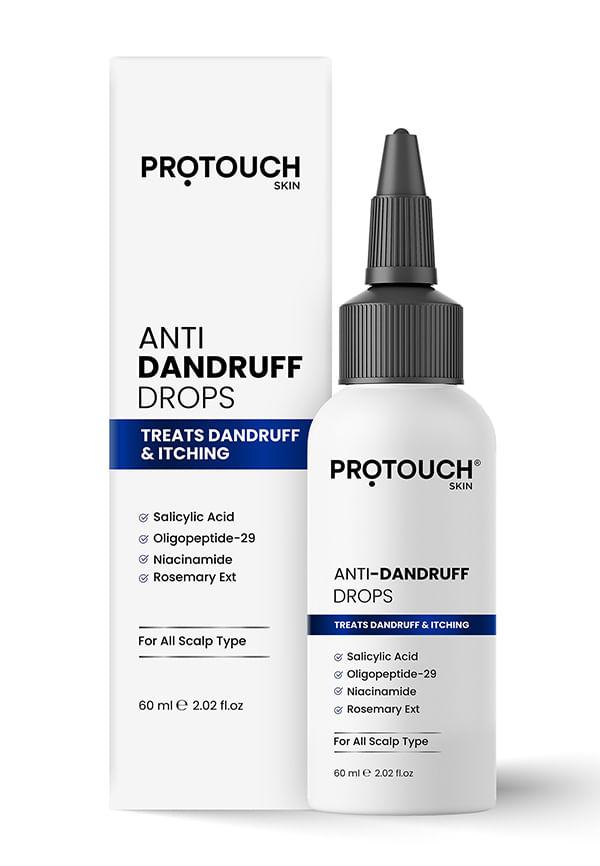
SKIN Anti Dandruff Drops Serum Soothes Itchy, Inflamed Scalp
Once a week, treat your scalp to something special. This could be a deep conditioning mask, an oil treatment, or even a gentle exfoliation with a scalp scrub. The key is to be consistent and gentle. Your scalp doesn't need aggressive treatment; it needs patience and care.
The quickest relief comes from switching to lukewarm water, using a gentle sulfate-free shampoo, and applying a lightweight oil like jojoba or coconut oil to your scalp before washing. You should start seeing improvement within a week, but give it at least two weeks for significant changes. Avoid over-washing and harsh products during this time.
Aloe vera gel applied directly to the scalp provides immediate cooling relief. A diluted apple cider vinegar rinse (1 part ACV to 4 parts water) can help restore pH balance. Gentle scalp massage with your fingertips increases circulation and distributes natural oils. For severe itching, try a cool compress for a few minutes.
Dry scalp produces small, white, dry flakes that fall easily, whilst dandruff creates larger, oily, yellowish flakes that stick to hair and scalp. Dry scalp feels tight and irritated from lack of moisture, whilst dandruff itching is more intense and persistent. If you're unsure, start with gentle moisturising treatments since harsh dandruff shampoos can worsen dry scalp.
Look for products containing hyaluronic acid, ceramides, or glycerin. Natural oils like jojoba, argan, and coconut oil are excellent choices. Avoid heavy, greasy formulas that might clog hair follicles. Apply moisturising treatments to clean, slightly damp scalp for better absorption, and always follow with gentle shampooing if using oils.
Common causes include cold weather, indoor heating, over-washing, harsh hair products, stress, and age-related changes in oil production. Prevent dry scalp by using lukewarm water, choosing sulfate-free products, washing less frequently, protecting your scalp from harsh weather, staying hydrated, and managing stress levels.
Yes, several natural methods work well. Coconut oil, jojoba oil, and argan oil provide deep moisturisation. Honey and oatmeal masks soothe irritation. Aloe vera gel offers cooling relief. Apple cider vinegar rinses help restore pH balance. Always patch test natural ingredients first and use them consistently for best results.
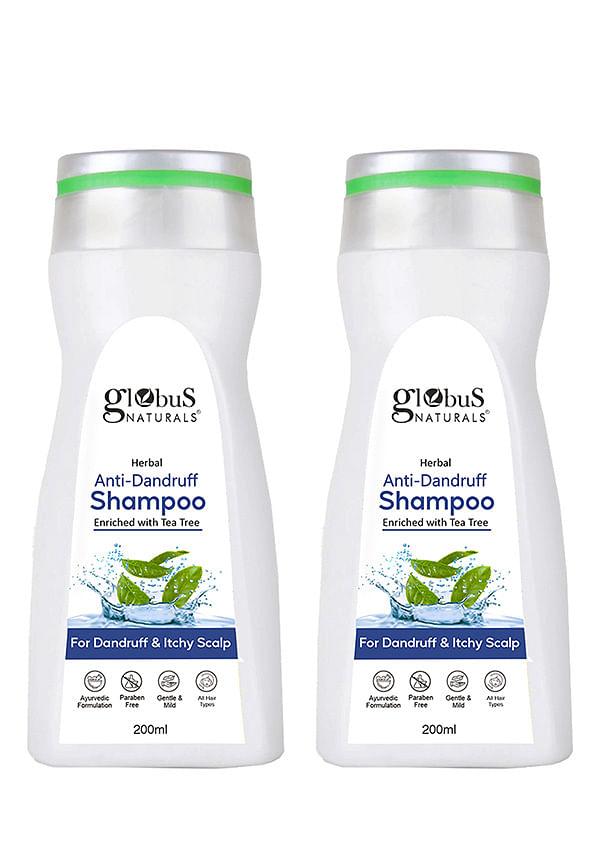
Anti Dandruff Shampoo, For Dandruff and Itchy Scalp
Wash hair 2-3 times per week with sulfate-free shampoo and lukewarm water. Use a moisturising conditioner on hair lengths, avoiding the scalp. Apply a lightweight oil treatment weekly. Gently towel dry and avoid heat styling when possible. Sleep on silk or satin pillowcases to reduce friction and moisture loss.
Weekly oil treatments with jojoba or coconut oil provide deep nourishment. Aloe vera gel masks offer immediate cooling relief. Gentle scalp massages improve circulation. Cool water rinses help reduce inflammation. Oatmeal-based treatments provide gentle exfoliation and soothing properties. Consistency is key for lasting relief.
Start by identifying whether you have dry scalp or dandruff, as treatments differ significantly. For dry scalp flakes, focus on gentle moisturising with natural oils and sulfate-free products. Avoid harsh scrubbing or medicated shampoos unless recommended by a dermatologist. If flaking persists after 4-6 weeks of gentle care, consult a professional.
Drink plenty of water for internal hydration. Use a humidifier in dry environments. Apply lightweight oils to damp scalp for better absorption. Choose products with humectants like glycerin or hyaluronic acid. Protect your scalp from sun and wind. Avoid over-washing and hot water. Layer hydrating products from thinnest to thickest consistency.
Most people notice some improvement within 3-7 days of starting a gentle care routine. Significant changes typically occur within 2-4 weeks of consistent treatment. Complete healing of severely dry scalp can take 6-8 weeks. Be patient and consistent with your routine, as rushing the process with harsh treatments often makes things worse.
Consult a professional if your symptoms persist after 6-8 weeks of gentle care, if you experience severe itching that disrupts sleep, if there's bleeding from scratching, or if you notice red, inflamed patches. Also seek help if you suspect an underlying condition like eczema or psoriasis, or if over-the-counter treatments aren't providing relief.
Dealing with dry scalp doesn't have to be a constant battle. The key is understanding that your scalp needs gentle, consistent care rather than harsh treatments. Start with the basics: lukewarm water, sulfate-free products, and less frequent washing. Add in some natural oils or a good scalp moisturiser, and you're already on the right track.
Remember that what works for your friend might not work for you, and that's completely normal. Your scalp is unique, and finding the right routine might take a bit of experimentation. The important thing is to be patient and gentle with yourself and your scalp throughout the process.
If you're looking to explore different scalp care products without committing to full sizes, Smytten offers a brilliant way to try various treatments and find what works best for your specific needs. Not sure which scalp serum or gentle shampoo might be your perfect match? Smytten also offers trial-size versions of many scalp care products from trusted brands — a smart way to test different formulas before investing in full bottles.
