Dry Scalp Causes FAQ: Understanding Itchy Scalp & Dandruff

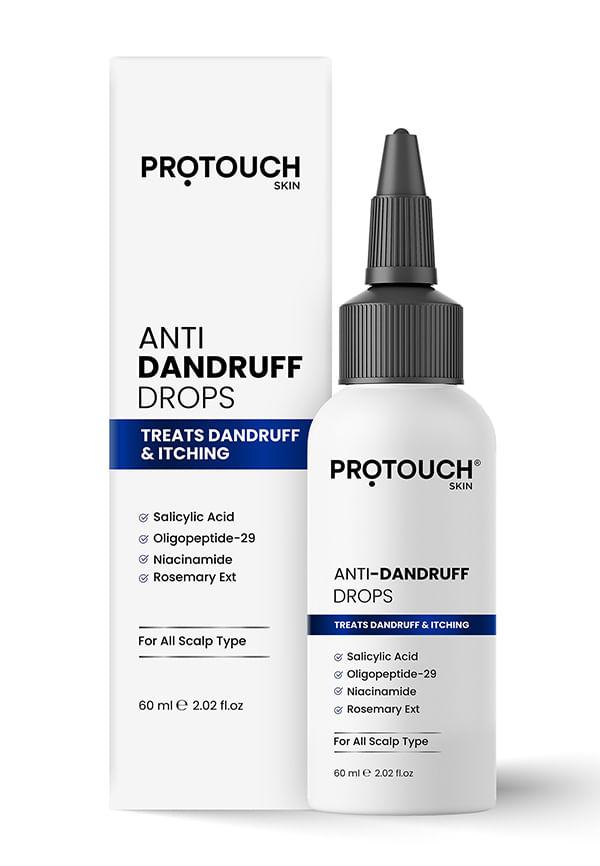
SKIN Anti Dandruff Drops Serum Soothes Itchy, Inflamed Scalp
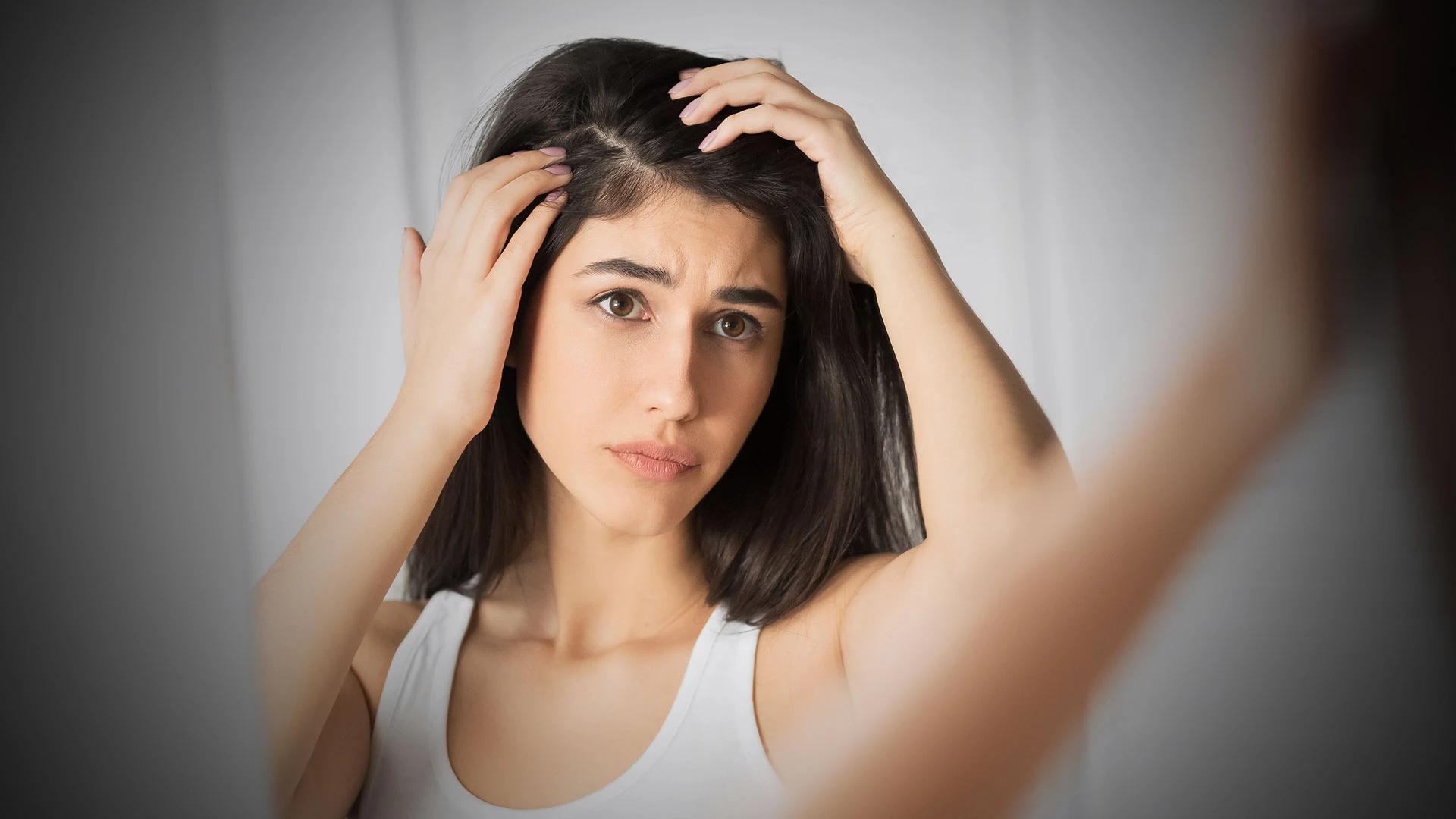
You know that feeling when your scalp starts acting up—itchy, flaky, and just generally annoying? You're not alone. Dry scalp is one of those things that can sneak up on you, especially when the weather changes or you switch up your routine. The thing is, figuring out what's actually causing your scalp to feel like sandpaper isn't always straightforward. Sometimes it's your shampoo, sometimes it's the weather, and sometimes it's something you'd never even think of. Let's break down everything you need to know about dry scalp causes so you can finally get to the bottom of what's going on up there.
Real talk—dry scalp happens when your scalp loses moisture faster than it can replace it. Think of your scalp like the skin on your face. It has a natural barrier that keeps moisture in and irritants out. When this barrier gets compromised, you end up with that tight, itchy feeling that makes you want to scratch constantly.
Your scalp produces natural oils called sebum through tiny glands. When these glands don't produce enough oil, or when external factors strip away what little moisture you have, that's when scalp dryness kicks in. Unlike your regular skin, your scalp is covered with hair, which can actually trap dead skin cells and make the problem more noticeable.
The science bit is pretty straightforward. Your scalp's barrier function depends on a healthy balance of ceramides, fatty acids, and natural moisturising factors. When any of these get out of whack, you're looking at potential scalp irritation and all the fun that comes with it—flaking, itching, and sometimes even redness.
Let's get into the nitty-gritty of what's actually making your scalp feel like it's been through a desert. These are the main culprits behind most dry scalp situations, and honestly, you're probably dealing with more than one of them.
Winter is basically your scalp's worst enemy. When the air gets cold and dry, it sucks moisture right out of your skin—scalp included. Low humidity levels, whether from winter weather or air conditioning, can leave your scalp feeling parched. Sun exposure is another sneaky cause that people often miss. Just like your face can get sunburned, your scalp can too, especially if you have thin hair or part your hair in the same spot every day.
This one's a big deal. Harsh shampoos with sulfates can strip your scalp of its natural oils faster than you can say "squeaky clean." Those drying alcohols in styling products? They're not doing you any favours either. And here's something that might surprise you—washing your hair too often can actually make scalp dryness worse. Your scalp needs time to produce those natural oils, and if you're washing them away every day, you're fighting a losing battle.
Hot showers feel amazing, but they're terrible for your scalp barrier. High water temperatures can strip away protective oils and leave your scalp vulnerable. Same goes for blow dryers and heat styling tools. The key is finding that sweet spot where you're clean but not completely dried out.
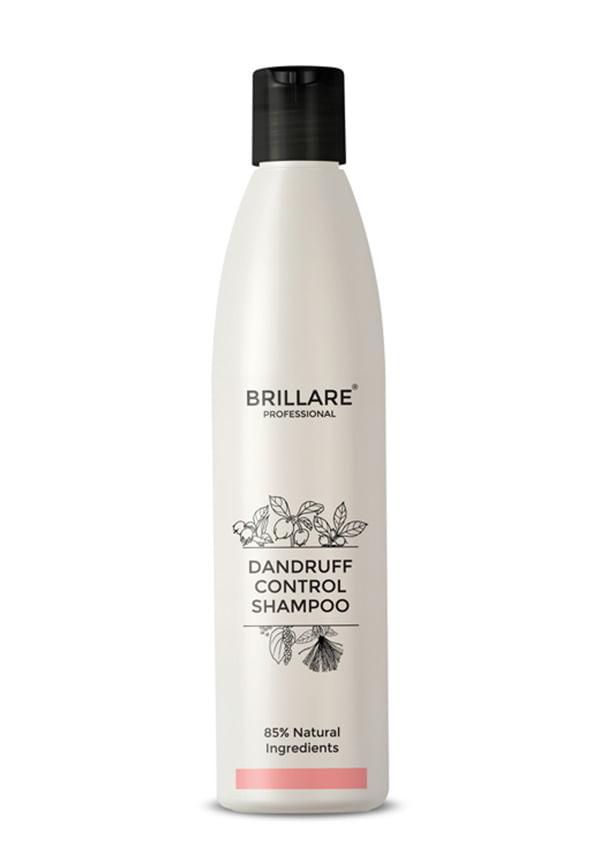
Dandruff Control Shampoo For Itchy, Flaky Scalp
As you get older, your skin naturally produces less oil. This includes your scalp. Hormonal changes, especially during menopause, can make this even more pronounced. It's just one of those things that happens, but knowing about it helps you adjust your routine accordingly.
Sometimes dry scalp isn't just about your routine or the weather. There are actual medical conditions that can cause persistent scalp issues, and it's worth knowing the difference so you can get the right treatment.
This is where things get a bit tricky. Seborrheic dermatitis looks similar to dry scalp but it's actually caused by an overgrowth of yeast on your scalp. The flakes tend to be more yellowish and oily rather than dry and white. If you've got redness, inflammation, and flakes that seem to come back no matter what you do, this might be what you're dealing with. It's more common than you'd think and definitely treatable.
Sometimes your scalp is just reacting to something in your hair products. Common allergens include fragrances, preservatives, and certain dyes. If you notice your scalp getting irritated after using a new product, that's probably your answer right there. Patch testing new products can save you a lot of grief.
Both of these conditions can show up on your scalp and cause serious flaky scalp situations. Eczema tends to make your scalp feel really itchy and inflamed, while psoriasis creates thick, silvery scales. These are autoimmune conditions, so they need proper medical treatment rather than just switching shampoos.
Here's something that confuses loads of people—dry scalp and dandruff aren't the same thing, even though they both involve flakes. With dry scalp, the flakes are usually small, white, and dry. They fall off pretty easily and your scalp feels tight and itchy.
Dandruff, on the other hand, is caused by too much oil, not too little. The flakes are bigger, more yellowish, and tend to stick to your hair and scalp. Dandruff causes include an overgrowth of a yeast called Malassezia, which feeds on the oils in your scalp. So while dry scalp needs more moisture, dandruff actually needs less oil and more antifungal treatment.
The treatment approaches are completely different too. If you've got dry scalp and you use a dandruff shampoo, you might actually make things worse because those shampoos can be quite drying. Getting the diagnosis right is pretty crucial for finding something that actually works.
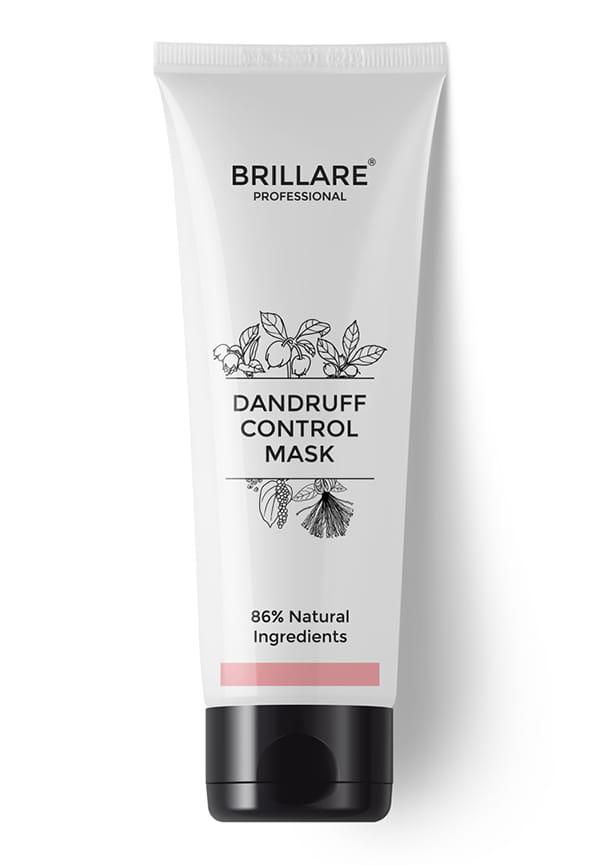
Conditioner For Itchy, Flaky Scalp
Your scalp health is connected to what's happening inside your body too. It's not just about what you put on your hair—it's also about what you're putting in your body.
B vitamins, especially biotin and niacin, play a huge role in keeping your scalp healthy. Zinc deficiency can definitely contribute to scalp issues, and omega-3 fatty acids help maintain that all-important skin barrier. If you're not getting enough of these nutrients, your scalp might be the first place you notice it.
Drinking enough water isn't just good for your overall health—it directly affects your skin, including your scalp. Dehydration shows up as dry, flaky skin pretty quickly. Foods rich in healthy fats, like avocados and nuts, can help support your scalp's natural oil production from the inside out.
Now for the good stuff—what actually works when you're dealing with a persistently dry scalp. The approach you take depends on what's causing the problem in the first place, but there are some general strategies that help most people.
If your dry scalp treatment at home isn't cutting it, it might be time to see a dermatologist. They can prescribe medicated shampoos with ingredients like ketoconazole or selenium sulfide if you're dealing with seborrheic dermatitis. For severe cases, they might recommend topical steroids to calm inflammation.
The key is knowing when to seek help. If you've tried gentle products for a few weeks and you're still dealing with persistent itching, redness, or flaking, that's your cue to get professional advice.
For milder cases, there are loads of things you can try at home. Natural oils like coconut, jojoba, or argan oil can help restore moisture to your scalp. Just massage a small amount into your scalp, leave it for 20-30 minutes, then wash it out with a gentle shampoo.
DIY scalp masks using ingredients like honey, oatmeal, or aloe vera can be soothing too. The trick is being consistent and gentle—no harsh scrubbing or overwashing. Your scalp needs time to heal and restore its natural balance.
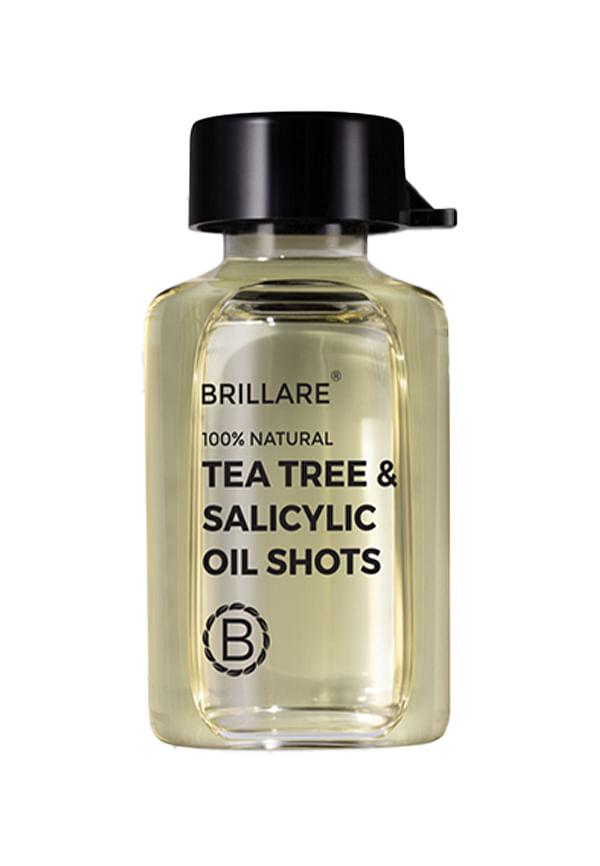
Tea Tree & Salicylic Oil Shots For Dry, Itchy Scalp to Fights Dandruff
Prevention is always better than treatment, and with dry scalp, a few simple changes to your routine can make a massive difference. Start with how often you're washing your hair. Most people can get away with washing every 2-3 days rather than daily, which gives your scalp time to produce natural oils.
When choosing products, look for gentle, sulfate-free shampoos and avoid anything with drying alcohols high up in the ingredient list. A good moisturising conditioner isn't just for your hair—it can help your scalp too. Apply it from mid-length to ends, but don't be afraid to let a little touch your scalp if it's particularly dry.
Environmental protection matters too. In winter, consider using a humidifier in your bedroom. In summer, wear a hat or use products with SPF to protect your scalp from sun damage. These small changes add up over time.
Start with gentle, moisturising products and avoid overwashing. Use a sulfate-free shampoo 2-3 times per week, follow with a hydrating conditioner, and consider adding a scalp oil treatment once a week. Most people see improvement within 2-4 weeks of consistent gentle care. If you don't see results after a month, it's worth seeing a dermatologist to rule out underlying conditions.
Hydration works from both inside and out. Drink plenty of water throughout the day and use products designed to add moisture to your scalp. Look for ingredients like hyaluronic acid, glycerin, and natural oils. Avoid hot water when washing your hair, and consider using a leave-in scalp treatment if your dryness is severe.
Several nutritional deficiencies can contribute to scalp dryness, including B vitamins (especially biotin and niacin), zinc, and omega-3 fatty acids. Iron deficiency can also affect scalp health. If you suspect a nutritional cause, consider getting blood work done to check your levels, and focus on eating a balanced diet rich in these nutrients.
The key is consistency and patience. Switch to gentle, moisturising hair products, reduce washing frequency, protect your scalp from environmental damage, and maintain good overall hydration. Address any underlying health issues or nutritional deficiencies. Most importantly, give your scalp time to heal—it can take several weeks to see significant improvement.
Dealing with dry scalp can be frustrating, but understanding the causes puts you in control. Whether it's switching to gentler products, adjusting your washing routine, or addressing nutritional factors, small changes can make a big difference. Remember that what works for someone else might not work for you—scalp health is pretty individual.
The most important thing is being patient and consistent with whatever approach you choose. Your scalp didn't get dry overnight, and it won't heal overnight either. If you're trying different products to find what works for your specific scalp needs, Smytten offers trial-size versions of many haircare products—a good way to test things out before committing to full bottles.
