Dealing with Hair Humidity: Your FAQ Guide


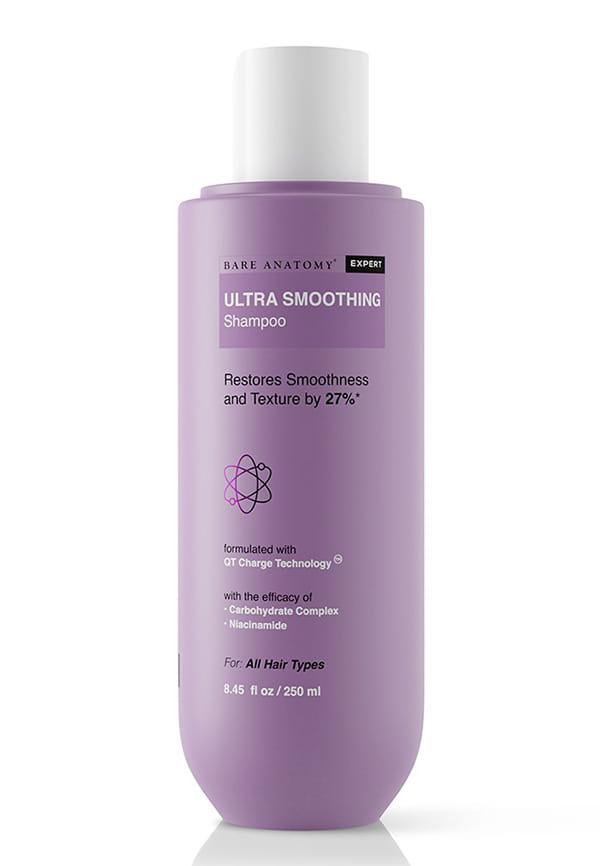
Expert Ultra Smoothing Shampoo To Restore Smoothness, Repair Damaged Hair And Locks In Moisture
You know that moment when you step outside and your perfectly styled hair immediately transforms into something that belongs in a nature documentary about wild animals? Yeah, humidity is basically your hair's arch-nemesis. One minute you're feeling like you could star in a shampoo advert, and the next you're googling "emergency hair ties near me." If you've ever wondered why your hair seems to have a personal vendetta against moisture in the air, you're definitely not alone. Let's dive into everything you need to know about dealing with hair humidity – because your hair deserves better than looking like it's been through a wind tunnel every time the weather gets a bit steamy.
Real talk – humidity hair problems aren't just in your head. There's actual science behind why your locks decide to stage a rebellion the moment moisture levels rise. When humidity climbs above 70%, your hair cuticles basically throw open their doors and invite all that extra moisture to come on in. Think of your hair strands like tiny sponges that can't help but absorb whatever's floating around in the air.
The whole drama starts at the molecular level. Your hair contains hydrogen bonds that keep everything neat and tidy when it's dry. But when humidity strikes, these bonds break down and reform in random patterns, creating that lovely frizzy texture we all know and definitely don't love. Hair with higher porosity is particularly vulnerable because those cuticles are already more open, making it easier for moisture to sneak in and wreak havoc.
Here's what's actually happening when humidity attacks your hair: moisture penetrates through lifted cuticles and causes the hair shaft to swell unevenly. This swelling disrupts your hair's natural structure, leading to frizz, loss of curl definition, and that general "I stuck my finger in an electrical socket" vibe. Hair that's been chemically treated or heat-damaged is even more susceptible because the cuticle layer is already compromised.
Frizzy hair humidity symptoms are pretty unmistakable. Your hair might suddenly feel coarser, look bigger than usual, or completely lose its shape within minutes of stepping outside. You might notice your carefully styled waves turning into a triangle of chaos, or your straight hair developing mysterious kinks and bends that definitely weren't there when you left the house.
Building a solid defence against humidity starts with having the right products in your corner. Anti frizz humidity products work by creating a protective barrier around your hair shaft, essentially telling moisture "thanks, but no thanks." The key is finding formulas that seal your cuticles without weighing your hair down or making it feel crunchy.
Silicone-based serums are your first line of defence because they create a smooth, water-repelling layer around each strand. Look for ingredients like dimethicone or cyclopentasiloxane – they might sound scary, but they're brilliant at keeping humidity at bay. Keratin-infused treatments work differently by temporarily filling in gaps in damaged cuticles, making your hair less porous and therefore less likely to absorb moisture from the air.
Humidity-blocking sprays are worth obsessing over if you want all-day protection. These lightweight formulas create an invisible shield that repels moisture while still letting your hair move naturally. Apply them to damp hair before styling for maximum effectiveness, and don't forget to give your hair a light mist before heading out into humid conditions.
Leave-in treatments are absolute game-changers for daily humidity protection. They work continuously throughout the day, providing ongoing moisture balance and frizz control. Deep conditioning masks should be part of your weekly routine – they help repair damage and strengthen your hair's natural barrier against environmental stressors. Natural alternatives like argan oil or coconut oil can also provide excellent humidity protection without synthetic ingredients.
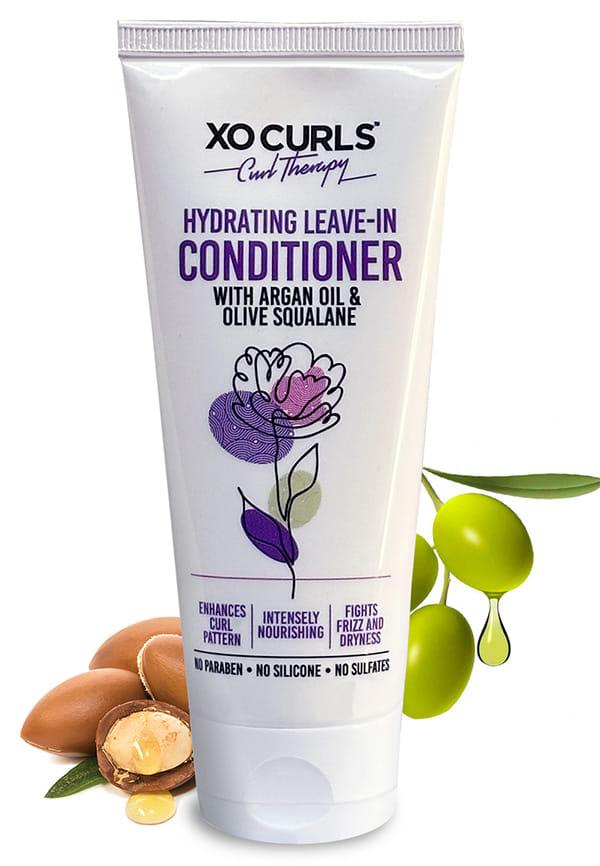
Hydrating Leave In Conditioner With Argan Oil And Olive Squalane To Tame Dryness & Frizz
Your humidity-fighting strategy needs to start in the shower. How you wash and prep your hair makes a massive difference in how it handles moisture later. Co-washing (using conditioner instead of shampoo) can help maintain your hair's natural oils, which act as a protective barrier against humidity. When you do use shampoo, focus on your scalp rather than the lengths of your hair to avoid stripping away protective oils.
Drying technique is crucial for humidity proof hair. Traditional terry cloth towels are basically frizz factories because they rough up your cuticles and create the perfect conditions for humidity to penetrate. Switch to a microfiber towel or even a cotton t-shirt to gently squeeze out excess water without causing damage. The goal is to remove moisture without creating friction that lifts your cuticles.
Heat protectant isn't just about preventing damage – it also helps seal your cuticles and create a barrier against humidity. Apply it to damp hair before any heat styling, making sure to distribute it evenly from mid-length to ends. Moisture-sealing techniques like the "praying hands" method can help smooth your cuticles and lock in protective products.
Low-heat styling is your friend when dealing with summer hair humidity. High temperatures can actually make your hair more porous and therefore more susceptible to moisture absorption. Protective hairstyles like braids, buns, or twists can help minimise your hair's exposure to humid air while still looking put-together. Air-drying with the right products can actually give you better humidity resistance than heat styling.
Getting your hair pin-straight only to watch it puff up the moment you step outside is genuinely heartbreaking. The trick to maintaining straightened hair in humidity is all about the cooling and sealing process. After straightening each section, run a cool shot of air over it to help set the style and close the cuticles. This creates a smoother surface that's less likely to absorb moisture from the air.
Product layering is essential for post-straightening protection. Start with a heat protectant, add a smoothing serum while your hair is still slightly damp, then finish with a humidity-blocking spray once your hair is completely dry and styled. This multi-layer approach creates multiple barriers against moisture penetration.
Immediate sealing after straightening is crucial. Use a lightweight oil or serum to smooth down any lifted cuticles and create a protective barrier. Touch-up strategies throughout the day might include carrying a small amount of anti-humidity serum for quick fixes, or using a wide-tooth comb to gently redistribute products without disrupting your style.
Temperature control is everything when straightening for humid conditions. Use the lowest effective temperature for your hair type, and work in small sections to ensure each piece is completely smooth. The section-by-section methodology helps ensure every strand gets proper heat distribution and sealing, reducing the chances of humidity finding weak spots in your style.
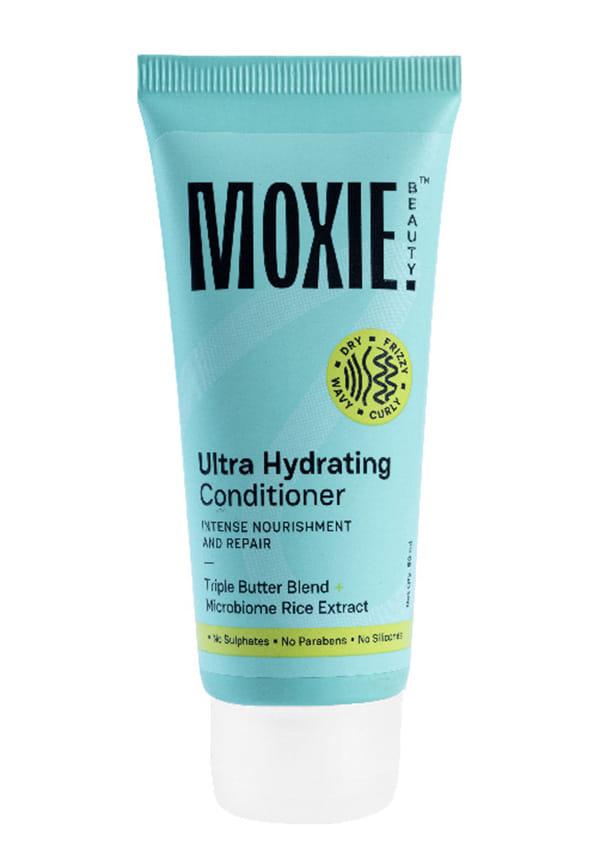
Ultra Hydrating Conditioner for Dry and Frizzy Hair
Not everyone wants to load their hair with synthetic products, and that's totally fair. Natural hair humidity solutions can be surprisingly effective when used correctly. Coconut oil is brilliant for creating a protective barrier, but the key is using just enough to coat your hair without making it greasy. Apply a tiny amount to damp hair, focusing on the mid-lengths and ends where humidity damage is most visible.
Apple cider vinegar rinses help seal your cuticles naturally by balancing your hair's pH. Mix one part vinegar with three parts water and use it as a final rinse after conditioning. The acidic nature helps flatten your cuticles, creating a smoother surface that's less likely to absorb moisture from humid air. Aloe vera gel works as a natural humidity barrier while also providing moisture balance.
Essential oil blends can provide excellent frizz control when mixed with carrier oils. Argan oil combined with a few drops of lavender or rosemary oil creates a protective treatment that smells amazing and works brilliantly against humidity. The key is finding the right ratio for your hair type – fine hair needs less oil, while thicker hair can handle more generous amounts.
Indoor humidity management can make a huge difference in how your hair behaves. Using a dehumidifier in your bedroom or styling area helps create a controlled environment where your hair is less likely to absorb excess moisture. Protective accessories like silk scarves or satin-lined hats can shield your hair when you're moving between different humidity levels.
Sometimes you need to bring in the big guns, and professional treatments can provide longer-lasting humidity protection than anything you can do at home. Keratin treatments work by temporarily filling in the gaps in damaged cuticles, creating a smoother surface that's naturally more resistant to humidity. The effects typically last 3-4 months, making them a worthwhile investment if you're constantly battling frizzy hair humidity issues.
Brazilian blowouts offer similar benefits but work slightly differently by coating the hair shaft with a protective layer. The cost-benefit analysis really depends on how much time and money you're currently spending on daily humidity-fighting products and styling. If you're using multiple products daily and spending ages trying to control frizz, a professional treatment might actually save you money in the long run.
Professional smoothing services vary in their approach and longevity. Some focus on temporarily restructuring the hair bonds, while others create protective coatings. The key is finding a treatment that matches your hair type and lifestyle. Fine hair might benefit from lighter treatments, while thick, coarse hair can handle more intensive smoothing processes.
Daily maintenance protocols should be simple enough to stick with but effective enough to make a real difference. This might mean applying a leave-in treatment every morning, using a humidity-blocking spray before leaving the house, and doing a weekly deep conditioning mask. Product rotation strategies can help prevent buildup while ensuring your hair gets varied nutrients and protection.
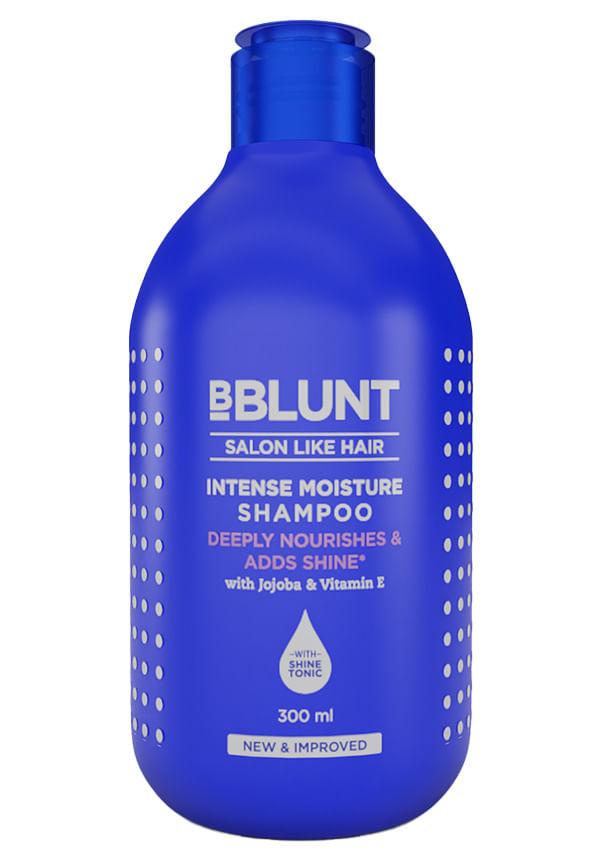
Intense Moisture Shampoo with Jojoba and Vitamin E for Dry & Frizzy Hair
The most effective approach combines the right products with proper technique. Start with a good leave-in treatment or serum containing silicones or keratin, apply it to damp hair, then seal everything with a humidity-blocking spray. Heat styling at lower temperatures with proper heat protection can also help seal your cuticles. The key is creating multiple barriers against moisture penetration rather than relying on just one product.
Most hair types will start showing frizz symptoms when humidity levels reach 70% or higher, but it really depends on your hair's porosity and current condition. Damaged or chemically treated hair might start frizzing at lower humidity levels, while healthy, well-moisturised hair can often handle higher humidity without major issues. Hair that's properly protected with anti-humidity products can often withstand much higher moisture levels.
Natural protection focuses on sealing your cuticles and creating barriers using plant-based ingredients. Coconut oil, argan oil, and shea butter can all provide excellent humidity protection when used sparingly. Apple cider vinegar rinses help seal cuticles naturally, while aloe vera gel provides lightweight moisture balance. Protective styling like braids or buns also minimises your hair's exposure to humid air.
Post-straightening protection requires immediate sealing and ongoing maintenance. Use a cool shot of air after straightening each section to help set the style and close cuticles. Apply a lightweight serum or oil while your hair is still warm from styling, then finish with a humidity-blocking spray once everything has cooled completely. Avoid touching your hair unnecessarily, and consider sleeping on a silk pillowcase to maintain smoothness overnight.
Silicone-based serums and creams are typically most effective in high humidity because they create a water-repelling barrier around each strand. Look for products containing dimethicone, cyclopentasiloxane, or amodimethicone. Keratin-infused treatments also work brilliantly by temporarily smoothing and strengthening the hair shaft. Humidity-blocking sprays provide an extra layer of protection and can be reapplied throughout the day as needed.
While you can't completely eliminate humidity's effects, you can definitely minimise damage through proper preparation and protection. Regular deep conditioning treatments help maintain your hair's natural barrier function, while protective styling reduces exposure to environmental stressors. Using the right products consistently and avoiding over-processing your hair will also help maintain its natural resistance to humidity.
Dealing with hair humidity doesn't have to be a daily battle if you've got the right strategy in place. The key is understanding that humidity affects everyone's hair differently, so finding your perfect combination of products and techniques might take some experimentation. Focus on creating multiple barriers against moisture penetration rather than relying on just one miracle product.
Remember that healthy hair is naturally more resistant to humidity damage, so don't neglect your regular conditioning routine and try to minimise heat and chemical damage where possible. Whether you choose professional treatments or prefer natural solutions, consistency is what makes the biggest difference in achieving humidity proof hair that looks good regardless of what the weather throws at you.
Not sure which humidity-fighting products might work for your specific hair type? Smytten offers trial-size versions of many anti-frizz and humidity-protection products from trusted brands – a smart way to test different formulas before committing to full-size bottles. After all, finding your perfect humidity defense routine shouldn't require guesswork when you can actually try everything first.
