Dangers of Wet Hair FAQ: Common Risks Answered


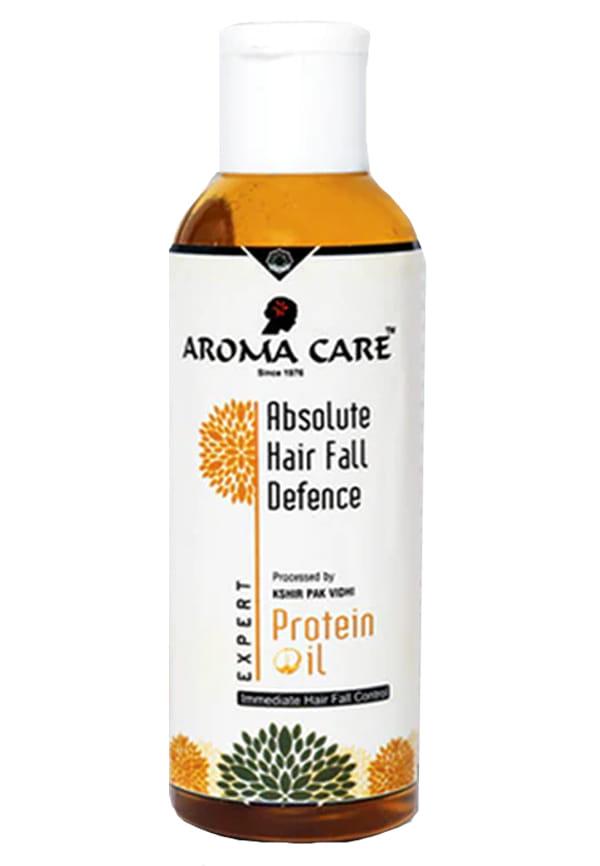
Absolute Hair Fall Defence Protein Oil
Picture this: you've just had the most relaxing shower, your hair smells amazing, and you're ready to collapse into bed. But wait—your hair is still dripping wet. Should you blow-dry it, or is it fine to sleep on it? If you've ever wondered about the real risks of keeping your hair wet, you're not alone. From breakage to scalp issues, wet hair can actually pose some surprising challenges for your hair health. Let's dive into the science behind why your strands are more vulnerable when wet and what you can do to protect them.
Here's something that might surprise you: when your hair gets wet, it doesn't just absorb water—it actually changes its entire structure. The protein bonds that keep your hair strong become temporarily weakened, making each strand up to 30% more elastic than when dry. Think of it like a rubber band that's been stretched—it's more likely to snap under pressure.
When water penetrates your hair shaft, it disrupts the hydrogen bonds between protein molecules. These bonds are what give your hair its strength and shape. As your hair swells with moisture, the protective cuticle layer lifts slightly, exposing the more delicate inner cortex. This is why wet hair feels softer and more pliable, but it's also why it's so much more prone to damage.
Dermatologists often explain this vulnerability by comparing wet hair to wet paper—both become fragile and tear easily when force is applied. The increased elasticity means that actions like brushing, towel-drying, or even sleeping can cause micro-tears in the hair shaft that accumulate over time into visible breakage and split ends.
The molecular changes in wet hair happen at a microscopic level. Water molecules infiltrate the hair's cortex, causing the protein chains to separate and reorganise. This process makes the hair shaft temporarily weaker and more susceptible to mechanical damage from even gentle handling.
Real talk—we've all been there. You wash your hair late at night and think, "It'll be fine by morning." But sleeping with wet hair creates the perfect storm for several hair and scalp issues that go beyond just waking up with a weird shape.
The biggest concern is creating a warm, moist environment against your scalp for 6-8 hours. This is basically a five-star hotel for bacteria and fungi. Your pillowcase traps moisture and heat, creating conditions where microorganisms can multiply rapidly. This can lead to scalp irritation, folliculitis (infected hair follicles), and even worsen existing conditions like seborrheic dermatitis.
Then there's the mechanical damage. As you toss and turn during sleep, your wet hair rubs against your pillowcase, creating friction that can cause breakage. Wet hair is already in its most vulnerable state, and this constant friction can lead to significant hair loss over time. Cotton pillowcases are particularly problematic because they create more friction than silk or satin alternatives.
Temperature regulation is another issue people don't often consider. Wet hair can actually make you feel colder during sleep, as the evaporating water draws heat away from your head. This can disrupt your sleep quality and leave you feeling less rested.
If you absolutely must sleep with damp hair, aim for at least 80% dry before hitting the pillow. Focus on drying your roots thoroughly, as this is where most bacterial growth occurs. A quick blast with a blow dryer on cool setting can help remove excess moisture without causing heat damage.
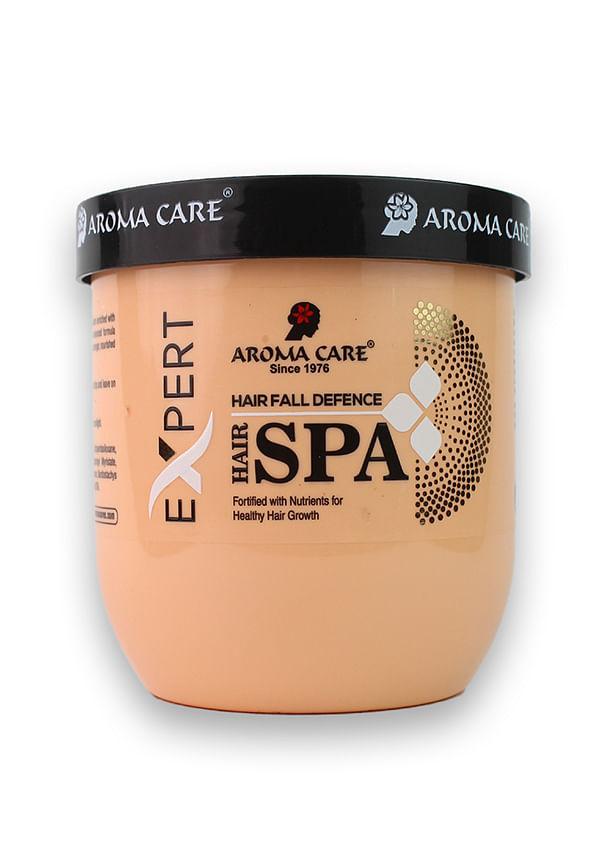
Hair Fall Defence Hair Spa
Let's address the elephant in the room—does wet hair actually make you sick? Your mum probably warned you about catching a cold from going outside with wet hair, but science tells a different story. Colds and respiratory infections are caused by viruses, not by being cold or having wet hair.
However, there is a grain of truth to this old wives' tale. Being cold can temporarily weaken your immune system, making you more susceptible to viruses you're already exposed to. So whilst wet hair won't directly give you a cold, it might make you more vulnerable to catching one if you're already around sick people.
The myth persists across many cultures because people often associate getting sick with recent activities like washing their hair. It's a classic case of correlation versus causation—just because you got sick after having wet hair doesn't mean the wet hair caused the illness.
Many cultures have variations of the wet hair myth, from avoiding cold drinks after washing hair to specific rules about when it's safe to go outside. These beliefs often stem from observations about comfort rather than actual health risks, but they've been passed down through generations as medical advice.
Your scalp's health is directly affected by how you handle wet hair. The warm, moist environment created by wet hair against your scalp can exacerbate several common scalp conditions. If you already deal with seborrheic dermatitis, keeping your scalp damp for extended periods can trigger flare-ups and worsen symptoms.
Malassezia, a type of yeast that naturally lives on your scalp, thrives in humid conditions. When your scalp stays damp for too long, this yeast can overgrow, leading to dandruff, itching, and inflammation. This is particularly problematic for people with naturally oily scalps, as the combination of oil and moisture creates ideal conditions for yeast proliferation.
Bacterial growth is another concern. Certain bacteria that can cause folliculitis and other scalp infections multiply rapidly in warm, moist environments. Signs to watch for include persistent itching, small red bumps around hair follicles, and unusual odours from your scalp.
The effects of prolonged moisture exposure can also disrupt your scalp's natural pH balance, potentially leading to increased sensitivity and irritation. This is why proper drying techniques are crucial for maintaining overall scalp health.
The increased fragility of wet hair makes it particularly vulnerable to mechanical stress. Even gentle actions like brushing or combing can cause significant damage when hair is saturated with water. The weakened protein structure means that hair strands can stretch beyond their breaking point with minimal force.
Heat styling on wet hair is particularly damaging because it can literally boil the water inside your hair shaft, creating steam bubbles that damage the hair from the inside out. This is why most heat styling tools come with warnings about using them on wet hair. The rapid temperature change can cause the hair cuticle to crack and the cortex to become permanently damaged.
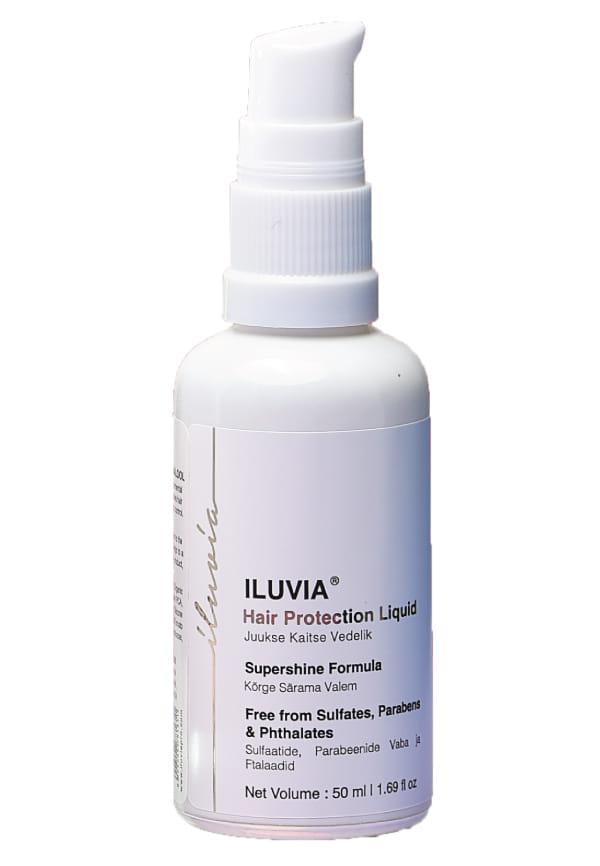
Hair Protections Liquid | Frizz control with super shiny hair + Heat Protection
Towel-drying with rough terry cloth towels is another common mistake. The friction created by vigorous rubbing can cause the lifted cuticles of wet hair to catch and tear. This leads to frizz, breakage, and long-term damage that accumulates over time.
Even sleeping on wet hair creates mechanical stress through friction against pillowcases. The constant rubbing motion during sleep can cause hair to tangle and break, particularly at the nape of the neck where pressure is greatest.
Common tools that cause wet hair damage include fine-tooth combs, boar bristle brushes, and any heat styling tools used on soaking wet hair. Instead, use wide-tooth combs or detangling brushes specifically designed for wet hair, and always apply heat protectant products before any styling.
The good news is that with the right techniques, you can safely dry your hair without causing damage. Air drying is generally the gentlest method, but it requires patience and proper technique. Start by gently squeezing excess water from your hair with your hands, then wrap it in a microfibre towel or cotton t-shirt to absorb moisture without creating friction.
When blow-drying, use the lowest heat setting that's effective and keep the dryer moving constantly to avoid concentrating heat in one area. Always use a heat protectant product and consider using a diffuser attachment to distribute airflow more evenly. The key is to dry your hair gradually rather than blasting it with high heat.
For those with thick or long hair, sectioning can help ensure even drying. Start with the underneath layers and work your way up, focusing on the roots first since they take longest to dry and are most prone to bacterial growth when damp.
Professional stylists often recommend the "rough dry" technique—using your blow dryer to remove about 80% of moisture without worrying about perfect styling, then finishing with lower heat for the final styling touches. This minimises heat exposure whilst ensuring your hair is thoroughly dry.
When you're short on time, focus on drying your roots thoroughly even if the lengths remain slightly damp. Use a blow dryer with a concentrator nozzle to direct airflow precisely where needed, and consider dry shampoo as a finishing touch to absorb any remaining moisture.
Wet hair isn't inherently "bad," but it is significantly more vulnerable to damage than dry hair. The protein structure weakens when saturated with water, making hair up to 30% more elastic and prone to breakage. This increased fragility means that normal activities like brushing, styling, or even sleeping can cause damage that wouldn't occur with dry hair. The key is understanding this vulnerability and adjusting your hair care routine accordingly.
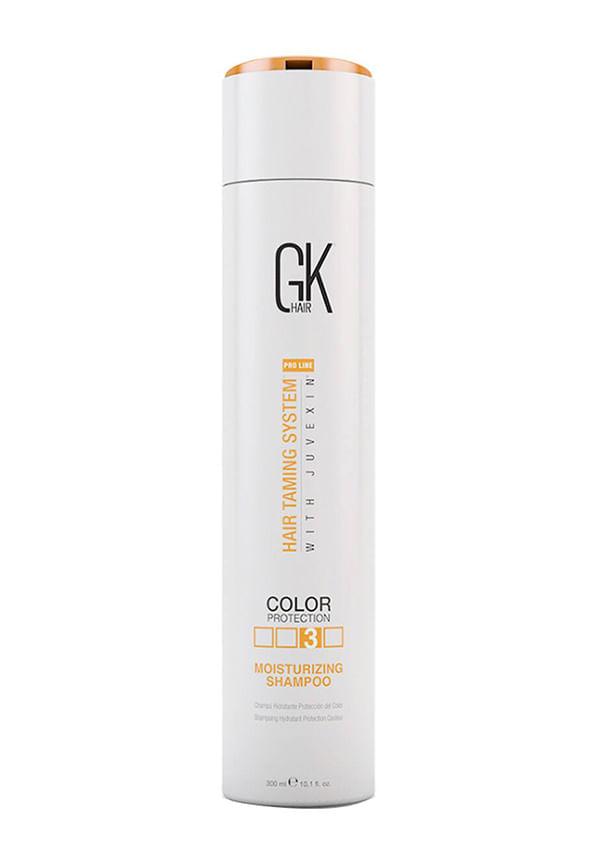
Moisturizing Shampoo Color Protection
Sleeping with hair that's 70% dry is much safer than sleeping with completely wet hair, but it's still not ideal. The remaining 30% moisture can still create conditions for bacterial growth and cause some mechanical damage from friction. If you must sleep with damp hair, ensure your roots are completely dry, use a silk or satin pillowcase to reduce friction, and consider loosely braiding your hair to minimise tangling.
Yes, prolonged moisture on the scalp can definitely worsen seborrheic dermatitis. This condition is often triggered by an overgrowth of Malassezia yeast, which thrives in warm, humid environments. Keeping your scalp damp for extended periods creates ideal conditions for this yeast to multiply, leading to increased flaking, itching, and inflammation. If you have seborrheic dermatitis, it's particularly important to dry your hair thoroughly after washing.
Consistently sleeping with wet hair can lead to cumulative damage over time. You might notice increased hair breakage, particularly around the nape of your neck where friction is greatest. Scalp issues like persistent dandruff, folliculitis, or general irritation may develop. The constant moisture exposure can also disrupt your scalp's natural pH balance, potentially making it more sensitive and prone to various conditions. Prevention involves establishing a proper drying routine and allowing adequate time for hair to dry before bed.
Ideally, you should wait until your hair is at least 80-90% dry before sleeping. For most hair types, this means waiting 2-4 hours after washing, depending on your hair's thickness and length. If you're short on time, focus on thoroughly drying your roots and use a blow dryer on a cool setting to speed up the process. Even 30 minutes of air drying followed by targeted blow-drying can significantly reduce the risks associated with sleeping on wet hair.
There are some scenarios where wet hair can be beneficial. Deep conditioning treatments work best on damp hair, as the moisture helps active ingredients penetrate the hair shaft. Wet hair is also easier to detangle when using the right tools and techniques. Some protective hairstyles are easier to create with slightly damp hair. However, these benefits are temporary and specific to certain hair care activities—keeping hair wet for extended periods without purpose generally does more harm than good.
Understanding the dangers of wet hair doesn't mean you need to panic every time you wash your hair—it just means being more mindful about how you handle it. The key takeaway is that wet hair is in its most vulnerable state, requiring gentler treatment and proper drying techniques to maintain its health and strength.
From the science of weakened protein bonds to the practical risks of sleeping with damp hair, the evidence is clear: taking time to properly dry your hair is worth the effort. Whether you're dealing with breakage, scalp issues, or just want to maintain healthy hair, implementing safe drying practices can make a significant difference in your hair's long-term health.
Remember, everyone's hair is different, and what works for one person might not work for another. Pay attention to how your hair responds to different drying methods and adjust your routine accordingly. If you're experiencing persistent scalp issues or excessive breakage, it might be worth consulting with a dermatologist or trichologist for personalised advice.
Looking to explore new haircare products that can help protect and strengthen your hair? Smytten offers trial-size versions of many hair care products from trusted brands, letting you test what works best for your hair type before committing to full-size purchases. It's a smart way to build a routine that keeps your hair healthy, whether it's wet or dry.
