Dandruff Causes FAQ: Understanding Your Itchy, Flaky Scalp

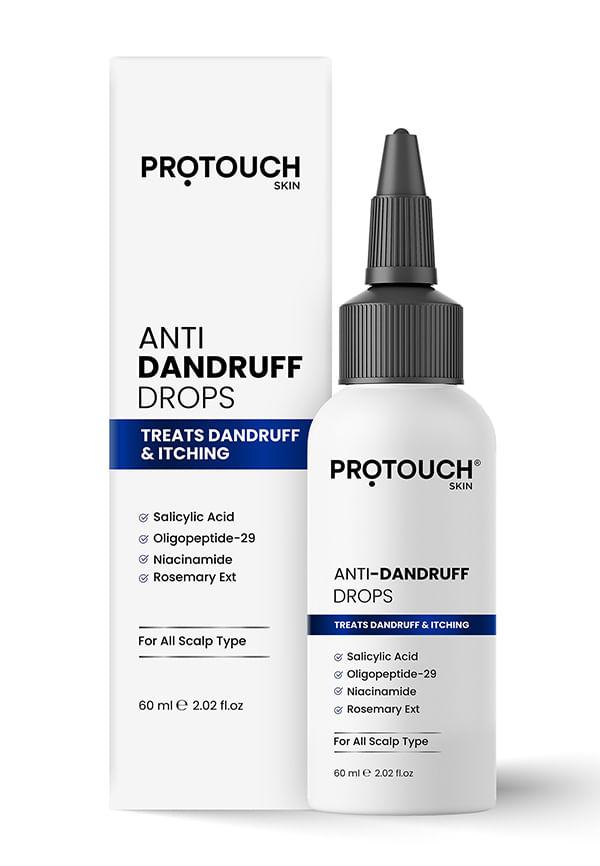
SKIN Anti Dandruff Drops Serum Soothes Itchy, Inflamed Scalp
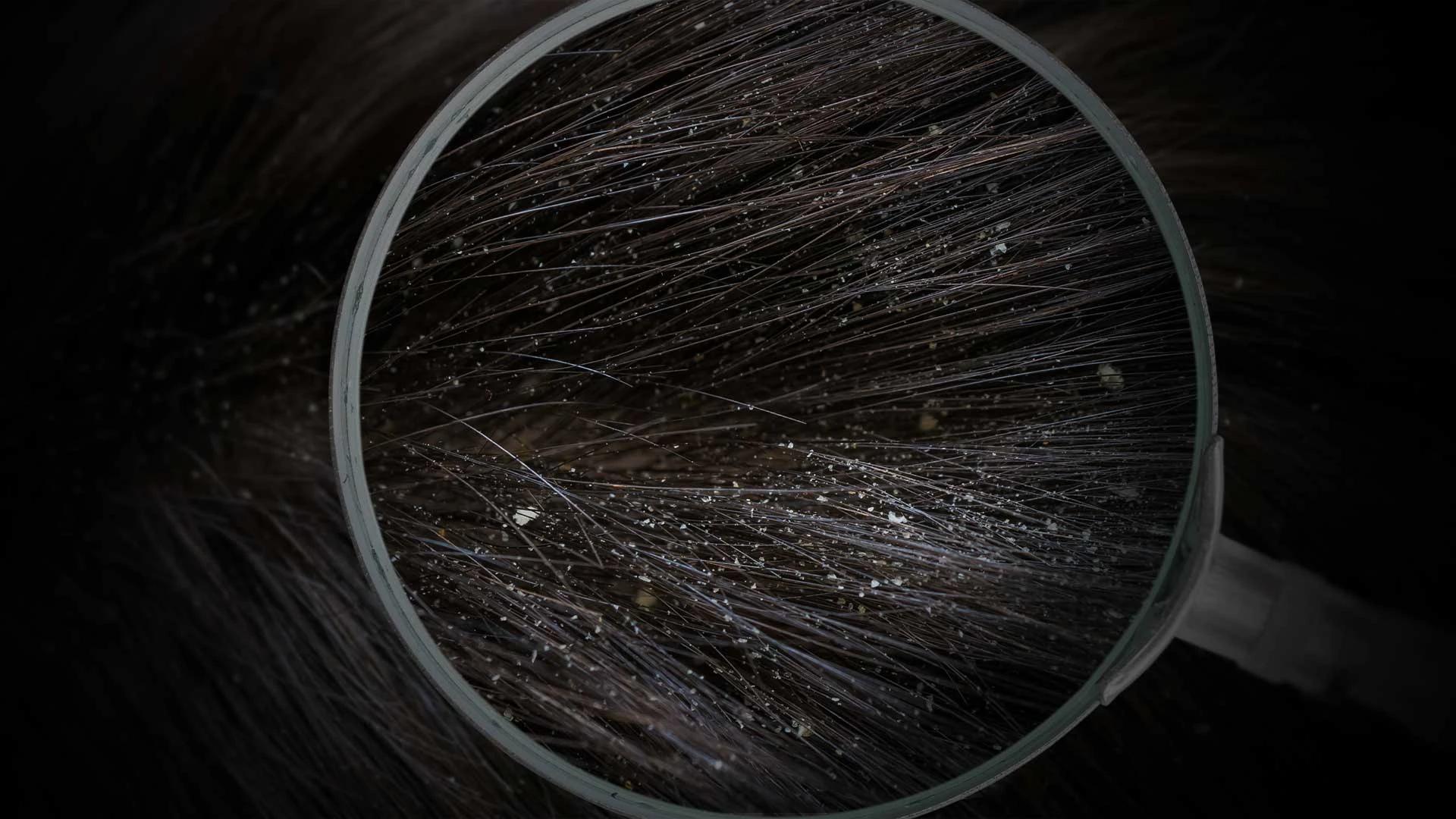
That moment when you're scrolling through your phone and notice white specks on your black top. Or when your scalp starts itching during an important meeting and you can't stop thinking about it. If you've been there, you're definitely not alone. Dandruff affects nearly half the global population at some point, yet most of us still wonder what actually causes those pesky flakes. Let's break down the real reasons behind your itchy, flaky scalp and what you can actually do about it.
Real talk — the main reason behind what causes dandruff isn't poor hygiene or dirty hair. It's actually a tiny yeast called Malassezia that lives on everyone's scalp. Yes, everyone's. This microscopic organism feeds on the natural oils (sebum) your scalp produces, and for some people, this creates the perfect storm for dandruff formation.
Malassezia is part of your scalp's natural microbiome, just like the bacteria that live in your gut. It's been hanging out on human scalps for thousands of years, feeding on sebum and generally minding its own business. The problem starts when this yeast breaks down those natural oils into oleic acid, which can irritate sensitive scalps and trigger an inflammatory response.
Here's where things get interesting. When Malassezia processes your scalp's natural oils, it produces oleic acid as a byproduct. If your scalp is sensitive to this acid, it responds by speeding up skin cell turnover. Instead of the usual 28-day cycle, your scalp starts shedding cells every 14-21 days, creating those visible white or yellowish flakes we call dandruff.
Not everyone develops dandruff, even though we all have Malassezia on our scalps. Your genetic makeup plays a huge role in determining whether you're sensitive to oleic acid. Some people's immune systems react more strongly to this yeast, leading to the inflammation and rapid cell turnover that creates flaky scalp conditions.
While Malassezia might be the main player, several internal factors can make you more prone to developing dandruff or worsen existing scalp conditions. Understanding these triggers helps you tackle the root cause rather than just treating symptoms.
Ever noticed your dandruff getting worse during certain times of the month or life stages? Hormones, particularly testosterone, increase sebum production. This gives Malassezia more food to work with, potentially leading to more oleic acid and increased irritation. Puberty, pregnancy, and hormonal fluctuations can all impact your scalp's oil production and sensitivity.
Stress doesn't directly cause dandruff, but it can definitely make existing conditions worse. When you're stressed, your body produces more cortisol, which can increase oil production and inflammation. This creates a cycle where stress worsens dandruff, and the visible flakes cause more stress. Managing stress through exercise, meditation, or other relaxation techniques can genuinely help improve scalp health.
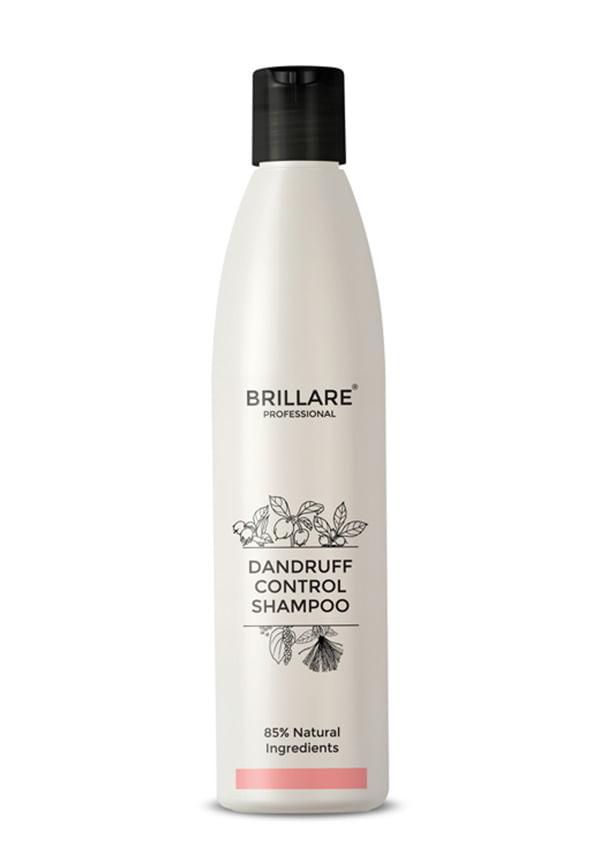
Dandruff Control Shampoo For Itchy, Flaky Scalp
Sometimes what looks like simple dandruff is actually seborrheic dermatitis, a more severe inflammatory scalp condition. This condition causes red, scaly patches and can affect other oily areas of your body like your eyebrows, nose, and chest. Eczema and psoriasis can also cause flaky scalp symptoms that might be mistaken for dandruff.
Your environment and daily habits play a significant role in scalp health. From the weather outside to the products you use, external factors can either trigger dandruff or make existing conditions worse.
Winter can be particularly rough on scalps. Cold air and indoor heating systems strip moisture from your skin, including your scalp. This can lead to dry scalp conditions that mimic dandruff symptoms. Conversely, humid summer weather can increase oil production, feeding more Malassezia and potentially worsening fungal-related dandruff.
Both overwashing and underwashing can contribute to scalp problems. Washing too frequently with harsh shampoos can strip natural oils and irritate your scalp, while not washing enough allows oil and dead skin cells to build up. Hot water can also damage your scalp's protective barrier, making it more susceptible to irritation and inflammation.
Some people develop contact dermatitis from hair products containing sulfates, fragrances, or preservatives. This can cause itching and flaking that looks similar to dandruff but is actually an allergic reaction. Common culprits include certain shampoos, conditioners, styling products, and even hair dyes.
Here's something that trips up loads of people — dry scalp and dandruff aren't the same thing, even though they can look pretty similar. Understanding the difference is crucial because the treatments are completely different.
Dry scalp happens when your scalp doesn't produce enough natural oils or when environmental factors strip away moisture. Unlike dandruff, which is caused by too much oil feeding Malassezia, dry scalp is literally just dehydrated skin. Age, harsh weather, and certain medical conditions can all contribute to genuine dry scalp issues.
Dry scalp typically produces smaller, drier flakes that feel tight and itchy. Dandruff flakes are usually larger, more oily, and yellowish in colour. With dry scalp, your entire scalp feels tight and dehydrated, while dandruff often comes with oily roots but flaky, irritated patches.
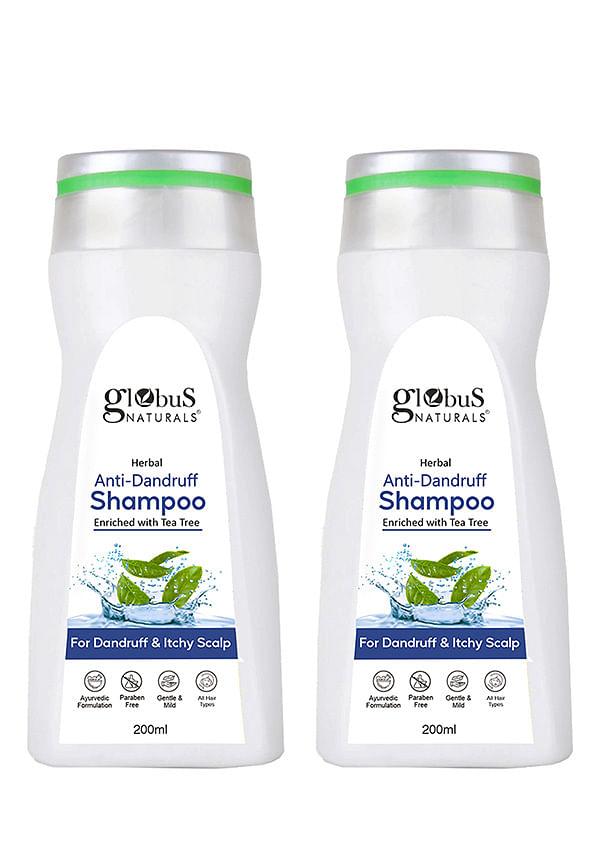
Anti Dandruff Shampoo, For Dandruff and Itchy Scalp
This is where knowing the difference really matters. Dry scalp needs moisturising treatments and gentle, hydrating shampoos. Using anti-dandruff shampoos on a genuinely dry scalp can make things worse by further stripping natural oils. True dandruff, on the other hand, responds to antifungal treatments that target Malassezia.
Once you've figured out what's actually causing your scalp issues, it's time to tackle the problem with the right approach. Different types of dandruff respond to different treatments, so understanding your specific situation helps you choose the most effective solution.
Ketoconazole is one of the most effective ingredients for controlling Malassezia. It's an antifungal that directly targets the yeast causing your dandruff. Salicylic acid helps remove existing flakes and prevents buildup, while zinc pyrithione offers both antimicrobial and anti-inflammatory benefits. Coal tar and selenium sulfide are stronger options for stubborn cases.
Tea tree oil has natural antifungal properties that can help control Malassezia, though it should always be diluted before use. Apple cider vinegar can help restore your scalp's pH balance and has mild antimicrobial effects. For dry scalp conditions, coconut oil provides moisture and has some antifungal benefits, though it might be too heavy for oily scalps.
If over-the-counter treatments aren't working after 4-6 weeks, it's worth seeing a dermatologist. They can prescribe stronger antifungal treatments, topical steroids for inflammation, or help identify if you're dealing with seborrheic dermatitis or another scalp condition that needs different treatment.
Prevention is always better than treatment, and maintaining good scalp health can help prevent dandruff from developing or recurring. The key is finding the right balance for your specific scalp type and lifestyle.
Most people with dandruff benefit from washing their hair 2-3 times per week with a gentle, pH-balanced shampoo. If you have oily hair, you might need to wash more frequently, while dry scalp types should wash less often. Always use lukewarm water rather than hot, and focus shampoo on your scalp rather than the length of your hair.
Managing stress through regular exercise, adequate sleep, and relaxation techniques can help prevent stress-related dandruff flare-ups. Some people find that reducing sugar and processed foods helps with scalp inflammation, though the evidence for dietary changes is still emerging. Getting some sun exposure can help, but always protect your scalp from burning.
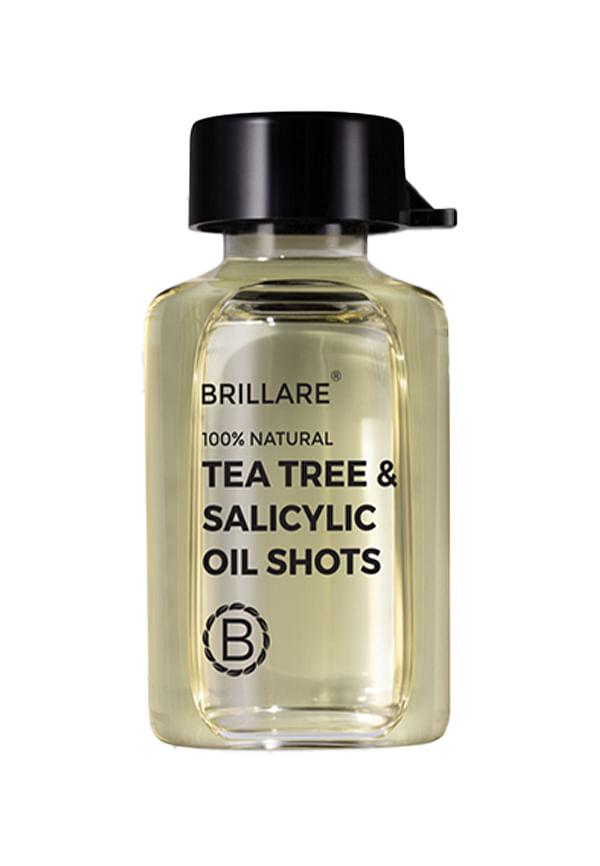
Tea Tree & Salicylic Oil Shots For Dry, Itchy Scalp to Fights Dandruff
Choose hair products that are free from harsh sulfates, excessive fragrances, and known irritants. Look for products labelled as gentle or suitable for sensitive scalps. Avoid heavy styling products that can build up on your scalp, and always rinse thoroughly after washing.
Not at all. Dandruff is a scalp condition, not a hair health indicator. You can have perfectly healthy hair and still experience dandruff. The flakes come from your scalp's skin cells, not your hair itself. Many people with dandruff actually have quite healthy hair once they address the underlying scalp issues.
Ketoconazole-based shampoos typically show results fastest, often within 2-4 weeks of regular use. Zinc pyrithione and selenium sulfide are also effective, though they might take slightly longer. The key is consistency — using the treatment regularly as directed rather than sporadically.
Maintenance is crucial for preventing dandruff recurrence. Continue using a medicated shampoo once or twice a week even after symptoms clear up. Manage stress levels, maintain a consistent hair washing routine, and avoid known triggers like harsh products or excessive heat styling.
Dandruff is typically a chronic condition that can be managed rather than permanently cured. Since Malassezia naturally lives on everyone's scalp, people who are sensitive to it will likely need ongoing management. However, with the right routine, most people can keep dandruff completely under control.
No, dandruff isn't contagious. While Malassezia yeast is present on everyone's scalp, dandruff develops due to individual sensitivity to the byproducts this yeast produces. You can't catch dandruff from someone else or spread it to others.
Winter weather creates the perfect storm for scalp problems. Cold air and indoor heating strip moisture from your scalp, while wearing hats and scarves can trap oil and create a warm environment for Malassezia to thrive. The combination of dryness and increased yeast activity often worsens dandruff symptoms during colder months.
Understanding what causes dandruff is the first step towards effective treatment and prevention. Whether you're dealing with Malassezia-related dandruff, dry scalp conditions, or seborrheic dermatitis, the right approach depends on identifying your specific triggers and choosing appropriate treatments. Remember that consistency is key — most dandruff treatments need 4-6 weeks of regular use to show full results.
The good news is that dandruff is highly manageable with the right products and routine. If you're unsure which treatments might work best for your specific scalp concerns, Smytten offers trial-size versions of many dandruff shampoos and scalp treatments from trusted brands — a smart way to test different options before committing to full-size bottles.
