Dandruff Causes and Treatment FAQ: Everything You Need to Know

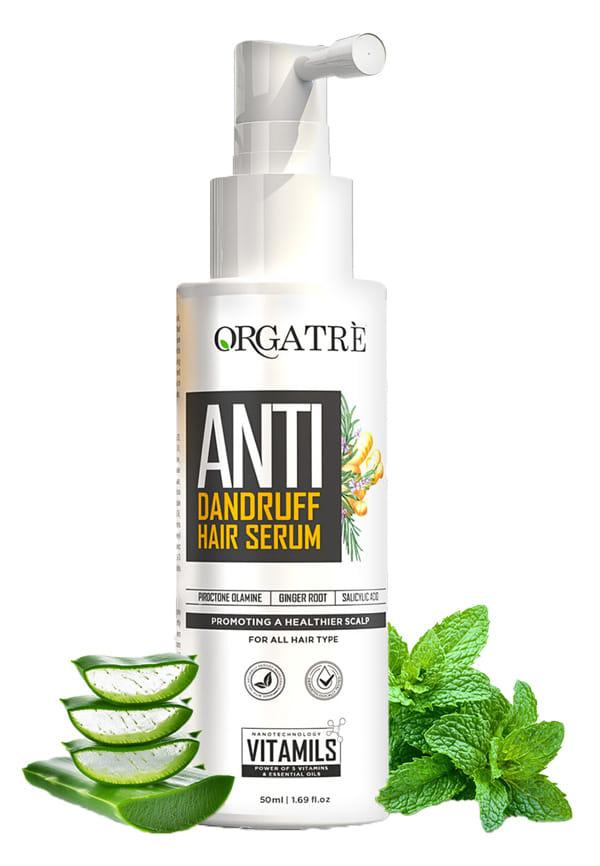
Anti Dandruff Hair Serum | Treatment for Dandruff, Flaky & Dry Scalp
You know that moment when you're getting ready for something important and catch a glimpse of white flakes scattered across your shoulders? Or when your scalp feels so itchy that you can't focus on anything else? Real talk — dandruff is one of those things that can completely throw off your confidence. The good news? You're definitely not alone in this struggle, and there are actually loads of effective ways to tackle it. Let's dive into everything you need to know about what causes those pesky flakes and how to get your scalp back to feeling comfortable and healthy.
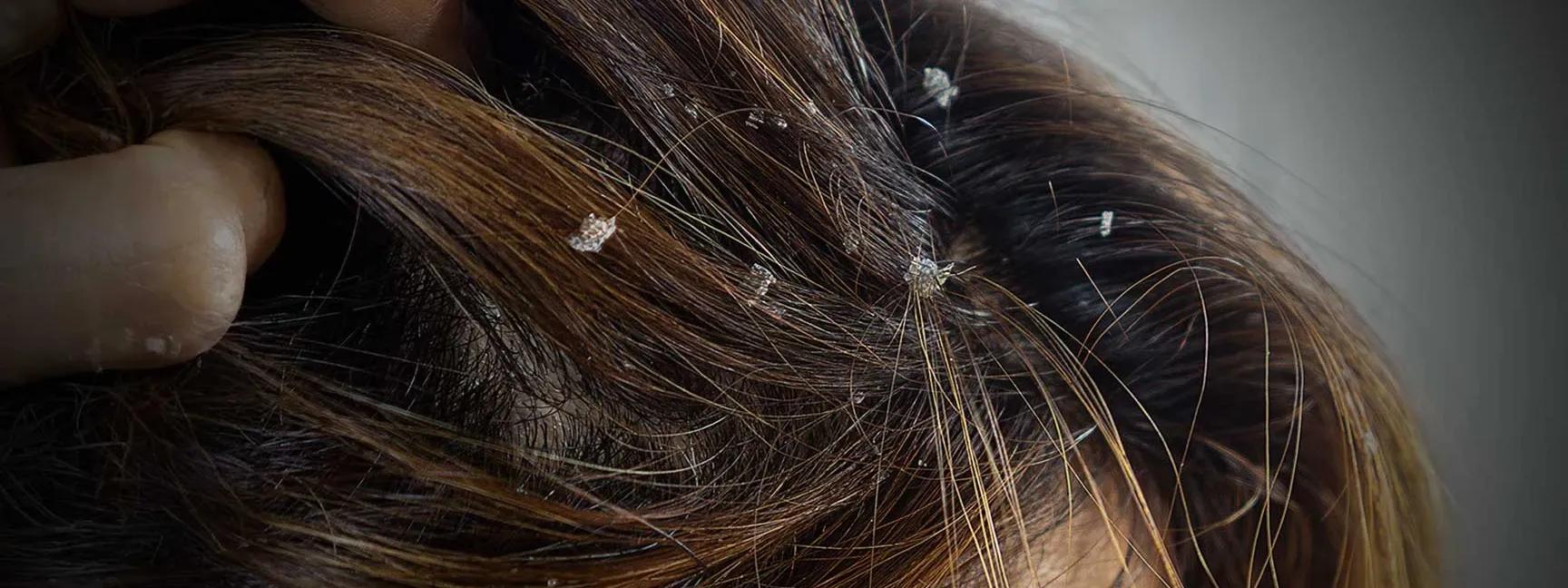
Here's the thing about dandruff — it's not just about having a "dirty" scalp or not washing your hair enough. The real culprit behind most dandruff cases is actually a tiny yeast called Malassezia that naturally lives on everyone's scalp. When this yeast decides to multiply more than usual, it breaks down the oils on your scalp and creates irritation that speeds up your skin cell turnover. Instead of skin cells shedding gradually like they normally would, they clump together and form those visible white or yellowish flakes.
What makes this yeast go into overdrive varies from person to person. Some people are just more sensitive to it, whilst others might have naturally oilier scalps that provide the perfect environment for Malassezia to thrive. Hormonal changes, stress, certain weather conditions, and even some hair products can trigger flare-ups. It's worth noting that dandruff tends to be more common during puberty and in your twenties and thirties when oil production is at its peak.
Not all flaky scalps are created equal, and figuring out what type you're dealing with can help you choose the right treatment. Seborrheic dermatitis is the more intense cousin of regular dandruff — think red, inflamed patches with greasy, yellowish scales that might extend beyond your hairline to your eyebrows, nose, or behind your ears. This condition is definitely linked to that Malassezia yeast we mentioned earlier.
On the flip side, a simple dry scalp produces smaller, drier flakes and usually happens when your scalp isn't producing enough oil or when environmental factors like cold weather or indoor heating strip away moisture. The flakes from a dry scalp tend to be smaller and whiter, and your scalp might feel tight rather than oily.
Sometimes what looks like dandruff might actually be scalp psoriasis, which creates thick, silvery scales that are much more stubborn than regular dandruff flakes. Contact dermatitis from hair products can also cause flaking, especially if you're sensitive to certain ingredients like fragrances or preservatives. Poor hygiene can contribute to buildup, but it's rarely the main cause — over-washing can actually make things worse by stripping your scalp of natural oils.
When it comes to treating dandruff causes and treatment, medicated shampoos are usually your best first line of defence. These aren't just regular shampoos with fancy marketing — they contain specific active ingredients that target the underlying causes of dandruff. The key is understanding which ingredient works best for your particular situation and using it correctly.
Ketoconazole is probably the most effective antifungal ingredient you'll find in dandruff shampoos. It directly targets the Malassezia yeast and can provide relief within just a few washes. You'll find it in shampoos like Nizoral, and whilst it's incredibly effective, it can be a bit drying, so you might want to follow up with a gentle conditioner on your lengths.
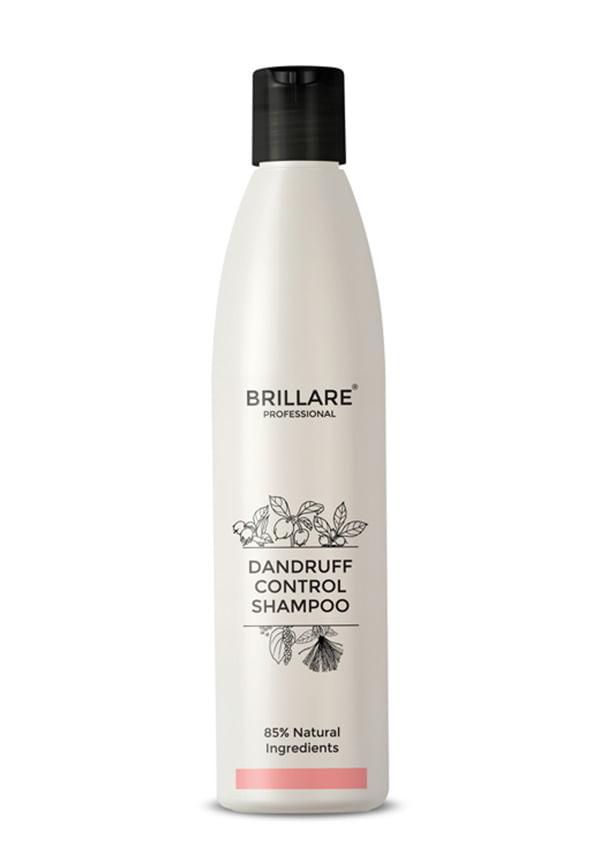
Dandruff Control Shampoo For Itchy, Flaky Scalp
Selenium sulfide works by slowing down the rate at which your skin cells multiply, which helps reduce flaking. Zinc pyrithione is another antifungal ingredient that's gentler than ketoconazole but still effective for mild to moderate dandruff. Coal tar might sound scary, but it's actually brilliant for controlling cell turnover — just be aware that it can make your hair more sensitive to sunlight.
Salicylic acid is fantastic for removing existing flakes and scales, making it easier for other active ingredients to penetrate your scalp. It's particularly helpful if you're dealing with thick, stubborn flakes that seem to stick to your scalp.
Here's where most people go wrong — they treat medicated shampoos like regular shampoo, lather up quickly, and rinse immediately. For these products to work, you need to let them sit on your scalp for at least five to ten minutes before rinsing. Think of it as giving the active ingredients time to do their job.
Start by using your chosen antifungal shampoo three to four times a week until your symptoms improve, then you can usually scale back to once or twice a week for maintenance. If one ingredient stops working as well after a few months, try rotating to a different active ingredient — your scalp can sometimes become less responsive to the same treatment over time.
Whilst medicated shampoos are usually the most effective option, there are some natural remedies that can complement your treatment routine or provide relief for milder cases. Tea tree oil has genuine antimicrobial and anti-inflammatory properties, but it's potent stuff — always dilute it before applying to your scalp. A few drops mixed into your regular shampoo or carrier oil like coconut oil can be effective.
Aloe vera gel can be incredibly soothing for an itchy scalp and has some anti-inflammatory benefits. Look for pure aloe vera gel without added fragrances or alcohol, and apply it directly to your scalp for 10-15 minutes before washing. Apple cider vinegar is another popular home remedy that might help balance your scalp's pH, though the evidence is mostly anecdotal.
Coconut oil has natural antifungal properties and can help moisturise a dry scalp. Warm a small amount between your palms and massage it into your scalp, leaving it on for at least 30 minutes before washing with a gentle shampoo. Just remember that if you have naturally oily hair, coconut oil might be too heavy for regular use.
Before trying any natural remedy, do a patch test on a small area of skin to make sure you don't have a reaction. Natural doesn't always mean gentle, and some people can be sensitive to essential oils or other plant-based ingredients.
Your washing frequency can make a huge difference in managing dandruff. Washing too often can strip your scalp of natural oils and cause irritation, whilst not washing enough allows oil and dead skin cells to build up. For most people with dandruff, washing three to four times a week hits the sweet spot.
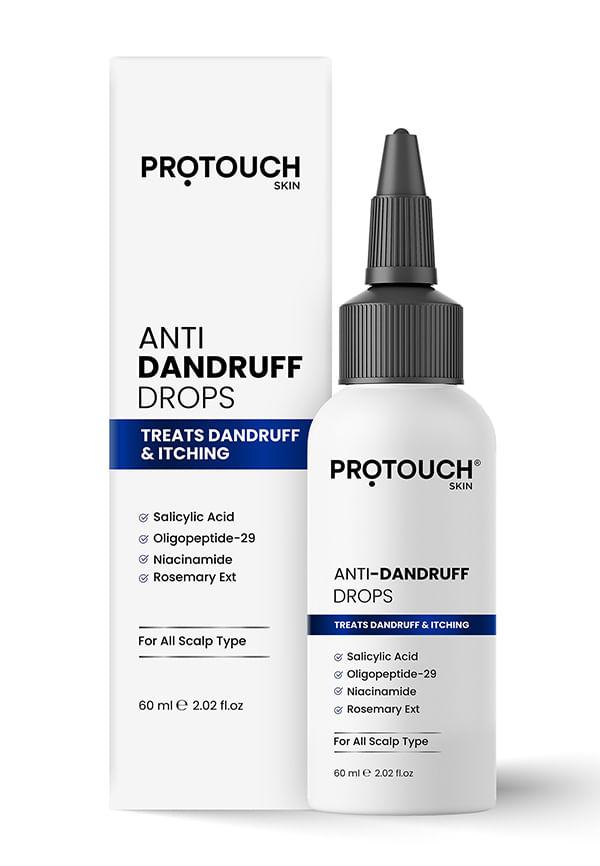
SKIN Anti Dandruff Drops Serum Soothes Itchy, Inflamed Scalp
When you do wash, focus on massaging your scalp gently with your fingertips — not your nails. This helps remove loose flakes and improves circulation without causing irritation. Pay attention to your haircare products too. Harsh sulfates and alcohol-based products can dry out your scalp and make dandruff worse.
Stress doesn't directly cause dandruff, but it can definitely make existing conditions worse by affecting your immune system and hormone levels. Finding ways to manage stress — whether that's through exercise, meditation, or just making sure you get enough sleep — can help keep flare-ups under control.
Your diet might play a role too. Some people find that foods high in sugar or dairy can trigger dandruff, whilst omega-3 fatty acids, zinc, and B vitamins might help support scalp health. It's worth paying attention to whether certain foods seem to coincide with flare-ups.
When your scalp is driving you mad with itching, resist the urge to scratch — it'll only make the irritation worse and can even lead to small wounds that might get infected. Instead, try applying a cool, damp cloth to your scalp for a few minutes, or look for products containing menthol or peppermint that can provide a cooling sensation.
If you're dealing with particularly stubborn flakes, a gentle scalp brush or fine-toothed comb can help remove them without causing damage. Use it on damp hair with a bit of conditioner to avoid pulling or breaking your hair.
Once you've got your dandruff under control, the key is maintaining that progress. This usually means continuing to use your medicated shampoo once or twice a week, even when you're not having active symptoms. Think of it as preventive maintenance rather than just treating problems as they arise.
Seasonal changes can affect your scalp too. You might need to adjust your routine during winter when indoor heating can dry out your scalp, or in summer when increased sweating might trigger more oil production.
Ketoconazole-based shampoos are usually the fastest-acting option for dandruff relief. These antifungal shampoos can start showing results within a few washes, typically within one to two weeks of regular use. Selenium sulfide is another quick-acting ingredient that can reduce flaking rapidly. However, remember that "fast" is relative when it comes to scalp conditions — most effective treatments need at least a week or two to show significant improvement, and consistency is more important than speed.
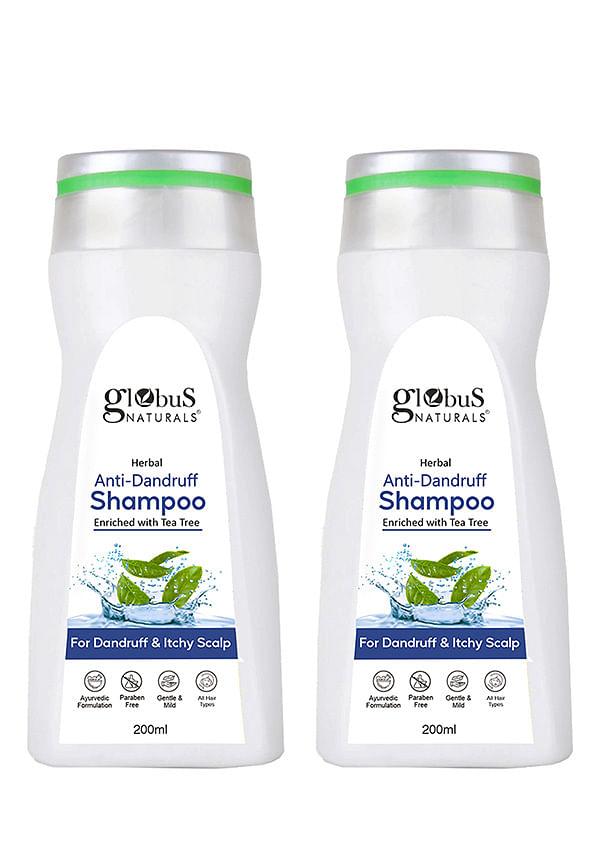
Anti Dandruff Shampoo, For Dandruff and Itchy Scalp
The primary cause of dandruff is an overgrowth of Malassezia yeast that naturally lives on everyone's scalp. This yeast feeds on the oils produced by your hair follicles and, when it multiplies excessively, it irritates the scalp and speeds up skin cell turnover. Individual sensitivity to this yeast varies, which is why some people are more prone to dandruff than others. Factors like oily skin, hormonal changes, stress, and certain weather conditions can all contribute to yeast overgrowth.
Whilst it's tempting to look for a permanent cure, the reality is that dandruff is typically a chronic condition that requires ongoing management rather than a one-time fix. The good news is that with the right treatment approach, you can keep it completely under control. Most people find success with a combination of regular medicated shampoo use, proper scalp hygiene, and lifestyle adjustments. The key is finding what works for your specific situation and sticking with it consistently, even when symptoms aren't active.
Effective dandruff treatment usually involves a multi-step approach. Start with a medicated shampoo containing ketoconazole, selenium sulfide, or zinc pyrithione, used three to four times per week initially. Leave the shampoo on your scalp for 5-10 minutes before rinsing to allow the active ingredients to work. Once symptoms improve, reduce to once or twice weekly for maintenance. Complement this with gentle scalp massage, stress management, and avoiding harsh hair products. If over-the-counter treatments don't work after 4-6 weeks, consider seeing a dermatologist for stronger prescription options.
Dandruff itself doesn't directly cause permanent hair loss, but the constant scratching and scalp irritation it causes can lead to temporary hair thinning or breakage. Severe seborrheic dermatitis can sometimes cause more noticeable hair loss, but this is usually reversible once the condition is properly treated. If you're experiencing significant hair loss along with dandruff symptoms, it's worth consulting a dermatologist to rule out other scalp conditions that might be contributing to the problem.
No, dandruff is not contagious. Since it's caused by an overgrowth of yeast that naturally exists on everyone's scalp, you can't "catch" dandruff from someone else. However, sharing hair brushes, combs, or hats isn't recommended for general hygiene reasons, and if you have a scalp infection (which is different from dandruff), that could potentially be transmitted through shared items.
Winter weather can definitely make dandruff worse for several reasons. Cold air and indoor heating can dry out your scalp, leading to increased flaking. Lower humidity levels mean less moisture in the air, which can exacerbate dry scalp conditions. Additionally, wearing hats and scarves more frequently can create a warm, humid environment that encourages yeast growth. You might need to adjust your haircare routine seasonally, perhaps using more moisturising products or increasing your medicated shampoo frequency during colder months.
Managing dandruff successfully comes down to understanding what's causing your specific symptoms and choosing the right treatment approach. For most people, medicated shampoos with antifungal ingredients provide the most reliable relief, but the key is using them correctly and consistently. Natural remedies can be helpful additions to your routine, but they're usually most effective when combined with proven treatments rather than used as standalone solutions.
Remember that what works for your friend might not work for you — scalp chemistry varies from person to person, and you might need to try a few different approaches before finding your perfect routine. The important thing is to be patient and consistent with whatever treatment you choose, as scalp conditions typically take several weeks to show significant improvement.
If you're looking to experiment with different dandruff treatments without committing to full-size products, exploring trial-size options can be a smart way to find what works best for your scalp. Smytten offers trial versions of many effective dandruff shampoos and scalp treatments from trusted brands — a practical approach to discovering your ideal haircare routine without the guesswork or expense of buying products that might not suit you.
