Conditioner for Dry Scalp FAQ: Your Questions Answered
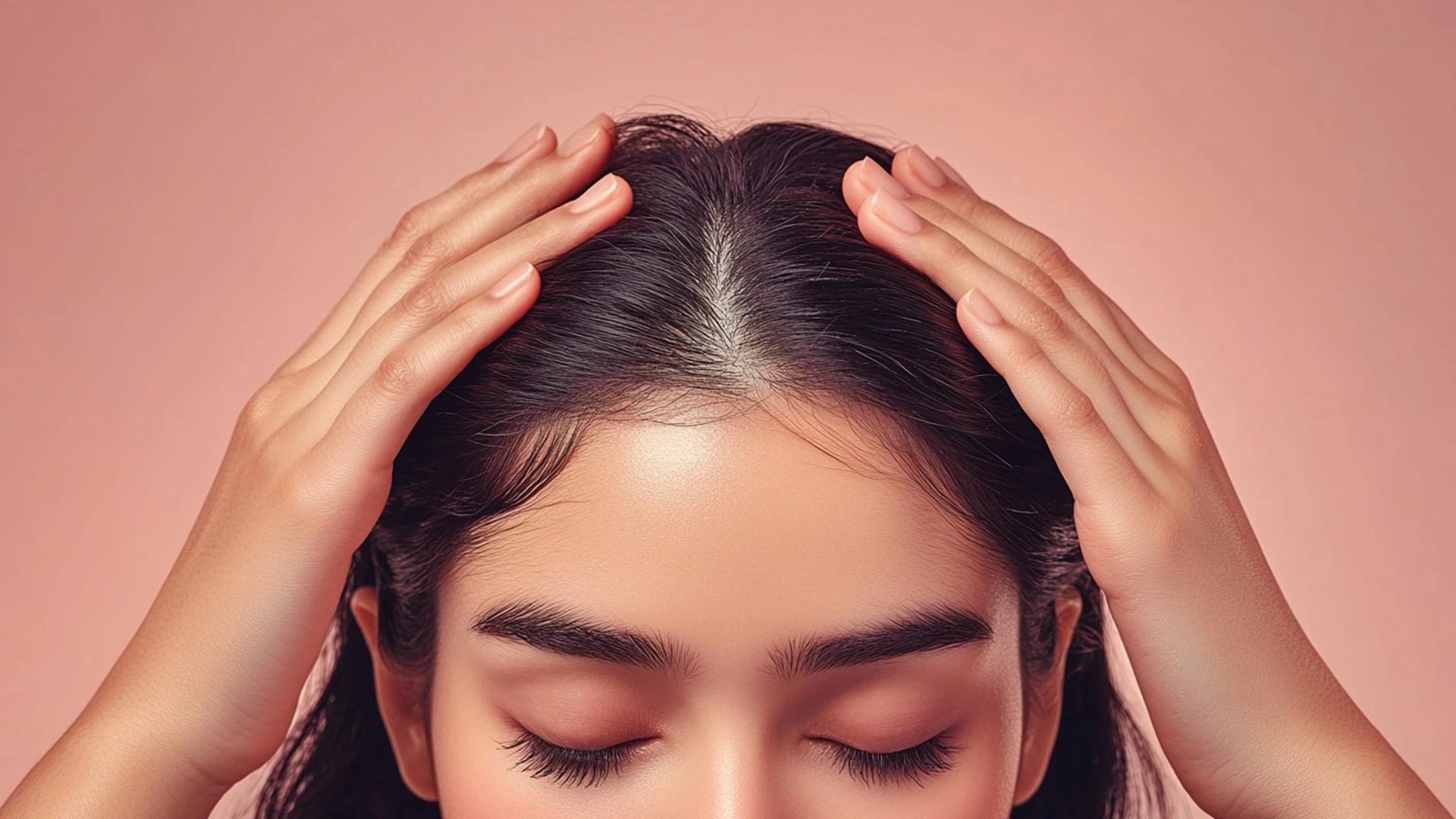

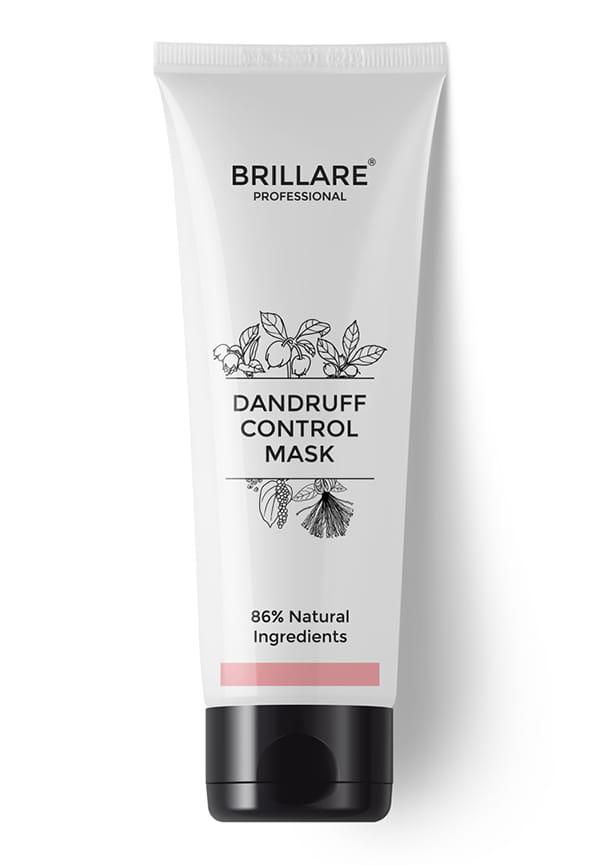
Conditioner For Itchy, Flaky Scalp
You know that feeling when your scalp feels tight, itchy, and flaky, but your hair still needs moisture? It's like your scalp and hair have completely different needs, and you're stuck trying to figure out what actually works. If you've been wondering whether conditioner can help with dry scalp issues, or if you need something completely different, you're definitely not alone. Let's dive into the most common questions about using conditioner for dry scalp and get you some real answers that actually make sense.
Real talk—dry scalp and dandruff get mixed up all the time, but they're actually quite different beasts. Dry scalp happens when your scalp doesn't produce enough natural oils, leaving it feeling tight, itchy, and sometimes flaky. Think of it like having dry skin anywhere else on your body. Dandruff, on the other hand, is usually caused by a yeast-like fungus and tends to produce larger, oilier flakes.
Here's the thing that makes it tricky: both can cause flaking and itching, but they need different approaches. With dry scalp, you're looking to add moisture and gentle care. With dandruff, you often need antifungal ingredients and a bit more active treatment. Getting this distinction right is crucial because using the wrong products can actually make things worse.
The good news? Many modern scalp moisturizing conditioners are designed to tackle both issues, combining hydrating ingredients with gentle clarifying elements. This means you don't always have to choose between treating your scalp and caring for your hair—you can actually do both.
This is probably the most common question, and the answer is a bit nuanced. Regular hair conditioner can provide some relief for dry scalp, but it's not always the best solution. Most traditional conditioners are formulated to coat and smooth hair strands, not necessarily to treat scalp concerns.
That said, if you're dealing with mild dryness, applying a gentle, moisturising conditioner to your scalp can definitely help. The key is choosing formulas that won't clog your hair follicles or leave heavy residue. Look for lightweight, hydrating formulas that absorb well rather than sitting on top of your scalp.
For more persistent dry scalp issues, you'll want to consider specialised scalp health conditioners. These are specifically formulated with ingredients like hyaluronic acid, ceramides, and gentle exfoliating agents that can address scalp concerns while still caring for your hair. They're designed to be applied directly to the scalp and work more like a treatment than a traditional conditioner.
If you're using regular conditioner on your scalp, timing matters. Apply it after shampooing, focusing on areas that feel particularly dry or tight. Massage gently with your fingertips—not your nails—and let it sit for a few minutes before rinsing. This gives the moisturising ingredients time to actually penetrate rather than just sitting on the surface.
When you're shopping for the best conditioner for scalp issues, ingredients are everything. Some work brilliantly for hydration, others help with gentle exfoliation, and some do both. Here's what actually works and why.
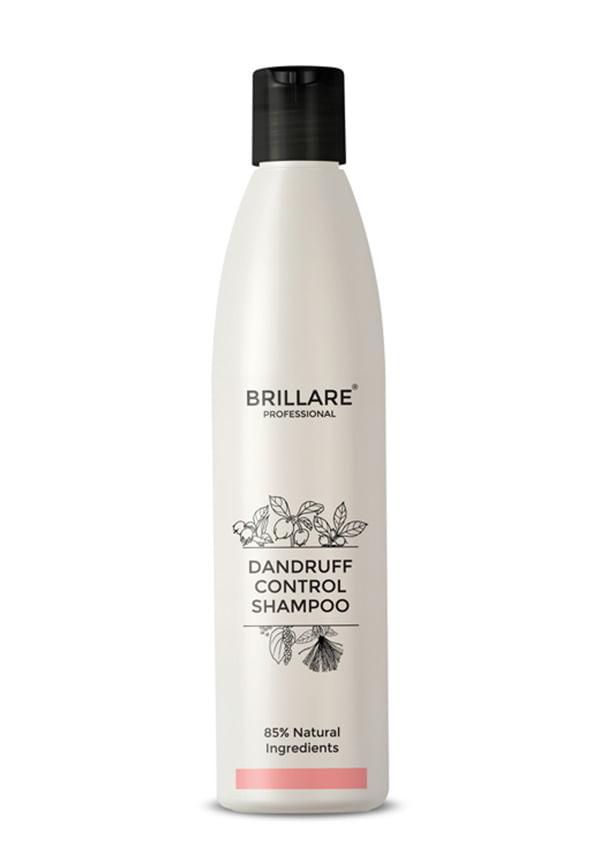
Dandruff Control Shampoo For Itchy, Flaky Scalp
Hyaluronic acid is your friend for serious hydration—it can hold up to 1,000 times its weight in water, which means it's incredibly effective at drawing moisture to your scalp. Ceramides help rebuild your scalp's natural barrier, preventing moisture loss and protecting against irritation. Niacinamide (vitamin B3) is brilliant for reducing inflammation and regulating oil production, making it perfect if you have combination scalp issues.
For gentle exfoliation, salicylic acid helps remove dead skin cells without being too harsh, while tea tree oil provides antimicrobial benefits and a cooling sensation that can soothe itchy scalp remedy needs. Zinc pyrithione is particularly effective if you're dealing with both dryness and dandruff, as it addresses fungal concerns while being gentle enough for sensitive scalps.
Just as important as what to include is what to skip. Sulfates can strip your scalp of natural oils, making dryness worse. Heavy silicones can build up and prevent moisture from actually reaching your scalp. Harsh alcohols (like denatured alcohol) are incredibly drying and can cause more irritation.
Not all dry scalp situations are the same, and your choice of soothing scalp conditioner should reflect your specific concerns. If you're dealing with dry scalp alongside dandruff, you'll want a dandruff conditioner that combines antifungal ingredients with moisturising elements. Look for formulas that contain both zinc pyrithione or ketoconazole for the dandruff, plus hydrating ingredients like glycerin or panthenol.
For sensitive, itchy scalps, fragrance-free formulas are usually your best bet. Ingredients like colloidal oatmeal, aloe vera, and chamomile can provide soothing relief without causing additional irritation. These tend to be gentler and less likely to trigger reactions if your scalp is already compromised.
If you have oily roots but a dry scalp (yes, this is totally a thing), you'll want lightweight formulas that hydrate without adding grease. Look for water-based conditioners or those with ingredients like hyaluronic acid that provide moisture without heaviness.
Your scalp's natural pH is slightly acidic, around 4.5 to 5.5. Using products that match this pH helps maintain your scalp's protective barrier and can prevent further dryness and irritation. Many specialised scalp conditioners are formulated with this in mind.
Getting the application right can make a huge difference in how effective your haircare for dry scalp routine actually is. Start with clean, damp hair—you want your scalp to be free of buildup so the conditioning ingredients can actually penetrate.
Apply your chosen conditioner directly to your scalp, not just your hair. Use your fingertips to massage it in gently, working in small circular motions. This helps with absorption and also stimulates blood flow to the area, which can promote healthier scalp function. Don't rush this step—spend at least a minute or two really working the product in.
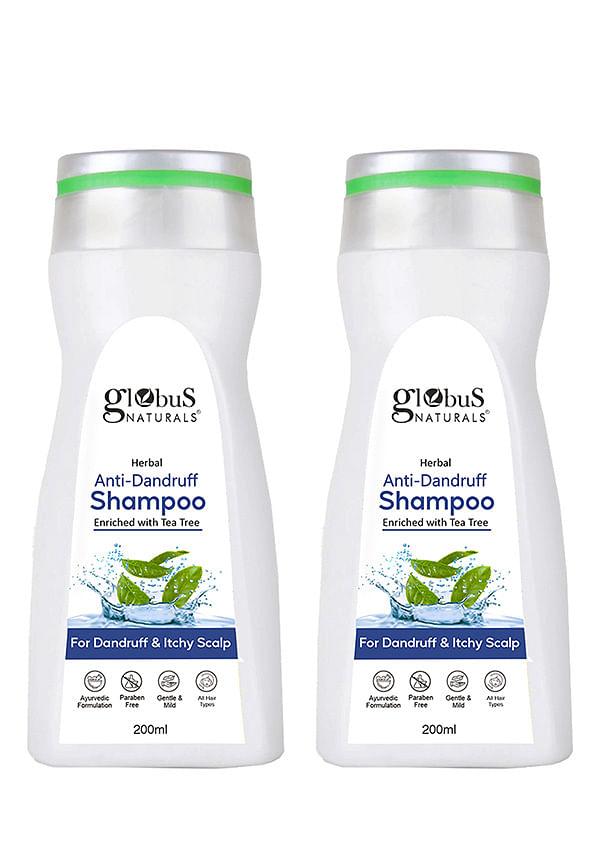
Anti Dandruff Shampoo, For Dandruff and Itchy Scalp
Leave the conditioner on for the recommended time—usually 3-5 minutes for regular conditioners, or up to 10 minutes for intensive treatments. This gives the active ingredients time to work. When you rinse, use lukewarm water rather than hot, as heat can further dry out your scalp.
For mild dryness, conditioning your scalp 2-3 times per week is usually sufficient. If you're dealing with more severe dryness or flaking, you might need daily treatment initially, then scale back as your scalp improves. Pay attention to how your scalp responds and adjust accordingly.
Sometimes the best solutions are sitting right in your kitchen. Natural dry scalp remedies can be incredibly effective, especially for mild to moderate dryness. Coconut oil is probably the most popular option—it's naturally antimicrobial and deeply moisturising. Warm a small amount between your palms and massage it into your scalp, leaving it on for at least 30 minutes before shampooing.
Aloe vera gel is another brilliant option, especially if your scalp is irritated or inflamed. It's cooling, hydrating, and has anti-inflammatory properties. You can use pure aloe vera gel directly from the plant or look for high-quality commercial versions without added alcohol or fragrances.
For a gentle exfoliating treatment, try mixing finely ground oatmeal with honey and a bit of water to create a paste. The oatmeal gently removes dead skin cells while the honey provides moisture and has natural antimicrobial properties. Apply this mixture to your scalp, leave for 10-15 minutes, then rinse thoroughly.
Mix 2 tablespoons of coconut oil with 1 tablespoon of honey and a few drops of tea tree oil. This creates a powerful hydrating and antimicrobial treatment that you can use once or twice a week. Always patch test any DIY treatments first to make sure you don't react to any ingredients.
The most effective approach to managing dry scalp isn't just about finding one perfect product—it's about creating a routine that addresses all aspects of scalp health. Start with a gentle, sulfate-free shampoo that cleanses without stripping natural oils. Follow with your chosen scalp conditioner, and consider adding a weekly intensive treatment for extra hydration.
Your routine should also account for seasonal changes. Winter heating and summer sun can both affect scalp moisture levels, so you might need to adjust your products or frequency based on the time of year. During particularly dry months, you might need more intensive treatments or more frequent conditioning.
Don't forget about lifestyle factors either. Staying hydrated, eating a balanced diet rich in omega-3 fatty acids, and managing stress can all impact your scalp health. Sometimes the best conditioner in the world can't fix issues that are coming from within.
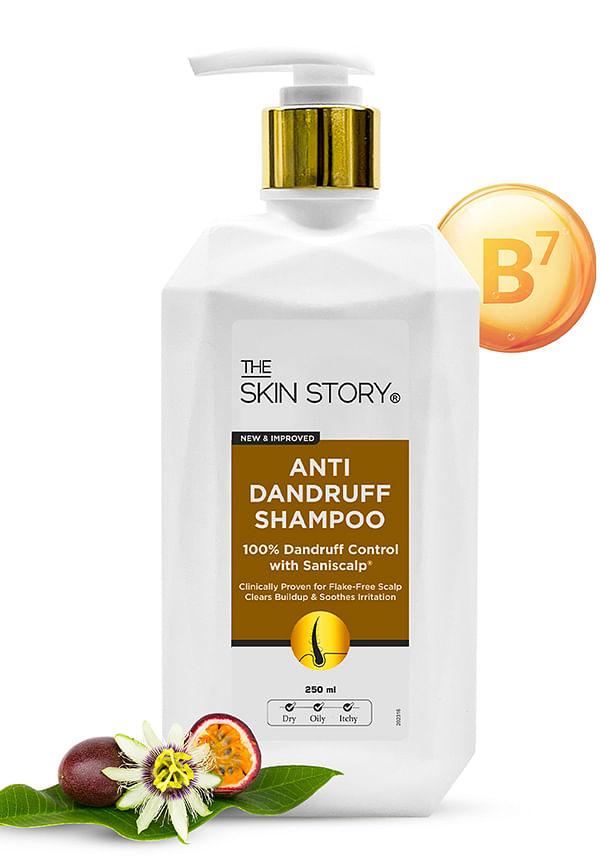
Anti Dandruff Shampoo For Oily Dry Itchy Scalp With Saniscalp
While you can use gentle conditioner on your scalp daily if needed, it's usually not necessary and might lead to buildup. Most people find that 2-3 times per week is sufficient for maintaining scalp moisture. If you feel you need daily treatment, consider using a lighter, water-based scalp treatment rather than a heavy conditioner.
You might notice some immediate relief from itching and tightness, but significant improvement in flaking and overall scalp health usually takes 2-4 weeks of consistent use. Be patient and stick with your routine—scalp issues often take time to resolve completely.
It depends on your specific needs. If your hair and scalp have very different requirements—like if you have oily hair but a dry scalp—using separate products might be more effective. However, many modern formulas are designed to address both scalp and hair needs simultaneously.
Yes, if you're using the wrong type of conditioner or applying it incorrectly. Heavy, silicone-rich conditioners can build up on your scalp and prevent moisture from penetrating. Always choose appropriate formulas and make sure you're rinsing thoroughly.
Dry scalp conditioners focus primarily on hydration and barrier repair, while dandruff conditioners contain antifungal ingredients like zinc pyrithione or ketoconazole. Some products combine both approaches, which can be helpful if you're not sure which issue you're dealing with.
Generally yes, because sulfates can be drying and irritating. However, the most important factor is choosing a conditioner with the right moisturising and soothing ingredients for your specific scalp needs, whether it's sulfate-free or not.
Finding the right conditioner for dry scalp doesn't have to be overwhelming once you understand what you're looking for. Focus on hydrating ingredients like hyaluronic acid and ceramides, avoid harsh sulfates and heavy silicones, and don't be afraid to apply conditioner directly to your scalp when needed. Remember that consistency is key—scalp health improves gradually with regular, appropriate care.
Whether you choose a specialised scalp treatment or find that a gentle regular conditioner works for your needs, the most important thing is listening to your scalp and adjusting your routine accordingly. Not sure which approach might work best for your specific concerns? Smytten offers trial-size versions of many scalp and haircare products—a smart way to test different formulas before committing to full-size bottles.
