Common Rainy Hair Issues FAQ: Solutions for Frizzy Hair


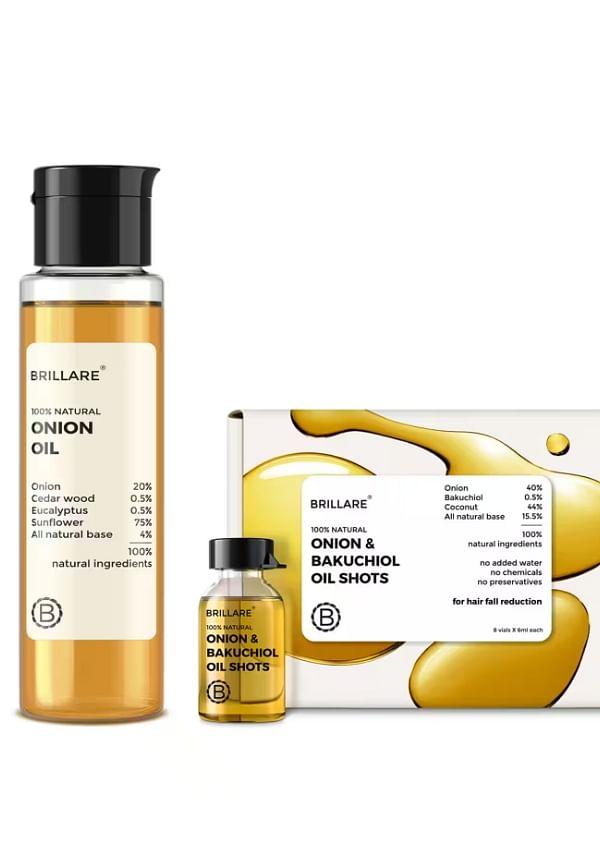
Hair & Scalp Treatment Duo for Dry, Frizzy & Hair Fall-Prone Hair
Picture this: you've just stepped out of the house with perfectly styled hair, and then the first drops of rain hit. Within minutes, your sleek locks have transformed into a frizzy mess that seems to have a mind of its own. If this sounds familiar, you're definitely not alone. Millions of people across India struggle with common rainy hair issues every monsoon season, from uncontrollable frizz to sudden hair fall spikes. The combination of humidity, unexpected downpours, and that sticky feeling in the air can turn even the most well-behaved hair into a daily battle. But here's the thing—understanding why this happens and having the right solutions up your sleeve can completely change your rainy season hair game.
Let's get real about what's actually happening to your hair when the humidity levels spike. Your hair is basically a moisture magnet, and during rainy season, it's constantly trying to balance the moisture levels between itself and the surrounding air. When humidity is high, your hair absorbs water from the atmosphere, causing the hair shaft to swell and the cuticles to lift. This is why your hair suddenly feels thicker, looks puffier, and refuses to stay in place no matter how much product you use.
The structure of your hair plays a huge role in how severely you're affected by humidity hair tips become essential knowledge. Hair with damaged cuticles or naturally porous strands will absorb moisture much faster than healthy, sealed hair. This explains why some people can walk through a drizzle and come out looking like they've been styled by a professional, while others look like they've stuck their finger in an electrical socket after just stepping outside.
Think of your hair like a sponge—when it's healthy and properly sealed, it repels water. But when the cuticles are damaged or naturally raised, moisture rushes in and disrupts the hair's natural shape. This molecular process is what creates that dreaded frizzy hair humidity effect that makes your morning routine feel pointless.
It's not just the moisture that's causing chaos. Rainwater in urban areas often contains pollutants that can build up on your scalp and hair, making them feel heavier and greasier. The constant temperature changes between air-conditioned indoors and humid outdoors also shock your hair follicles, potentially triggering increased oil production and making your scalp feel uncomfortable.
Now that we understand the science, let's break down the specific problems you're probably dealing with. These rain hair problems tend to show up like clockwork every monsoon season, but knowing what's causing them is the first step to finding effective damp hair solutions.
Frizz is basically your hair's way of saying it's overwhelmed by moisture. When humidity levels rise above 60%, most hair types start showing signs of frizz, but curly and chemically treated hair are particularly vulnerable. The key is understanding that frizz isn't just about appearance—it's a sign that your hair's moisture balance is off.
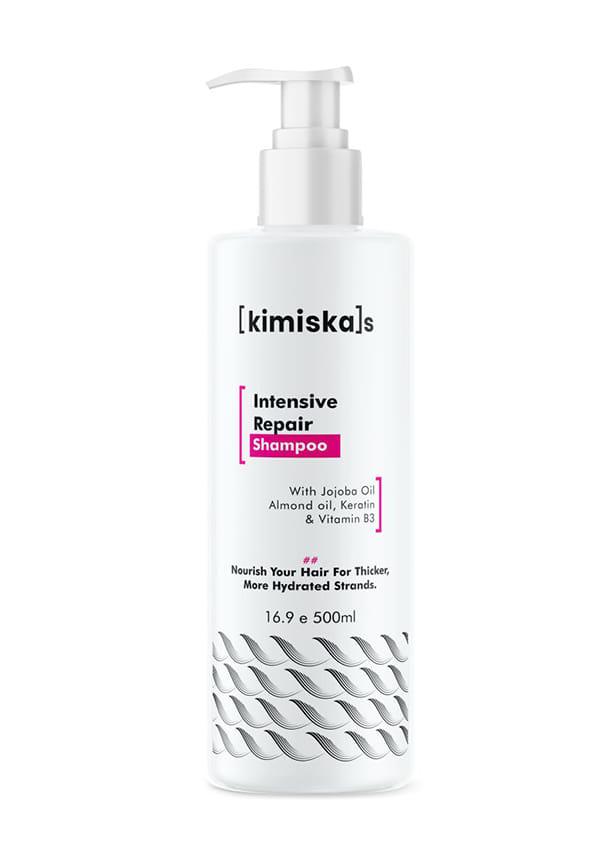
Intensive Hair Repair Shampoo for Dry and Frizzy Hair
Many people notice increased hair shedding during rainy months, and there are several reasons for this. The constant dampness can create an ideal environment for scalp infections, while the stress of dealing with unmanageable hair can actually trigger hair fall. Plus, if you're washing your hair more frequently to combat greasiness, you might be over-cleansing and weakening your strands.
Humidity creates the perfect breeding ground for fungal and bacterial growth on your scalp. If you're noticing more flakes or itchiness during rainy season, it's likely because moisture is getting trapped against your scalp and creating an unhealthy environment.
Your scalp might be overcompensating for the humid conditions by producing extra oil. This is especially common if you're using heavy products to combat frizz, as they can build up and make your roots look greasy faster than usual.
The good news is that with the right approach to hair care rainy season doesn't have to be a nightmare. Professional stylists and trichologists have developed specific strategies that work with your hair's natural tendencies rather than fighting against them. The key is creating a routine that protects your hair before problems start, rather than trying to fix them after they've already appeared.
Start by switching to products specifically formulated for humid conditions. Look for shampoos that gently cleanse without stripping natural oils, and conditioners that seal the hair cuticle to prevent moisture from penetrating. Anti frizz hair products containing silicones can create a protective barrier, but use them sparingly to avoid buildup.
Your product arsenal needs to include a few key players: a clarifying shampoo for weekly deep cleans, a moisture-balancing conditioner, a leave-in treatment with humidity-blocking properties, and a lightweight serum for daily protection. The trick is layering these products correctly—too much and you'll weigh your hair down, too little and you won't get adequate protection.
Start with damp (not soaking) hair and apply your leave-in treatment from mid-length to ends. Follow with a small amount of anti-frizz serum, focusing on the areas that tend to get most unruly. If you're air-drying, scrunch gently with a microfibre towel and avoid touching your hair until it's completely dry.
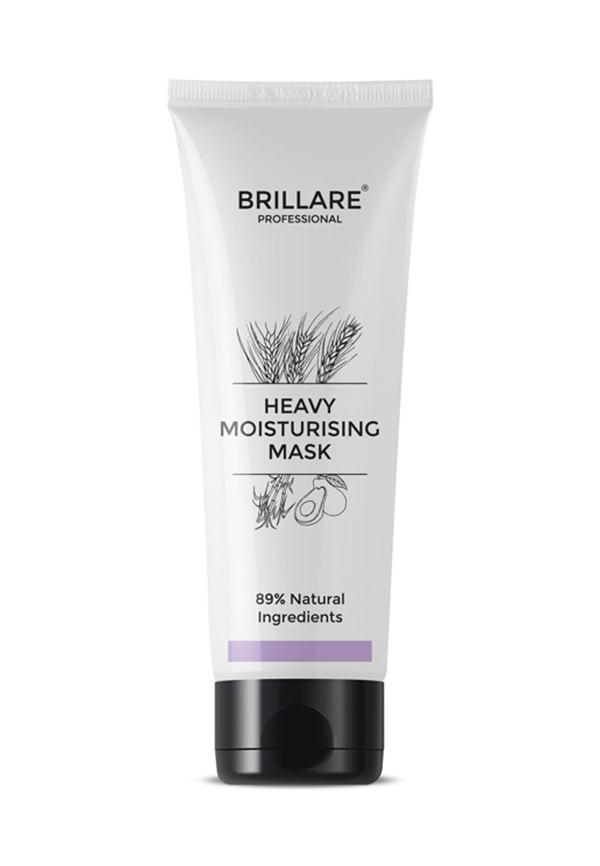
Conditioner For Dry, Frizzy Hair
Sometimes the best defence is a good offence. Protective styles like braids, buns, or twisted updos can shield your hair from humidity while still looking polished. Keep a few hair ties and bobby pins handy for emergency touch-ups when caught in unexpected downpours.
Prevention is always better than cure, especially when it comes to humidity hair tips that actually work long-term. Think of this as building your hair's natural defences rather than constantly battling the elements. Strong, healthy hair with intact cuticles will always perform better in humid conditions than damaged, porous strands.
Regular deep conditioning treatments become non-negotiable during monsoon season. Your hair needs extra moisture from the inside to prevent it from desperately grabbing moisture from the air. Schedule weekly protein treatments if your hair is chemically processed, and monthly ones if it's natural. This helps maintain the hair's structural integrity and reduces porosity.
About a month before monsoon season hits, start preparing your hair with intensive conditioning treatments and regular trims to remove damaged ends. Consider getting a professional consultation to assess your hair's porosity levels and customise your routine accordingly.
Apply a heat protectant even if you're air-drying, as it often contains humidity-blocking ingredients. Keep a silk or satin scarf handy for covering your hair during sudden downpours, and always have a backup hairstyle plan for particularly humid days.
Professional hairstylists who work in humid climates have developed some clever tricks that go beyond basic product application. One of the most effective techniques is the "plopping" method for curly hair—wrapping damp hair in a cotton t-shirt to absorb excess moisture without disturbing the curl pattern. For straight hair, the "tension method" of blow-drying with a round brush can create a smoother cuticle that resists humidity better.
Temperature control is another professional secret. Using lukewarm water for washing and finishing with a cool rinse helps seal the hair cuticles. Hot water opens the cuticles and makes your hair more susceptible to humidity, while cold water seals them shut for better protection.
If your budget allows, consider professional treatments like keratin smoothing or hair botox before monsoon season. These treatments temporarily seal the hair cuticle and can provide up to three months of frizz protection. However, they're not suitable for all hair types, so consult with a professional first.
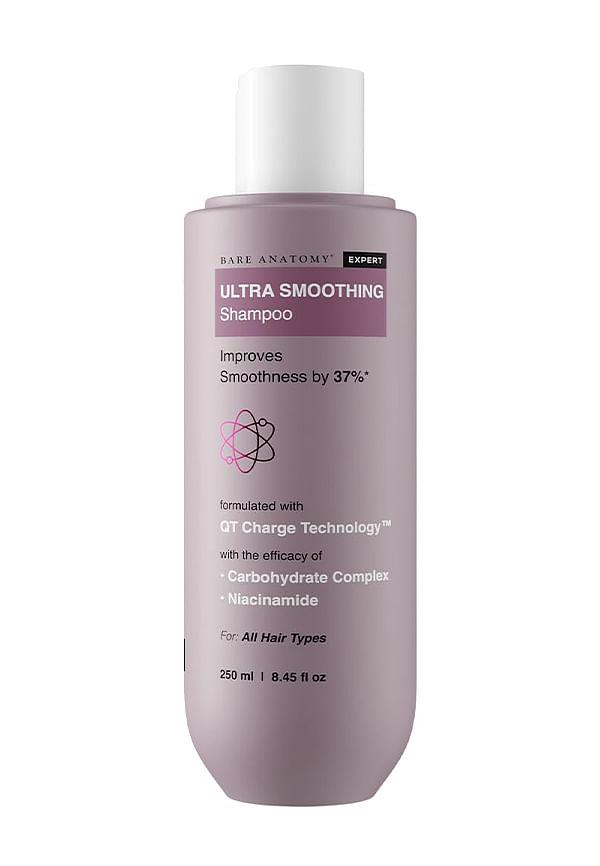
Ultra Smoothing Shampoo for Dry and Frizzy Hair
Apple cider vinegar rinses can help balance your scalp's pH and seal hair cuticles naturally. Mix one part vinegar with three parts water and use as a final rinse after shampooing. Aloe vera gel makes an excellent natural leave-in treatment that provides moisture without weighing hair down.
While rainy weather doesn't directly impact hair growth rates, the increased humidity can affect scalp health, which indirectly influences hair growth. Poor scalp conditions due to trapped moisture and bacterial growth can slow down healthy hair production. However, the extra moisture in the air can actually be beneficial for dry, damaged hair when managed properly.
Many people do experience increased hair shedding during monsoon season, but this is usually temporary and related to scalp health rather than permanent hair loss. The combination of humidity, frequent washing, and potential scalp infections can trigger telogen effluvium—a temporary increase in hair shedding that typically resolves once conditions improve.
Focus on maintaining scalp health, using humidity-blocking products, and protecting your hair from getting soaked. Wash your hair when it feels dirty rather than sticking to a rigid schedule, and always ensure your hair and scalp are completely dry before going to bed to prevent fungal growth.
The most effective approach combines proper product selection with correct application techniques. Use leave-in treatments on damp hair, avoid touching your hair once it's styled, and consider protective hairstyles on particularly humid days. Sleeping on silk pillowcases can also help maintain your style overnight.
Look for shampoos labelled as "humidity-resistant," "anti-frizz," or "smoothing." These typically contain ingredients like silicones, proteins, or natural oils that help seal the hair cuticle. Avoid sulphate-heavy formulas that can strip natural oils and make your hair more porous and frizz-prone.
Dealing with common rainy hair issues doesn't have to mean hiding under hats for three months of the year. With the right understanding of how humidity affects your hair and a targeted approach to prevention and treatment, you can actually enjoy healthy, manageable hair throughout monsoon season. Remember that consistency is key—it's better to follow a simple routine religiously than to try complex treatments sporadically.
The most important thing to remember is that every hair type responds differently to humidity, so what works for your friend might not work for you. Pay attention to how your hair behaves in different conditions and adjust your routine accordingly. Not sure which products might work best for your specific hair concerns? Smytten offers trial-size versions of many humidity-fighting hair products—a smart way to test different formulations before investing in full-size bottles.
