Coarse Hair Care FAQ: Your Top Questions Answered


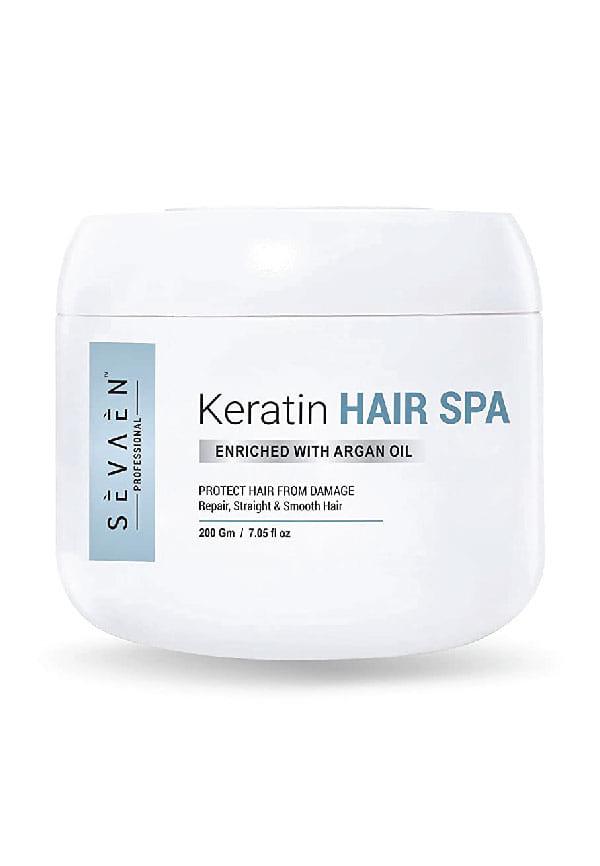 200 gm
Keratin Smooth Deep Smoothening Spa, With Argan Oil And Sea Butter
You know that moment when you run your fingers through your hair and it feels like you're touching a broom? Yeah, we've all been there. Coarse hair can feel like it has a mind of its own—thick, stubborn, and seemingly impossible to tame. But here's the thing: coarse hair isn't broken hair that needs fixing. It's just hair that needs the right kind of love and attention. Whether you're dealing with naturally thick strands or hair that's become coarse due to damage, the good news is that with the right approach, you can absolutely work with your hair texture instead of against it.
Let's start with the basics because understanding your hair texture is honestly half the battle won. Coarse hair refers to the thickness of individual hair strands, not the density of hair on your head. Think of it this way: if fine hair is like silk thread, coarse hair is more like yarn—thicker, stronger, but also more prone to dryness and frizz.
The easiest way to figure out if you have coarse hair is the strand test. Take a single strand of clean, dry hair and roll it between your fingers. If you can clearly feel the strand and it feels thick or rough, you've got coarse hair. Fine hair would be barely noticeable, while medium hair falls somewhere in between.
Coarse hair typically has a larger diameter and a more raised cuticle layer. This structure makes it naturally more porous, which means it loses moisture faster but also absorbs products more readily. Understanding this helps explain why your hair might feel dry even after conditioning, or why it takes forever to air dry.
Sometimes coarse hair is just genetics—thanks, family! But other times, it's your hair's way of telling you something's up. Iron deficiency can actually change your hair texture, making it coarser and more brittle. Same goes for calcium deficiency, which can affect the hair's structure over time.
Heat damage is another major culprit. All those years of blow-drying, straightening, and curling can literally change your hair's protein structure, making it feel coarser and more unmanageable. Chemical processing like bleaching or frequent colouring can have similar effects.
Real talk: coarse hair care isn't about using more products—it's about using the right ones in the right way. The key is moisture, moisture, and more moisture, but delivered in a way that doesn't weigh your hair down or leave it feeling greasy.
First up, let's talk washing frequency. If you're washing your coarse hair daily, stop right there. Coarse hair produces less natural oil than fine hair, so overwashing just strips away what little moisture you have. Aim for 2-3 times a week max, and always use lukewarm water. Hot water might feel amazing, but it's basically opening up your hair cuticles and letting all the moisture escape.
When you do wash, section your hair. This isn't just for show—thick, coarse hair needs proper sectioning to ensure every strand gets clean and conditioned. Work in quarters or smaller sections, especially if your hair is long.
Your shampoo choice can make or break your coarse hair routine. Look for sulfate-free formulas that cleanse without stripping. Ingredients like glycerin, hyaluronic acid, and natural oils are your friends here. Avoid anything with high alcohol content—it'll just dry your hair out more.
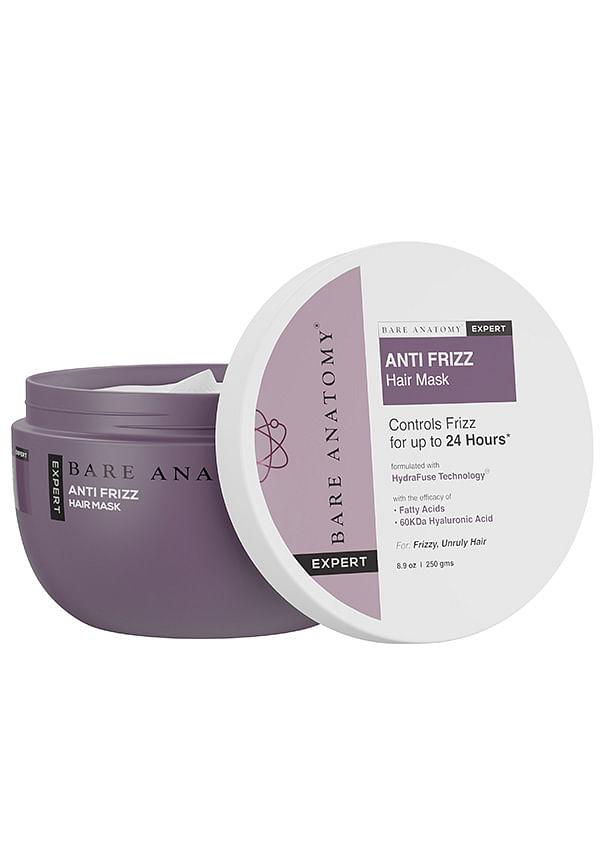 250 gm
Anti-Frizz Hair Mask For Smooth Hair With Hyaluronic Acid
Consider doing a pre-shampoo treatment once a week. Apply a lightweight oil like argan or jojoba to your hair before shampooing. This creates a protective barrier that prevents your shampoo from being too harsh.
If regular conditioning is like giving your hair a drink of water, deep conditioning is like giving it a full spa day. Coarse hair needs this level of hydration at least once a week, sometimes more if your hair is particularly dry or damaged.
The trick with deep conditioning coarse hair is to focus on the mid-lengths and ends, where your hair is oldest and most likely to be damaged. Your roots don't need as much moisture, and overconditioning there can make your hair look greasy.
Hot oil treatments are absolutely worth trying for coarse hair. Coconut oil works well for most people, but if your hair is protein-sensitive, try lighter oils like argan or sweet almond oil. Warm the oil slightly (not hot!), apply it to damp hair, and leave it on for 30 minutes to an hour before shampooing.
Sometimes the best hair hydration comes from your kitchen. A simple avocado and honey mask can work wonders for dry coarse hair. Mash half an avocado with two tablespoons of honey, apply to damp hair, and leave for 20 minutes. The avocado provides moisture and healthy fats, while honey is a natural humectant that helps your hair retain moisture.
Another game-changer is the overnight treatment. Apply a small amount of lightweight oil to your hair before bed, braid it loosely, and sleep on a silk pillowcase. You'll wake up with softer, more manageable hair.
Frizzy coarse hair is basically a double challenge, but it's totally manageable with the right approach. The key is understanding that frizz often comes from moisture imbalance—either your hair is too dry, or humidity is causing it to absorb moisture unevenly.
Anti-frizz serums can be helpful, but don't go overboard. A little goes a long way with coarse hair, and too much product can make your hair look heavy and greasy. Apply serum to damp hair, focusing on the areas that tend to get most frizzy.
Your drying method matters more than you might think. If you're roughly towel-drying your hair, you're basically asking for frizz. Instead, gently squeeze out excess water with a microfiber towel or even a cotton t-shirt. If you must blow-dry, use a diffuser on low heat and scrunch your hair upwards.
Thick hair tips often focus on thinning out the hair, but that's not always the answer. Sometimes it's about working with your hair's natural volume and texture. When applying styling products, section your hair and distribute products evenly. This ensures every strand gets the protection and hold it needs.
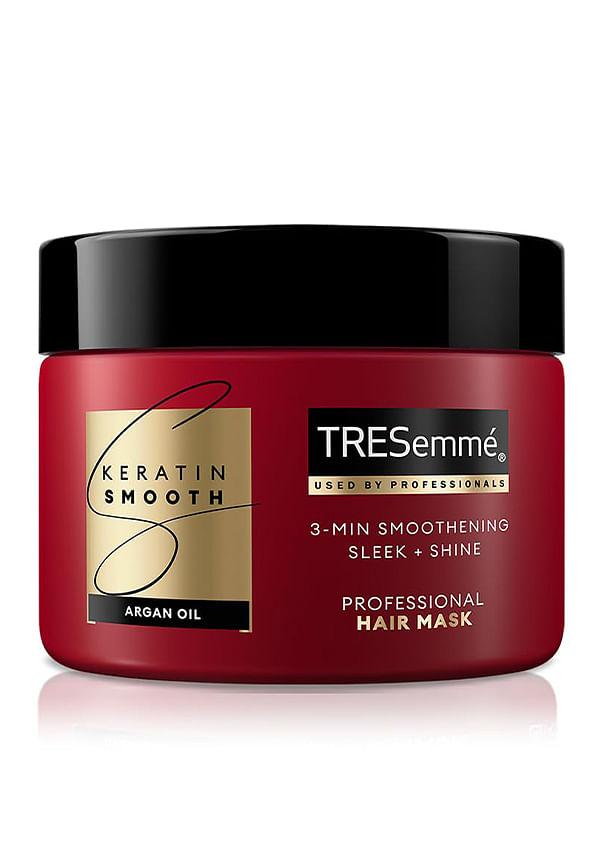 100 ml
Keratin Smooth Deep Smoothing Mask
Heat protectant is non-negotiable if you're using any hot tools. Coarse hair can handle more heat than fine hair, but that doesn't mean it's immune to damage. Keep your tools on medium heat and always use a protectant spray or cream.
Hair breakage in coarse hair often happens because the hair is dry and brittle, not because it's weak. The solution isn't to baby your hair, but to keep it properly moisturised and handle it gently when it's wet.
Wet hair is at its most vulnerable, so this is when you need to be extra careful. Always detangle with a wide-tooth comb, starting from the ends and working your way up. Never brush wet coarse hair—you're just asking for breakage.
Split ends are unfortunately a fact of life with coarse hair, especially if it's long. The best prevention is regular trims every 6-8 weeks and keeping your hair well-moisturised. When you do notice split ends, get them trimmed ASAP—they'll only travel up the hair shaft if left alone.
Protective styles aren't just for textured hair—they work for anyone with coarse hair who wants to minimise manipulation and breakage. Simple braids, buns, or even just sleeping with your hair in a loose plait can help prevent tangles and breakage.
Silk or satin pillowcases are worth the investment. They create less friction than cotton, which means less frizz and breakage while you sleep. If you can't switch pillowcases, a silk scarf wrapped around your hair works just as well.
The most effective natural approach is consistent deep conditioning with natural oils and ingredients. Try weekly treatments with coconut oil, argan oil, or DIY masks using avocado and honey. Regular use of leave-in conditioners and avoiding heat styling will also help soften your hair over time. Remember, it's about consistency rather than quick fixes.
Iron deficiency is the most common nutritional cause of changes in hair texture, often making hair feel coarser and more brittle. Calcium deficiency can also affect hair structure. However, coarse hair is often simply a natural hair texture rather than a sign of deficiency. If you're concerned about sudden changes in your hair texture, it's worth checking with a healthcare provider.
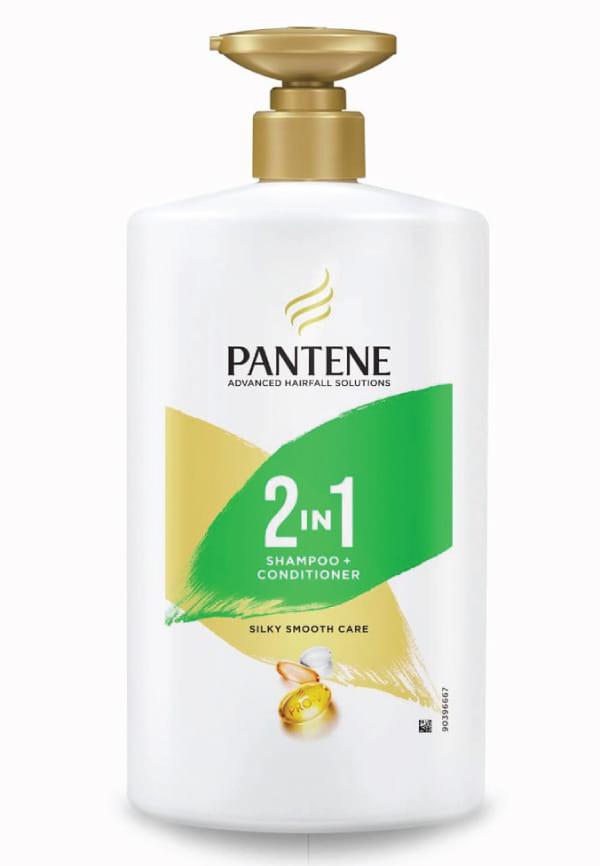 1000ml
2 in 1 Silky Smooth Care Shampoo + Conditioner
While you can't completely change your natural hair texture, you can definitely make coarse hair feel softer and more manageable. With proper hydration, regular deep conditioning, and the right products, coarse hair can become much silkier to the touch. The key is working with your natural texture rather than fighting against it.
Most people with coarse hair benefit from deep conditioning once a week. If your hair is particularly dry or damaged, you might need to do it twice a week initially. Pay attention to how your hair feels—if it starts feeling heavy or greasy, you might be overdoing it. If it still feels dry and brittle, you might need more frequent treatments.
Avoid products with high alcohol content, harsh sulfates, and drying ingredients like isopropyl alcohol. Also be cautious with products containing too much protein if your hair is already strong—coarse hair often needs more moisture than protein. Always read ingredient lists and avoid anything that makes your hair feel dry or straw-like.
Air drying is generally gentler for coarse hair, but it can take forever and sometimes leads to frizz if not done properly. If you blow dry, use a heat protectant, keep the temperature on medium, and use a diffuser if you have any natural texture. The key is finding what works for your lifestyle while minimising damage.
Coarse hair has a rougher cuticle surface, which means strands can catch on each other more easily. This is especially true when your hair is dry or damaged. Regular conditioning, using detangling sprays, and sleeping with your hair protected can help reduce tangling. Always detangle gently when hair is damp, never when it's completely wet or bone dry.
Yes, even though coarse hair is generally stronger than fine hair, excessive heat styling can still cause damage. The damage might show up as increased dryness, frizz, or changes in texture rather than obvious breakage. Always use heat protectant and try to limit heat styling to a few times a week maximum.
Managing coarse hair is all about understanding what your hair needs and giving it exactly that. Your hair texture isn't something to fight against—it's something to work with. The right combination of gentle cleansing, deep conditioning, and protective styling can transform how your hair looks and feels.
Remember that consistency is key. You won't see dramatic changes overnight, but stick with a good routine for a few weeks and you'll definitely notice a difference. Your coarse hair can be your crowning glory with the right care approach.
If you're still figuring out which products work best for your specific hair needs, exploring different formulations through trial sizes can be a smart approach. Smytten offers trial-size versions of many haircare products from trusted brands—a practical way to test what works for your coarse hair before investing in full-size bottles.
