Causes of Rainy Hair FAQ: Understanding Frizz and Humidity


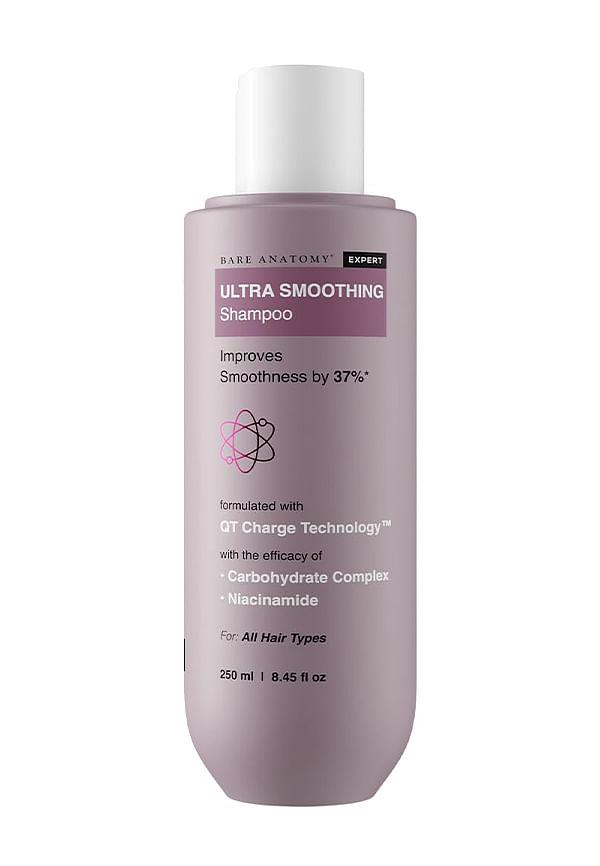
Ultra Smoothing Shampoo for Dry and Frizzy Hair
You know that moment when you step outside on a humid morning, and within minutes your perfectly styled hair transforms into a frizzy, unmanageable mess? Or when a sudden downpour leaves your hair looking like you've been electrocuted? You're definitely not alone in this struggle. The causes of rainy hair go beyond just getting wet – it's actually a complex reaction between your hair's structure and the moisture-heavy environment around you. Let's dive into the science behind why humidity and rain wreak havoc on our hair, and more importantly, what you can actually do about it.
Real talk – understanding why your hair goes rogue in humid weather starts with knowing what's happening at the microscopic level. Your hair isn't just being dramatic; there's actual science behind the chaos.
Think of your hair like a sponge with a protective outer layer. When humidity levels spike, your hair cuticles (those tiny overlapping scales on each strand) start to lift and separate. This creates gaps where moisture can sneak in and mess with your hair's internal structure. The hydrogen bonds that keep your hair smooth get disrupted, causing those dreaded frizzy tendrils that seem to have a mind of their own. Hair frizz humidity is basically your strands trying to balance their internal moisture with the water-heavy air around them – and losing the battle spectacularly.
Here's where things get interesting – not all hair reacts the same way to humid weather hair conditions. If you've got high porosity hair (think damaged, chemically treated, or naturally porous strands), you're basically dealing with hair that's extra thirsty for moisture. These strands absorb humidity like crazy, leading to more dramatic frizz and volume changes. Low porosity hair, on the other hand, might resist moisture initially but can still fall victim to surface frizz when the humidity really cranks up.
Let's break down exactly what's causing your hair to rebel during monsoon season. Spoiler alert: it's not just the rain itself that's the problem.
When humidity levels hit 60% or higher (which is basically every day during monsoon), your hair starts absorbing moisture from the air faster than you can say "bad hair day." But it's not just about the moisture – acid rain and pollutants can actually change your hair's pH balance, making it more susceptible to damage and frizz. Those constant temperature fluctuations between air-conditioned spaces and the humid outdoors? They're basically giving your hair whiplash, causing the cuticles to expand and contract repeatedly.
Your scalp becomes a breeding ground for issues when it's constantly damp from humidity and rain. Fungal infections become more common because moisture gets trapped against your scalp, especially if you're not drying your hair properly. This constant dampness can weaken your hair follicles, leading to increased hair fall that goes beyond normal shedding. The pH imbalance from rainwater exposure can also disrupt your scalp's natural protective barrier, making everything worse.
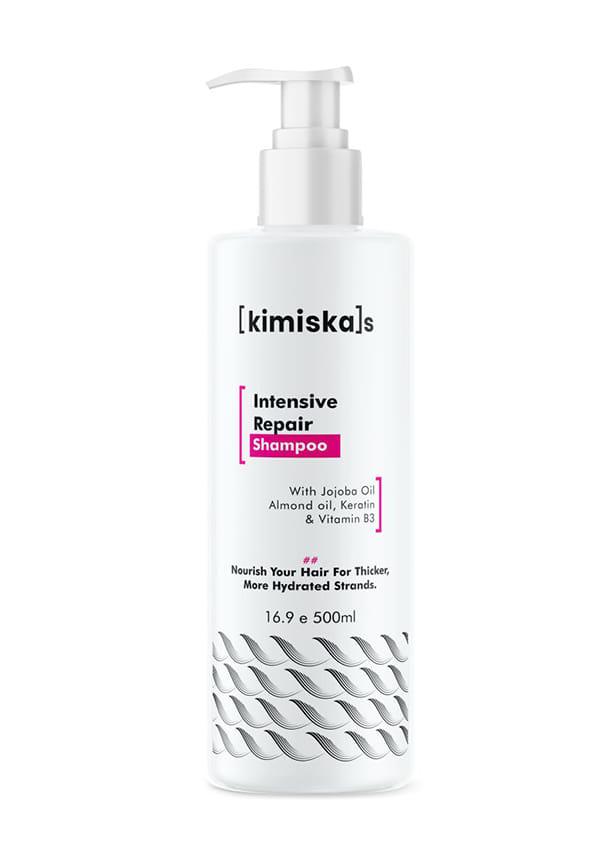
Intensive Hair Repair Shampoo for Dry and Frizzy Hair
Let's be honest – most of us make our rainy day hair problems worse without realising it. Over-washing your hair because it feels greasy from humidity actually strips away natural oils that protect against moisture absorption. Using the wrong products for humid weather (like heavy creams that just sit on your hair) can make frizz worse. And don't get me started on heat styling in high humidity – you're basically fighting a losing battle against physics.
Understanding the difference between what happens to your hair immediately versus over time can help you tackle both the symptoms and the root causes of rainy hair issues.
The instant your hair hits humid air, you'll notice volume changes, frizz appearing out of nowhere, and your carefully planned hairstyle falling flat or puffing up unpredictably. Tangles and knots become more frequent because lifted cuticles catch on each other. Your hair might feel rough or dry even though there's moisture everywhere – that's because the moisture isn't being absorbed evenly.
Constant exposure to humidity without proper protection can lead to chronic hair fall patterns that extend beyond normal seasonal shedding. The repeated swelling and contracting of your hair shaft can weaken its overall structure, making it more prone to breakage. Over time, this can change your hair's natural texture and make it harder to manage even in normal weather conditions.
Now for the good stuff – actual solutions that work. These aren't just temporary fixes; they're strategies that address the root causes of humidity-related hair issues.
The key to how to prevent frizzy hair starts before you even step outside. Apply anti frizz products to damp (not soaking) hair, focusing on the mid-lengths and ends where damage is typically worst. Protective styling like loose braids or low buns can minimise your hair's exposure to humidity. Timing matters too – apply your products when humidity levels are lower (usually early morning or late evening) so they can set properly.
When you're caught in unexpected rain, resist the urge to touch or scrunch your hair. Instead, gently squeeze out excess water with a microfibre towel or even a cotton t-shirt. If you've got frizzy hair solutions on hand like a smoothing serum, apply a tiny amount to the surface of your hair – don't work it through, just smooth it over the top layer.
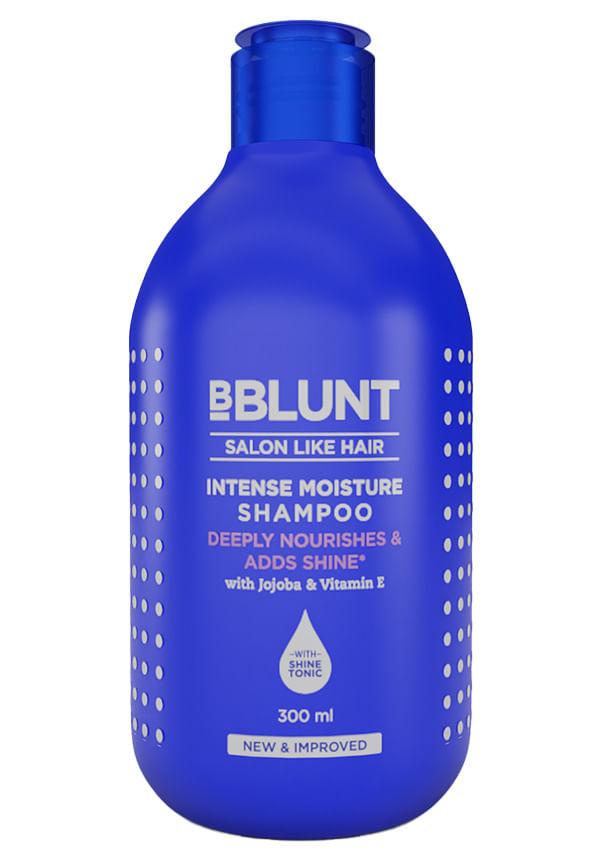
Intense Moisture Shampoo with Jojoba and Vitamin E for Dry & Frizzy Hair
Proper drying technique is crucial for haircare for rainy days. Never rub your hair with a regular towel – that just creates more frizz. Instead, gently press and squeeze to remove moisture. If you must use heat, keep it on low and always use a heat protectant. Consider air-drying when possible, but make sure your hair is completely dry before going to bed to prevent scalp issues.
Not all hair products for humidity are created equal. The right products can make the difference between a good hair day and a complete disaster when the weather turns.
Anti-humidity serums and creams work by creating a barrier that prevents moisture from penetrating your hair shaft. Look for products with silicones like dimethicone or cyclomethicone – they're not evil, they're actually your best friends in humid weather. Moisture-blocking sprays can be applied as a final step to lock everything in place. pH-balancing shampoos help maintain your hair's natural protective barrier, making it less susceptible to humidity damage.
Silicones get a bad rap, but they're actually brilliant for managing frizzy hair in humid conditions. They create a protective film that blocks moisture while still allowing your hair to breathe. Protein treatments can strengthen damaged hair, making it less porous and therefore less likely to absorb excess moisture. However, avoid humectants like glycerin and honey in high humidity – they'll just pull more moisture from the air into your hair.
Home remedies like coconut oil masks can help, but they're not miracle cures for humidity-related frizz. They work best as preventative treatments rather than quick fixes. Professional treatments like keratin smoothing or protein treatments can provide longer-lasting results, especially if you're dealing with severely damaged or highly porous hair.
Different climates require different approaches to humidity hair care. What works in a dry climate won't necessarily work in a tropical monsoon environment.
In India's monsoon climate, you're dealing with not just high humidity but also sudden temperature changes and heavy rainfall. The causes of rainy hair here are intensified by the sheer duration of the humid season. Your hair care routine needs to be more intensive and consistent. Consider switching to lighter, water-based products during monsoon season, and don't skip the scalp care – fungal issues are more common in these conditions.
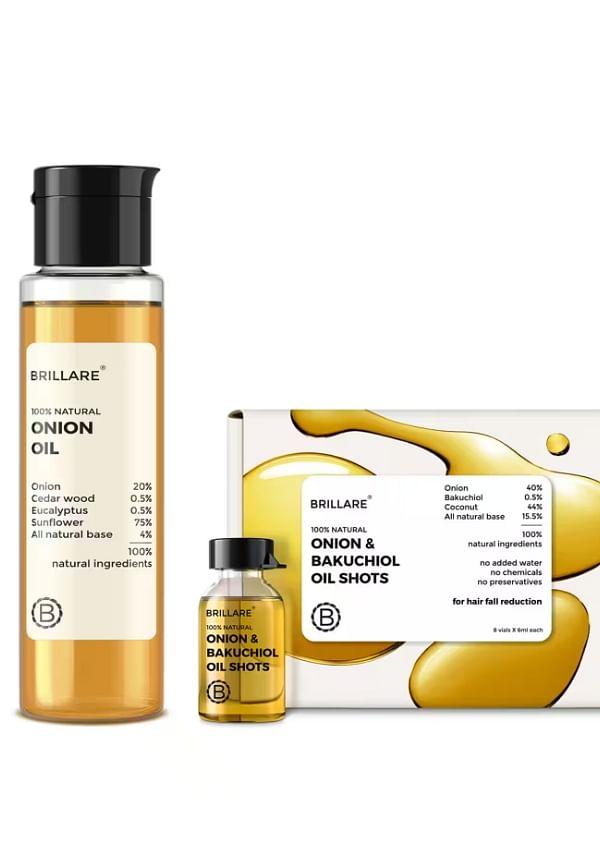
Hair & Scalp Treatment Duo for Dry, Frizzy & Hair Fall-Prone Hair
In areas with moderate humidity and occasional rain, you can get away with lighter protection. The key is having products ready for when humidity spikes rather than maintaining an intensive routine year-round. Your hair might actually benefit from some of the extra moisture in the air, so don't over-protect and end up with dry, brittle strands.
Start with scalp protection using lightweight oils like jojoba or argan oil before heading out in the rain. When you get caught in a downpour, gently remove excess water without rubbing, and make sure to dry your scalp completely afterwards. Use a wide-tooth comb on damp hair to prevent breakage, and consider a scalp massage with antifungal ingredients like tea tree oil to prevent moisture-related scalp issues that can lead to hair fall.
Monsoon hair fall happens because constant humidity weakens your hair follicles and creates an environment where scalp infections can thrive. The moisture makes your hair shaft swell and contract repeatedly, weakening the structure. Additionally, the lack of sunlight during rainy season can affect your vitamin D levels, which plays a role in hair health. Your scalp also produces more oil to compensate for the humidity, which can clog follicles if not properly managed.
Most monsoon-related hair fall is temporary and will regrow once the season ends and your hair adjusts back to normal humidity levels. However, this typically takes 2-3 months after the monsoon season ends. If you're still experiencing excessive hair fall 4-6 months post-monsoon, it might indicate underlying scalp damage or nutritional deficiencies that need addressing. Consistent scalp care during monsoon season can help minimise the recovery time.
Frizz is a temporary styling issue where your hair cuticles lift due to humidity, creating a rough, unmanageable texture. It's reversible with the right products and techniques. Hair fall, on the other hand, is when strands actually detach from your scalp due to weakened follicles or damaged hair shafts. While frizz affects how your hair looks, hair fall affects how much hair you actually have. Both can be triggered by humidity, but they require different treatment approaches.
For immediate frizz control, good anti-humidity products should work within minutes of application. However, for long-term improvement in how your hair handles humidity, you're looking at 4-6 weeks of consistent use. Professional treatments like keratin smoothing show results immediately but reach their full effectiveness after 2-3 washes. The key is consistency – sporadic use of anti-frizz products won't give you the cumulative benefits that regular use provides.
Understanding the causes of rainy hair is the first step towards actually managing it effectively. Your hair isn't being difficult – it's responding to environmental changes in predictable ways. The combination of humidity, temperature fluctuations, and moisture exposure creates the perfect storm for frizz and hair fall, but with the right knowledge and products, you can definitely get ahead of the problem. Remember that consistency is key – sporadic treatments won't give you the results that a well-planned routine will. Whether you're dealing with immediate frizz or long-term hair fall, addressing both the symptoms and the underlying causes will give you the best results. Not sure which products might work best for your specific hair type and concerns? Smytten offers trial-size versions of many anti-frizz and humidity-fighting products – a smart way to test what works for your hair before investing in full-size bottles.
