Biotin Hair Growth Cycle FAQ: Your Questions Answered

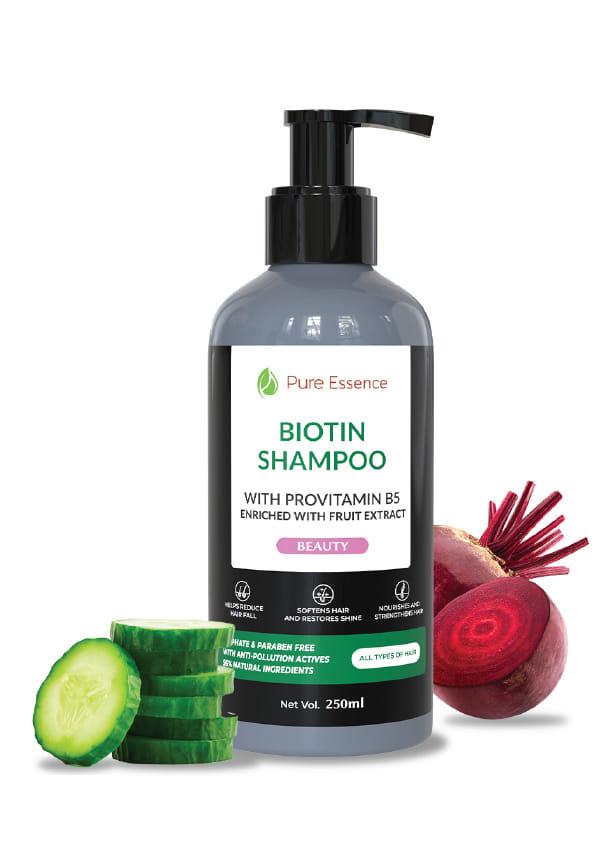
Biotin Shampoo | Softens Hair | Nourishes Scalp | Lowers Hairfall
You've been taking biotin for weeks, maybe even months, and you're still staring at your reflection wondering when the magic will happen. Your hair feels the same, looks the same, and you're starting to question if those glowing reviews were just wishful thinking. Real talk — biotin isn't a miracle worker, but understanding how it actually works with your hair growth cycle might just change your entire approach to hair health.
Before diving into biotin's role, let's get clear on how your hair actually grows. Your hair follicle health depends on a complex four-phase cycle that's been happening on your scalp since birth, whether you're aware of it or not.
The anagen phase is where the real action happens — this is when your hair is actively growing. For most people, this lasts anywhere from two to seven years, which explains why some people can grow waist-length hair whilst others max out at shoulder length. During this time, cells in your hair follicles are dividing rapidly, creating the hair shaft that pushes up through your scalp.
Next comes the catagen phase, a brief two to three week transition period where growth stops and the hair follicle shrinks. Think of it as your hair taking a breather. The telogen phase follows — a three-month resting period where your hair just hangs out, fully formed but no longer growing. Finally, the exogen phase is when that hair naturally sheds to make room for new growth.
Here's what matters for anyone considering hair growth supplements: you can't rush this cycle. Your hair follicles are on their own timeline, and any intervention — including biotin — has to work within these natural phases. Understanding this helps set realistic expectations about when you might see results from any hair loss treatment.
Biotin, also known as vitamin B7, is a water-soluble vitamin that plays a crucial role in keratin production — the protein that makes up your hair, skin, and nails. You'll find biotin naturally in foods like eggs, nuts, seeds, and leafy greens, but many people don't get enough through diet alone.
When it comes to biotin for hair, the science is pretty straightforward. Biotin helps your body metabolise proteins and fats, which are essential building blocks for healthy hair. It also supports the production of keratin, giving your hair its structure and strength. Without adequate biotin, your hair can become brittle, thin, and more prone to breakage.
Biotin deficiency is relatively rare, but when it happens, hair loss is often one of the first signs. Other symptoms include brittle nails, skin rashes, and fatigue. However — and this is important — just because biotin deficiency causes hair loss doesn't mean biotin supplements will cure all types of hair loss. Most hair loss in healthy adults is due to genetics, hormones, or other factors that biotin can't address.
The biotin benefits for hair are most noticeable in people who are actually deficient. If your biotin levels are already adequate, supplementing might improve hair quality and strength, but it won't necessarily speed up growth or reverse genetic hair loss patterns.
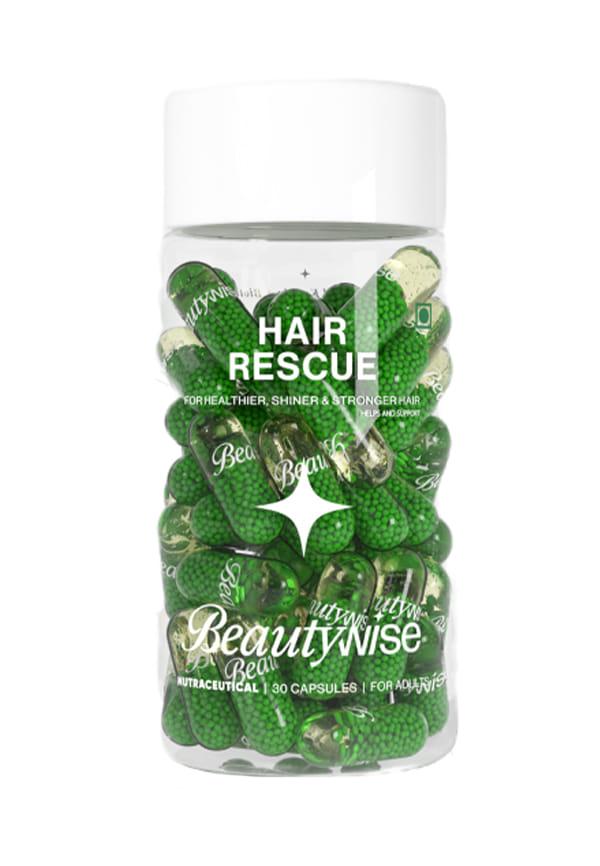
Hair Rescue, Hair Aminos, Vitamins, DHT Blocker for Hairfall Control & Growth
Let's be real about the biotin hair growth cycle timeline. Those before-and-after photos showing dramatic results in four weeks? Probably not just biotin at work.
In the first two to four weeks, you're in what we call the foundation phase. Your body is building up biotin levels and starting to support better keratin production, but you won't see visible changes yet. Your hair that's currently growing was formed weeks ago, so any improvements are happening at the root level where you can't see them.
At six to eight weeks, you might notice your hair feels slightly stronger or breaks less when you brush it. This is when the hair that started growing after you began supplementing reaches a length where you can actually assess its quality. Some people report their hair feels thicker during this phase, though actual thickness changes take much longer.
The three to six month mark is when most people see genuine improvements if they're going to see them at all. Hair that's been growing with adequate biotin support is now long enough to make a noticeable difference in overall hair quality. You might see less breakage, improved shine, and potentially some increase in hair density if you were previously deficient.
After six months, you're looking at long-term benefits and maintenance. If biotin is going to help promote hair growth for your specific situation, you'll know by now. This is also when you can make informed decisions about continuing supplementation or exploring other approaches to healthy hair.
Here's where things get interesting. The research on hair growth vitamins, specifically biotin, is limited but telling. Most studies showing positive results focus on people with diagnosed biotin deficiency or specific genetic conditions affecting biotin metabolism.
A 2017 review published in the journal Skin Pharmacology and Physiology found that biotin supplementation improved hair growth in people with underlying deficiencies, but there's limited evidence for benefits in healthy individuals. The studies that do exist often have small sample sizes or lack proper control groups.
What dermatologists consistently point out is that biotin works best as part of a comprehensive approach to hair health. If you're dealing with hair loss due to hormonal changes, genetics, or medical conditions, biotin alone isn't likely to be your solution. However, it can support overall hair follicle health when combined with other treatments.
The people who see the most dramatic results from biotin supplementation are typically those who were deficient to begin with. If you're already getting adequate biotin from your diet and don't have absorption issues, adding more might not make a significant difference. Think of it like watering a plant — if the soil is already moist, more water won't make it grow faster.

Hair Revive | Plant Based Biotin | Promotes Healthy Hair and Fights Hair Fall
Most hair growth supplements contain between 2,500 to 10,000 micrograms of biotin, which is significantly higher than the recommended daily intake of 30 micrograms for adults. While biotin is water-soluble and excess amounts are typically excreted through urine, these high doses can still cause issues.
The most common side effects include digestive upset, skin breakouts, and interactions with certain medications. More concerning is biotin's interference with lab tests. High-dose biotin can affect thyroid function tests, cardiac markers, and hormone levels, potentially leading to misdiagnosis if your healthcare provider isn't aware of your supplementation.
If you're considering biotin for hair loss treatment, start with a lower dose and monitor your response. Many people see benefits with 1,000 to 2,500 micrograms daily, which is less likely to cause side effects or lab interference. Always inform your doctor about biotin supplementation before any blood work.
For optimal absorption, take biotin with food and avoid taking it with raw egg whites, which contain avidin — a protein that binds biotin and prevents absorption. If you're taking other B vitamins, a B-complex supplement might be more beneficial than isolated biotin, as these vitamins work synergistically.
Biotin doesn't directly speed up hair growth — it supports the quality and strength of hair that's already growing. Since hair grows about half an inch per month regardless of supplementation, you're looking at three to six months to see noticeable improvements in hair quality and potentially some increase in density if you were previously deficient. Remember, biotin works within your natural hair growth cycle, not against it.
The most scientifically-backed treatments for hair regrowth are minoxidil, finasteride, and low-level laser therapy. Biotin falls into the supportive category rather than primary treatment. While these three target the underlying causes of pattern hair loss, biotin addresses nutritional support for hair follicle health. Many people combine biotin with these proven treatments for a comprehensive approach.
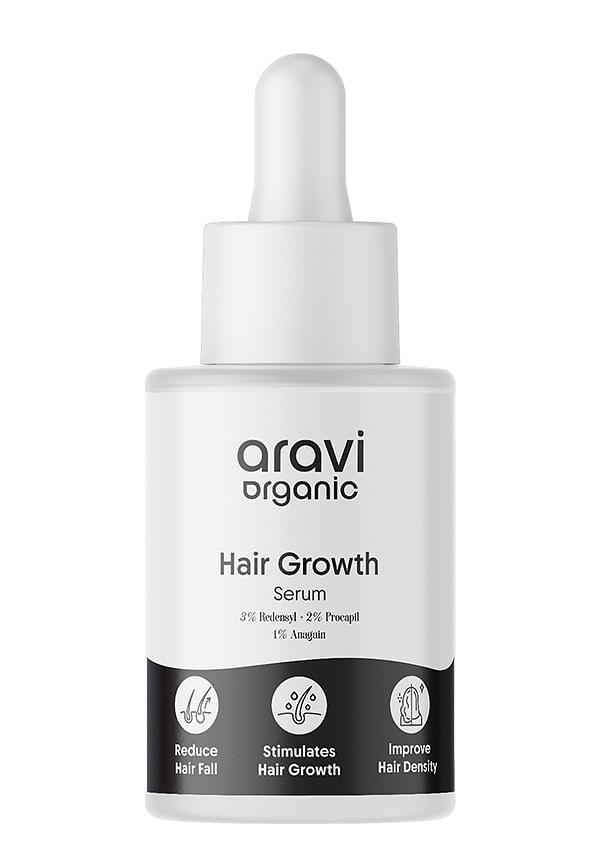
Hair Growth Serum-Redensyle, Anagain, Procapil, Biotin
Yes, high-dose biotin can interfere with various lab tests, including AMH (anti-Müllerian hormone) and PSA (prostate-specific antigen) levels. The interference can cause falsely high or low results depending on the specific test. If you're taking biotin supplements, stop them at least 72 hours before any blood work, or inform your healthcare provider so they can use biotin-resistant testing methods.
Realistic biotin results are subtle and gradual. You might notice less hair in your brush, improved hair texture, or slightly increased fullness over several months. Dramatic before-and-after transformations are usually due to multiple factors, not biotin alone. Document your progress with consistent lighting and hair styling to get an accurate picture of any changes.
Take biotin with food to improve absorption and reduce the chance of stomach upset. Start with a moderate dose of 1,000 to 2,500 micrograms daily rather than jumping to mega-doses. Consistency matters more than timing, so choose a time you'll remember daily. Avoid taking biotin with raw eggs or excessive amounts of alcohol, which can interfere with absorption.
Whilst biotin can support hair follicle health, healthy hair requires a comprehensive approach. Iron deficiency is actually a more common cause of hair loss in women than biotin deficiency, yet it gets far less attention. Zinc, vitamin D, and adequate protein intake are equally important for maintaining strong, healthy hair.
Your lifestyle plays a massive role in hair health too. Chronic stress can push hair follicles into the resting phase prematurely, leading to increased shedding. Poor sleep, extreme dieting, and harsh hair treatments can all undermine the benefits of any supplement routine, including biotin.
If you've been taking biotin for six months without seeing improvements, it might be time to look at other factors. Hormonal imbalances, thyroid issues, or underlying medical conditions could be affecting your hair growth cycle. A comprehensive blood panel can help identify nutritional deficiencies or health issues that might be contributing to hair concerns.
Consider working with a dermatologist or trichologist who can assess your specific situation. They might recommend treatments like topical minoxidil, prescription medications, or professional procedures that target your particular type of hair loss more effectively than supplements alone.
Biotin can be a valuable part of your hair health routine, but it's not a magic solution for all hair concerns. Understanding the hair growth cycle helps set realistic expectations — any improvements you see will happen gradually over months, not weeks. The people who benefit most from biotin supplementation are those with actual deficiencies or absorption issues.
If you're exploring hair growth supplements, remember that consistency and patience are key. Combine biotin with a balanced diet, gentle hair care practices, and stress management for the best results. And always consult with healthcare providers before starting any new supplement routine, especially if you have underlying health conditions or take medications.
For those looking to explore different hair care products and treatments, Smytten offers trial-size versions of various hair growth supplements and treatments from trusted brands. It's a practical way to test what works for your hair before committing to full-size products — because finding your perfect hair care routine shouldn't involve guesswork or expensive mistakes.
