Best Shampoo for Oil: Your Complete FAQ Guide

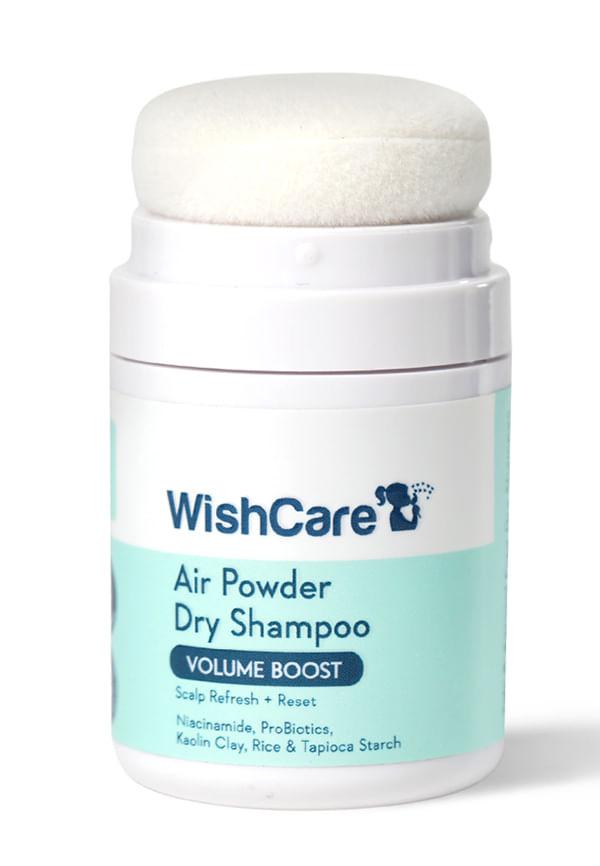
Air Powder Dry Shampoo for Oily Hair & Scalp
You know that feeling when you wash your hair in the morning, and by lunchtime it already looks like you haven't shampooed in days? If your scalp feels like it's working overtime producing oil, you're definitely not alone. Finding the right shampoo for oily hair can feel like searching for a needle in a haystack, especially when every product promises to be the ultimate solution. Let's cut through the noise and get real about what actually works for managing greasy hair and oily scalps.
Before diving into product recommendations, it's worth understanding why some of us deal with oily hair whilst others seem blessed with perfectly balanced locks. Your scalp contains sebaceous glands that produce sebum—a natural oil designed to protect and moisturise your hair. When these glands go into overdrive, you end up with that greasy, weighed-down feeling that no amount of dry shampoo seems to fix.
Several factors influence how much oil your scalp produces. Hormones play a massive role, which explains why teenagers often struggle with oily hair, and why some women notice changes during their menstrual cycle or pregnancy. Genetics also have a say in this—if your parents dealt with oily hair, there's a good chance you will too. Environmental factors like humidity, stress levels, and even the products you use can trigger excess sebum production.
Your sebaceous glands respond to androgens, particularly dihydrotestosterone (DHT). When DHT levels spike, these glands pump out more oil than your hair actually needs. This is why hormonal fluctuations during puberty, menstruation, or times of high stress can leave your hair looking greasier than usual.
Real talk—if your hair feels greasy within 24 hours of washing, you're dealing with an oily scalp. Other telltale signs include roots that look flat and lifeless, hair that feels heavy or sticky to touch, and sometimes increased dandruff or scalp irritation. Your regular shampoo might not be cutting it if you find yourself reaching for dry shampoo every single day.
Not all shampoos are created equal when it comes to tackling oily hair. The most effective formulas contain specific ingredients designed to regulate sebum production and deeply cleanse without over-stripping your scalp. Understanding these ingredients helps you make smarter choices instead of just grabbing whatever's on sale.
Salicylic acid is your friend here—it's the same ingredient used in acne treatments because it can penetrate pores and break down oil buildup. In shampoo for oily scalp formulations, it helps exfoliate dead skin cells and unclog hair follicles. Tea tree oil offers natural antimicrobial properties whilst helping to balance oil production. Clay-based ingredients like bentonite or kaolin work like tiny magnets, absorbing excess sebum without being harsh on your scalp.
Alpha hydroxy acids (AHAs) provide gentle exfoliation and help remove product buildup that can make oily hair look even greasier. Zinc pyrithione not only controls oil but also tackles dandruff—a common companion to oily scalps. Charcoal has become popular in recent years for its ability to draw out impurities and excess oil.
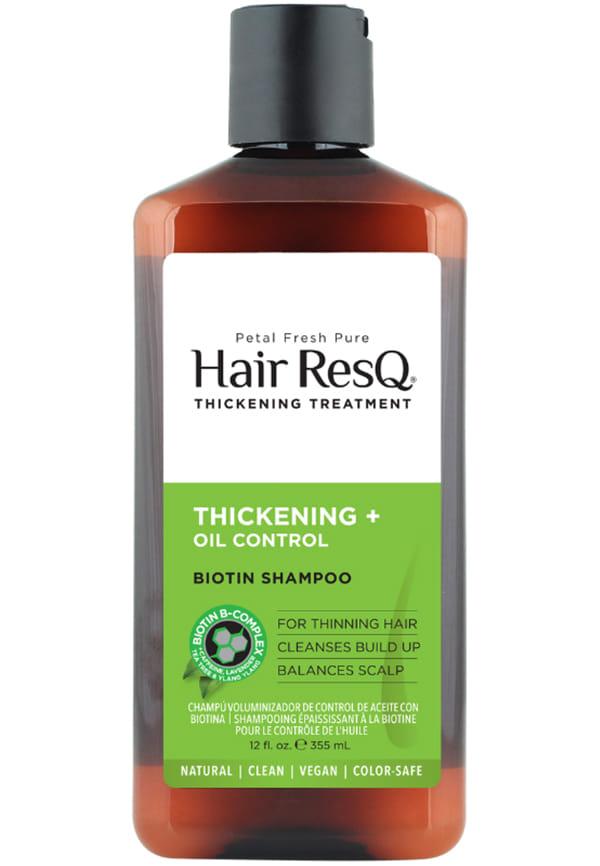
Hair ResQ Thickening Shampoo Oil Control
Heavy silicones like dimethicone can build up on oily hair, making it look even greasier. Moisturising oils in shampoo formulas—whilst great for dry hair—can overwhelm an already oily scalp. Protein-heavy formulations might also weigh down fine, oily hair.
Even the best shampoo for oily hair won't work miracles if you're not using proper washing techniques. Many people with oily hair make the mistake of scrubbing vigorously, thinking it'll remove more oil. Actually, aggressive scrubbing can irritate your scalp and trigger even more oil production—the opposite of what you want.
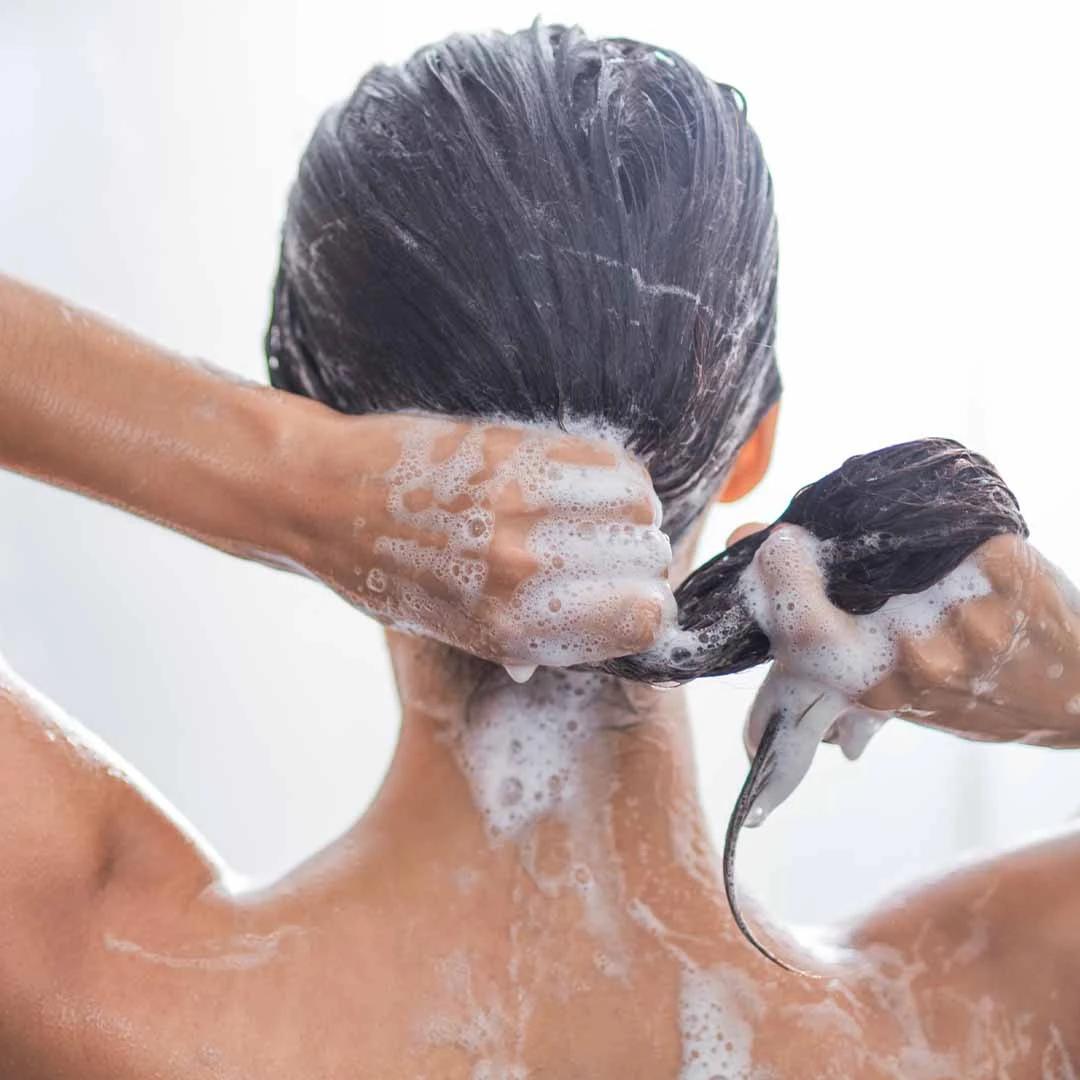
Start by thoroughly wetting your hair with lukewarm water. Hot water might feel nice, but it can stimulate your sebaceous glands to produce more oil. Apply your clarifying shampoo primarily to your roots and scalp—this is where the oil originates. Use gentle, circular motions with your fingertips (not nails) to massage the product in for about two to three minutes. This gives the active ingredients time to work their magic.
Before washing, brush your hair to distribute oils from roots to ends. This helps prevent the mid-lengths and ends from becoming too dry whilst ensuring your scalp gets properly cleansed. Focus your shampoo application on the scalp area, working in sections if you have thick hair.
The age-old advice about washing oily hair daily has evolved. Whilst some people with very oily scalps do need daily washing, others find that every other day works better. Pay attention to how your scalp responds—if it feels tight or irritated, you might be over-washing. If it's still greasy after 24 hours, you might need to increase frequency or switch to a stronger formula.
After trying countless products and reading through dermatologist recommendations, certain shampoos consistently rise to the top for managing oily hair. L'Oréal Professionnel's Scalp Advanced Anti-Oiliness Shampoo contains a 3% AHA formula that provides deep cleansing without being overly harsh. It's particularly effective for those dealing with stubborn oil buildup.
For a more budget-friendly option, L'Oréal Paris Hyaluron Pure Purifying Shampoo combines salicylic acid with hyaluronic acid—giving you oil control whilst maintaining scalp hydration. This balance is crucial because an overly dry scalp can actually trigger more oil production as your skin tries to compensate.
Biolage Scalp Sync Clarifying Shampoo uses deep cleansing technology to remove buildup and excess oil. It's particularly good for those who use a lot of styling products or live in humid climates where oil production tends to increase.
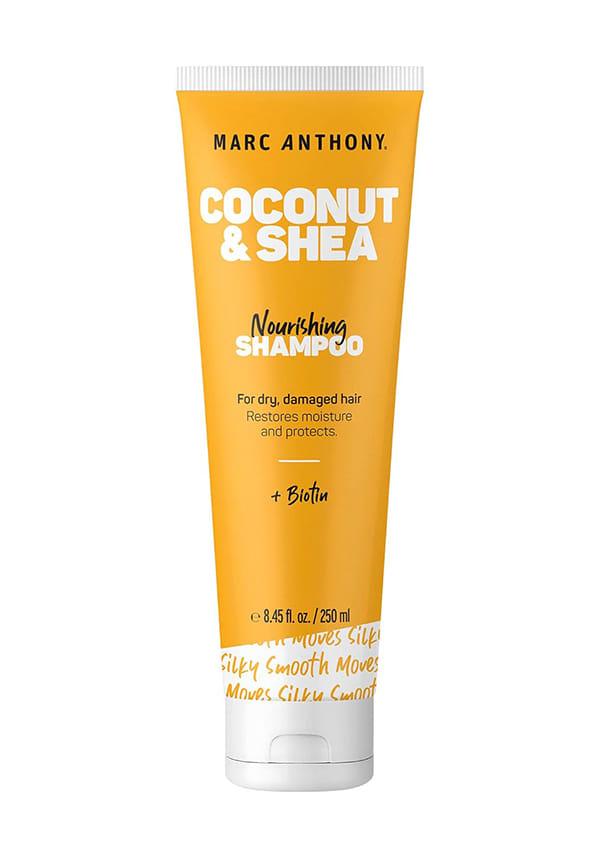
Hydrating Coconut Oil And Shea Butter Shampoo
If you have fine, oily hair, look for volumising oil control formulas that won't weigh your hair down. For those dealing with oily roots but dry ends—a common combination—focus your shampoo application on the scalp only and use a lightweight conditioner on the mid-lengths and ends.
Sometimes oily hair comes with additional challenges like dandruff, sensitivity, or scalp irritation. In these cases, you need a balancing shampoo that addresses multiple concerns without making any single issue worse. Zinc pyrithione-based formulas work well for oily scalps with dandruff, whilst tea tree oil can help with both oil control and scalp irritation.
For those with colour-treated hair, finding an effective oil control shampoo can be tricky since many clarifying formulas can strip colour. Look for sulfate-free options that use gentler cleansing agents whilst still providing adequate oil control. These might take a bit longer to show results, but they're kinder to processed hair.
If you have a sensitive scalp alongside oily hair, avoid shampoos with strong fragrances or harsh sulfates. Instead, opt for formulas with gentle acids like lactic acid or mandelic acid, which provide oil control without causing irritation.
Your shampoo is just one piece of the puzzle when it comes to managing oily hair. The products you use afterwards—and how you use them—can either support your oil control efforts or completely undermine them. Conditioner application is particularly important for oily hair types.
Apply conditioner only to the mid-lengths and ends of your hair, avoiding the roots entirely. This prevents adding extra moisture where you don't need it whilst keeping the rest of your hair healthy. Look for lightweight, volumising conditioners rather than heavy, moisturising formulas.
Weekly scalp treatments can help reset your oil production. Clay masks designed for hair can be applied to the scalp before shampooing to absorb excess oil and remove buildup. Dry shampoo isn't just for emergency touch-ups—using it preventatively on clean hair can help absorb oil before it becomes visible.
For very oily hair, look for clarifying shampoos with salicylic acid or AHA ingredients. Professional-grade options like L'Oréal Professionnel Scalp Advanced or Biolage Scalp Sync provide intensive oil control. Start with using these 2-3 times per week and adjust based on how your scalp responds.
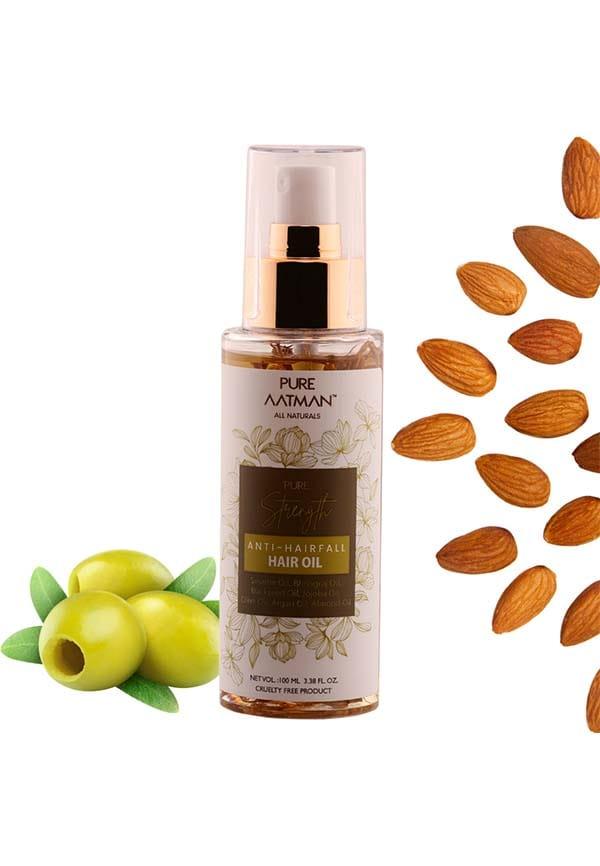
Hair Oil for women girls men ladies Hairfall Hair Oil
Daily use depends on your specific scalp condition and the strength of the formula. Gentle oil control shampoos can often be used daily, whilst stronger clarifying formulas might be better used every other day. Monitor your scalp for any signs of irritation or excessive dryness.
After pre-wash oil treatments, you'll need a clarifying shampoo to remove the oil without leaving residue. Double shampooing might be necessary—first to break down the oil, then to properly cleanse the scalp. Focus on massaging the shampoo into your scalp for at least two minutes.
Sulfate-free shampoos can work for oily hair, but they typically require longer massage times and might need to be used more frequently. They're gentler on colour-treated hair but may not provide the deep cleansing that very oily scalps need. Consider alternating between sulfate-free and clarifying formulas.
Most people notice some improvement within a week, but it can take 2-4 weeks for your scalp to fully adjust to a new routine. During this adjustment period, your oil production might fluctuate before settling into a more balanced pattern.
Clarifying shampoos contain stronger cleansing agents and active ingredients specifically designed to remove buildup and excess oil. Regular shampoos for oily hair focus more on daily oil control without the intensive cleansing action. Clarifying formulas are typically used 1-2 times per week rather than daily.
Yes, oil production often decreases with age as hormone levels change. Consistent use of appropriate products and proper hair care techniques can also help regulate sebum production over time. However, genetics play a significant role, so some people will always tend towards oilier hair.
Managing oily hair doesn't have to be a daily struggle once you understand what your scalp actually needs. The best shampoo for oil control is one that matches your specific level of oiliness without over-stripping your scalp. Remember that finding your perfect routine might take some experimentation—what works for your friend might not work for you, and that's completely normal.
Focus on consistency rather than constantly switching products. Give each new shampoo at least three to four weeks to show its true effects. Pay attention to how your scalp feels, not just how your hair looks, since a healthy scalp is the foundation of manageable hair.
If you're curious about trying different oil control formulas without committing to full-size bottles, Smytten offers trial-size versions of many popular shampoos and scalp treatments. This way, you can test what works for your hair type before investing in larger quantities—particularly helpful when you're building your ideal oily hair care routine.
