Best Scalp Treatment FAQ: Your Scalp Care Questions Answered
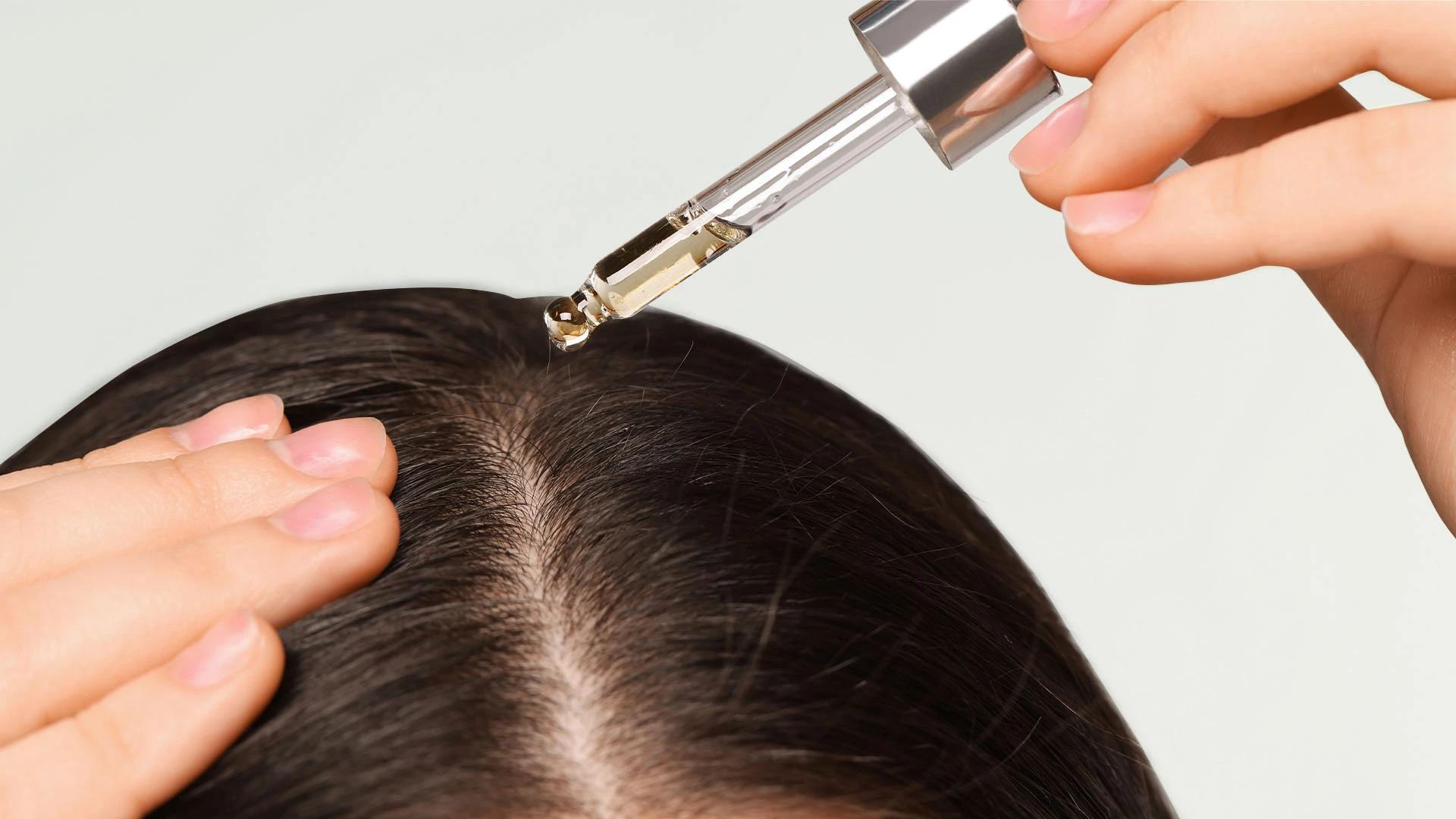


Intensive Scalp Repair Anti Dandruff Shampoo
Ever caught yourself scratching your scalp mid-conversation and wondering if anyone noticed? Or maybe you've been dealing with that persistent flaky situation that no amount of regular shampoo seems to fix. Your scalp's basically the foundation for everything happening up top, yet it's probably the most overlooked part of your haircare routine. Real talk — when your scalp isn't happy, your hair won't be either. Whether you're dealing with dryness, dandruff, or that annoying itch that just won't quit, finding the right scalp treatment can feel like searching for a needle in a haystack.
Your scalp is essentially skin — just with hair follicles sprouting from it. Like the skin on your face, it can be oily, dry, sensitive, or combination. The difference? It's often hidden under layers of hair, making it harder to spot issues until they become proper problems. A healthy scalp should feel comfortable, look clean without excessive flaking, and have a balanced oil production that doesn't leave you feeling greasy or tight.
Common scalp conditions range from the everyday annoyances to more serious concerns. Dandruff shows up as white or yellowish flakes, often accompanied by itching. Dry scalp feels tight and may produce smaller, white flakes. Seborrheic dermatitis creates red, scaly patches, while scalp psoriasis appears as thick, silvery scales. Then there's folliculitis — inflamed hair follicles that can cause small, painful bumps.
The scalp microbiome plays a massive role in keeping things balanced. Just like your gut, your scalp hosts beneficial bacteria and fungi that maintain harmony. When this balance gets disrupted — through over-washing, harsh products, stress, or hormonal changes — problems start brewing. Signs you need to step up your scalp care include persistent itching, visible flakes, unusual hair loss, tender spots, or that general feeling that something's just not right up there.
Different scalp concerns need different approaches. What works brilliantly for dandruff might actually worsen a dry scalp situation. Understanding your specific condition helps you choose treatments that actually address the root cause rather than just masking symptoms.
Dry scalp happens when your skin doesn't produce enough natural oils, or when external factors strip away moisture. The key is gentle hydration without weighing down your hair. Look for treatments with hyaluronic acid, glycerin, or ceramides that draw moisture to the scalp and lock it in.
Scalp serums designed for dryness often contain lightweight oils like jojoba or squalane that mimic your skin's natural sebum. Apply these directly to your scalp, not your hair lengths, and massage gently to boost circulation.
Dandruff typically stems from an overgrowth of Malassezia yeast, which feeds on scalp oils and causes irritation. Medicated shampoos containing zinc pyrithione, selenium sulfide, or ketoconazole target this fungal overgrowth effectively. These ingredients work by slowing down skin cell turnover and reducing yeast populations.
For milder cases, natural approaches like tea tree oil or apple cider vinegar rinses can help. Tea tree oil has antimicrobial properties, while diluted apple cider vinegar helps restore your scalp's natural pH balance.
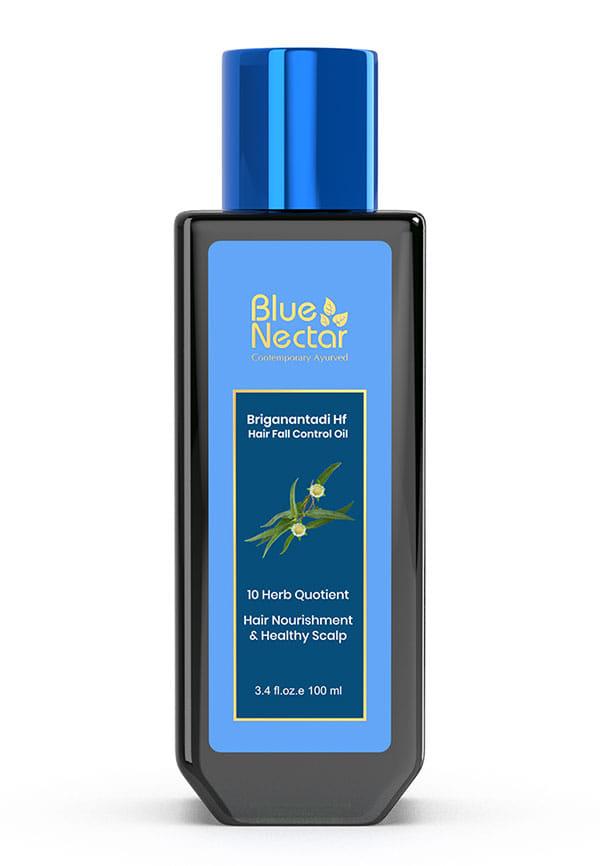
Briganantadi Hair Fall control and Healthy Scalp Hair Oil 10 Herbs
Scalp psoriasis requires more targeted treatment since it's an autoimmune condition causing rapid skin cell turnover. Dermatologist-recommended options include medicated shampoos with coal tar, which slows cell production, or topical treatments containing clobetasol propionate for inflammation control.
Salicylic acid treatments help remove thick scales, making other medications more effective. Always follow usage guidelines carefully, as these are potent treatments that can cause irritation if overused.
An oily scalp produces excess sebum, often leading to greasy-looking hair and sometimes contributing to dandruff. Clarifying treatments with ingredients like salicylic acid or niacinamide help regulate oil production without completely stripping your scalp.
Avoid over-washing, which can trigger your scalp to produce even more oil. Instead, focus on gentle, daily cleansing with products designed to balance rather than strip.
Navigating scalp treatment ingredients doesn't have to feel like reading a chemistry textbook. Here's what actually makes a difference and why these ingredients earn their place in effective formulations.
Tea tree oil stands out for its antimicrobial and anti-inflammatory properties. It's particularly effective against fungal issues that cause dandruff, but it needs to be diluted properly to avoid irritation. Look for products with 5-10% tea tree oil concentration for optimal benefits without overdoing it.
Salicylic acid works as a gentle exfoliant, helping remove dead skin cells and product buildup that can clog hair follicles. It's especially useful for oily scalps and can help other active ingredients penetrate better. Niacinamide reduces inflammation and helps regulate oil production, making it perfect for sensitive or reactive scalps.
Ketoconazole is a powerful antifungal ingredient found in medicated shampoos. It's particularly effective for stubborn dandruff or seborrheic dermatitis that doesn't respond to gentler treatments. Piroctone olamine is a newer alternative that's equally effective but often gentler on the scalp.
Knowing when to DIY and when to seek professional help can save you time, money, and potential scalp damage. Some conditions respond beautifully to at-home care, while others need medical intervention.
Book that dermatologist appointment if you're experiencing persistent symptoms that don't improve after 4-6 weeks of consistent treatment. Sudden hair loss, painful or bleeding scalp areas, or symptoms that worsen despite treatment all warrant professional evaluation.
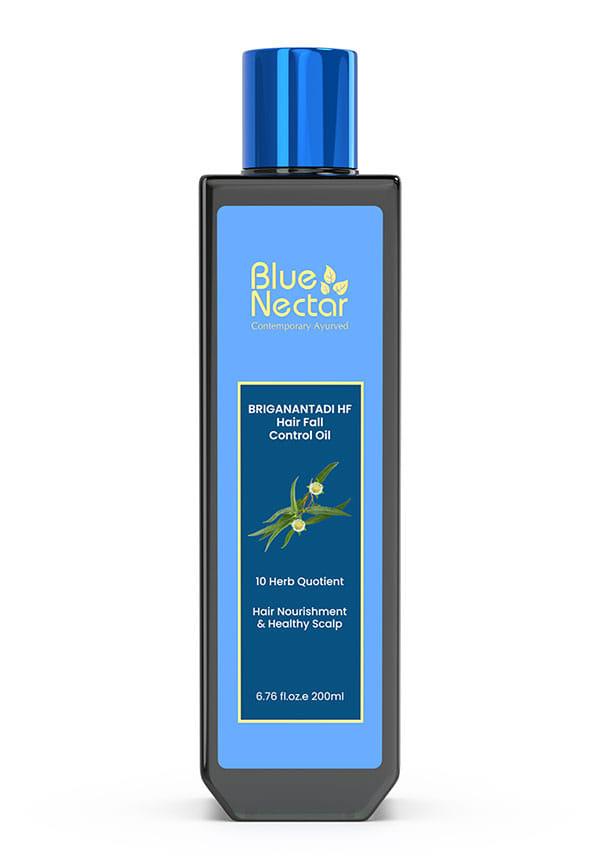
Briganantadi Hair Fall control and Healthy Scalp Hair Oil 10 Herbs
A dermatologist can perform proper scalp analysis, sometimes using dermoscopy to examine hair follicles and identify underlying conditions. They can prescribe stronger treatments like topical corticosteroids or systemic medications when needed.
Your daily routine should be gentle but consistent. Start with a scalp-appropriate shampoo used 3-4 times weekly, focusing on massaging your scalp rather than your hair lengths. Scalp massage benefits include improved circulation, stress reduction, and better product absorption.
Weekly treatments might include a scalp serum, oil treatment, or gentle exfoliation. Hair follicle treatment often involves ingredients like caffeine or peptides that support healthy growth cycles. Apply these treatments to clean, slightly damp scalp for better absorption.
Creating a routine that works means considering your scalp type, lifestyle, and specific concerns. Start simple and build complexity gradually — your scalp needs time to adjust to new treatments.
Morning routines should focus on gentle cleansing if you wash daily, or dry scalp massage to stimulate circulation. Evening is ideal for treatment products since they have overnight to work without interference from styling products or environmental factors.
Frequency matters more than intensity. Consistent, gentle care beats aggressive treatments that might cause irritation. Seasonal adjustments are important too — your scalp might need more moisture in winter and better oil control in humid summer months.
Healthy scalp tips for long-term maintenance include protecting your scalp from sun exposure, avoiding harsh chemicals, managing stress levels, and maintaining a balanced diet rich in omega-3 fatty acids and vitamins that support skin health.
The most effective approach combines gentle cleansing with targeted treatments for your specific concerns. For general scalp health, regular scalp massage, appropriate shampoo selection, and weekly nourishing treatments work well. Those dealing with specific conditions like dandruff benefit from medicated shampoos containing zinc pyrithione or selenium sulfide, while dry scalp responds to hydrating serums and gentle oils.
The best scalp treatment depends entirely on your specific condition. Medicated shampoos with antifungal ingredients work brilliantly for dandruff, while scalp serums with hyaluronic acid or ceramides address dryness effectively. For oily scalp concerns, products containing salicylic acid or niacinamide help regulate sebum production. Always choose products formulated for your particular scalp type and concerns.
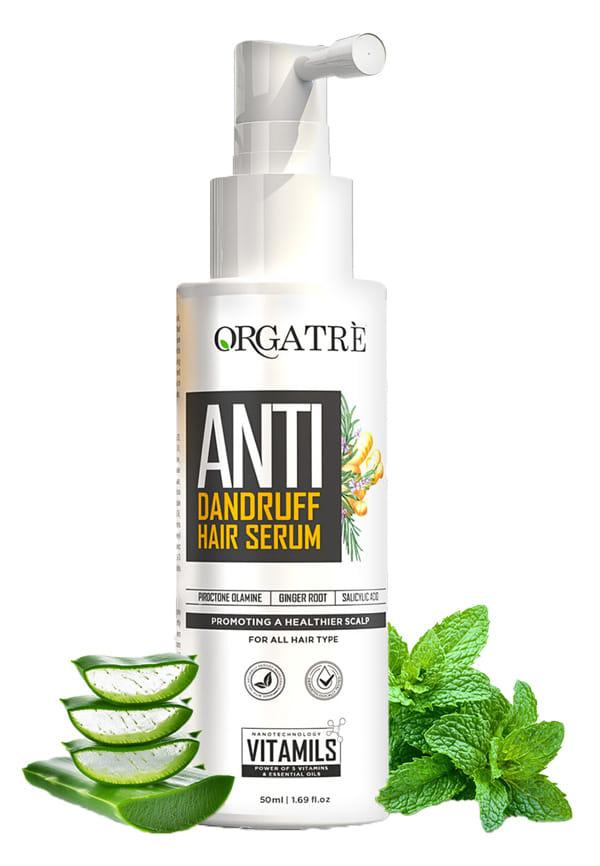
Anti Dandruff Hair Serum | Treatment for Dandruff, Flaky & Dry Scalp
Persistent scalp problems often require medicated treatments containing proven active ingredients. Zinc pyrithione and selenium sulfide effectively combat fungal overgrowth causing dandruff. For inflammatory conditions, ingredients like piroctone olamine or ketoconazole provide relief. Severe cases might need prescription treatments with clobetasol propionate or coal tar, which should only be used under dermatological guidance.
Dermatologists typically recommend a gentle, consistent approach starting with appropriate cleansing frequency and pH-balanced products. For specific conditions, they often prescribe medicated shampoos, topical treatments, or oral medications when necessary. They emphasise the importance of proper diagnosis before treatment and warn against over-treating, which can worsen scalp conditions.
Treatment frequency depends on the product type and your scalp's sensitivity. Medicated shampoos are typically used 2-3 times weekly initially, then reduced as symptoms improve. Scalp serums can often be used daily, while intensive treatments like oil masks work best weekly. Always start with less frequent application and increase gradually as your scalp tolerates the treatment.
Layering treatments requires careful consideration to avoid irritation. Generally, it's safe to use a treatment shampoo followed by a scalp serum, but avoid combining multiple active ingredients simultaneously. For example, don't use salicylic acid and retinol-based treatments together. When in doubt, alternate treatments on different days or consult a dermatologist for guidance.
Scalp serums are typically lightweight, water-based formulations designed to deliver active ingredients directly to the scalp without weighing down hair. They often contain ingredients like niacinamide, peptides, or hyaluronic acid. Hair oils are heavier, oil-based treatments that provide moisture and nourishment but can make hair appear greasy if not used properly.
Most scalp treatments show initial improvements within 2-4 weeks of consistent use. However, complete resolution of issues like dandruff or scalp psoriasis may take 6-8 weeks. Hair growth improvements from follicle treatments typically become noticeable after 8-12 weeks, as this aligns with natural hair growth cycles. Patience and consistency are key for lasting results.
Finding the right scalp treatment starts with understanding your specific concerns and choosing targeted solutions rather than generic approaches. Whether you're dealing with dryness, dandruff, or more complex conditions, consistent care with appropriate products makes all the difference. Remember that your scalp is skin — treat it with the same attention and gentleness you'd give your face.
The key is starting simple and building your routine gradually. Most scalp issues improve with patience and the right approach, though persistent problems definitely warrant professional consultation. Your scalp health directly impacts your hair's appearance and growth, making it worth the investment in proper care.
Exploring different scalp treatments can feel overwhelming with so many options available. Smytten's curated selection includes scalp care products from trusted brands, letting you discover what works for your specific needs. Not sure which scalp serum or treatment shampoo suits your concerns? Smytten also offers trial-size versions of many scalp care products — a smart way to test effectiveness before committing to full-size bottles.
