Best Monsoon Hair Routine FAQ: Your Questions Answered

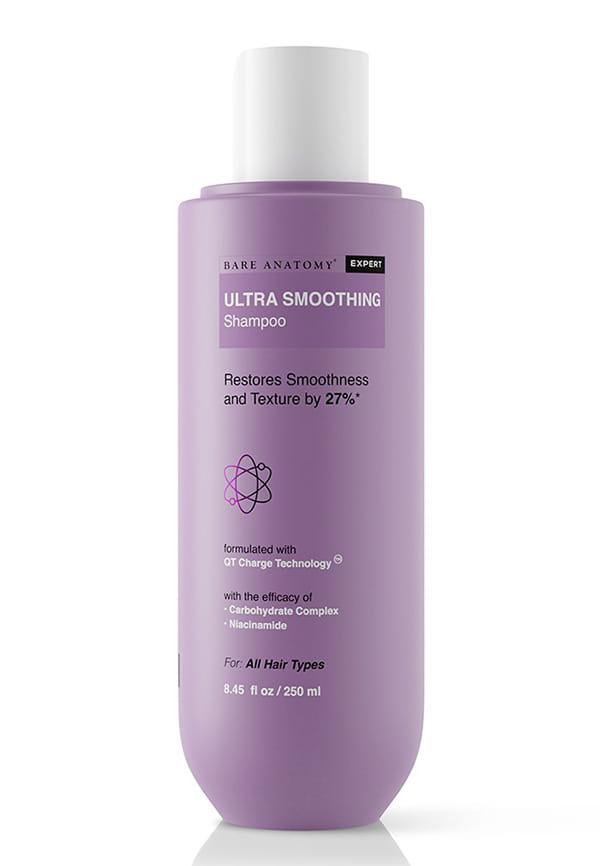
Expert Ultra Smoothing Shampoo To Restore Smoothness, Repair Damaged Hair And Locks In Moisture
Picture this: you wake up to the sound of rain, and your hair looks like it's been through a wind tunnel overnight. The humidity hits the moment you step outside, and by lunchtime, your carefully styled hair has transformed into a frizzy mess. If this sounds familiar, you're not alone. Monsoon season brings its own set of hair challenges that can leave even the most dedicated hair care enthusiasts feeling defeated. But here's the thing—with the right monsoon hair routine, you can actually work with the weather instead of fighting against it.
Let's be real about what's happening to your hair when humidity levels spike. The science is pretty straightforward: when there's moisture in the air, your hair cuticles lift up to absorb it. This is especially true if your hair is already damaged or porous. The result? Frizz, limpness, and that general feeling that your hair has a mind of its own.
Different hair types react differently to monsoon weather. If you've got curly or wavy hair, you might notice your curls becoming more defined but also more unruly. Straight hair tends to lose its bounce and can look flat against your scalp. And if your hair is chemically treated or heat-damaged, the humidity can make existing problems worse.
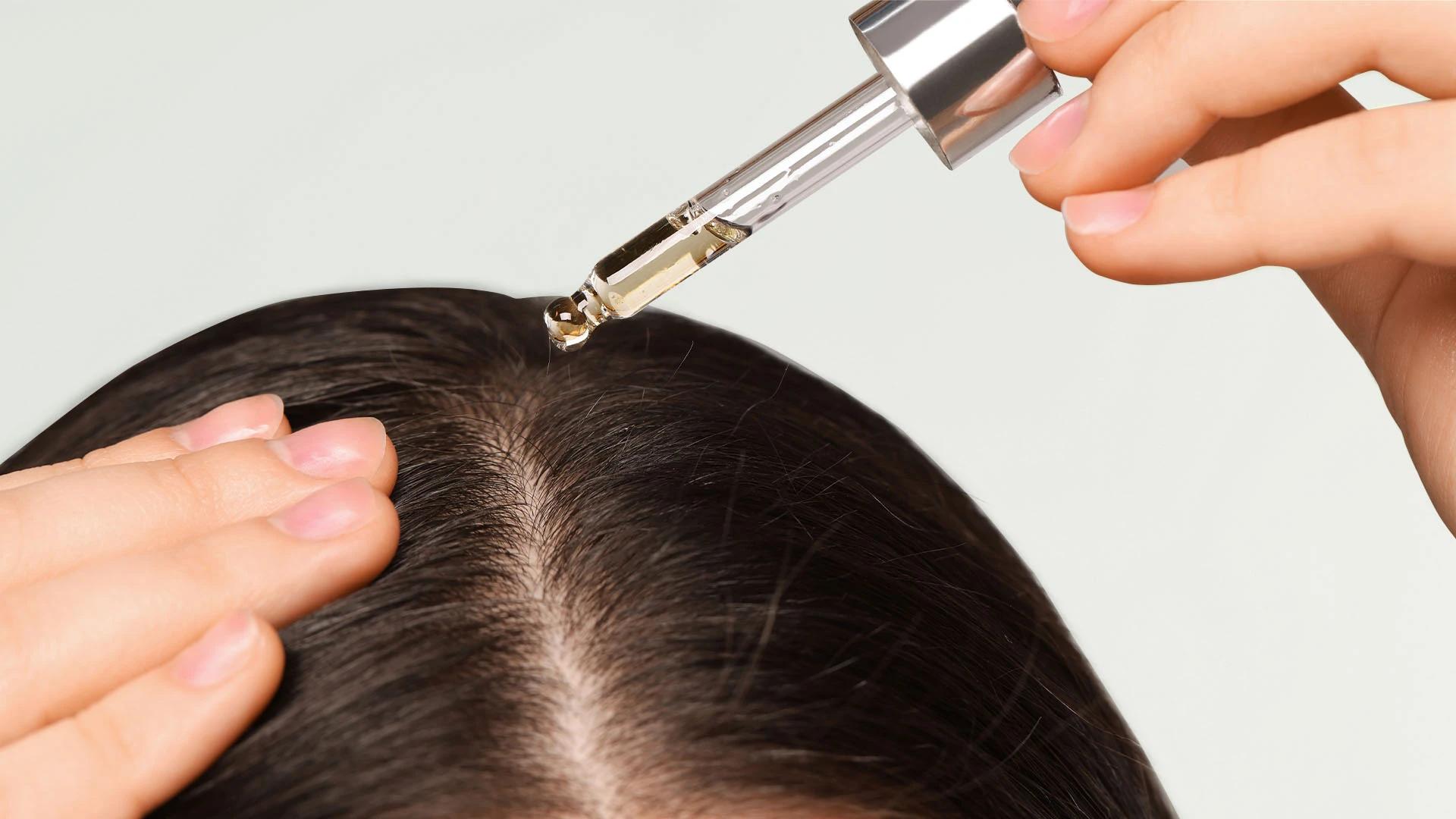
Your scalp deserves special attention during monsoons too. The combination of humidity and heat creates the perfect breeding ground for fungal infections and dandruff. You might notice your scalp feeling itchier or producing more oil than usual. This isn't just uncomfortable—it can actually affect how your hair grows and looks.
Many people notice increased hair fall during monsoons, and there are a few reasons for this. The constant dampness can weaken your hair shaft, making it more prone to breakage. Plus, if you're dealing with scalp issues, that can affect your hair's growth cycle too.
Creating an effective hair care routine for humid weather isn't about using more products—it's about using the right ones at the right time. Your monsoon hair routine should focus on three main goals: controlling frizz, maintaining scalp health, and protecting your hair from damage.
Start by adjusting how often you wash your hair. During monsoons, you might need to wash more frequently if you have an oily scalp, or less often if your hair tends to be dry. The key is finding that sweet spot where your scalp stays clean without your hair becoming over-stripped.
Before you even think about shampooing, consider a pre-wash treatment. This could be as simple as applying coconut oil to your lengths and ends about 30 minutes before washing. The oil creates a barrier that helps prevent your hair from absorbing too much water during the wash, which can actually help reduce frizz.
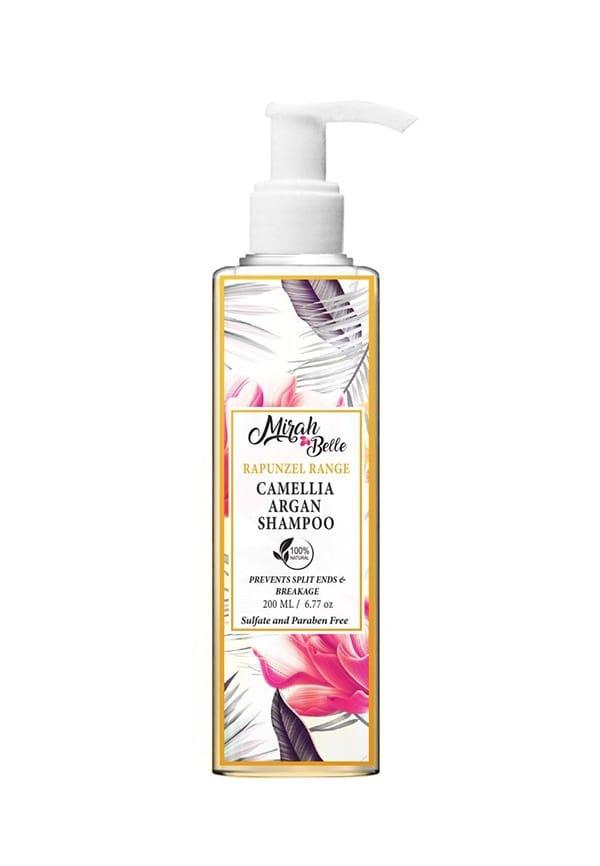
Camellia - Argan Luscious Locks Shampoo
When it comes to choosing anti-frizz hair products, look for shampoos that are sulfate-free and contain ingredients like argan oil or keratin. These help smooth the hair cuticle and create a protective layer against humidity. Don't skip the scalp massage—it improves circulation and helps remove any buildup that might be clogging your pores.
Your conditioning game needs to be strong during monsoons. Focus the conditioner on your mid-lengths and ends, avoiding the roots if you have an oily scalp. Leave it on for at least 2-3 minutes to let it really penetrate your hair shaft.
How you dry your hair can make or break your monsoon hair routine. Skip the rough towel-drying and instead gently squeeze out excess water with a microfiber towel or even a cotton t-shirt. This reduces friction and helps prevent frizz from forming.
Apply a leave-in conditioner or hair serum while your hair is still damp. These products work best when they can lock in moisture and create a protective barrier against humidity. Focus on the areas that tend to get frizzy first—usually around your hairline and the ends of your hair.
The market is flooded with products claiming to be humidity-proof, but not all of them deliver. Look for ingredients like silicones (yes, they're not always the enemy), natural oils, and proteins that can help strengthen your hair structure.
For frizzy hair solutions, serums containing dimethicone or cyclopentasiloxane can create an effective barrier against moisture. If you prefer natural options, argan oil and jojoba oil are excellent choices that won't weigh your hair down.
Sometimes the best treatments are sitting right in your kitchen. A simple mask made from yogurt and honey can help balance your scalp's pH while providing moisture to dry hair. Mix two tablespoons of plain yogurt with one tablespoon of honey, apply to damp hair, and leave for 20 minutes before rinsing.
For oily scalp issues during monsoons, try a clay mask once a week. Bentonite clay mixed with apple cider vinegar can help absorb excess oil and remove buildup without being too harsh.
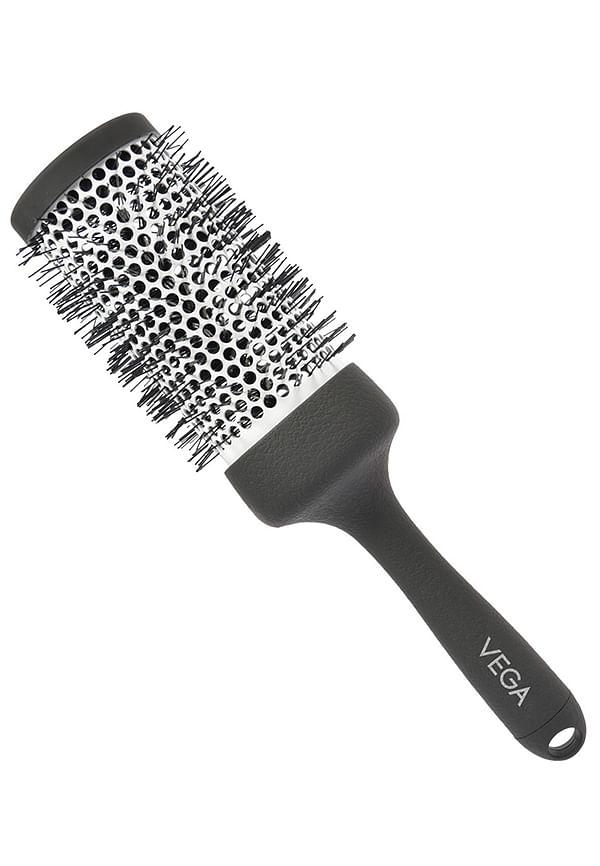
Hot Curl Brushfor Hair Styling, Drying, Healthy Hair and Add Volume, Large (H2-PRL)
Your usual styling routine might need some tweaks during monsoon season. Heat styling can actually make frizz worse in humid weather, so consider embracing your hair's natural texture instead.
Protective styles like braids, buns, and ponytails aren't just practical—they can actually help prevent frizz by keeping your hair contained. If you do need to use heat tools, always apply a heat protectant first and use the lowest temperature setting that still gives you results.
We've all been there—you leave the house with perfect hair, and by the time you reach your destination, it's a frizzy mess. Keep a small bottle of diluted leave-in conditioner in your bag for touch-ups. Just a light mist can help tame flyaways without making your hair look greasy.
This depends on your hair type and scalp condition. If you have an oily scalp, you might need to wash every other day to prevent buildup and fungal infections. For dry or chemically treated hair, 2-3 times a week is usually sufficient. The key is to listen to your hair and scalp—if it feels heavy or itchy, it's probably time for a wash.
While you don't necessarily need completely different products, you might want to adjust your routine. Consider switching to a more moisturising shampoo if you have dry hair, or a clarifying one if you're dealing with buildup. Adding a humidity-blocking serum or leave-in treatment can make a significant difference during monsoon months.
Humidity can actually trigger your scalp to produce more oil as it tries to balance moisture levels. Additionally, if you're using heavier products to combat frizz, they might be weighing your hair down and making it appear greasier. Try using lighter formulations and focus heavy products only on your hair lengths, not your roots.
It's best to avoid this if possible. Sleeping with damp hair can lead to fungal infections on your scalp, especially in humid weather. If you must sleep with slightly damp hair, try braiding it loosely or using a silk pillowcase to reduce friction. Make sure your hair is at least 80% dry before hitting the pillow.
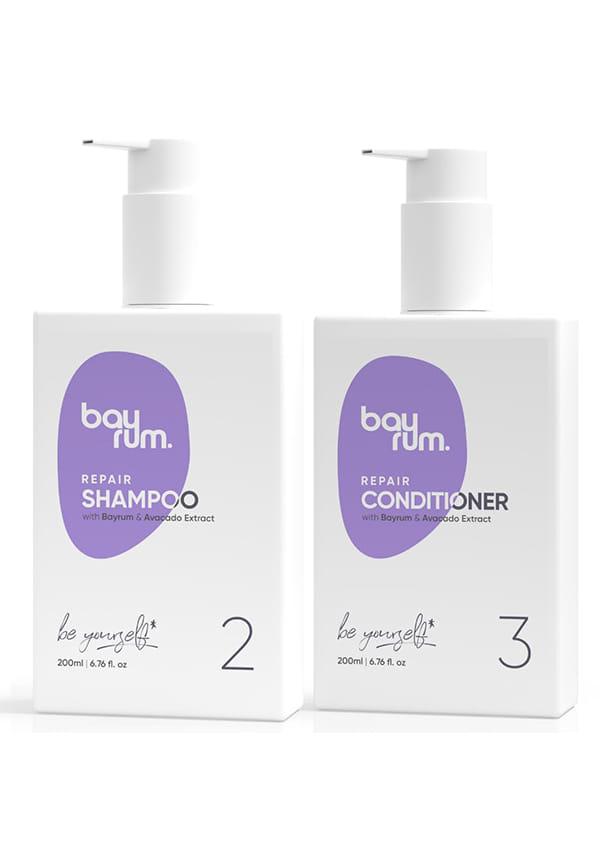
Hair Repair Shampoo & Conditioner Combo For Dry, Frizzy And Curly Hair
If you know rain is expected, apply a leave-in conditioner or hair oil before leaving home—this creates a barrier against moisture. If you get caught without protection, don't panic. Once you're somewhere dry, gently squeeze out excess water and apply a small amount of hair serum to damp hair to help control frizz as it dries.
Not necessarily, but timing matters. Chemical treatments like colouring or perming can make your hair more porous and susceptible to humidity damage. If you're planning a major hair treatment, consider doing it at the beginning or end of monsoon season. Deep conditioning treatments and protein masks are actually beneficial during this time.
Scalp care during monsoons is crucial. Keep your scalp clean and dry, use an anti-dandruff shampoo if needed, and avoid heavy oils that might clog pores. If itching persists, it could be a fungal infection that needs medical attention. Tea tree oil-based products can help maintain scalp health naturally.
While salon treatments can be effective, they're not always necessary. Many at-home treatments can give you similar results if done consistently. Professional treatments like keratin or smoothing treatments can provide longer-lasting frizz control, but they're an investment. Start with a good at-home routine and consider professional treatments if you're still struggling.
Absolutely. Hair health starts from within, and a diet rich in omega-3 fatty acids, vitamins, and minerals can help strengthen your hair structure. Foods like salmon, walnuts, spinach, and eggs can contribute to healthier hair that's more resilient to environmental stressors like humidity.
Air drying is generally gentler and can help prevent additional frizz, but it's not always practical during monsoons when humidity is high. If you must blow dry, use a heat protectant and the cool shot button at the end to seal the hair cuticle. Consider using a diffuser if you have curly hair to maintain your natural texture.
The best monsoon hair routine isn't about fighting against the weather—it's about working with it. Focus on keeping your scalp healthy, protecting your hair from excess moisture absorption, and embracing styles that work with humidity rather than against it. Remember, consistency is more important than perfection. A simple routine followed regularly will give you better results than an elaborate one you only do occasionally.
The key to successful hair care in humidity lies in understanding your hair's specific needs and adjusting your routine accordingly. Whether you're dealing with frizz, hair fall, or scalp issues, there are solutions that can help you maintain healthy, manageable hair throughout monsoon season. Not sure which products might work best for your hair type? Smytten offers trial-size versions of many haircare products from trusted brands—a smart way to test different formulations before committing to full-size bottles.
