Best Mask for Dryness FAQ: Your Hair Hydration Questions Answered
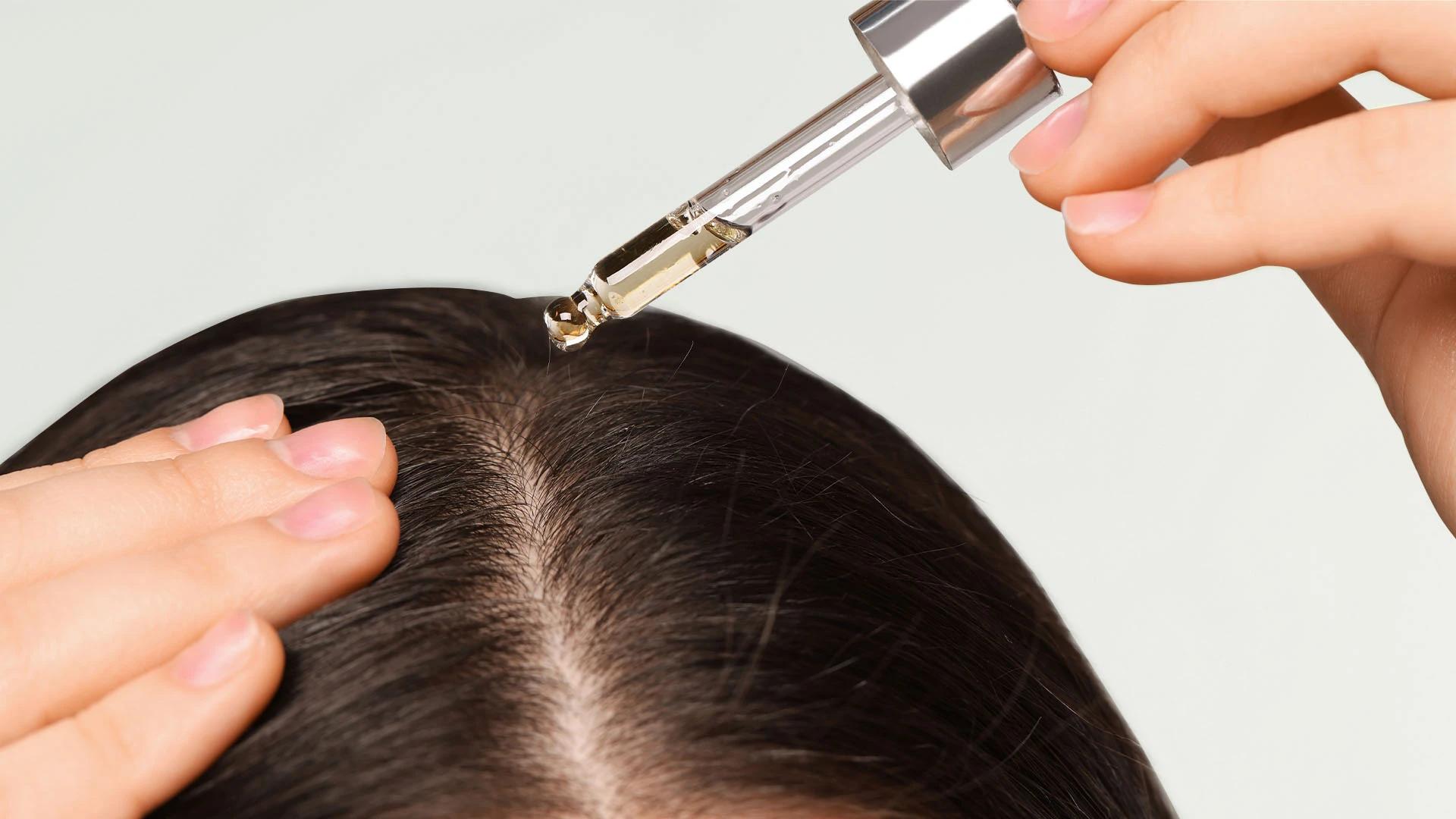

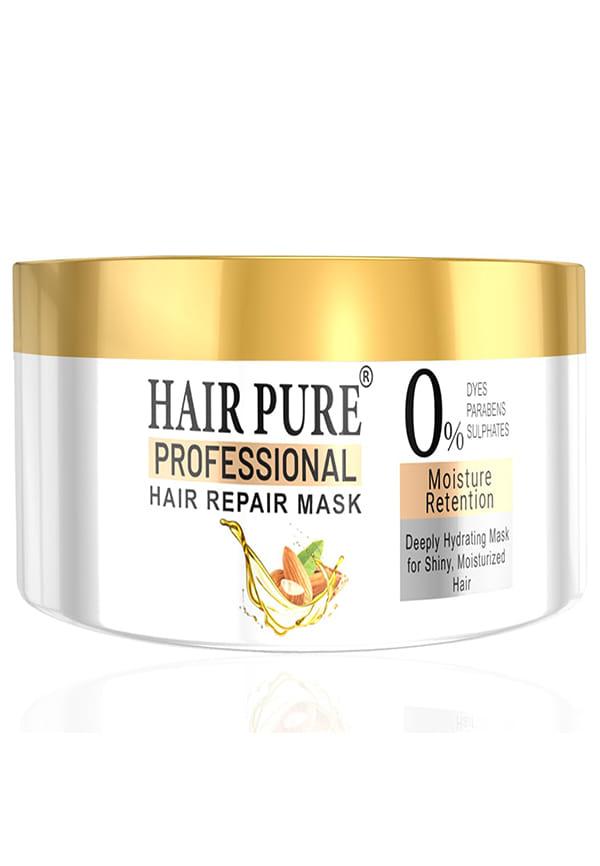
Hair Repair Mask for Dry, Frizzy Hair Mask
You know that moment when you run your fingers through your hair and it feels like straw? Or when you catch a glimpse of yourself in the mirror and your hair looks more like a bird's nest than the glossy locks you see on Instagram? We've all been there. Dry hair can make even the simplest hairstyles feel impossible, leaving you wondering if there's any hope for your thirsty strands. The good news? The right hair mask can be a total game-changer for bringing life back to parched hair. But with so many options out there, finding the best mask for dryness can feel overwhelming. That's where we come in with answers to all your burning questions about hair hydration.
Let's be real – hair dryness isn't just about having a bad hair day. It's actually your hair crying out for moisture, and there are loads of reasons why this happens. Your hair cuticles (the outer layer) can get damaged from heat styling, chemical treatments, or even just brushing too aggressively. When these cuticles lift up, moisture escapes faster than you can say "frizz."
Environmental factors play a huge role too. Think about it – harsh sun, wind, pollution, and even hard water can strip your hair of its natural oils. Add in frequent washing with the wrong products, and you've got a recipe for seriously parched strands. Some people are also naturally prone to dryness due to their hair texture or genetics.
Here's how to spot if your hair is genuinely dry: it feels rough to the touch, looks dull instead of shiny, tangles easily, and might even break when you brush it. You might notice more split ends than usual, or your hair just won't hold moisture no matter what you do. This is where a hydrating hair mask becomes your best friend – it's like giving your hair a long, refreshing drink of water.
The science behind hair hydration masks is actually pretty clever. These treatments contain larger molecules than regular conditioners, which means they can penetrate deeper into your hair shaft. They work by temporarily filling in the gaps in damaged cuticles and coating your hair with moisture-retaining ingredients. Think of it as giving your hair a protective shield that locks in hydration.
Not all hair masks are created equal, and understanding the different types can help you pick the perfect one for your specific needs. A deep conditioning hair mask is your go-to for serious hydration – these are typically thicker than regular conditioners and packed with intensive moisturising ingredients.
Protein-based masks are brilliant if your hair is not just dry but also damaged or chemically treated. These work by temporarily filling in gaps in your hair structure, making strands stronger and more resilient. However, too much protein can actually make hair feel stiff, so balance is key.
Oil-based treatments are perfect for naturally dry or coarse hair types. Ingredients like argan oil, coconut oil, and jojoba oil can penetrate the hair shaft and provide long-lasting moisture. These are especially good for thick, curly, or textured hair that tends to be naturally drier.
Humectant-rich formulas contain ingredients like hyaluronic acid, glycerin, or honey that attract moisture from the environment and bind it to your hair. These work brilliantly in humid climates but might not be the best choice if you live somewhere very dry.
Salon treatments definitely have their place – they often use higher concentrations of active ingredients and professional techniques that can give more dramatic results. However, at-home masks have come a long way and can be just as effective for regular maintenance. The key is consistency rather than intensity.
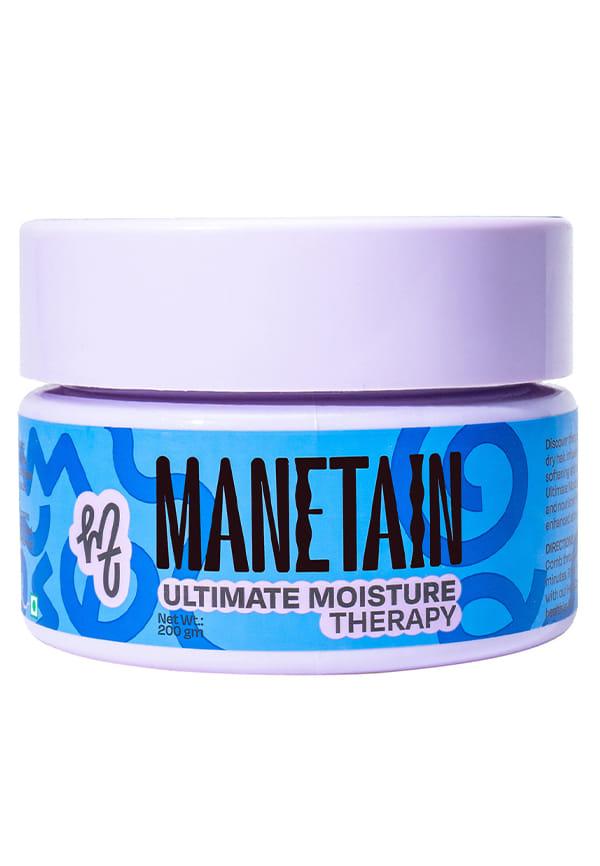
Ultimate Moisture Therapy For Deep Hydration
Your hair's moisture needs change with the seasons, and the best mask for dryness in winter might not be the same one you need in summer. During colder months, indoor heating and harsh winds can seriously dehydrate your hair, making richer, oil-based masks your best bet.
Summer brings its own challenges – sun exposure, chlorine from swimming pools, and air conditioning can all contribute to dryness. Lighter, water-based hydrating masks work well during these months, as they provide moisture without weighing hair down in the heat.
If you live in a particularly dry climate, you'll want to focus on masks with occlusive ingredients that create a barrier to prevent moisture loss. In humid areas, lighter formulations that won't make your hair feel heavy or greasy work better.
For those who travel frequently, having a few different dry hair remedies in your arsenal is smart. Travel-sized masks or DIY options using ingredients you can find anywhere can be lifesavers when your hair routine gets disrupted.
Getting the most out of your moisturising hair treatment isn't just about the product – it's also about how you use it. Start with clean, damp hair for better penetration. Your hair should be wet enough that the mask can spread easily but not so wet that it dilutes the product.
Apply your hair mask for dry hair from mid-length to ends, avoiding the roots unless the product specifically says it's safe for scalp use. Use a wide-tooth comb to distribute the product evenly, then twist your hair up and clip it away from your face.
Timing matters too. Most masks work best when left on for 10-20 minutes, but some intensive treatments can be left on longer. Adding gentle heat with a warm towel or shower cap can help the ingredients penetrate deeper, but be careful not to overdo it.
The frequency of use depends on your hair's condition. Severely damaged hair might benefit from twice-weekly treatments, while mildly dry hair might only need a weekly boost. Pay attention to how your hair responds and adjust accordingly.
When you're shopping for an intense hair repair mask, the ingredient list is where the magic happens. Look for ceramides, which help rebuild your hair's natural barrier, and natural oils like argan, coconut, or marula that provide deep nourishment.
Hyaluronic acid isn't just for skincare – it's amazing in hair products too, holding up to 1000 times its weight in water. Shea butter and glycerin are also brilliant for attracting and holding moisture.
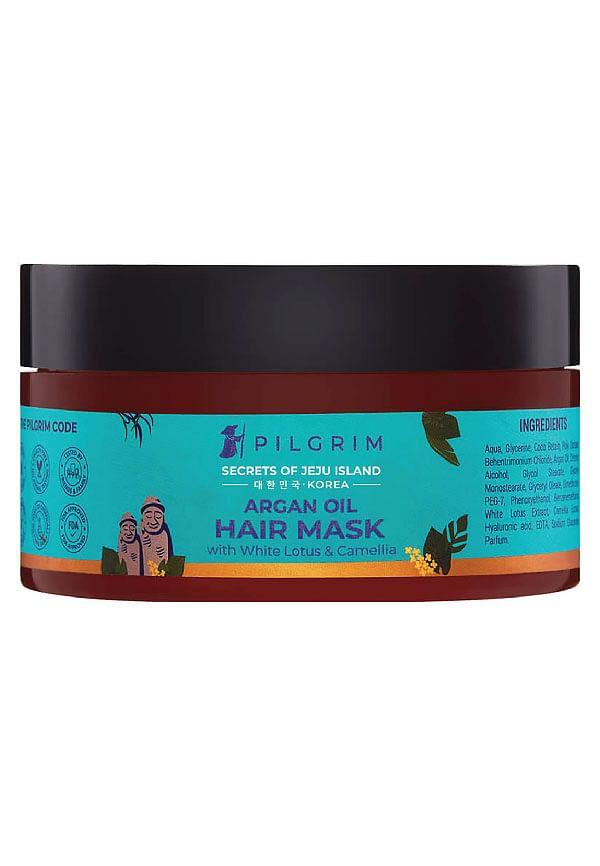
Intense Moisture Argan Oil Hair Mask For Dry & Frizzy Hair
Avoid ingredients that can be drying, like high concentrations of alcohol (though some fatty alcohols are actually good for hair). Sulphates in hair masks can also be counterproductive if you're trying to add moisture back into your hair.
Natural ingredients like honey, avocado, and aloe vera can be incredibly effective in natural hair mask for dryness formulations. These ingredients have been used for centuries and often provide gentle yet effective hydration.
This really depends on your hair's condition and type. If your hair is severely dry or damaged, you might benefit from using a mask 2-3 times per week initially, then scaling back to once a week for maintenance. Fine hair typically needs less frequent treatments (once every 1-2 weeks), while thick, coarse, or chemically-treated hair might need more regular attention. The key is to watch how your hair responds – if it starts feeling heavy or greasy, you're probably overdoing it.
While some people swear by overnight treatments, it's generally not necessary and could potentially cause issues. Most hair masks are designed to work within 10-30 minutes, and leaving them on longer doesn't necessarily mean better results. Some ingredients can actually cause buildup or irritation if left on too long. If you want to try an overnight treatment, stick to natural oils like coconut or argan oil rather than commercial masks.
The main difference is in concentration and molecular size. Hair masks typically contain higher concentrations of active ingredients and larger molecules that can penetrate deeper into the hair shaft. They're designed to be left on longer than regular conditioners and provide more intensive treatment. Deep conditioners fall somewhere in between regular conditioners and masks – they're more intensive than your everyday conditioner but not quite as heavy-duty as a mask.
Fine hair needs lightweight, water-based formulas that won't weigh it down. Look for masks with ingredients like hyaluronic acid or light oils. Thick or coarse hair can handle richer, oil-based treatments with ingredients like shea butter or coconut oil. Curly or textured hair often benefits from cream-based masks with natural oils and butters. Chemically-treated hair might need protein-enriched formulas to help rebuild damaged bonds.
Absolutely, especially if you're using the wrong type of mask for your hair or using it too frequently. Fine hair is particularly susceptible to being weighed down by heavy oils or rich formulas. If you have fine hair, look for lightweight, water-based masks and use them sparingly. You might also want to focus application on just the ends of your hair rather than applying from roots to tips.
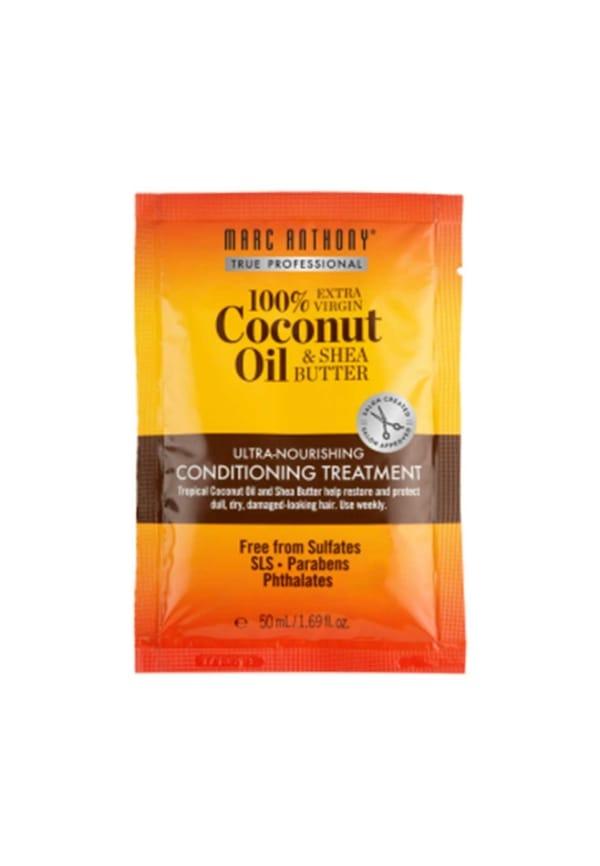
Hydrating Coconut Oil And Shea Butter Deep Nourishing Conditioning Treatment Mask
You might notice some immediate improvement in how your hair feels after just one use – it should feel softer and more manageable. However, real improvements in hair health typically take 4-6 weeks of consistent use. This is because hair grows slowly, and you need time for the healthier hair to replace the damaged sections. Be patient and consistent with your routine for the best results.
Not necessarily! While some high-end masks do contain more sophisticated ingredients or higher concentrations of active components, plenty of affordable options work brilliantly. The key is to look at the ingredient list rather than the price tag. Sometimes you're paying for fancy packaging or marketing rather than better ingredients. That said, if you have specific concerns like severe damage or unusual hair needs, investing in a targeted treatment might be worth it.
Generally, it's better to stick to one mask at a time to avoid overwhelming your hair. However, some people do layer different treatments – for example, using a protein mask first followed by a moisturising one. If you want to try this, start with the lightest formula first and pay attention to how your hair responds. It's easy to overdo it and end up with heavy, greasy hair.
The best hair mask for moisture is only part of the equation – your overall hair care routine plays a huge role in maintaining hydration. Use a gentle, sulphate-free shampoo that won't strip your hair of its natural oils. Follow up with a good conditioner every time you wash, and consider using a leave-in treatment for extra protection.
Your lifestyle choices matter too. Drinking plenty of water, eating a balanced diet rich in healthy fats, and protecting your hair from heat and sun damage all contribute to better hair health. Sleep on a silk or satin pillowcase to reduce friction, and avoid brushing wet hair when it's most vulnerable.
If you're dealing with severely dry or damaged hair, it might be worth consulting a professional stylist or trichologist. They can help identify underlying causes and recommend targeted treatments that address your specific needs.
Finding the best mask for dryness is really about understanding your hair's unique needs and being consistent with your care routine. Whether you're dealing with environmental damage, chemical processing, or just naturally dry hair, there's a solution out there that can help restore your hair's health and shine.
Remember that hair care is a journey, not a destination. What works for your hair might change with the seasons, your age, or changes in your routine. The key is to stay flexible and pay attention to what your hair is telling you.
At Smytten, you'll find a curated selection of hair masks and treatments from trusted brands, making it easier to discover what works best for your hair type. Not sure which format works for your hair? Smytten also offers trial-size versions of many of these products – a good way to test different formulations before committing to a full-size bottle.
