Best Hair Growth Oil: Your Complete Guide


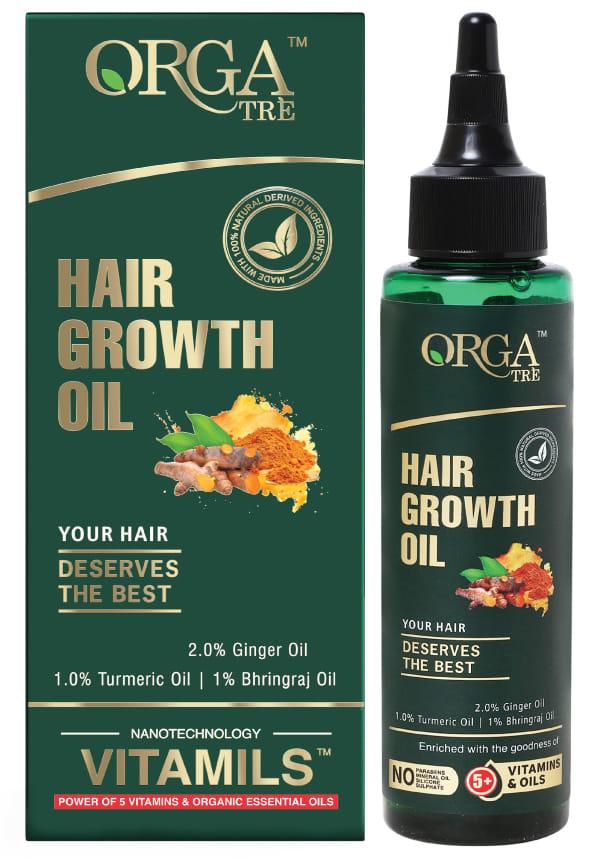 100 ml
Hair Growth Oil
Let's be real—we've all been there. Staring at our reflection, wondering why our hair seems to have hit the pause button on growth. Whether you're dealing with thinning strands, slow growth, or just want thicker, healthier hair, the right hair growth oil might just become your new fave. The thing is, with countless options flooding the market, finding the best oil for hair growth can feel overwhelming. But here's the good news: science has actually backed several oils that genuinely work. From ancient Ayurvedic remedies to modern research-proven solutions, we're about to dive into everything you need to know about hair growth oils that actually deliver results.
Your hair follows a pretty fascinating cycle that most of us never really think about. There are three main phases: anagen (the growth phase), catagen (the transition phase), and telogen (the resting phase). The anagen phase is where the magic happens—this is when your hair actively grows, and it can last anywhere from two to seven years. The longer your hair stays in this phase, the longer it can grow.
Here's where hair growth oils come into play. These natural hair growth remedies work by penetrating your scalp and hair follicles, delivering essential nutrients directly where they're needed most. Think of them as a concentrated dose of vitamins and minerals for your scalp. They improve blood circulation, which means more oxygen and nutrients reach your hair follicles. Plus, many oils contain compounds that can actually stimulate dormant follicles back into action.
Common culprits behind hair thinning include hormonal changes, stress, poor nutrition, and even over-styling. Hair growth oils tackle these issues by nourishing your scalp, reducing inflammation, and creating the perfect environment for healthy hair development. It's like giving your hair follicles the VIP treatment they deserve.
Ready to meet the superstars of the hair growth world? These oils have earned their reputation through both traditional use and modern scientific backing. Each one brings something unique to the table, so you can find your perfect match based on your specific hair needs.
If there's one oil that deserves the crown for hair growth, it's castor oil. This thick, amber-coloured oil contains ricinoleic acid—a compound that's basically like a personal trainer for your hair follicles. Studies show that ricinoleic acid can increase circulation to the scalp by up to 50%, which translates to faster growth and thicker strands.
The best way to use castor oil? Warm it slightly, massage it into your scalp for 5-10 minutes, then leave it on for at least an hour before washing. Fair warning: it's quite thick, so you might want to mix it with a lighter oil like coconut or jojoba for easier application.
Here's something that might surprise you: rosemary oil has been shown to be as effective as minoxidil (that's the active ingredient in many commercial hair growth treatments) in clinical trials. This hair strengthening oil works by blocking DHT, a hormone that can shrink hair follicles and lead to hair loss.
Since rosemary oil is quite potent, always dilute it with a carrier oil. A good ratio is 3-5 drops of rosemary oil per tablespoon of carrier oil. The tingling sensation you might feel? That's increased blood flow working its magic.
Coconut oil isn't just trendy—it's genuinely one of the best oils for hair when it comes to preventing protein loss. Its unique molecular structure allows it to penetrate the hair shaft better than most other oils, making it excellent for strengthening weak or damaged hair.
This oil for healthy hair works particularly well for dry or chemically treated hair. Apply it from mid-length to ends for moisture, or use it as a pre-wash treatment on your scalp for growth benefits.
Don't let the name put you off—onion oil is seriously effective for hair thickening. The sulfur compounds in onions boost collagen production and improve blood circulation to the scalp. Studies have shown that people using onion oil saw significant regrowth in just six weeks.
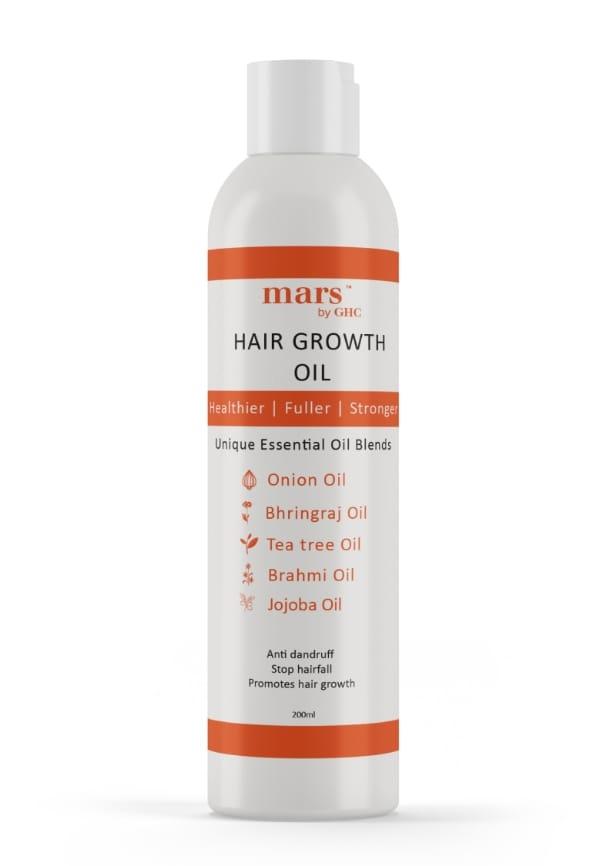 200 ml
Hair Growth Oil
You can make your own by blending onions and straining the juice, or opt for commercial versions that have removed the strong smell whilst keeping the benefits.
Packed with vitamin E and essential fatty acids, argan oil is like a multivitamin for your hair. It's particularly brilliant for adding shine and protecting against heat damage whilst promoting growth. This hair care oil is lightweight enough for daily use and works well on all hair types.
Apply a few drops to damp hair for heat protection, or use it as an overnight treatment for deep nourishment.
Technically a wax rather than an oil, jojoba closely mimics your scalp's natural sebum. This makes it perfect for balancing oil production—it won't clog pores but will provide the moisture your scalp needs for optimal hair growth.
Jojoba oil is also an excellent carrier oil for mixing with essential oils like rosemary or peppermint.
The cooling sensation of peppermint oil isn't just refreshing—it's actually increasing blood flow to your scalp. Research shows that peppermint oil can increase the number of hair follicles and promote deeper follicle growth.
Always dilute peppermint oil (2-3 drops per tablespoon of carrier oil) as it can be quite strong. The tingling feeling is normal and shows it's working.
This traditional Indian remedy has been used for centuries to promote hair growth and prevent premature greying. Modern research backs up its effectiveness, showing that bhringraj can stimulate hair follicles and improve hair density.
Look for authentic bhringraj oil from reputable Ayurvedic brands for the best results.
Choosing the right hair growth oil isn't a one-size-fits-all situation. Your hair type, scalp condition, and specific concerns all play a role in finding your perfect match. Let's break it down so you can make the smartest choice for your hair goals.
If you have an oily scalp, lighter oils like jojoba or argan work brilliantly without adding extra grease. For dry scalps, richer oils like castor or coconut provide the deep nourishment you need. Those with sensitive scalps should start with gentle options like jojoba before moving to stronger oils like peppermint or rosemary.
Consider your main concern too. Thinning hair responds well to circulation-boosting oils like rosemary and peppermint. If breakage is your issue, strengthening oils like coconut and argan are your best bets. For overall slow growth, castor oil remains the gold standard.
Budget matters as well. Coconut and castor oils offer excellent value for money, whilst premium options like argan provide luxury benefits. The good news is that effective hair growth doesn't have to break the bank—some of the most proven oils are also the most affordable.
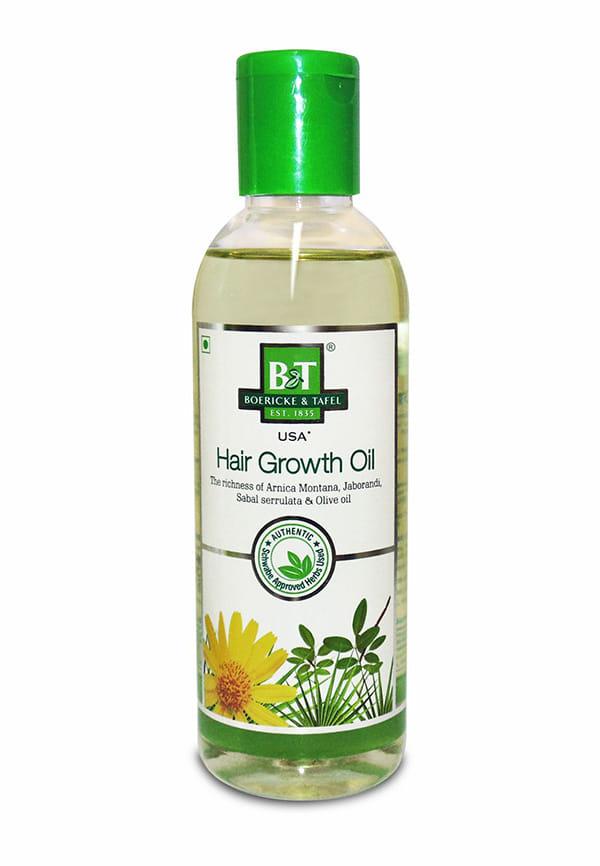 200 ml
Hair Growth Oil
Having the right oil is only half the battle—how you apply it makes all the difference. The most effective method is the pre-wash treatment: apply your chosen oil to dry hair and scalp, massage gently for 5-10 minutes, then leave it on for at least 30 minutes before shampooing.
Scalp massage is crucial for maximising benefits. Use your fingertips (not nails) to massage in circular motions, working from your hairline towards the crown. This stimulates blood flow and helps the oil penetrate deeper into your follicles.
For frequency, 2-3 times per week is the sweet spot for most people. Daily application can lead to buildup and make your hair look greasy, whilst once a week might not provide enough consistent nourishment.
Heat can boost absorption—wrap your oiled hair in a warm towel or use a hair steamer for 10-15 minutes. Just make sure the heat isn't too intense, as this can damage your hair.
Dermatologists and hair specialists consistently recommend certain ingredients when it comes to natural hair growth remedies. Rosemary oil tops their list due to its clinical backing, followed by castor oil for its proven circulation benefits.
Medical professionals emphasise realistic expectations—hair growth oils can definitely help, but they're not miracle cures. Most people see initial improvements in hair texture and scalp health within 4-6 weeks, with noticeable growth results appearing after 3-4 months of consistent use.
It's important to know when to seek professional help. If you're experiencing sudden hair loss, patchy baldness, or scalp irritation that doesn't improve, consult a dermatologist or trichologist. These could be signs of underlying conditions that need medical treatment.
Doctors also stress the importance of patch testing any new oil, especially essential oils like rosemary or peppermint. Apply a small amount to your inner wrist and wait 24 hours to check for any allergic reactions.
Even with the best intentions, it's easy to make mistakes that can actually hinder your hair growth progress. One of the biggest errors is using too much oil—more isn't always better, and over-application can clog follicles and make your hair look greasy.
Another common mistake is choosing the wrong oil for your hair type. Using heavy oils like castor on already oily hair can worsen greasiness, whilst light oils might not provide enough nourishment for very dry hair.
Inconsistency is probably the biggest progress killer. Hair growth is a slow process, and sporadic use won't give you the results you're after. Set a routine and stick to it—your future self will thank you.
Many people also skip the patch test, which can lead to scalp irritation or allergic reactions. This is especially important with essential oils that need dilution.
Finally, don't expect overnight miracles. Hair growth takes time, and setting unrealistic expectations can lead to disappointment and giving up too soon. Trust the process and give your chosen oil at least three months to show its full potential.
When you're ready to explore different hair growth oils without committing to full-size bottles, platforms like Smytten make it incredibly easy to discover what works for your hair. With curated trial packs from trusted brands, you can test various scalp stimulation oils and find your perfect match before making a bigger investment. After all, why settle for 'maybe' when you can try different options and find what genuinely works for your unique hair needs?
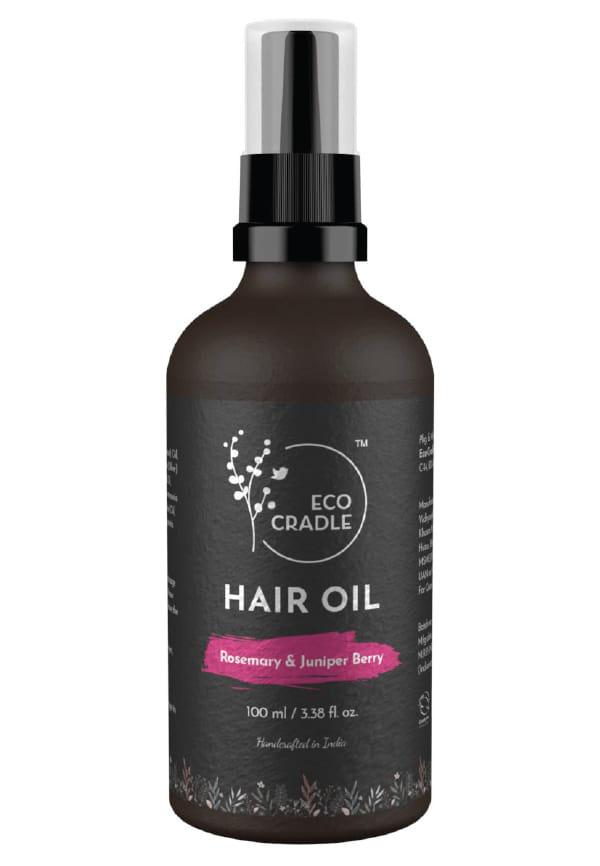 100 ml
Hair Oil
Castor oil and rosemary oil are considered the most effective options. Castor oil's ricinoleic acid promotes circulation and follicle stimulation, whilst rosemary oil has shown clinical results comparable to minoxidil in studies. The best choice depends on your hair type and specific concerns.
Apply hair growth oil 2-3 times per week for optimal results. Daily use can lead to product buildup and greasy hair, whilst less frequent application may not provide consistent benefits for your scalp and follicles.
Peppermint, rosemary, and castor oils are scientifically proven to accelerate growth through improved scalp circulation and follicle stimulation. Peppermint oil increases blood flow, rosemary blocks growth-inhibiting hormones, and castor oil provides deep follicle nourishment.
Most people notice initial improvements in hair texture and scalp health within 4-6 weeks of consistent use. Significant growth and thickness improvements typically become visible after 3-4 months of regular application.
Yes, combining oils like castor with rosemary or coconut with peppermint can enhance benefits by targeting multiple aspects of hair health. Start with small amounts to test compatibility and always dilute essential oils properly with carrier oils.
Most hair oils are safe when used properly, but essential oils like peppermint and rosemary can cause irritation if not diluted correctly. Always patch test new oils and discontinue use if you experience redness, itching, or unusual scalp sensitivity.
Apply hair growth oils to dry hair and scalp for better penetration and absorption. Wet hair can dilute the oil and reduce its effectiveness. For best results, apply to clean, dry hair before washing.
Certain oils like rosemary and onion oil can help with mild hair loss by improving circulation and blocking DHT hormones. However, severe hair loss may require medical treatment. Consult a dermatologist if you're experiencing significant or sudden hair loss.
Finding the best oil for hair growth doesn't have to be a guessing game. Whether you're drawn to the proven power of castor oil, the research-backed benefits of rosemary oil, or the nourishing properties of coconut oil, there's definitely an option that'll work for your hair type and goals.
Remember, consistency is absolutely key when it comes to seeing real results. Hair growth is a marathon, not a sprint, and the oils that work best are the ones you'll actually use regularly. Start with one oil, give it at least three months to work its magic, and don't be afraid to experiment with combinations once you know how your scalp responds.
The beauty of exploring natural hair growth remedies is that you can discover what genuinely works for your unique hair without the commitment of expensive treatments. With platforms like Smytten offering trial-sized versions of various hair care oils from trusted brands, you can explore different options and find your perfect match before investing in full-size products. After all, your hair deserves the best care possible, and finding the right oil might just be the game-changer you've been looking for.
