Best Frizz Solution FAQ: Common Questions Answered

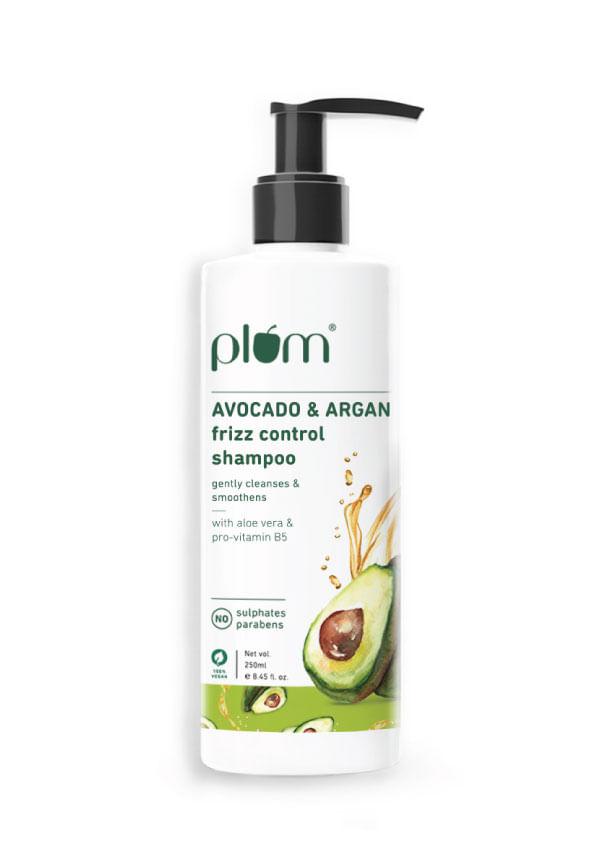
Avocado & Argan Frizz Control Shampoo For Curly, Wavy, Frizzy Hair
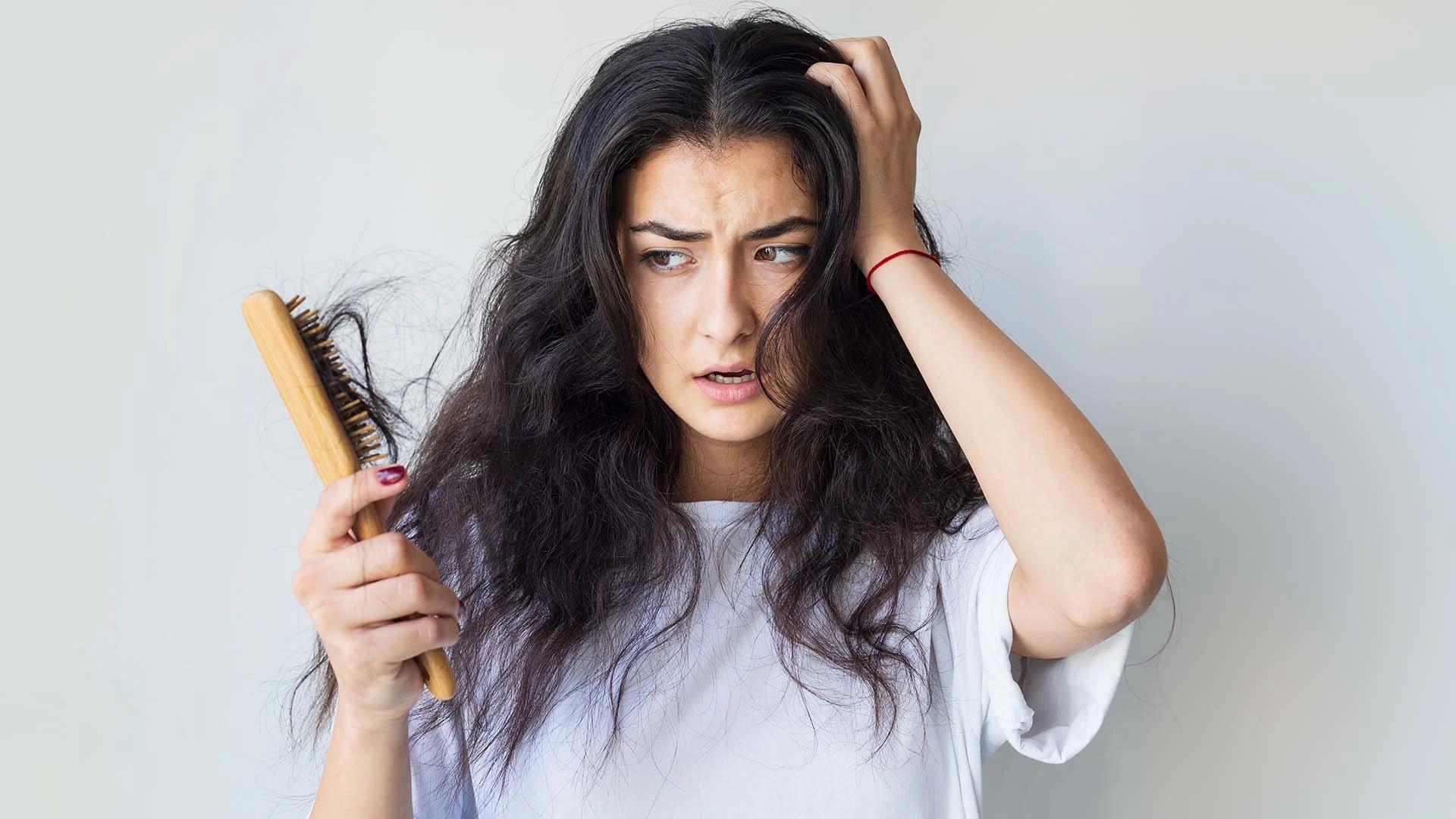
Picture this: you've spent ages perfecting your hair routine, only to step outside and watch your sleek strands transform into a frizzy mess within minutes. Sound familiar? You're definitely not alone in this struggle. Millions of people deal with frizzy hair daily, whether it's down to humidity, damage, genetics, or just having naturally textured hair that loves to do its own thing. The good news? Finding the best frizz solution doesn't have to feel like searching for a needle in a haystack. From quick fixes to long-term treatments, there are plenty of ways to tame frizzy hair and achieve that smooth, manageable look you're after. Let's dive into the most common questions about frizz control and get you sorted with some real answers.
Real talk—there isn't one magic solution that works for everyone because frizzy hair comes in many forms. Your best frizz solution depends on what's causing your frizz in the first place. Some people battle humidity-induced frizz that appears the moment they step outside, while others deal with damage-related frizz from heat styling or chemical treatments. Then there are those with naturally textured hair that just tends to be more prone to frizz.
Before you can tackle frizz effectively, you need to figure out what type you're dealing with. Humidity-induced frizz usually happens when your hair absorbs moisture from the air, causing the hair shaft to swell and create that dreaded halo effect. This type responds well to humidity hair solutions like anti-humidity serums and protective styling products.
Damage-related frizz, on the other hand, occurs when your hair cuticles are lifted or damaged from heat styling, chemical processing, or environmental factors. This type of frizz needs repair-focused treatments and gentle handling to smooth things out.
When it comes to anti-frizz products, you've got several categories to choose from. Hair serums for frizz are brilliant for instant smoothing and shine, whilst leave-in conditioners provide ongoing moisture and protection. Deep conditioning masks work wonders for weekly intensive treatment, and smoothing shampoos and conditioners create the foundation for frizz-free hair.
Professional hair smoothing treatments like keratin treatments can provide longer-lasting results, typically lasting 3-6 months. However, at-home frizzy hair remedies can be just as effective with consistent use and the right products for your hair type.
The treatment that works best for you depends on how much time and money you want to invest, plus how severe your frizz situation is. Let's break down your options so you can make an informed choice.
Professional treatments like keratin treatments, Brazilian blowouts, and chemical relaxers can provide dramatic frizz reduction. Keratin treatments work by coating the hair shaft with protein, filling in gaps in damaged cuticles and creating a smoother surface. These typically last 3-6 months and gradually wash out over time.
Chemical relaxers permanently alter the hair's structure but require careful maintenance and can be damaging if not done properly. The key is finding a skilled stylist who understands your hair type and can recommend the best approach.
Don't underestimate the power of consistent at-home care. Deep conditioning masks used weekly can significantly improve hair texture and reduce frizz over time. Look for masks with ingredients like argan oil, shea butter, or keratin proteins.
Protein treatments can help repair damaged hair cuticles, whilst moisture treatments focus on hydrating dry, thirsty strands. The trick is figuring out whether your hair needs more protein or moisture—damaged hair usually needs protein, whilst dry hair craves moisture.
Sometimes you need to tame frizzy hair in a hurry, whether it's for a last-minute event or just because you can't deal with the chaos. Here are some quick solutions that actually work.
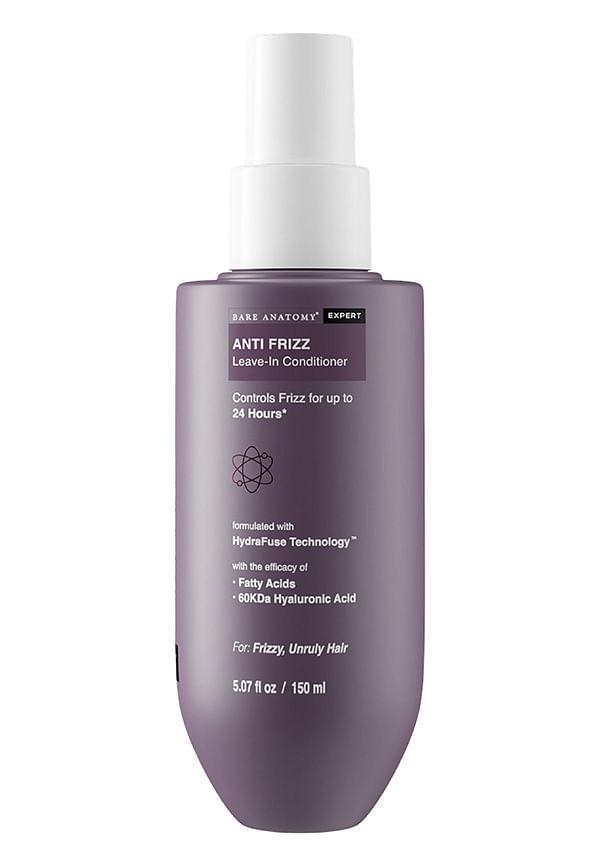
Expert Anti-Frizz Leave-In Conditioner For Smooth, Shiny & Great-Smelling Hair
Start with your washing technique. Use lukewarm water instead of hot water, which can strip natural oils and worsen frizz. When you're done washing, gently squeeze out excess water with a microfibre towel or cotton t-shirt instead of roughly rubbing with a regular towel.
Air-drying is gentler than blow-drying, but if you're short on time, use a diffuser attachment on low heat. Apply a heat protectant first to minimise damage and help smooth hair as it dries.
A good hair serum for frizz can work wonders in seconds. Look for lightweight formulas that won't weigh your hair down but will create a protective barrier against humidity. Apply to damp hair for best results, focusing on the mid-lengths and ends.
Leave-in conditioners are another quick fix that provides instant moisture and smoothing. They're particularly brilliant for fine hair that gets weighed down by heavier products. Styling creams can also help smooth hair whilst providing light hold for your style.
Navigating the world of anti-frizz products can feel overwhelming, but breaking them down by category makes it much easier to find what works for your hair.
Your foundation starts in the shower. Sulphate-free shampoos are gentler on the hair cuticle and less likely to cause dryness that leads to frizz. Look for moisturising formulas with ingredients like glycerin, natural oils, or ceramides.
Conditioners should focus on smoothing and sealing the hair cuticle. Silicone-based conditioners can provide immediate smoothing effects, whilst natural oil-based formulas offer deeper nourishment over time.
Hair serums come in two main types: oil-based and silicone-based. Oil-based serums like argan or jojoba oil provide nourishment and natural shine, whilst silicone-based serums create an instant smoothing effect and humidity barrier.
Heat protectants with anti-frizz benefits are essential if you use styling tools. They create a protective barrier that prevents heat damage whilst smoothing the hair cuticle for sleeker results.
Deep conditioning masks should be your weekly ritual for managing frizzy hair. Look for masks with hydrating ingredients like hyaluronic acid, shea butter, or coconut oil for dry, frizzy hair. If your hair is damaged from chemical processing or heat styling, protein masks with keratin or collagen can help rebuild the hair structure.
The key is consistency—using a mask once won't transform your hair, but weekly treatments over several months can make a significant difference in texture and manageability.
Not all frizz is created equal, and different hair concerns require tailored approaches. Here's how to address specific situations you might be dealing with.
Fine hair can be tricky because it gets weighed down easily, but it still needs moisture to prevent frizz. Look for lightweight, volumising formulas that provide smoothing without heaviness. Mousse-based products or light leave-in sprays work well for fine hair types.
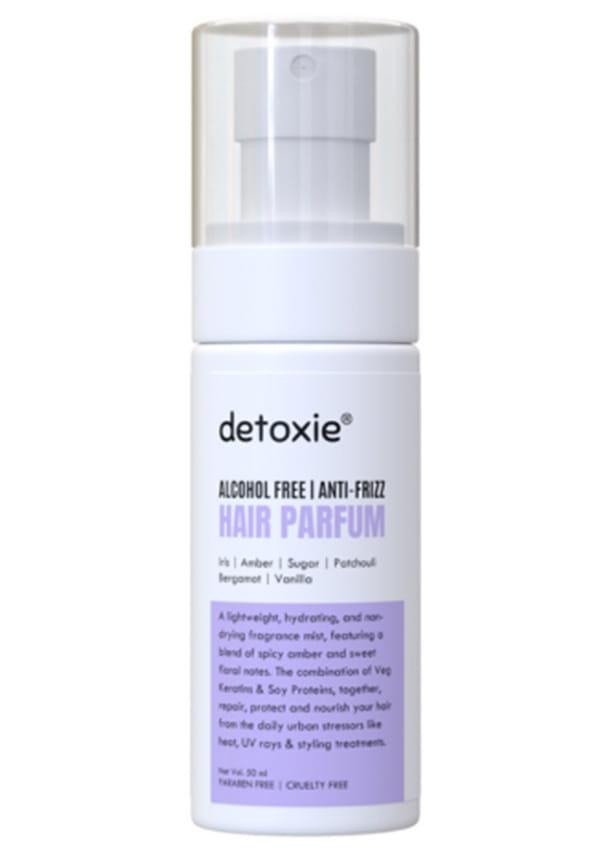
Alcohol Free Anti-Frizz Hair Parfum
Avoid heavy oils or thick creams that can make fine hair look greasy or flat. Instead, opt for water-based serums or lightweight mists that provide frizz control without compromising volume.
Curly and textured hair is naturally more prone to frizz because of its structure. The key is embracing your natural texture whilst managing frizz through proper moisture and styling techniques.
The curly girl method, which involves avoiding sulphates and silicones, works well for many people with textured hair. Focus on deep conditioning, gentle detangling, and using products specifically formulated for curly hair.
Colour-treated hair is more porous and prone to frizz because the chemical process lifts the hair cuticle. Use colour-safe products that won't strip your colour whilst providing extra moisture and protection.
Purple shampoos for blonde hair or colour-depositing conditioners can help maintain your colour whilst addressing frizz. Always use a heat protectant when styling colour-treated hair to prevent further damage.
Managing frizzy hair isn't just about the products you use—it's about developing good habits and techniques that support healthy hair over time.
Start with a gentle cleansing routine using lukewarm water and sulphate-free shampoo. Don't wash your hair every day unless it's very oily—most hair types benefit from washing 2-3 times per week to maintain natural oils.
Apply conditioner from mid-length to ends, avoiding the roots. Use a wide-tooth comb to detangle whilst the conditioner is in your hair, starting from the ends and working your way up.
After washing, gently squeeze out excess water and apply your leave-in products to damp hair. This helps lock in moisture and creates a smooth base for styling.
Humidity is frizzy hair's biggest enemy, so creating a barrier against environmental moisture is crucial. Use anti-humidity sprays or serums before heading out, especially on humid days.
Protect your hair whilst sleeping by using a silk or satin pillowcase, which creates less friction than cotton. You can also try protective hairstyles like loose braids or a silk scarf wrap to prevent overnight frizz.
Deep conditioning masks should be used weekly, whilst daily leave-in products can be used every time you wash your hair. Professional treatments like keratin typically last 3-6 months, so you'd only need them 2-4 times per year.
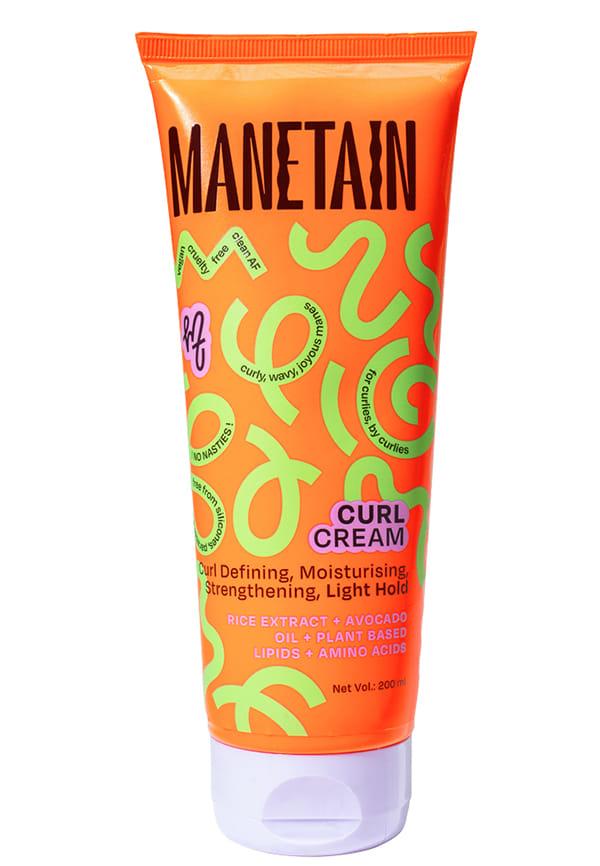
Frizz Control Curl Cream
Yes, layering products can be effective, but start with lighter products first and build up. Use leave-in conditioner first, followed by serum or oil, then styling products. Avoid using too many silicone-based products together as they can build up.
Avoid harsh sulphates, drying alcohols (like denatured alcohol), and excessive heat styling. Some people with very dry hair also benefit from avoiding silicones, which can build up over time and prevent moisture from penetrating the hair.
Keratin treatments typically last 3-6 months, depending on your hair type and how often you wash it. Chemical relaxers are permanent but require touch-ups every 6-8 weeks as new growth appears.
Natural oils like argan, coconut, and jojoba can be very effective for frizz control, especially for dry hair. However, they work best as part of a comprehensive routine rather than standalone solutions.
Indoor heating and cold outdoor air can strip moisture from your hair, leading to increased frizz. Use a humidifier indoors and switch to more moisturising products during colder months.
Yes, proper nutrition supports healthy hair growth and texture. Omega-3 fatty acids, biotin, and adequate hydration can all contribute to smoother, less frizzy hair over time.
Air drying is generally gentler, but if you blow dry, use a heat protectant and keep the dryer moving to avoid concentrated heat in one area. A diffuser attachment can help minimise frizz when blow drying.
Damaged hair that feels weak or stretchy usually needs protein, whilst dry hair that feels rough or brittle needs moisture. If you're unsure, try a moisture treatment first, as over-proteining can make hair feel stiff.
Whilst you can significantly improve frizz through treatments and proper care, completely eliminating frizz permanently isn't usually possible, especially for naturally textured hair. The goal is management rather than elimination.
Finding the best frizz solution is really about understanding your hair type and what's causing your frizz in the first place. Whether you're dealing with humidity-induced chaos or damage-related texture issues, there are effective ways to manage frizzy hair and achieve smoother results. The key is consistency—using the right products regularly will give you better results than sporadic intensive treatments.
Remember that managing frizzy hair is a journey, not a destination. What works for your friend might not work for you, so don't be afraid to experiment with different approaches until you find your perfect routine. From quick-fix serums to weekly deep conditioning masks, building a comprehensive frizz control routine takes time but is absolutely worth it for smoother, more manageable hair. If you're looking to try different anti-frizz products without committing to full sizes, Smytten offers trial-size versions of many popular frizz control products—a smart way to test what works for your hair before investing in the full bottle.
