Best Dandruff Solutions FAQ: Your Scalp Care Questions Answered


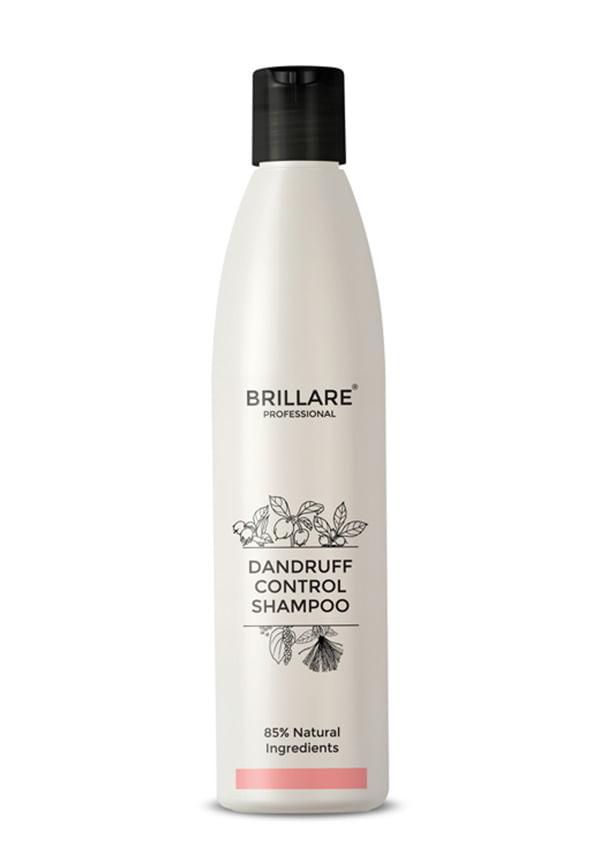
Dandruff Control Shampoo For Itchy, Flaky Scalp
You know that moment when you're getting ready for something important and suddenly notice those telltale white flakes on your shoulders? Or when your scalp starts itching so badly that you can't focus on anything else? Real talk — dandruff affects about half of all adults, so you're definitely not alone in this struggle. The good news is that with the right approach, you can get your scalp back to feeling comfortable and flake-free.
Whether you're dealing with occasional flakes or persistent itching, finding the best dandruff solutions doesn't have to be overwhelming. From understanding what's actually causing those flakes to discovering which treatments work fastest, we've got all your scalp care questions covered. Let's dive into everything you need to know about getting lasting dandruff relief.
Before jumping into treatments, it's worth understanding what's actually going on up there. Dandruff isn't just about dry skin — it's usually caused by a fungus called Malassezia that naturally lives on your scalp. When this fungus gets a bit too comfortable and starts overgrowing, it feeds on the oils your scalp produces and creates irritation that leads to those flaky patches.
But here's where it gets interesting — not all flaky scalps are created equal. Classic dandruff typically comes with oily, yellowish flakes and can make your scalp feel itchy or irritated. Dry scalp, on the other hand, produces smaller, whiter flakes and often feels tight or uncomfortable. Then there's seborrheic dermatitis, which is basically dandruff's more intense cousin — think redness, inflammation, and flakes that might spread beyond just your scalp.
Stress, hormonal changes, certain hair products, and even overwashing can all trigger or worsen dandruff. Some people notice their scalp acts up during seasonal changes, whilst others find that using too many styling products creates buildup that feeds the problem. Understanding your specific triggers is key to finding the right dandruff treatment approach.
When you need serious dandruff relief, medicated treatments are your best bet. The most effective anti-dandruff shampoo ingredients target the root cause rather than just masking symptoms. Ketoconazole is probably the strongest option — this antifungal ingredient can tackle even stubborn cases and is available in both over-the-counter and prescription strengths.
Pyrithione zinc is another powerhouse that works by slowing down the production of skin cells whilst fighting both bacteria and fungus. You'll find this in many popular anti-dandruff shampoos, and it's particularly good for ongoing maintenance once you've got your dandruff under control.
For those dealing with really persistent flakes, selenium sulfide can be a game-changer. It works by reducing the rate at which your scalp cells turn over, giving your skin time to heal properly. Salicylic acid is brilliant for removing existing buildup and dead skin cells, making it easier for other treatments to penetrate your scalp.
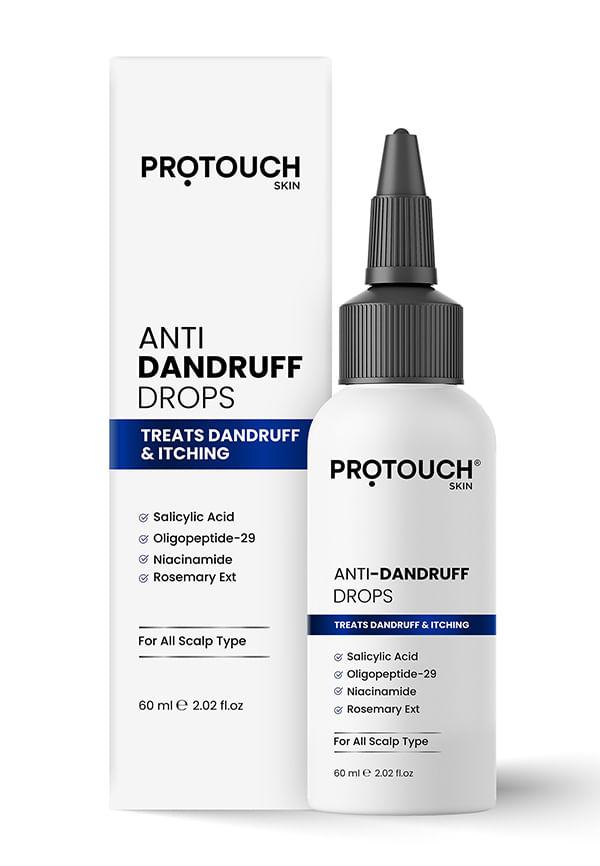
SKIN Anti Dandruff Drops Serum Soothes Itchy, Inflamed Scalp
If you prefer a gentler approach or want to complement your medicated treatments, natural dandruff remedies can be surprisingly effective. Tea tree oil has genuine antifungal properties that can help control the Malassezia fungus. Just remember to dilute it properly — a few drops mixed with a carrier oil like coconut or jojoba oil works well.
Apple cider vinegar is another favourite for itchy scalp remedies. Its acidic nature helps restore your scalp's natural pH balance, making it harder for fungus to thrive. Mix equal parts water and apple cider vinegar, apply to your scalp, leave for a few minutes, then rinse thoroughly.
Aloe vera gel can provide immediate soothing relief for irritated, inflamed scalps. It's particularly helpful if your dandruff comes with redness or sensitivity. Coconut oil not only has antimicrobial properties but also provides deep conditioning for dry, flaky scalps.
For quick results, start with a medicated shampoo containing ketoconazole or pyrithione zinc, used 2-3 times per week. You should see improvement within a week or two. Avoid overwashing, as this can actually make dandruff worse by stripping your scalp's natural oils and causing irritation. Combine your medicated shampoo with gentle daily cleansing using a mild, sulphate-free shampoo on non-treatment days.
Whilst you can effectively manage dandruff with consistent home care, calling it a "permanent cure" might be optimistic. The fungus that causes dandruff naturally lives on everyone's scalp, so the goal is really about keeping it under control. Natural remedies like tea tree oil treatments, apple cider vinegar rinses, and proper scalp hygiene can definitely keep dandruff at bay long-term. The key is finding a routine that works for your specific scalp type and sticking with it.
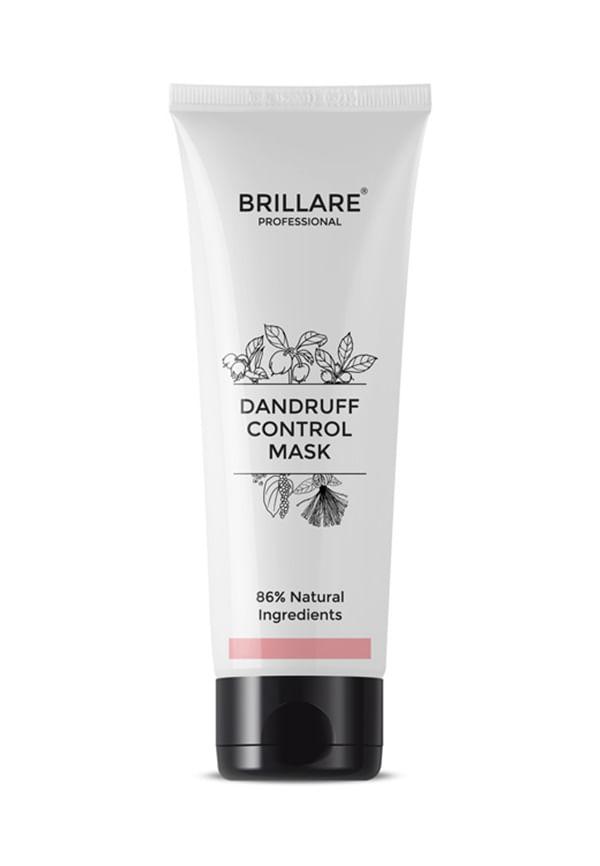
Dandruff Control Mask For Itchy, Flaky Scalp
Dandruff typically produces larger, oilier flakes that are yellowish in colour, and your scalp might feel itchy or irritated. Dry scalp creates smaller, whiter flakes and often feels tight or uncomfortable rather than itchy. Dandruff flakes tend to stick to your hair and scalp, whilst dry scalp flakes fall off more easily. If you're still unsure, try using a gentle moisturising shampoo for a week — if it helps, you likely have dry scalp. If not, you're probably dealing with dandruff.
It depends on your specific situation. Ketoconazole is the strongest option for stubborn dandruff and seborrheic dermatitis treatment. Pyrithione zinc works well for regular maintenance and is gentler for daily use. Selenium sulfide is excellent for really persistent cases but can be drying. Salicylic acid is brilliant if you have a lot of buildup or thick flakes. Many people find success rotating between different active ingredients to prevent their scalp from getting used to one treatment.
This varies by hair type and dandruff severity. For oily hair with dandruff, washing every other day with medicated shampoo often works well. If you have dry or chemically treated hair, 2-3 times per week might be better. The key is finding the balance — washing too frequently can irritate your scalp and worsen dandruff, whilst not washing enough allows oils and dead skin to build up. Start with every other day and adjust based on how your scalp responds.
Not necessarily. Many effective anti-dandruff ingredients are available in affordable formulations. The active ingredient matters more than the price tag. That said, some premium products might include additional soothing or conditioning ingredients that make them more pleasant to use. Focus on finding products with proven active ingredients like ketoconazole, pyrithione zinc, or selenium sulfide, regardless of price point.
Absolutely. Stress can trigger hormonal changes that affect oil production on your scalp, potentially feeding the fungus that causes dandruff. Stress also weakens your immune system, making it harder for your body to keep the Malassezia fungus in check. Many people notice their dandruff gets worse during particularly stressful periods. Managing stress through exercise, adequate sleep, and relaxation techniques can definitely help with overall scalp health.
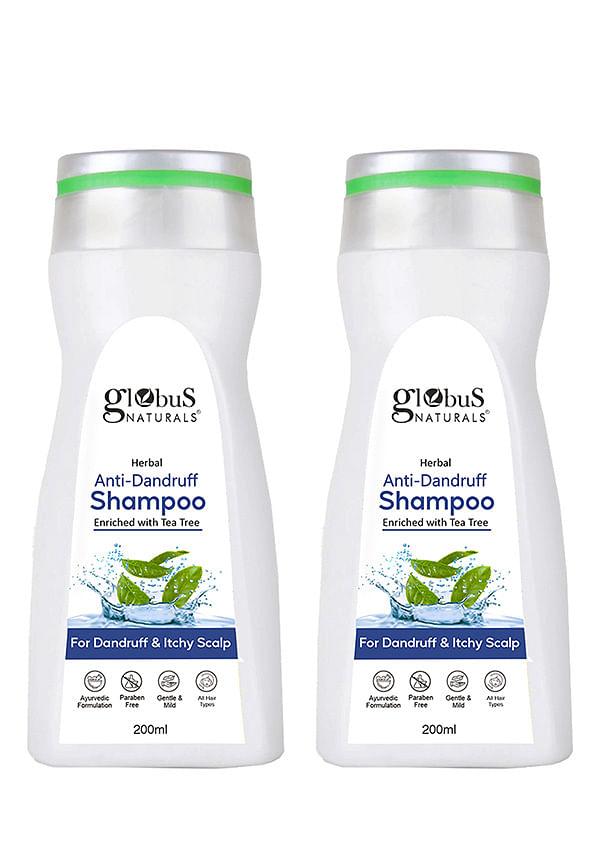
Anti Dandruff Shampoo, For Dandruff and Itchy Scalp
Seborrheic dermatitis is essentially a more severe form of dandruff. Whilst regular dandruff mainly affects your scalp with flaking and mild itching, seborrheic dermatitis can cause redness, inflammation, and scaling that might spread to your eyebrows, nose, or chest. The flakes are often thicker and more adherent to the scalp. If you're dealing with significant redness, thick scales, or symptoms beyond your scalp, it's worth seeing a dermatologist for proper seborrheic dermatitis treatment.
Many natural ingredients have genuine anti-fungal or anti-inflammatory properties that can help with dandruff. Tea tree oil, apple cider vinegar, and aloe vera all have research backing their effectiveness. However, natural doesn't always mean gentle — some people are sensitive to essential oils or acidic treatments. Natural remedies often work best for mild dandruff or as maintenance treatments alongside medicated options. They're definitely worth trying, especially if you prefer avoiding harsh chemicals.
If over-the-counter treatments haven't helped after 4-6 weeks of consistent use, it's time to see a dermatologist. Also seek professional help if you notice significant redness, thick scales, hair loss, or if the flaking spreads beyond your scalp. Sometimes what looks like dandruff might actually be psoriasis, eczema, or another skin condition that needs specific treatment. A dermatologist can provide stronger prescription treatments and rule out other underlying issues.
Once you've found treatments that work, the goal shifts to maintaining healthy scalp conditions long-term. This means developing a routine that keeps dandruff at bay without overdoing it. Many people find success with a rotation approach — using medicated shampoo 2-3 times per week and a gentle, moisturising shampoo on other days.
Pay attention to seasonal changes, as many people notice their scalp behaves differently in winter versus summer. Cold, dry air can worsen dry scalp conditions, whilst hot, humid weather might trigger more oil production and fungal growth. Adjust your routine accordingly — you might need more intensive treatments during certain times of year.
Remember that consistency is key with any scalp care routine. It's better to use a gentle treatment regularly than to go overboard with harsh products occasionally. Your scalp needs time to heal and rebalance, so give any new treatment at least 4-6 weeks before deciding whether it's working.
Finding the best dandruff solutions is really about understanding your specific scalp type and being consistent with treatment. Whether you choose medicated shampoos with proven active ingredients or prefer natural remedies like tea tree oil and apple cider vinegar, the key is sticking with your chosen approach long enough to see results.
Don't expect overnight miracles — most effective dandruff treatments take several weeks to show their full benefits. Start with one approach rather than trying multiple treatments at once, as this makes it easier to identify what's actually working for your scalp.
If you're curious about trying different scalp care products before committing to full-size bottles, Smytten offers trial-size versions of many haircare products — a smart way to test what works for your specific dandruff concerns without the investment risk. After all, finding your perfect scalp care routine shouldn't involve guesswork when you can actually try before you buy.
