Benefits of Hair Mask FAQ: Common Questions Answered

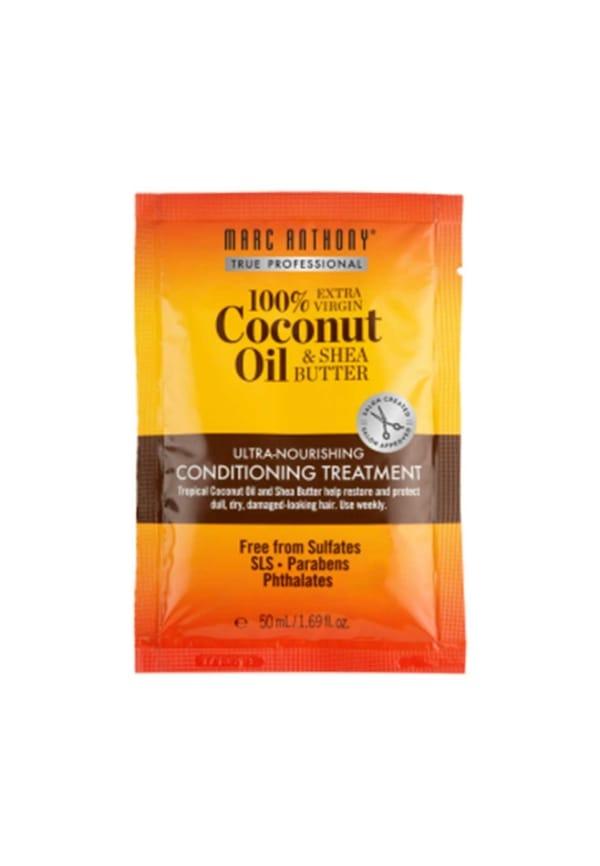
Hydrating Coconut Oil And Shea Butter Deep Nourishing Conditioning Treatment Mask
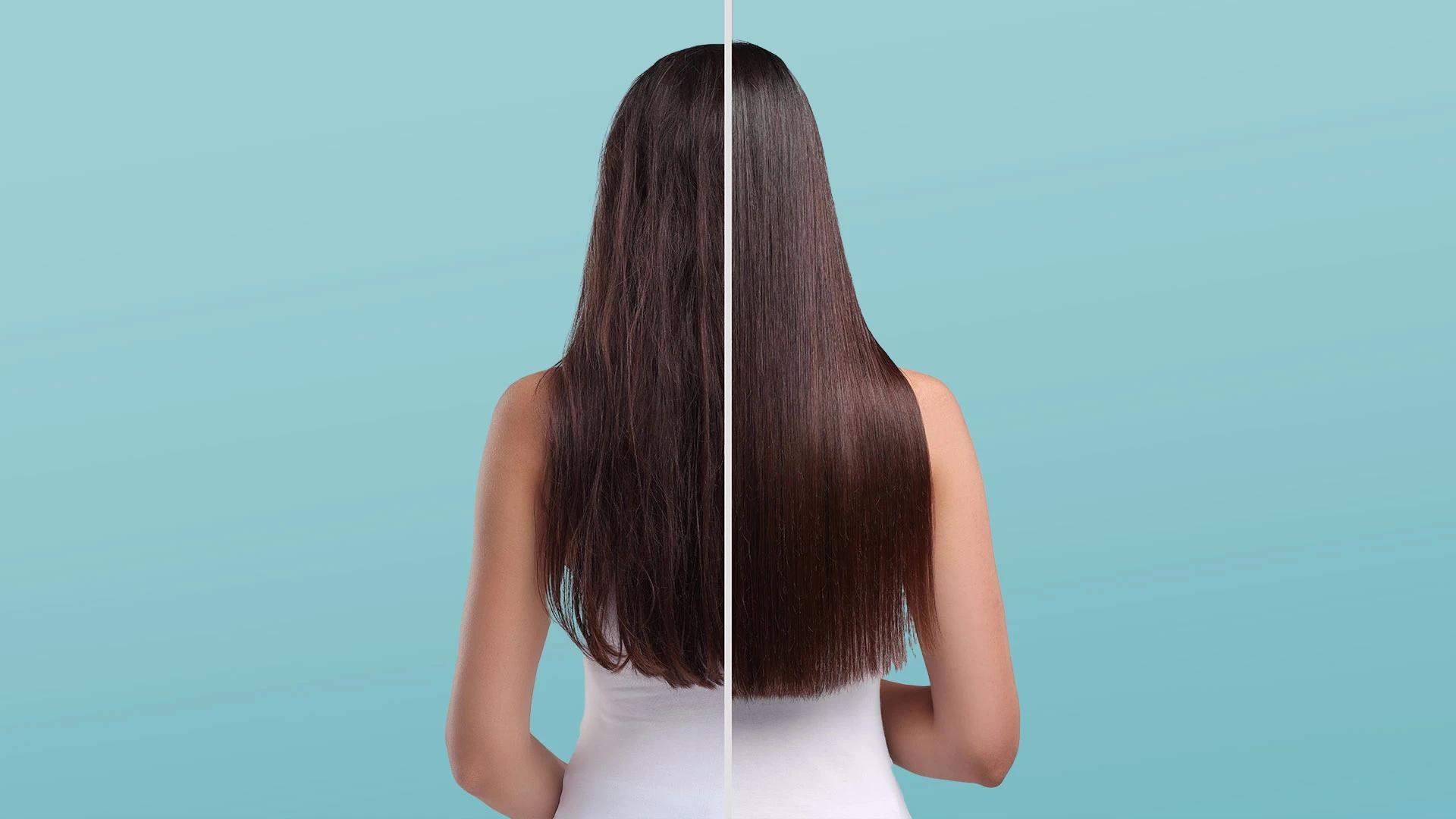
You know that feeling when your hair looks like it's been through a blender, and no amount of regular conditioner seems to help? We've all been there—staring at dry, lifeless strands wondering if there's actually a solution that works. Enter hair masks: those thick, creamy treatments that promise to transform your hair in just 20 minutes. But do they actually deliver on the hype, or is it just another beauty myth? Let's dive into the real benefits of hair masks and answer all those burning questions you've been googling at 2 AM.
Think of hair masks as the intensive care unit for your hair. Unlike your everyday conditioner that gives a quick surface fix, these deep conditioning treatments are packed with concentrated oils, proteins, and lipids that actually penetrate your hair shaft. The magic happens during that 10-20 minute application time—long enough for the active ingredients to work their way into damaged areas and fill in gaps where your hair's natural structure has been compromised.
Here's the science bit: your hair cuticles (the outer protective layer) lift slightly when wet, creating tiny pathways for nutrients to enter. Hair masks contain smaller molecules than regular conditioners, allowing them to slip through these openings and repair damage from the inside out. It's like the difference between putting a plaster on a cut versus actually healing the wound underneath.
The key difference between hair masks and your standard conditioner? Concentration and contact time. While conditioners work on the surface level in 2-3 minutes, hair masks need that extended time to deliver their concentrated dose of repair ingredients. That's why you can't just slap one on and rinse immediately—patience is part of the process.
Let's get real about what hair mask benefits you can actually expect. No magic transformations overnight, but these treatments do deliver some pretty impressive results when used consistently.
1. Intense Moisture and Hair Hydration
Dry hair isn't just about appearance—it's structurally compromised. A good hair hydration mask works like a drink of water for parched strands, using ingredients like hyaluronic acid, glycerin, and natural oils to bind moisture deep within the hair shaft. This isn't surface-level hydration that washes out with your next shampoo; it's the kind that actually restores your hair's moisture balance.
2. Damage Repair and Reconstruction
Heat styling, chemical treatments, and even aggressive brushing create microscopic tears in your hair structure. Hair repair masks contain proteins like keratin and amino acids that literally fill in these gaps, rebuilding your hair's integrity from within. Think of it as scaffolding for damaged hair—providing support while natural repair processes take over.
3. Frizz Control and Smoothness
Frizz happens when your hair cuticles are raised and rough, catching light unevenly and creating that chaotic texture. Hair masks smooth down these cuticles by filling in irregularities and creating a more uniform surface. The result? Hair that reflects light evenly and feels silky to touch.
4. Enhanced Shine and Elasticity
Healthy hair has natural elasticity—it can stretch slightly when wet without breaking. Damaged hair loses this flexibility, becoming brittle and prone to snapping. Regular mask treatments restore this bounce-back quality while creating the smooth surface needed for that glossy, healthy shine.
5. Scalp Health Improvement
Your scalp is skin, and like facial skin, it benefits from targeted treatments. Many hair masks contain ingredients that soothe irritation, balance oil production, and create an optimal environment for healthy hair growth. A happy scalp grows stronger, healthier hair.
6. Colour Protection
Colour-treated hair has been chemically altered, making it more porous and prone to fading. Hair masks create a protective barrier that helps lock in colour molecules while providing the extra moisture that processed hair desperately needs.
7. Breakage Prevention
Strong hair doesn't break easily. By reinforcing your hair's structure with proteins and maintaining optimal moisture levels, regular mask treatments significantly reduce breakage and split ends. It's preventative care that saves you from more drastic measures later.
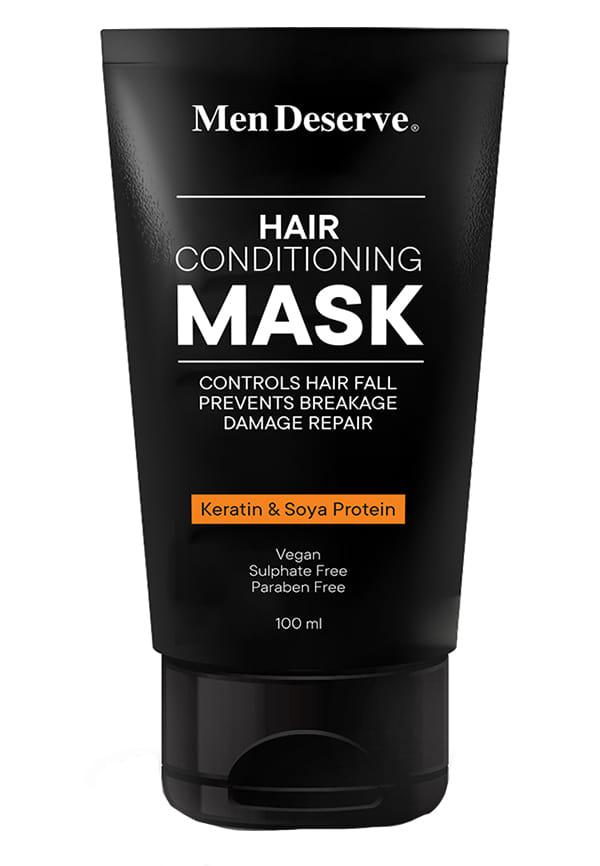
Hair Conditioning Mask For Hair Fall Control and Nourishment
Not all hair is created equal, and neither are hair masks. A hair mask for dry hair will be rich in oils and humectants, while a hair mask for damaged hair might focus more on protein reconstruction. Fine hair needs lightweight formulas that won't weigh it down, while thick, coarse hair can handle heavier, more intensive treatments. The key is matching the treatment to your specific needs rather than going for a one-size-fits-all approach.
The DIY hair mask trend is everywhere, and honestly, some homemade treatments can work wonders. Natural hair mask ingredients like coconut oil, honey, avocado, and eggs have genuine benefits—coconut oil penetrates the hair shaft better than most oils, honey is a natural humectant that draws moisture from the air, and eggs provide protein for strengthening.
The appeal of a homemade hair mask is obvious: you know exactly what's going into it, it's cost-effective, and you can customise ingredients for your specific concerns. Plus, there's something satisfying about whipping up a treatment in your kitchen using ingredients you can actually pronounce.
But here's where store-bought formulas have the edge: consistency and concentration. Professional hair mask ingredients are precisely measured and stabilised to deliver consistent results every time. They also contain molecules that have been specifically designed to penetrate hair effectively—something that's hard to replicate in your kitchen.
The best hair mask ingredients often work better when combined with complementary compounds that enhance absorption and stability. While your DIY avocado mask might feel luxurious, a professionally formulated treatment will likely deliver more dramatic and lasting results.
That said, natural ingredients aren't just marketing fluff. Many effective hair masks combine the best of both worlds—natural extracts and oils enhanced with scientific delivery systems that ensure they actually reach where they're needed most.
Here's where many people go wrong: thinking more is always better. Using a hair mask daily might seem like fast-tracking to perfect hair, but it can actually backfire. Over-conditioning leads to limp, greasy hair that lacks volume and bounce. Your hair needs time to absorb and utilise the nutrients from each treatment.
The sweet spot for most hair types is 1-2 times per week. If your hair is severely damaged, you might benefit from twice-weekly treatments initially, then scaling back to once weekly for maintenance. Fine hair typically needs less frequent treatments—maybe once every 10 days—while thick, coarse, or chemically treated hair can handle more regular applications.
Application technique matters as much as frequency. Start with clean, damp hair—not soaking wet, as excess water dilutes the treatment. Focus on mid-lengths to ends where damage is typically worst, avoiding the roots unless you're specifically treating scalp issues. Use a wide-tooth comb to distribute evenly, then cover with a shower cap to create gentle heat that enhances penetration.
Timing is crucial too. Most masks need 10-20 minutes to work effectively, but leaving them on longer doesn't necessarily mean better results. Some ingredients can actually cause irritation with extended contact, so stick to recommended times.
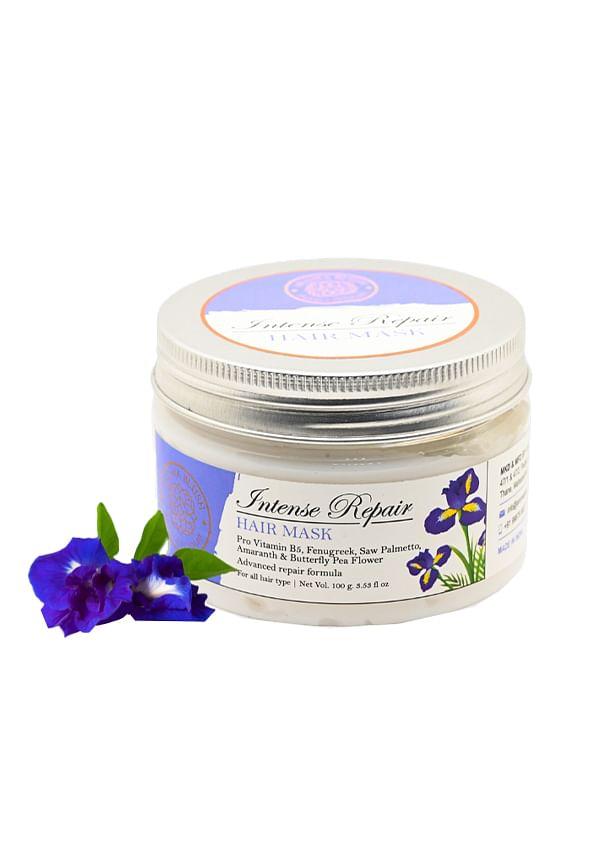
Intense Repair Hair Mask
Let's be honest—hair masks aren't miracle workers, and they're not right for everyone. The most common issue is over-conditioning, which leaves hair feeling heavy, greasy, and lacking volume. This happens when you use masks too frequently or choose formulas that are too rich for your hair type.
Some people experience scalp irritation, especially with masks containing strong active ingredients or essential oils. Always patch test new products, particularly if you have sensitive skin or known allergies. Apply a small amount behind your ear and wait 24 hours to check for reactions.
Protein-heavy masks can sometimes make hair feel stiff or brittle if overused. This happens when you tip the moisture-protein balance too far in one direction. If your hair starts feeling crunchy or breaking more than usual, switch to a moisturising mask and reduce frequency.
Another consideration: some masks can cause colour fading in freshly dyed hair, particularly those with clarifying ingredients. If you've just coloured your hair, wait at least a week before introducing intensive treatments.
Real talk: no hair mask will magically make your hair grow faster. Hair growth happens at the follicle level, and while a healthy scalp environment supports optimal growth, topical treatments can't override genetics or hormonal factors that determine your natural growth rate.
However, hair masks do support hair growth indirectly by preventing breakage and maintaining scalp health. When your hair is strong and doesn't break off at the ends, it appears to grow faster because you're retaining length. Similarly, masks that improve scalp circulation and reduce inflammation create better conditions for healthy follicle function.
Ingredients like caffeine, peppermint oil, and certain peptides in hair masks may stimulate blood flow to the scalp, which can support the hair growth process. But expecting dramatic length increases from mask treatments alone isn't realistic—think of them as part of a comprehensive hair health routine rather than a growth miracle.
The most significant benefit for growth-focused individuals is breakage prevention. Strong, well-moisturised hair breaks less, allowing you to retain the length you're growing. That's a genuine, measurable benefit that contributes to longer hair over time.
No, daily hair mask use isn't recommended for most people. Over-conditioning can weigh hair down, make it greasy, and disrupt your hair's natural balance. Stick to 1-2 times per week for optimal results without overwhelming your strands.
While the terms are often used interchangeably, hair masks typically contain higher concentrations of active ingredients and require longer application times. Deep conditioners might work in 3-5 minutes, while masks need 10-20 minutes to deliver their full benefits.
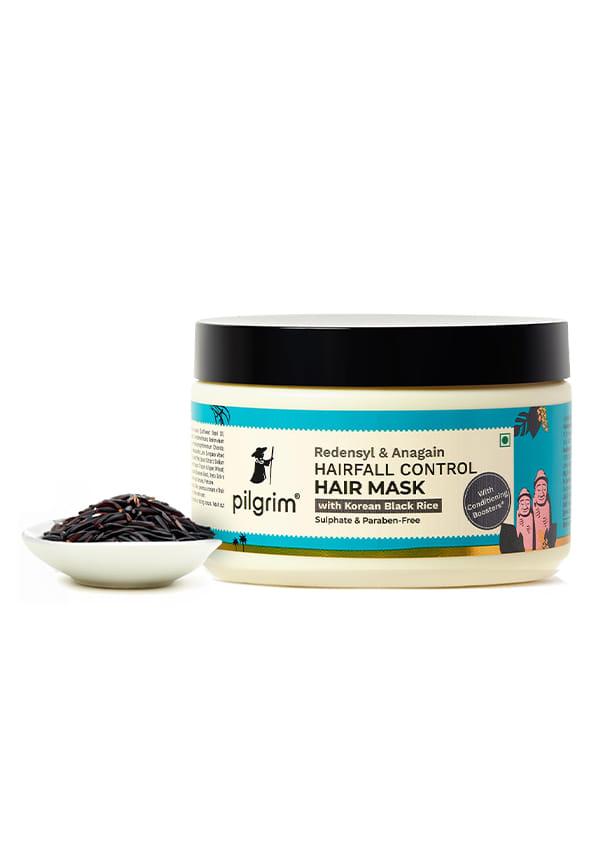
Redensyl & Anagain Hair Mask|Strengthens Hair |Prevents Hair Breakage|Smoothens Hair
Hair masks are intensive treatments, not daily maintenance products. You still need regular conditioner for everyday moisture and detangling. Think of masks as weekly spa treatments rather than daily essentials.
Results typically last 3-7 days, depending on your hair type, damage level, and environmental factors. Regular use builds cumulative benefits, with most people seeing significant improvements after 4-6 weeks of consistent treatment.
Price doesn't always equal quality, but higher-end masks often contain more concentrated active ingredients and better delivery systems. However, many affordable options deliver excellent results—focus on ingredients that match your hair's needs rather than price tags.
Unless specifically designed for overnight use, most masks shouldn't be left on for more than 20-30 minutes. Extended contact can cause irritation or over-conditioning. Always follow product instructions for safety and effectiveness.
Yes, but different textures need different formulations. Curly and coily hair typically benefits from richer, more moisturising masks, while fine hair needs lightweight formulas. The key is choosing products designed for your specific hair type and concerns.
Hair masks aren't just another beauty trend—they're legitimate treatments that can transform damaged, dry, or lacklustre hair when used correctly. The benefits of hair masks extend beyond surface-level improvements, offering genuine repair and protection that builds healthier hair over time.
The key to success lies in choosing the right treatment for your specific needs, using it consistently but not excessively, and maintaining realistic expectations. Whether you opt for natural DIY treatments or professionally formulated products, the science behind deep conditioning treatments is solid.
Remember, healthy hair is a marathon, not a sprint. Regular mask treatments, combined with gentle handling and protective styling, create the foundation for stronger, shinier, more manageable hair. At Smytten, you'll find a curated selection of hair masks from trusted brands, with options for every hair type and concern. Not sure which format works for your hair? Smytten also offers trial-size versions of many of these products—a good way to check before committing to a full bottle.
