Argan Oil for Dry Scalp FAQ: Your Questions Answered

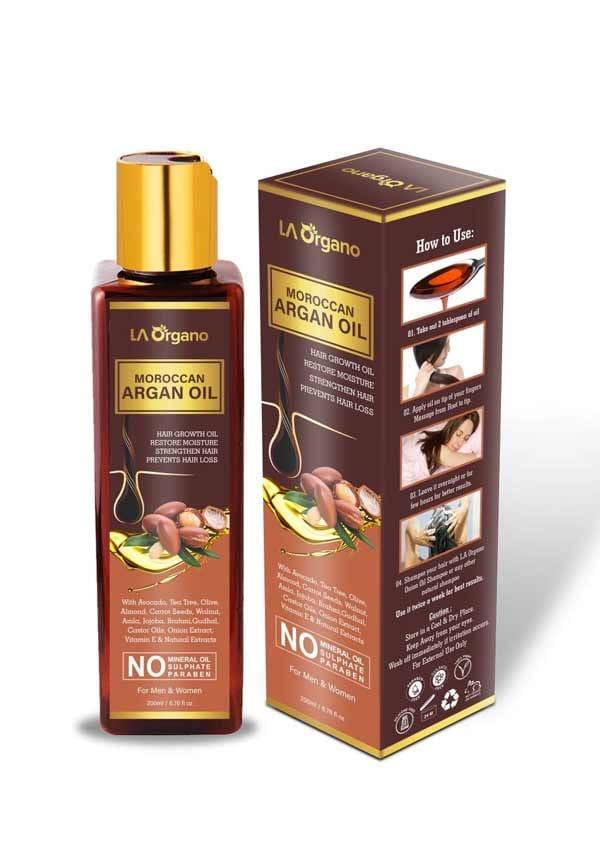
Moroccan Argan Oil
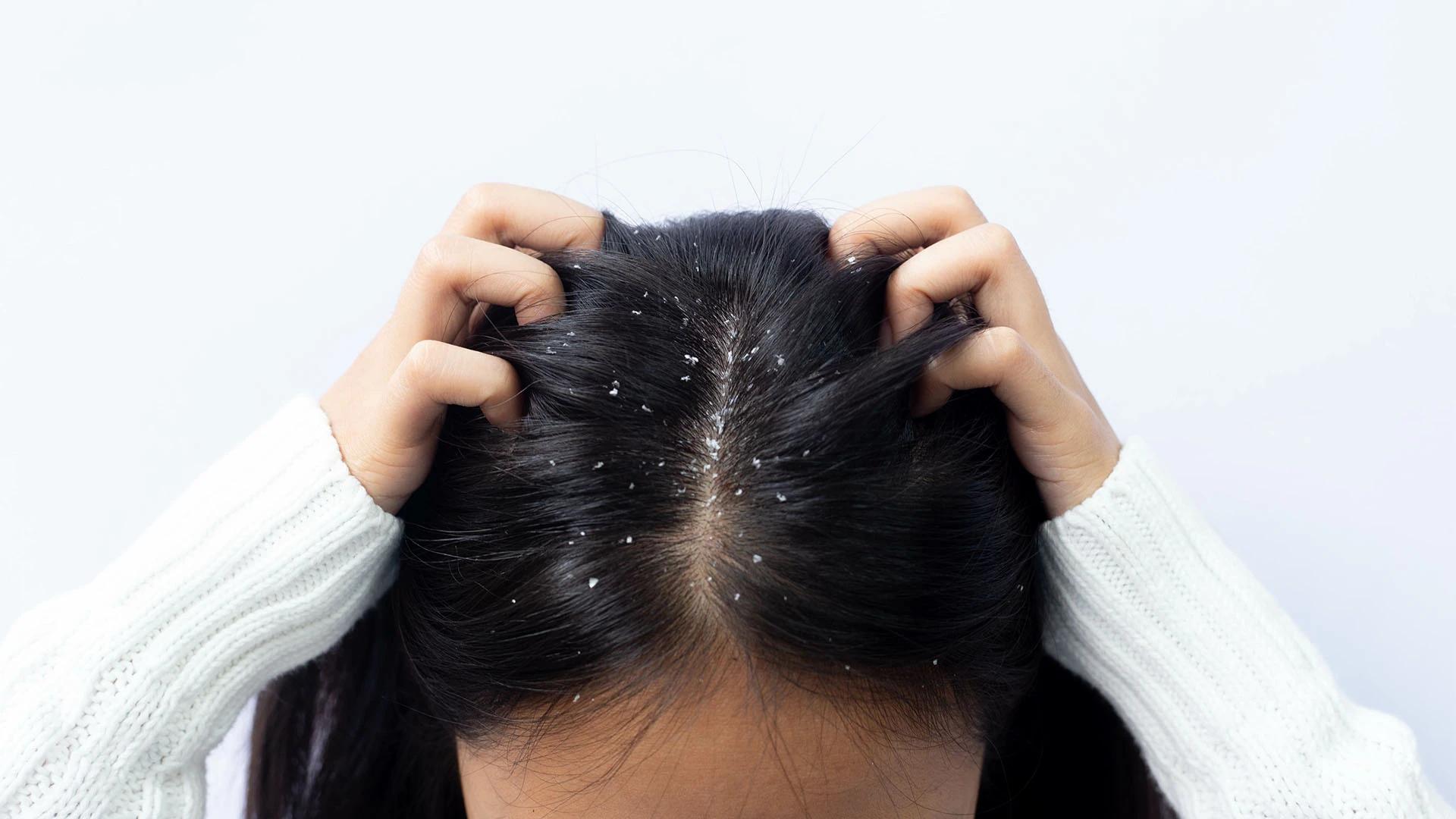
You know that feeling when your scalp feels tighter than your favourite jeans after a holiday? That constant itch that makes you want to scratch your head in every meeting? If you've been dealing with a dry, flaky scalp that just won't quit, you've probably stumbled across argan oil as a potential solution. But does this golden oil actually live up to the hype, or is it just another beauty trend? Let's dive into the real talk about argan oil for dry scalp and answer all those questions you've been Googling at 2 AM.
Real talk – argan oil isn't just some fancy marketing gimmick. This Moroccan liquid gold actually has some serious science backing its scalp-soothing claims. The magic lies in its unique composition of essential fatty acids, particularly oleic and linoleic acid, which work like tiny moisture magnets for your scalp.
When your scalp gets dry, it's usually because your skin's natural moisture barrier has taken a hit. Think of it like a damaged roof – water (moisture) keeps leaking out, leaving everything underneath parched and irritated. Argan oil steps in like the best handyman ever, helping to repair that barrier and lock moisture back in where it belongs.
The anti-inflammatory properties are where things get really interesting. Argan oil contains compounds called tocopherols (basically vitamin E on steroids) that help calm down angry, irritated skin. So if your scalp feels like it's staging a rebellion with all that itching and flaking, argan oil can help negotiate a peace treaty.
Dermatologists often recommend argan oil because it's non-comedogenic – fancy speak for "won't clog your pores." Unlike heavier oils that might leave your scalp feeling greasy or cause buildup, argan oil absorbs relatively quickly while still delivering that much-needed moisture boost.
As for timeline expectations, most people start noticing less itching within a week of consistent use, while the flaking and overall scalp comfort usually improve within 2-3 weeks. Just remember, consistency is your friend here – sporadic use won't give you the results you're after.
Right, let's get practical. Using argan oil for dry scalp treatment isn't rocket science, but there's definitely a right way to do it that'll give you better results than just slapping it on and hoping for the best.
Start with clean, slightly damp hair – not soaking wet, but not bone dry either. Think of it like priming a canvas before painting. This helps the oil absorb better rather than just sitting on top of your scalp like an unwelcome guest.
For application, you'll want about 5-10 drops of pure argan oil (more if you have longer hair). Warm it between your palms first – cold oil on your scalp is about as pleasant as a surprise ice cube down your back. Then, using your fingertips (not your nails), gently massage the oil into your scalp in circular motions. Focus on the areas that feel the driest or most irritated.
Here's where you have options. For an intensive overnight treatment, leave the oil in and wrap your hair in a silk scarf or use a silk pillowcase to avoid oil transfer. This gives the argan oil maximum time to work its magic. If you're doing a quick treatment, let it sit for at least 30 minutes before washing it out with a gentle shampoo.
Frequency-wise, start with 2-3 times per week. If your scalp is severely dry, you might benefit from daily application initially, then scale back as things improve. The key is listening to your scalp – if it starts feeling greasy or heavy, dial it back a bit.
Short answer: yes, but let's talk about doing it safely. Pure argan oil is generally gentle enough for direct scalp application, but your skin might have other plans, so it's worth being smart about it.
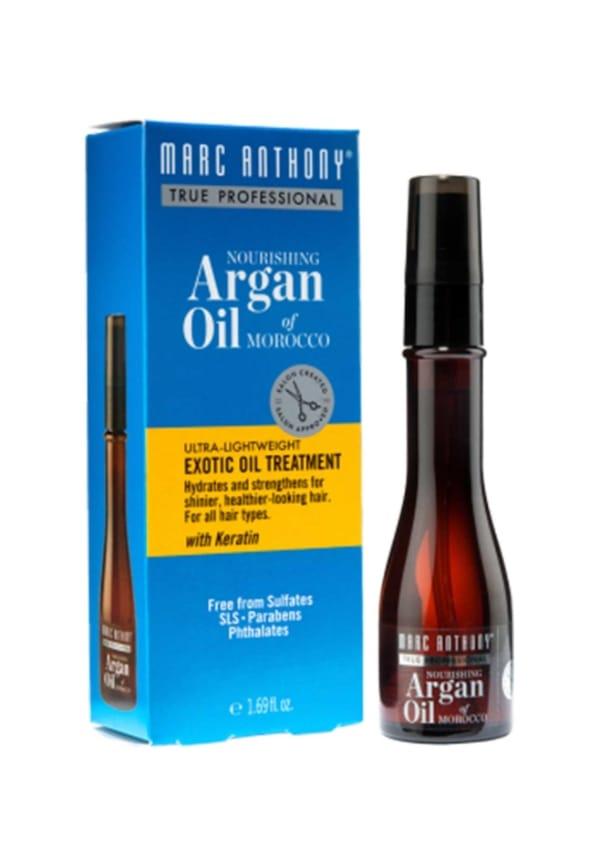
Nourishing Argan Oil Exotic Oil Treatment
Always do a patch test first – apply a small amount behind your ear or on your inner wrist and wait 24 hours. If you develop any redness, itching, or irritation, argan oil might not be your scalp's cup of tea. Some people are sensitive to tree nuts, and while argan oil allergies are rare, they can happen.
When applying directly to your scalp, less is definitely more. A few drops go a long way, and overdoing it can leave your hair looking like you haven't washed it in a week. If you have very sensitive skin or conditions like eczema, you might want to dilute the argan oil with a carrier oil like jojoba or even mix it with your regular conditioner.
Watch out for signs that your scalp isn't loving the treatment – increased irritation, new breakouts along your hairline, or excessive greasiness that doesn't improve with washing. These are your scalp's way of saying "thanks, but no thanks."
If you're pregnant, breastfeeding, or taking any medications that affect your skin sensitivity, it's worth checking with your doctor first. Better safe than sorry, right?
Not all scalp drama is created equal, and argan oil can tackle different issues in various ways. Let's break down how this multitasking oil handles specific scalp concerns.
If your scalp feels like it's hosting a mosquito convention, argan oil's anti-inflammatory properties can help calm things down. The vitamin E and essential fatty acids work together to soothe irritated skin and reduce that maddening urge to scratch.
Those embarrassing white flakes on your shoulders? Argan oil helps by moisturising the scalp and gently loosening dead skin cells. The oil's texture also provides mild exfoliation when you massage it in, helping to clear away buildup without being harsh.
While argan oil isn't a cure-all for dandruff, it does have mild antifungal properties that can help manage the condition. It's particularly effective for dandruff caused by dry scalp rather than the oily type. Think of it as a supportive player rather than the star of the show.
For everyday scalp dryness – the kind that makes your head feel tight and uncomfortable – argan oil is brilliant for long-term maintenance. Regular use helps keep your scalp's moisture levels balanced and can prevent future dryness episodes.
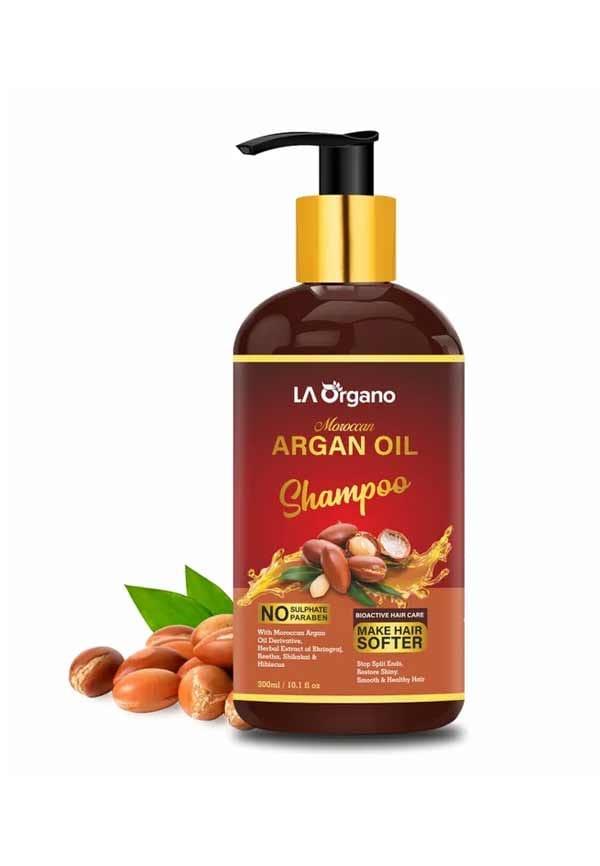
Moroccan Argan Oil Shampoo
Let's be honest – argan oil isn't the only player in the scalp-soothing game. So how does it stack up against other popular options?
Compared to coconut oil, argan oil is lighter and less likely to cause buildup. Coconut oil can be amazing for some people but tends to be too heavy for fine hair or oily scalps. Argan oil hits that sweet spot of being moisturising without being overwhelming.
Jojoba oil is probably argan oil's closest competitor – it's also lightweight and non-comedogenic. The main difference is that jojoba oil technically isn't an oil at all (it's a wax ester), which makes it even more similar to your skin's natural sebum. Both are excellent choices, so it often comes down to personal preference and price point.
Tea tree oil is fantastic for scalp issues, but it's much more potent and should always be diluted. It's better for treating specific problems like dandruff or scalp acne rather than general dryness.
For combination treatments, many people find success mixing argan oil with a few drops of rosemary or peppermint oil for added scalp stimulation. Just remember to keep essential oil concentrations low – we're going for soothing, not setting your scalp on fire.
While we're focusing on scalp health, it'd be a shame not to mention that argan oil is basically a multitasking genius for your entire head of hair. Once you've sorted your scalp situation, you can use any leftover oil to tackle other hair concerns.
For frizz control, a tiny amount worked through damp hair can make the difference between looking polished and looking like you've been wrestling with a hedge. The oil helps smooth the hair cuticle and adds a subtle shine without that greasy look.
If split ends are your nemesis, argan oil can help prevent new ones from forming and temporarily smooth existing damage. It's not a miracle cure, but it's definitely better than doing nothing.
The heat protection properties are a nice bonus too. While you shouldn't rely on argan oil alone if you're using high-heat styling tools, it does provide some protection against thermal damage when used alongside proper heat protectants.
Most people notice reduced itching within the first week of consistent use. For more significant improvements in flaking and overall scalp comfort, give it 2-3 weeks of regular application. Remember, your scalp didn't get dry overnight, so it won't heal overnight either.
If you're using too much or not washing it out properly, yes. Start with just a few drops and adjust based on how your hair responds. Fine hair typically needs less oil than thick, coarse hair. If greasiness is an issue, try applying the oil only to your scalp rather than the length of your hair.
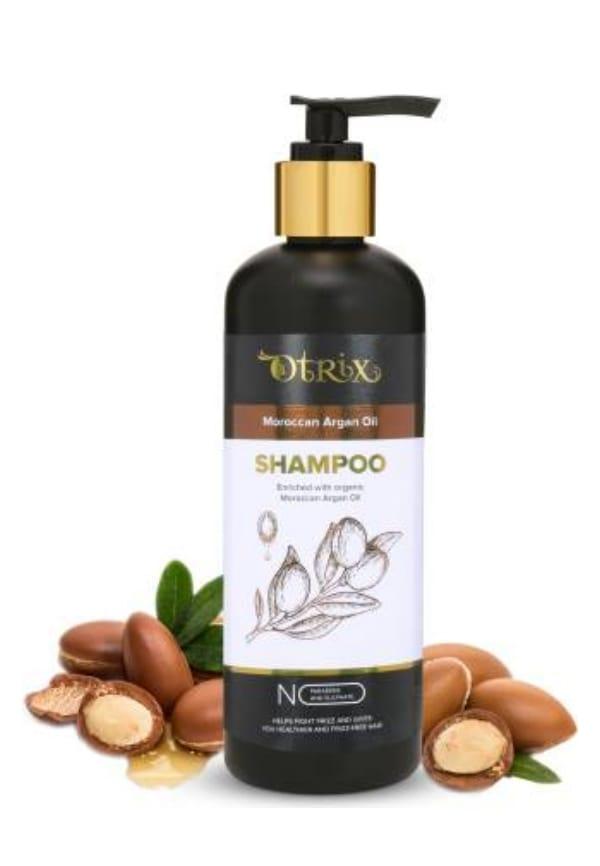
Moroccan Argan Oil Shampoo
Organic argan oil ensures you're not getting any pesticide residues or synthetic additives, which can be particularly important if you have sensitive skin. Look for cold-pressed, pure argan oil rather than products with argan oil mixed with other ingredients for scalp treatment.
Generally yes, but timing matters. If you're using medicated shampoos or treatments, apply the argan oil on different days or check with your dermatologist. Some treatments work better on clean scalp, while others can be enhanced with the moisturising properties of argan oil.
Cosmetic argan oil is processed specifically for skin and hair use – it's typically lighter in colour and has a milder scent. Culinary argan oil is made from roasted argan kernels and has a nuttier smell and darker colour. Stick to cosmetic grade for your scalp.
For scalp treatment, 5-10 drops is usually plenty. If you have very long or thick hair, you might need up to 15 drops. Start with less and add more if needed – it's easier to add oil than to remove excess.
While argan oil can't eliminate stress (wouldn't that be nice?), it can help repair the damage that stress causes to your scalp. Stress affects your skin's barrier function, and argan oil helps restore that protective barrier while providing soothing relief.
Argan oil is generally safe for all ages, but babies and very young children have more sensitive skin. If you're considering it for a child, do a patch test first and use very small amounts. For teenagers dealing with scalp issues, argan oil can be a gentle alternative to harsher treatments.
Argan oil can be a game-changer for dry scalp issues, but like any good relationship, it requires patience and consistency. The science backs its moisturising and anti-inflammatory properties, making it worth a try if you're dealing with scalp dryness, itching, or flaking.
Remember to start slowly, do a patch test, and listen to what your scalp is telling you. Not every product works for everyone, and that's perfectly normal. The key is finding what works for your specific scalp needs and sticking with it long enough to see results.
If you're curious about trying argan oil but don't want to commit to a full bottle straight away, Smytten offers trial-size versions of many scalp and hair care products. It's a smart way to test whether argan oil is your scalp's new best friend before investing in the full-size version.
