9 Ways to Tame Frizzy Hair with Shampoo and Conditioner


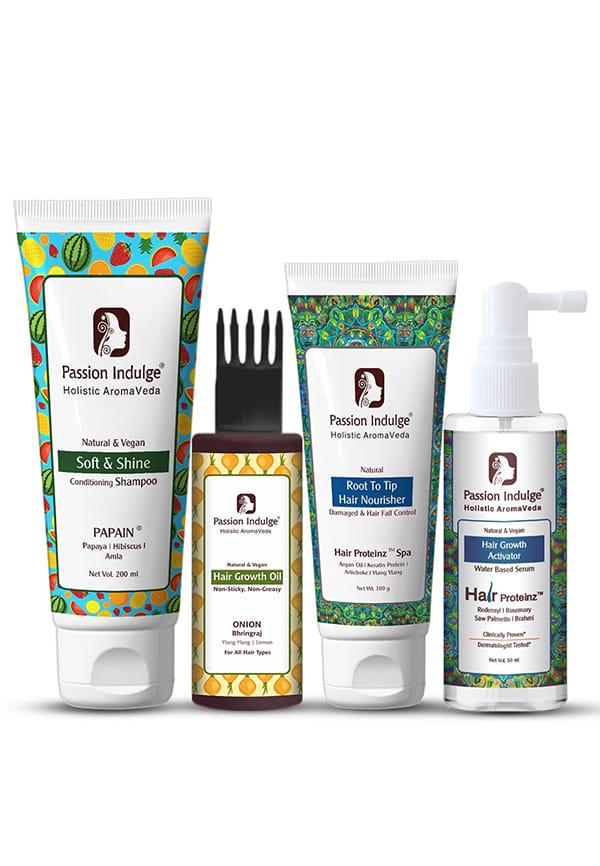
Onion Hair oil, Rosemary Hair Growth Serum, Hair Spa Protein Booster & Papain Shampoo
You know that moment when you step outside and your hair instantly transforms into a frizzy mess? Or when you spend ages styling your hair, only to have humidity turn it into something that belongs in a horror film? Real talk — frizzy hair can feel like a never-ending battle, especially when you're not sure if your shampoo and conditioner are actually helping or making things worse. The good news? The right hair washing routine can be your secret weapon against frizz, and it's way simpler than you think.
Let's get real about what's actually happening with your hair. Frizz isn't just about bad luck or genetics (though those play a part). It's mostly about your hair's structure and how it reacts to moisture in the air. When your hair cuticles are damaged or lifted, they can't lock in moisture properly, which means your strands are constantly trying to absorb humidity from the environment. Think of it like a sponge that's always thirsty — not exactly the vibe you're going for.
Your hair cuticles are meant to lie flat like roof tiles, creating a smooth surface. When they're damaged from heat styling, chemical treatments, or even just rough handling, they lift up and create that rough, frizzy texture. Humidity makes this worse because damaged cuticles absorb moisture unevenly, causing some parts of your hair to swell more than others.
Here's where most of us go wrong: using harsh shampoos that strip away natural oils, washing too frequently, or applying conditioner to our roots. These mistakes can actually make frizz worse by either over-drying your hair or weighing it down with product buildup.
Not all hair products are created equal, and when you're dealing with frizz, ingredients matter more than fancy packaging. The right formula can make the difference between hair that cooperates and hair that has its own agenda. Here's what to look for when you're shopping for your next shampoo and conditioner duo.
Hyaluronic acid isn't just for skincare — it's brilliant for hair too. This ingredient can hold up to 1,000 times its weight in water, giving your hair serious hydration without the heaviness. Glycerin and ceramides work together to lock in moisture, while argan oil and shea butter provide deep nourishment that helps smooth down those lifted cuticles.
Keratin helps rebuild your hair's natural structure, filling in gaps in damaged cuticles. When used correctly, silicones create a protective barrier that smooths your hair and blocks humidity. Protein complexes strengthen your strands from the inside out, making them more resilient to damage.
Steer clear of harsh sulfates like SLS and SLES — they're too stripping for frizzy hair. Drying alcohols (usually listed early in ingredients) can make frizz worse, and heavy waxes might give you smooth hair initially but will cause buildup over time.
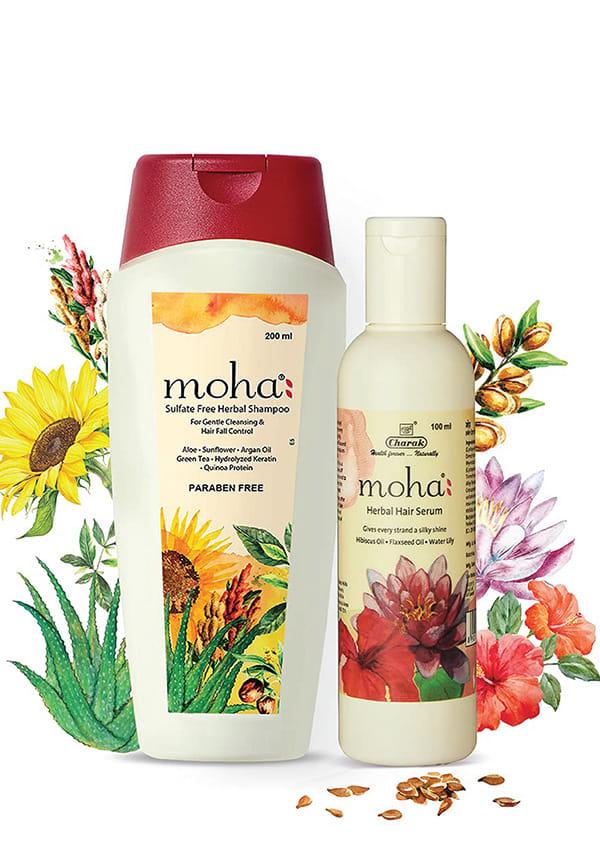
Sulfate Free Herbal Shampoo + Herbal Hair Serum
Ready to transform your hair routine? These nine strategies will help you get the most out of your shampoo and conditioner for frizzy hair, turning your wash day into a frizz-fighting session that actually works.
Before you even think about shampooing, give your hair some love with a pre-wash oil treatment. Apply coconut, argan, or jojoba oil to your mid-lengths and ends about 30 minutes before washing. This creates a protective barrier and adds extra moisture. Always detangle gently with a wide-tooth comb when your hair is damp and coated with oil — never when it's bone dry.
This is where the magic happens. A good anti-frizz shampoo should clean your scalp without stripping your hair. Look for sulfate-free formulas with moisturising ingredients like glycerin, natural oils, or amino acids. Your hair might feel different for the first week or two as it adjusts, but stick with it — the payoff is worth it.
Focus your shampoo on your scalp, not your lengths. Massage gently with your fingertips (not nails) and let the suds cleanse your hair as you rinse. For conditioner, start from mid-length to ends, avoiding your roots unless your hair is extremely dry. Leave it on for at least 3-5 minutes to let those moisturising ingredients really penetrate.
Here's a game-changer: finish your wash with a cold water rinse. The cool temperature helps seal your hair cuticles, locking in moisture and creating a smoother surface. Start with lukewarm water for washing, then gradually turn it cooler for the final rinse. Your hair (and your skin) will thank you.
Your regular moisturizing conditioner is great for daily use, but frizzy hair needs extra TLC. Once a week, swap your regular conditioner for a deep conditioning mask. Apply it generously, comb through with a wide-tooth comb, and leave it on for 10-15 minutes. This intensive treatment helps repair damage and adds serious moisture.
Don't stop at shampoo and conditioner. While your hair is still damp, apply a leave-in conditioner or hair serum to seal in moisture. The key is to apply products to damp (not soaking) hair, working from ends to mid-lengths. This creates multiple layers of protection against humidity and frizz.
Ditch the terry cloth towel — it's too rough for frizzy hair. Instead, use a microfiber towel or even a cotton t-shirt to gently squeeze out excess water. If you have curly hair, try the "plopping" method: wrap your hair in a t-shirt and let it absorb moisture without disturbing your curl pattern.
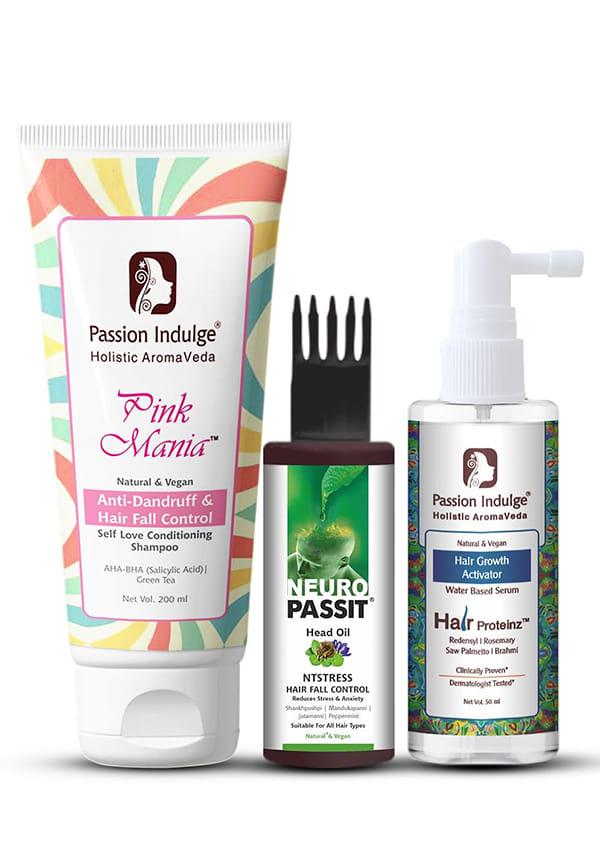
Hair Growth Serum Rosemary, Neuropassit NTstress Hair fall control Hair Oil & Pink Mania Anti-Dandruff & Hair Fall Control Shampoo
Look for frizz control hair products with humidity-blocking ingredients like silicones or polymers. These create an invisible shield around your hair shaft, preventing moisture from the air from penetrating and causing frizz. Apply these products when your hair is about 80% dry for best results.
Consistency is everything with frizzy hair. Stick to a routine that works for your hair type — whether that's washing every other day or twice a week. Keep track of what products and techniques give you the best results, and don't be afraid to adjust based on the weather or your hair's changing needs.
Not all frizz is created equal, and your hair type plays a huge role in what products will work best for you. Here's how to choose the right smooth hair shampoo and hydrating conditioner for dry hair based on your specific needs.
If your hair feels like straw and frizz is your constant companion, you need serious moisture. Look for shampoos with nourishing oils and conditioners with ceramides or keratin. The L'Oréal Paris Hyaluron Moisture range is brilliant for this — the hyaluronic acid provides lightweight hydration that doesn't weigh your hair down.
Curly hair has its own set of rules. You might benefit from co-washing (using conditioner to cleanse) or sulfate-free shampoos designed specifically for curls. The key is maintaining your natural curl pattern while controlling frizz — look for products that enhance definition rather than fighting your hair's natural texture.
Fine hair can be tricky because it needs moisture but can easily get weighed down. Choose lightweight formulas with volumising ingredients. Avoid heavy oils and butters near your roots, and focus conditioning treatments on your ends only.
If you colour, perm, or chemically straighten your hair, you need extra gentle formulas. Look for products specifically designed for treated hair, with protein to rebuild structure and moisture to combat dryness. Always wait at least 48 hours after chemical treatments before using new products.
Sometimes the best advice comes from the pros who've seen it all. Here's what dermatologists and hair experts recommend for managing frizzy hair with the right shampoo and conditioner routine.
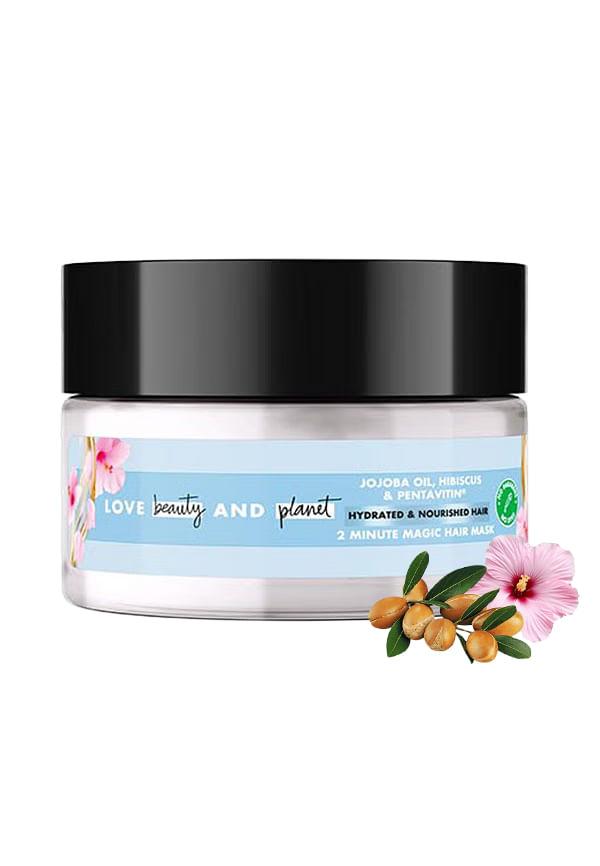
Jojoba oil , Hibiscus & Pentavitin Hydrate & Nourish Hair Mask
Your scalp health directly impacts your hair quality. If you have conditions like seborrheic dermatitis or psoriasis, treating these first will improve your hair's overall condition. A healthy scalp produces better quality hair that's naturally more resistant to frizz.
Professional stylists swear by the "praying hands" method for applying conditioner — smooth it down your hair shaft rather than scrunching it in. They also recommend sectioning your hair during conditioning to ensure even distribution, especially if you have thick or long hair.
Your hair's needs change with the weather. In summer, you might need lighter, humidity-resistant formulas, while winter calls for richer, more moisturising products. Pay attention to how your hair reacts to seasonal changes and adjust your routine accordingly.
The best shampoo for frizzy and dry hair should be sulfate-free and contain moisturising ingredients like glycerin, natural oils, or hyaluronic acid. Look for formulas specifically designed for damaged or dry hair, and avoid anything with harsh detergents that can strip your hair's natural oils.
Most people with frizzy hair benefit from washing 2-3 times per week rather than daily. Over-washing can strip natural oils that help control frizz. If your scalp gets oily quickly, try using dry shampoo between washes or rinsing with water only on non-wash days.
Yes, regular shampoos with harsh sulfates can definitely make frizz worse by stripping away your hair's natural protective oils. This leaves your cuticles more vulnerable to humidity and damage. Switching to a gentler, moisturising formula designed for frizzy hair usually makes a noticeable difference.
Anti-frizz conditioners typically contain specific ingredients like silicones, keratin, or humidity-blocking polymers that create a protective barrier around your hair shaft. Regular conditioners focus more on basic moisture and detangling, while frizz-fighting formulas specifically target cuticle smoothing and humidity resistance.
It depends on your hair type and the specific products you're using. Leave-in conditioners and light serums can usually be used daily, but heavier treatments should be used 1-2 times per week to avoid buildup. Always start with less product and build up as needed.
Taming frizzy hair isn't about fighting against your hair's natural texture — it's about working with it and giving it what it needs to look its best. The right shampoo and conditioner for frizzy hair, combined with proper technique and consistency, can transform your hair routine from a daily struggle into something you actually look forward to. Remember, finding your perfect routine might take some trial and error, but the results are absolutely worth it.
Whether you're dealing with humidity-induced frizz, damage from styling, or just naturally textured hair that needs extra love, these nine strategies will help you achieve smoother, more manageable hair. The key is being patient with the process and consistent with your routine — your hair will thank you for it. Not sure which products might work best for your specific hair type? Smytten offers trial-size versions of many top haircare brands, letting you test different formulas before committing to full-size bottles.
