9 Ways to Achieve a Top Soothing Scalp for Relief

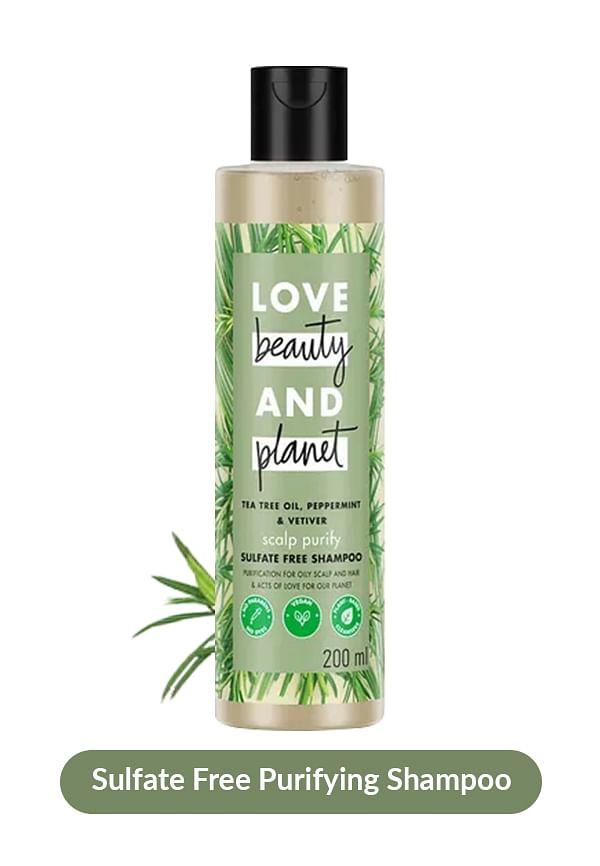
Tea Tree, Peppermint & Vetiver Sulfate Free Purifying Shampoo,
Good, Long-Term Use
 5
5“badiya hai me kafi time se use kr rahi hu”
Good, Long-Term Use
5“badiya hai me kafi time se use kr rahi hu”
Good and Smooth Hair
5“loved it it's so good and smooth hair”
You know that feeling when your scalp decides to throw a tantrum? The constant itching, the flakes that show up on your favourite black top, or that tight, uncomfortable sensation that makes you want to scratch your head all day. If you're nodding along, you're definitely not alone. Scalp irritation is one of those things that can turn even the best hair day into a proper nightmare. The good news? There are actually loads of ways to get your scalp back to its happy, healthy state.
Before we dive into the solutions, let's talk about what's actually going on up there. Your scalp is basically an extension of your facial skin, but it's often the most neglected part of your beauty routine. Think about it – you probably spend ages choosing the perfect moisturiser for your face, but when did you last give your scalp the same attention?
Scalp irritation can happen for loads of reasons. Stress is a massive culprit – when your cortisol levels spike, it can mess with your scalp's natural balance, leading to dryness and sensitivity. Product buildup from styling products, harsh shampoos, or even just not washing properly can create a breeding ground for irritation. Environmental factors like pollution, hard water, or extreme weather changes can also leave your scalp feeling less than stellar.
The signs are usually pretty obvious: persistent itching, flaking, redness, or that general feeling of discomfort. Sometimes you might notice your hair looking a bit lacklustre too – because when your scalp isn't happy, your hair suffers as well. The key is catching these issues early and giving your scalp the gentle care it deserves.
Your shampoo choice can make or break your scalp health journey. If you're dealing with irritation, it's time to ditch anything with harsh sulfates or strong fragrances that might be making things worse. Look for formulas specifically designed for sensitive scalps – ingredients like zinc pyrithione and selenium sulfide are brilliant for tackling irritation whilst being gentle enough for regular use.
The trick is finding that sweet spot between cleansing effectively and not stripping your scalp of its natural oils. Dermatologist-recommended formulations often contain soothing ingredients like aloe vera, chamomile, or colloidal oatmeal that can provide immediate relief whilst cleaning your hair. These gentle scalp care products work to calm inflammation rather than aggravate it further.
Pay attention to how often you're washing too. If your scalp is particularly sensitive, you might need to reduce washing frequency to every other day or even twice a week, depending on your hair type. The goal is to maintain cleanliness without overdoing it.
Sometimes the best dry scalp remedies are sitting right in your kitchen cupboard. Apple cider vinegar is a proper game-changer for calming itchy scalp issues. Mix one part ACV with three parts water, apply it to your scalp after shampooing, leave it for a few minutes, then rinse thoroughly. The acidity helps restore your scalp's natural pH balance and can reduce inflammation.
Colloidal oatmeal treatments are another brilliant option for soothing sensitive scalp conditions. Grind plain oats into a fine powder, mix with a bit of water to form a paste, and gently massage it into your scalp. Leave it on for about 10 minutes before rinsing. The anti-inflammatory properties in oats can provide almost instant relief from itching and irritation.
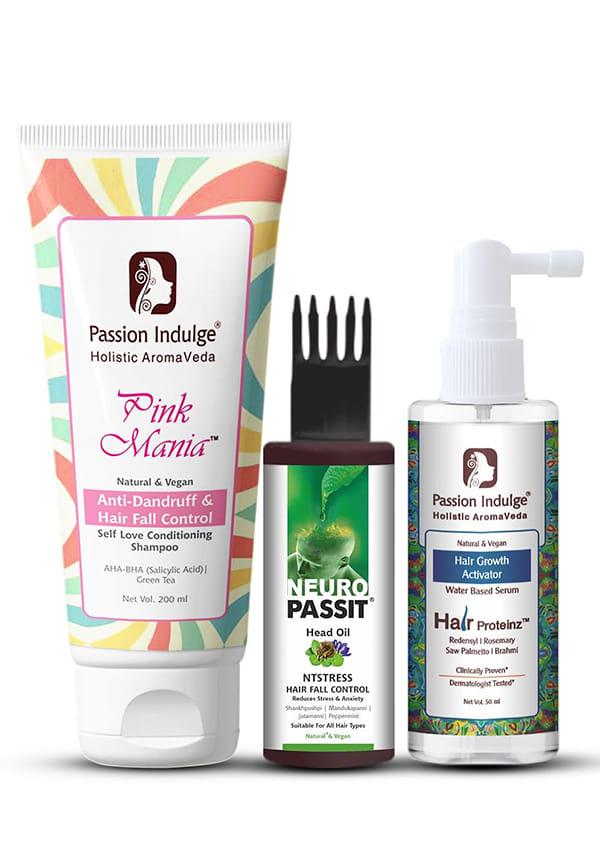
Hair Growth Serum Rosemary, Neuropassit NTstress Hair fall control Hair Oil & Pink Mania Anti-Dandruff & Hair Fall Control Shampoo
Don't underestimate the power of a good scalp massage either. Using your fingertips (never your nails), gently massage your scalp in circular motions for a few minutes. This increases blood circulation, which can help with healing and overall scalp health. You can do this with a bit of coconut oil or jojoba oil for added nourishment.
Essential oils can be absolute lifesavers when it comes to scalp irritation solutions, but you need to use them properly. Tea tree oil is probably the most well-known for scalp issues – its antimicrobial properties can help tackle any underlying bacterial or fungal issues that might be causing irritation. Always dilute it properly though (a few drops in a carrier oil like coconut or jojoba), and do a patch test first.
Peppermint and eucalyptus oils provide that lovely cooling sensation that can temporarily relieve itching. They also have anti-inflammatory properties that can help calm an angry scalp. Lemongrass oil is another brilliant option, particularly for dry, flaky scalps, as it has moisturising properties alongside its antimicrobial benefits.
The key with essential oils is patience and consistency. They're not going to work overnight, but with regular use (maybe once or twice a week), you should start noticing improvements in how your scalp feels and looks.
Sometimes you need to bring in the big guns, and that's where professional anti-itch scalp products come in handy. Scalp serums with ingredients like salicylic acid can help exfoliate dead skin cells and reduce buildup, whilst menthol-based treatments provide immediate cooling relief.
Korean scalp treatments have become really popular lately, and for good reason. Many contain ingredients like centella asiatica and green tea extract that are brilliant for calming inflammation. These products often come in convenient dropper bottles that make application easy and mess-free.
When choosing between leave-in and rinse-out formulas, consider your lifestyle and hair type. Leave-in treatments are great for ongoing maintenance and can provide continuous relief throughout the day. Rinse-out treatments tend to be more intensive and are perfect for weekly deep-treatment sessions.
Believe it or not, how you wash your hair can make a massive difference to your scalp health. Water temperature is crucial – hot water might feel lovely, but it can strip your scalp of natural oils and worsen irritation. Stick to lukewarm water instead, and finish with a cool rinse to help seal the hair cuticles and calm the scalp.
When shampooing, focus on your scalp rather than the lengths of your hair. Use your fingertips to gently massage the shampoo in, working in circular motions. Avoid using your nails, as this can create micro-tears in your scalp that lead to further irritation. Take your time with this step – rushing through it means you might not be cleaning properly, leading to buildup.
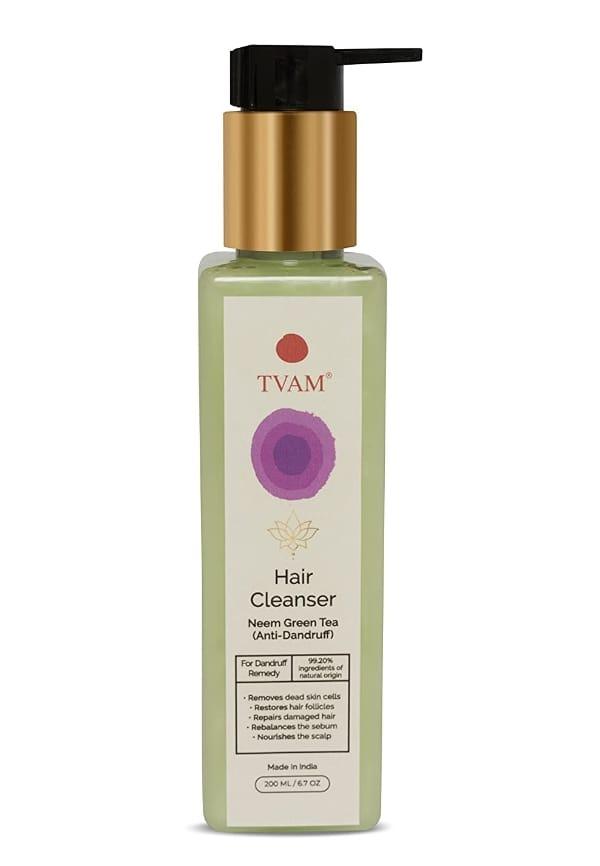
Hair Cleanser - Neem Green Tea - Anti-Dandruff
Conditioning is important too, but keep it away from your scalp. Apply conditioner from mid-length to ends only, as getting it on your scalp can clog follicles and create more problems. This approach helps maintain that healthy scalp balance whilst keeping your hair soft and manageable.
Your scalp health isn't just about what products you use – your overall lifestyle plays a huge role too. Stress is probably the biggest culprit when it comes to scalp issues. When you're stressed, your body produces more cortisol, which can trigger inflammation and disrupt your scalp's natural balance. Finding ways to manage stress – whether that's through exercise, meditation, or just making time for things you enjoy – can have a real impact on your scalp health.
Your diet matters too. Foods rich in omega-3 fatty acids, like salmon and walnuts, can help reduce inflammation throughout your body, including your scalp. Staying hydrated is equally important – dehydration can lead to a dry, flaky scalp that's more prone to irritation.
Sleep quality affects everything, including your scalp's ability to repair itself overnight. Try to get 7-8 hours of quality sleep, and consider using a silk or satin pillowcase to reduce friction against your scalp whilst you sleep.
Environmental factors can wreak havoc on sensitive scalps, so protection is key. If you live in an area with hard water, consider installing a shower filter or using a clarifying treatment once a week to remove mineral buildup. UV rays can damage your scalp just like they damage your skin, so wear a hat or use a UV-protective hair product when spending time outdoors.
Air pollution is another factor that many people don't consider. If you live in a city or area with poor air quality, make sure you're washing your hair regularly to remove pollutants that can settle on your scalp and cause irritation.
Just like your face, your scalp can benefit from gentle exfoliation to remove dead skin cells and product buildup. Scalp scrubs with ingredients like sea salt or sugar can help, but use them sparingly – once a week maximum, and only if your scalp isn't currently inflamed or irritated.
Chemical exfoliation with ingredients like salicylic acid can be gentler and more effective for some people. These products work to dissolve buildup without the physical scrubbing action that might irritate sensitive scalps.
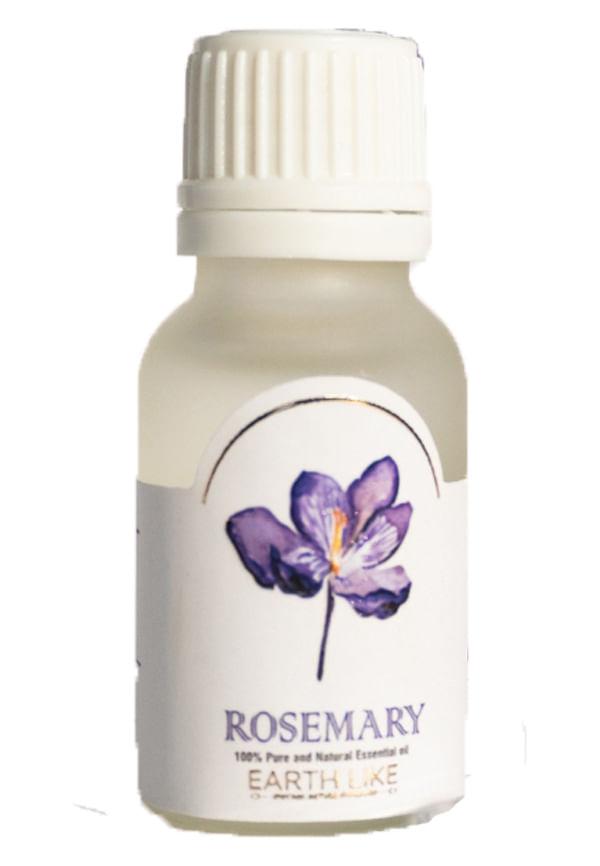
Rosemary Essential Oil for Hair, Scalp, Anti-Inflammatory & Aromatherapy
Authentic with strong smell
5“seems authentic very strong smell tho ,😭”
Best & Beautiful Product, Thanks Smytten
4“The best product and the beautiful product in this application named smytten... thankyou smytten”
Good Essential Oil
5“this essential oil is good ...”
Consistency is everything when it comes to achieving a top soothing scalp. Create a routine that works for your lifestyle and stick to it. This might include using a gentle shampoo every other day, doing a weekly oil treatment, and incorporating a soothing scalp serum into your routine.
Keep track of what works and what doesn't. Everyone's scalp is different, so what works for your friend might not work for you. Be patient – it can take several weeks to see real improvements, especially if you're dealing with chronic irritation.
Sudden scalp irritation can be triggered by new hair products, hormonal changes, stress, weather changes, or even a change in water quality. If the irritation persists for more than a week or is accompanied by severe symptoms, it's worth seeing a dermatologist to rule out any underlying conditions.
With proper care and the right products, mild scalp irritation usually improves within 1-2 weeks. More severe or chronic conditions might take 4-6 weeks to show significant improvement. Consistency with your treatment routine is key to seeing results.
Absolutely. Over-washing can strip your scalp of natural oils, leading to dryness and increased sensitivity. Most people with irritated scalps do better washing every other day or even less frequently, depending on their hair type and lifestyle.
Natural remedies can be very effective for mild to moderate scalp irritation, especially when used consistently. However, severe or persistent conditions might require medicated products or professional treatment. It's often best to start with gentle, natural approaches and escalate if needed.
Getting your scalp back to its happy, healthy state doesn't have to be complicated. The key is being gentle, consistent, and patient with the process. Whether you're dealing with occasional dryness or more persistent irritation, there's definitely a solution that will work for you.
Remember that scalp health is an ongoing journey, not a destination. What works for you might change with the seasons, your stress levels, or other life factors, so stay flexible and adjust your routine as needed. The most important thing is listening to your scalp and giving it the care it deserves.
If you're looking to try different scalp-soothing products without committing to full sizes, Smytten offers trial-size versions of many top scalp care products from trusted brands. It's a brilliant way to test what works for your specific needs before investing in full-size bottles – because finding your perfect scalp care routine shouldn't break the bank.
