9 Ways Moisturizing Scalp Oil Boosts Hair Growth

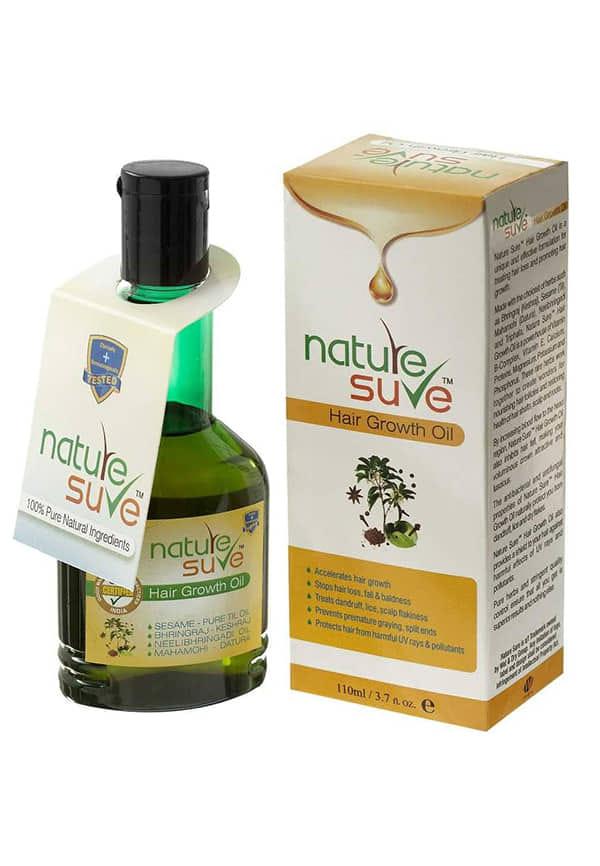
Hair Growth Oil for Darker and Stronger Hair in Men and Women
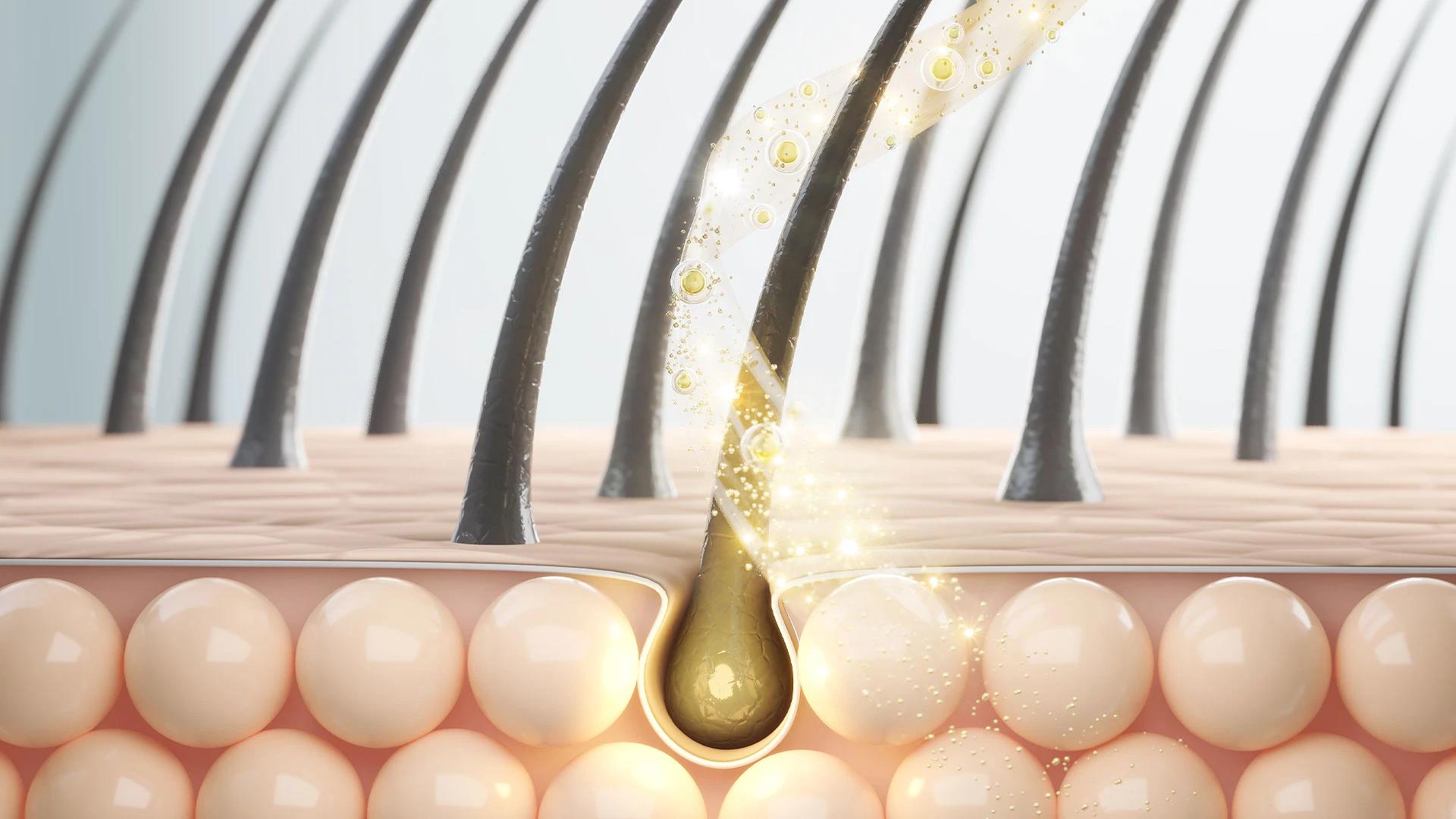
Ever wondered why your hair feels stuck in a growth rut despite trying every trick in the book? The answer might be sitting right on top of your head — literally. Your scalp health is the foundation of everything that happens to your hair, and if it's dry, irritated, or clogged, your strands don't stand a chance. That's where moisturising scalp oil comes in, working like a reset button for your scalp environment. Think of it as creating the perfect soil for your hair garden to flourish.
Let's be real — most of us focus on the hair we can see while completely ignoring what's happening underneath. Your scalp is basically the command centre for hair growth, and when it's not happy, your hair won't be either. A healthy scalp maintains the right balance of moisture, oil production, and pH levels to create an environment where hair follicles can do their thing properly.
When your scalp becomes dry, flaky, or irritated, it's like trying to grow plants in drought conditions. The hair follicles become stressed, blood circulation decreases, and the natural growth cycle gets disrupted. You might notice your hair growing slower, breaking more easily, or feeling thinner overall. This is where scalp hydration oil becomes your secret weapon — it doesn't just treat the symptoms but addresses the root cause of poor hair growth.
The science behind moisture retention is pretty fascinating. Your scalp produces natural oils called sebum, but factors like over-washing, harsh products, weather changes, and stress can throw this delicate balance off. When your scalp can't maintain proper hydration levels, it sends distress signals that can actually slow down or even halt hair growth. A good moisturising scalp oil works by mimicking and supporting your scalp's natural processes, creating the optimal conditions for healthy hair development.
Ready to discover how a simple addition to your routine can transform your hair game? These nine benefits show exactly why moisturising scalp oil deserves a permanent spot in your haircare arsenal.
Your scalp's natural moisture barrier is like a protective shield, but daily life can seriously damage it. Dry scalp treatment oil works by replenishing lost moisture and creating a protective layer that prevents further water loss. This isn't just about surface-level hydration — the right oils can actually penetrate the scalp tissue and support the natural sebum production process.
Here's something worth obsessing over: when you massage oil into your scalp, you're not just distributing the product — you're giving your hair follicles a wake-up call. The gentle pressure and movement increase blood flow to the area, which means more oxygen and nutrients reach the follicles. Better circulation equals faster, stronger hair growth. It's like giving your scalp a daily dose of energy.
Inflammation is basically the enemy of hair growth, and many of us deal with it without even realising. Anti-itch scalp oil contains ingredients that calm irritated skin and reduce inflammatory responses. When your scalp isn't constantly fighting irritation, it can focus its energy on what really matters — growing healthy hair. Plus, you'll finally break free from that annoying itch-scratch cycle that can damage hair roots.
Think of scalp nourishing oil as a multivitamin for your hair follicles. Natural scalp oil formulations often contain vitamins E, A, and essential fatty acids that hair follicles need to function properly. These nutrients get absorbed directly through the scalp, providing targeted nourishment that you can't get from diet alone. It's like feeding your hair from the outside in.
Moisture plays a huge role in hair elasticity and strength. When your hair is properly hydrated from the scalp up, it becomes more flexible and less prone to snapping. This means you'll see less hair in your brush and more length retention over time. Hair oil for dry scalp doesn't just help new growth — it protects what you've already got.
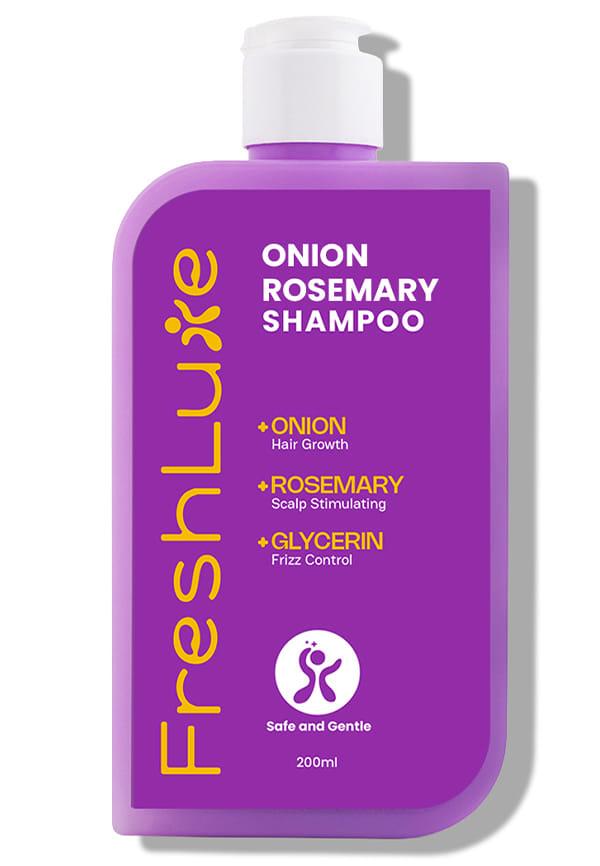
Growth Boost Shampoo Onion & Rosemary Strengthens Hair & Promotes Growth
Your scalp's pH level might not be something you think about, but it's crucial for healthy hair growth. A balanced pH (around 4.5-5.5) keeps the scalp's protective acid mantle intact and prevents bacterial overgrowth. Many moisturising scalp oils help maintain this balance, creating an environment where hair follicles can thrive without interference from harmful microorganisms.
Certain oils have natural cleansing properties that can dissolve product buildup, dead skin cells, and excess sebum that might be clogging your follicles. It's like giving your scalp a deep clean while moisturising at the same time. Clear follicles mean unobstructed pathways for new hair growth — pretty clever, right?
Hair grows in cycles, and the anagen (growth) phase is when you want your hair to stay as long as possible. Scalp moisturiser for hair growth can actually help extend this phase by keeping follicles healthy and stress-free. The longer your hair stays in the growth phase, the longer it can potentially grow before naturally shedding.
Your scalp faces daily assault from UV rays, pollution, and harsh weather conditions. A good moisturising scalp oil creates a protective barrier that shields your scalp from these environmental stressors. This protection helps maintain scalp integrity and prevents damage that could interfere with healthy hair growth patterns.
Not all oils are created equal, and what works for your friend might not be your kind of pick. Understanding your hair type and scalp needs helps you choose the right formula for maximum benefits.
If you have fine hair, heavy oils can weigh your strands down and make your scalp look greasy. Jojoba oil is brilliant because it closely mimics your scalp's natural sebum, so it absorbs easily without leaving residue. Argan oil is another winner — it's lightweight but packed with nutrients that fine hair absolutely loves.
Coarse or very dry hair can handle richer formulations that might be too heavy for other hair types. Coconut oil penetrates deeply and provides intense moisture, while soothing scalp oil blends often contain ingredients like shea butter or avocado oil for extra nourishment. These formulas work overtime to transform dry, brittle hair into soft, manageable strands.
Some products pull double duty, treating both your scalp and hair lengths in one go. These hair and scalp oil formulations are perfect for busy routines or when you want to simplify your haircare. Look for scalp conditioning oil that's designed to nourish from root to tip without weighing your hair down.
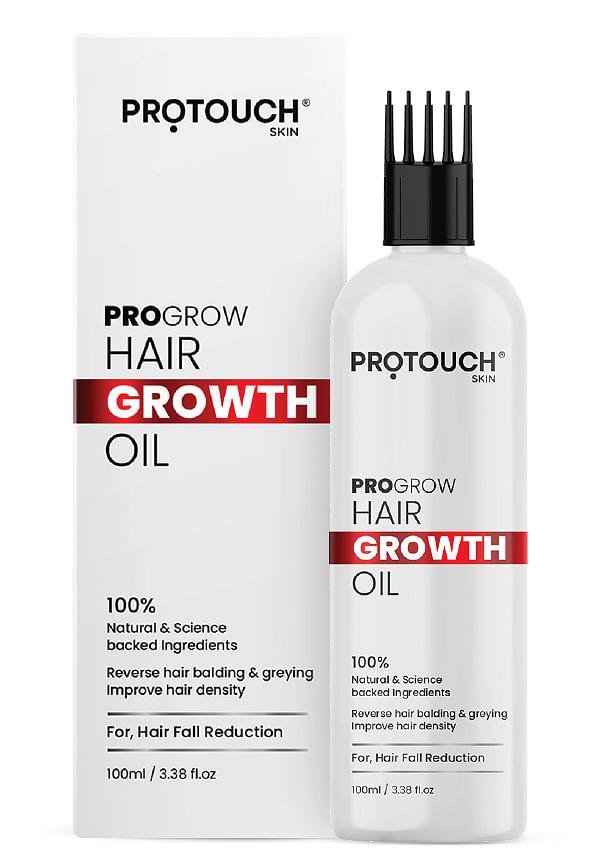
Profrow Hair Growth Oil
Technique matters just as much as the product you choose. The way you apply your oil can make the difference between amazing results and disappointing ones.
Apply oil to dry scalp about 30 minutes before washing your hair. Section your hair and use your fingertips to massage the oil directly onto your scalp in circular motions. This gives the oil time to penetrate and work its magic before you shampoo. The massage also boosts circulation, amplifying the growth benefits.
For intensive treatment, apply oil to your scalp before bed and sleep with a silk scarf or pillowcase to protect your bedding. This extended contact time allows for maximum absorption and repair. Just remember to use a gentle shampoo in the morning to remove the oil without stripping your scalp.
For daily use, apply just a few drops to your fingertips and gently massage into your scalp. Focus on areas that feel dry or tight, and avoid over-applying to prevent buildup. This light daily treatment keeps your scalp consistently hydrated without overwhelming it.
You've got options when it comes to scalp oils — from simple single-ingredient solutions to complex commercial formulations. Each approach has its perks depending on your needs and preferences.
DIY oils can be incredibly effective and budget-friendly. Simple options like pure jojoba or sweet almond oil work brilliantly on their own. For a custom blend, try mixing jojoba oil with a few drops of rosemary essential oil for added circulation benefits. The beauty of DIY is that you control exactly what goes on your scalp.
Commercial formulations often combine multiple beneficial ingredients in one product, saving you the hassle of mixing your own. Look for products that list nourishing oils as the first ingredients and avoid anything with harsh sulfates or synthetic fragrances that might irritate your scalp. Quality matters more than fancy packaging.
While DIY options might seem cheaper upfront, commercial products often provide better value when you consider the research, testing, and precise formulations involved. Plus, you're getting convenience and consistency that's hard to replicate at home. Choose based on your budget and how much time you want to spend on preparation.
Even the best moisturising scalp oil won't work if you're making these common mistakes. Over-applying is probably the biggest culprit — more isn't always better, and too much oil can actually clog your follicles and make your hair look greasy. Start with less than you think you need and build up gradually.
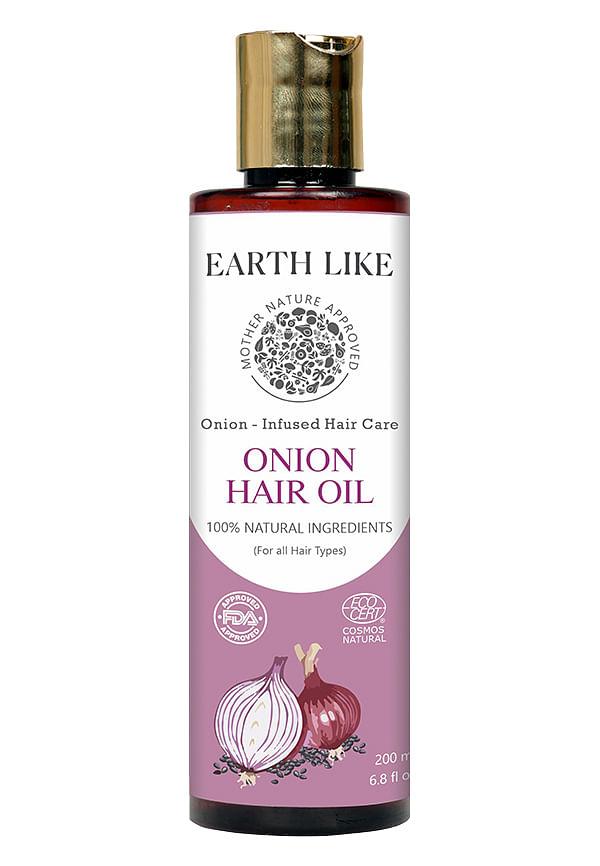
Nutrient-Rich Onion Hair Oil for Stronger, Thicker & Healthier Hair
Another mistake is using comedogenic oils if you're prone to scalp acne. Coconut oil, while popular, can cause breakouts for some people. Also, aggressive massage techniques can actually damage your scalp and hair follicles, so keep it gentle and focus on circulation rather than scrubbing.
Skipping patch tests is risky, especially if you have sensitive skin or allergies. Always test a small amount on your inner arm before applying to your entire scalp. Finally, inconsistent application won't give you the results you're after — scalp health improves with regular, gentle care rather than sporadic intensive treatments.
Jojoba oil is often considered the gold standard because it closely mimics your scalp's natural sebum and absorbs easily without leaving residue. Argan oil and sweet almond oil are also excellent choices for most hair types. The best oil for you depends on your specific scalp needs and hair texture.
Effective scalp hydration involves regular oil treatments, gentle massage to boost circulation, using sulfate-free shampoos, and avoiding over-washing. Drinking plenty of water and maintaining a healthy diet also support scalp hydration from the inside out.
Yes, oils work as emollients that smooth and soften the scalp surface while creating a protective barrier that prevents moisture loss. They don't add water to your scalp, but they help your scalp retain its natural moisture more effectively.
Absolutely! In fact, chemically treated hair often benefits from extra moisture and protection. Just avoid oils immediately before chemical treatments, as they can interfere with the processing. Wait at least 48 hours after colouring before applying scalp oils.
This depends on your scalp type and needs. Dry scalps might benefit from daily light application, while normal scalps might only need oil treatments 2-3 times per week. Oily scalps should use oils sparingly, perhaps once a week as a pre-wash treatment.
Scalp oils are specifically formulated to address scalp concerns like dryness, irritation, and circulation. Hair oils focus more on the hair shaft, providing shine, smoothness, and protection. Some products work for both, but targeted formulations often deliver better results.
Your scalp deserves the same attention you give to your face — after all, healthy hair starts with a healthy foundation. Moisturising scalp oil isn't just another product to add to your routine; it's an investment in your hair's future. From boosting circulation to providing essential nutrients, these oils work on multiple levels to create the optimal environment for hair growth.
The beauty of scalp oils lies in their simplicity and effectiveness. Whether you choose a single-ingredient oil or a complex commercial blend, consistency is what delivers results. Start slowly, pay attention to how your scalp responds, and adjust your routine accordingly.
Remember, everyone's scalp is different, so what works for others might not be your perfect match. The key is finding the right oil for your specific needs and using it consistently. With patience and the right approach, you'll likely notice not just healthier hair growth, but also a more comfortable, balanced scalp overall. If you're exploring different scalp oil options, Smytten offers trial-size versions of many popular formulations — a smart way to test what works for your hair before committing to full-size bottles.
