9 Top Hair Humidity Solutions for Frizz Control

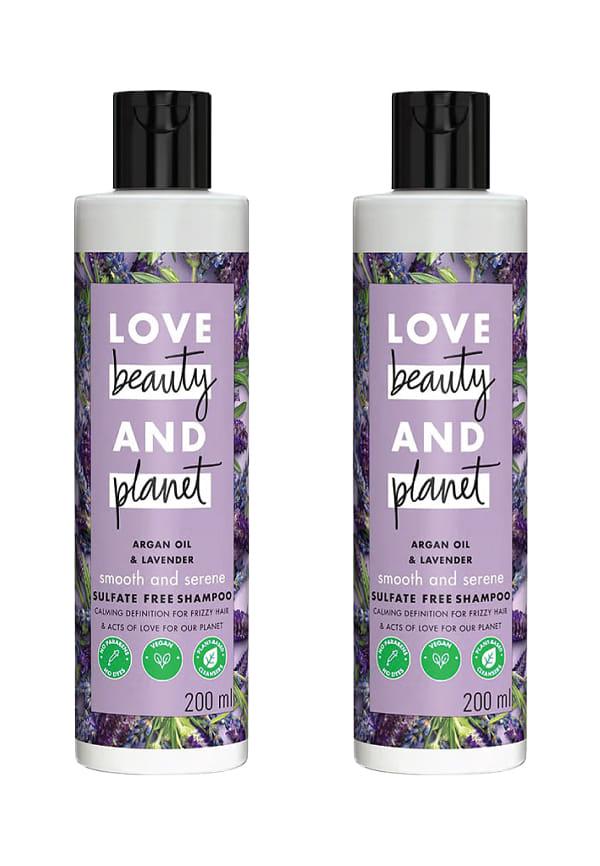
Argan Oil and Lavendar Sulfate Free Shampoo (Pack of 2)
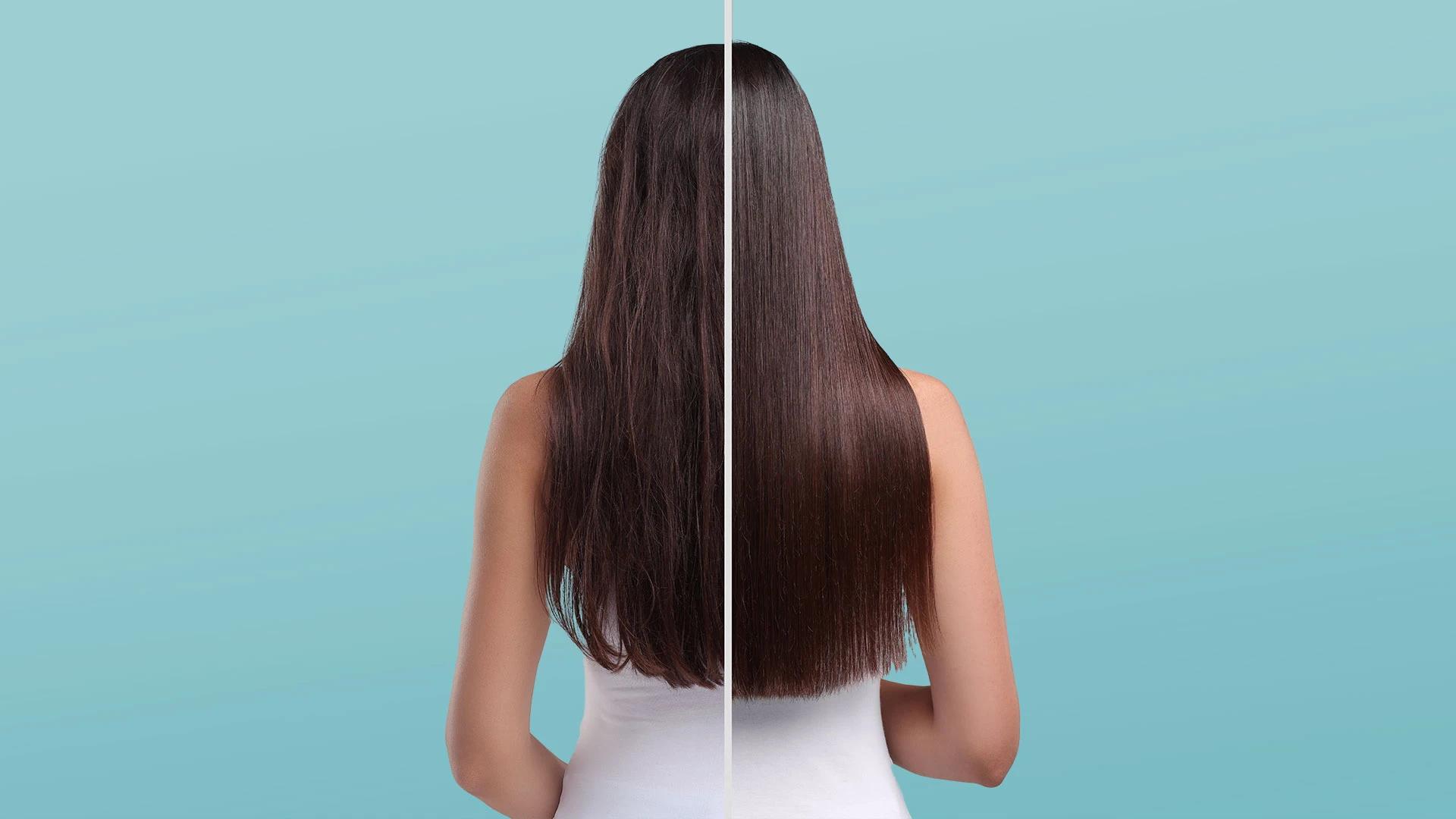
You step outside, and within minutes, your perfectly styled hair transforms into a frizzy mess. Sound familiar? If you've ever wondered why humidity seems to have a personal vendetta against your hair, you're not alone. The good news is that with the right top hair humidity solutions, you can actually win this battle. From game-changing serums to clever styling tricks, there are proven ways to keep your hair smooth and manageable, even when the air feels thick enough to swim through.
Let's get real about what's actually happening up there. When humidity levels hit around 70% or higher, your hair basically becomes a moisture magnet. Here's the science bit made simple: your hair has tiny gaps in its outer layer called cuticles. In humid weather, these cuticles lift up and let moisture sneak in, which breaks down the hydrogen bonds that keep your hair smooth. Think of it like your hair's natural structure getting scrambled.
The more damaged or porous your hair is, the worse this gets. If you've been colouring, heat-styling, or chemically treating your hair, those cuticles are already compromised. This means they're even more likely to let humidity in and cause chaos. Hair that's naturally curly or coarse also tends to be more porous, which explains why some people seem to turn into a walking cotton ball the moment they step outside on a muggy day.
Your hair's porosity level is basically how easily it absorbs and releases moisture. High porosity hair soaks up humidity like a sponge, whilst low porosity hair might resist it better but can still struggle with frizz when the air gets really thick. Understanding your hair's porosity can help you choose the right humidity hair products that actually work for your specific situation.
Ready to fight back against frizz? These solutions range from simple swaps to game-changing products that can transform how your hair handles humid weather. The key is finding what works for your hair type and lifestyle.
Your shampoo choice matters more than you might think when it comes to humidity protection. Sulfates are those harsh cleansing agents that strip away your hair's natural oils – the very oils that help create a barrier against moisture. When you remove these protective oils, you're basically rolling out the red carpet for humidity to wreak havoc.
Look for gentle, sulfate-free formulas that clean without over-stripping. In humid climates, you might actually want to wash your hair less frequently – maybe every other day or even every third day. This lets your natural oils build up and create that protective barrier you need.
Think of deep conditioning as filling in the gaps where humidity likes to sneak in. When your hair is properly moisturised and the cuticles are sealed, there's less room for external moisture to cause problems. Weekly deep conditioning treatments can make a massive difference in how your hair responds to humid weather.
The trick is finding the right balance between protein and moisture. If your hair feels mushy when wet, you need more protein. If it feels brittle and snaps easily, you need more moisture. Getting this balance right is crucial for managing frizzy hair in humid conditions.
This is where the magic really happens. The best frizz serum creates a protective film over your hair shaft that blocks humidity from getting in. You've got two main camps here: silicone-based and silicone-free formulas. Silicones like dimethicone and cyclopentasiloxane are brilliant at creating that moisture barrier, but they can build up over time.
Apply these products to damp hair, focusing on the mid-lengths and ends where frizz tends to be worst. Start with a small amount – you can always add more, but it's harder to take away if you've gone overboard. The key is even distribution, so work it through with a wide-tooth comb or your fingers.
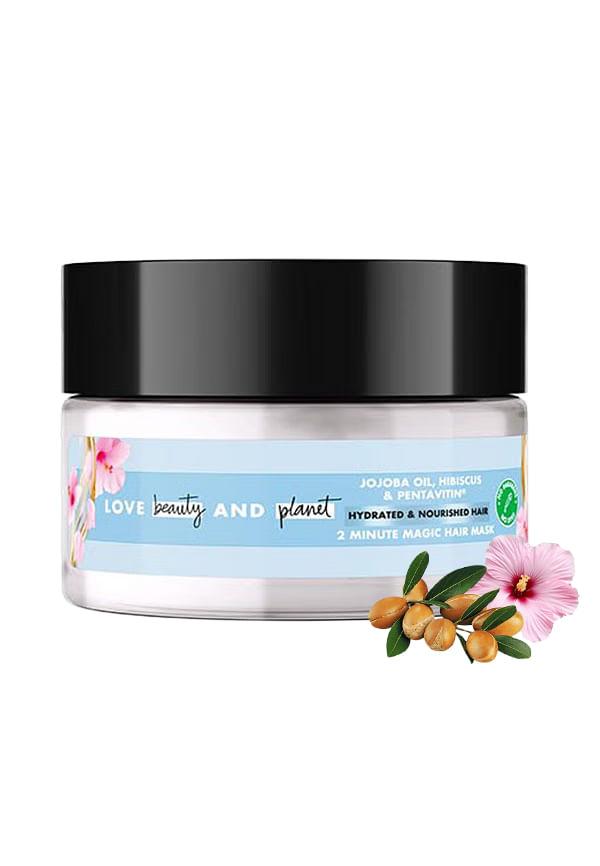
Jojoba oil , Hibiscus & Pentavitin Hydrate & Nourish Hair Mask
Natural oils can be absolute game-changers for humidity protection, but the type and amount matter. Argan oil is lightweight and absorbs well, making it perfect for fine hair. Jojoba oil actually mimics your scalp's natural sebum, whilst coconut oil works brilliantly for thicker, coarser hair types.
The trick with oils is using just enough to create a barrier without weighing your hair down. Start with literally 2-3 drops for shoulder-length hair, warm it between your palms, and smooth it over the surface of your hair. Focus on the areas that tend to get frizzy first.
Anti-frizz creams are your heavy-duty weapons against humidity. These products typically contain a mix of moisturising ingredients and film-forming agents that work together to smooth frizzy hair and block external moisture. Some are designed to work with heat styling, whilst others are perfect for air-drying.
Look for ingredients like glycerin (in moderate amounts), panthenol, and various plant extracts that help smooth the hair cuticle. Apply these to damp hair before styling, and don't be afraid to layer them with other products – just make sure you're applying them in the right order, from thinnest to thickest consistency.
Not all hairsprays are created equal when it comes to humidity resistance. You want formulas specifically designed to repel moisture whilst still allowing your hair to move naturally. Look for flexible hold options that won't leave your hair feeling crunchy or stiff.
The best humidity resistant hairspray creates an invisible shield over your styled hair. Apply it in light, even layers rather than one heavy coating. You can also use it as a base before styling – spray it on damp hair, then apply your other products and style as usual.
Here's something that might surprise you: how you dry your hair can make or break your humidity protection efforts. Regular cotton towels have rough fibres that lift the hair cuticle and create more opportunities for frizz. Microfibre towels or even old cotton t-shirts are much gentler.
Instead of rubbing your hair dry, gently squeeze out excess water by pressing the towel against your hair. This technique, called 'plopping' in the curly hair community, helps maintain your hair's natural pattern whilst removing moisture without causing damage.
Sometimes the best defence is a good offence. Protective hairstyles keep your hair contained and reduce its exposure to humid air. Think low buns, braids, or sleek ponytails that keep the hair shaft smooth and protected.
For overnight protection, try sleeping with your hair in a loose braid or wrapped in a silk scarf. This prevents friction and helps maintain your style whilst you sleep. Silk or satin pillowcases can also make a difference in reducing overnight frizz.
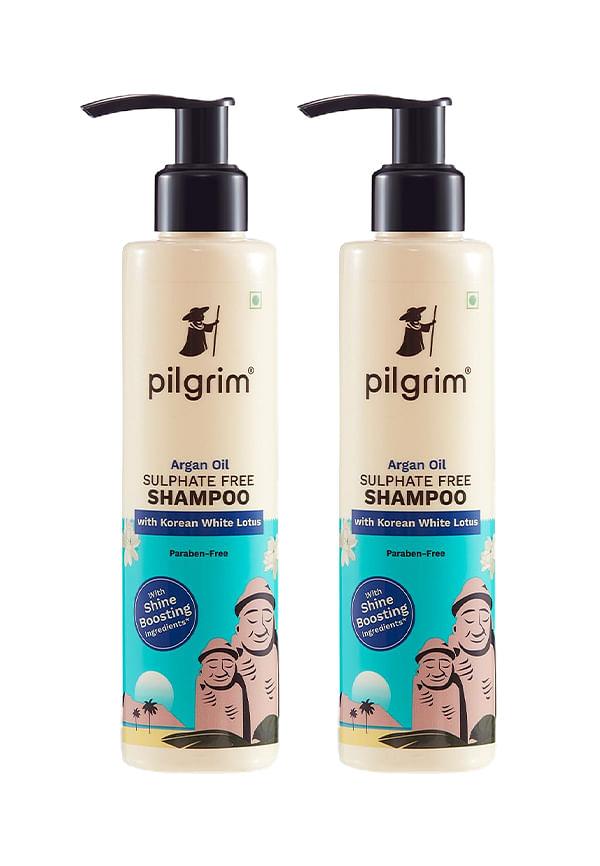
Mild Sulphate Free Shampoo (Argan Oil) | For Dry Frizzy Hair
If you're dealing with serious humidity issues, professional treatments might be worth considering. Keratin treatments can last 3-6 months and significantly reduce frizz and humidity sensitivity. Brazilian blowouts offer similar results but work differently on the hair structure.
These treatments aren't cheap – expect to pay anywhere from ₹8,000 to ₹25,000 depending on your hair length and the salon. But if you're constantly battling humidity, the time and effort saved might make it worthwhile. Just remember that these treatments require specific aftercare to maintain their effectiveness.
Knowing what products to use is only half the battle – how you use them makes all the difference. Start with freshly washed hair using your sulfate-free shampoo and a moisturising conditioner. While your hair is still damp (not soaking wet), apply your leave-in treatment or serum from mid-length to ends.
Next, add your anti-frizz cream or oil, again focusing on the areas most prone to frizz. If you're heat styling, apply a heat protectant before using any hot tools. For air-drying, scrunch out excess water gently and let your hair dry naturally. Finish with a light mist of humidity-resistant hairspray for extra protection.
Throughout the day, keep a small amount of serum or oil in your bag for touch-ups. If frizz starts to appear, lightly smooth a tiny amount over the affected areas. The key is using products sparingly – a little goes a long way, and too much can weigh your hair down or make it look greasy.
Not everything has to come from a bottle. Some of the most effective hair care for humid climates can be whipped up in your kitchen. A weekly mask made from mashed avocado, honey, and a few drops of olive oil can provide deep moisture and help seal the hair cuticle naturally.
Apple cider vinegar rinses can help smooth the hair cuticle and add shine, making your hair less susceptible to humidity. Mix one part vinegar with three parts water and use it as a final rinse after shampooing. The smell disappears once your hair dries, leaving behind smoother, shinier strands.
Aloe vera gel is another natural humidity fighter. It's lightweight, non-greasy, and helps create a protective film over the hair shaft. Mix a small amount with water in a spray bottle for a DIY leave-in treatment that won't weigh your hair down.
When shopping for humidity hair products, certain ingredients are your friends whilst others should be avoided. Look for silicones like dimethicone or cyclomethicone, which create excellent moisture barriers. Glycerin can be helpful in moderate amounts, but too much can actually attract moisture from the air in very humid conditions.
Avoid products with high amounts of humectants like glycerin or honey if you live in a very humid climate – they can backfire and make frizz worse. Also steer clear of products with drying alcohols like denatured alcohol, which can strip moisture and make your hair more susceptible to humidity damage.
Price doesn't always indicate effectiveness. Some brilliant anti-frizz products are available at budget-friendly prices, whilst some expensive options might not work for your specific hair type. The key is understanding your hair's needs and finding products with the right ingredient profile, regardless of price point.
Even with the best products and techniques, you might still face specific challenges. If your hair goes frizzy immediately after straightening, you might not be using enough heat protectant or your hair might need a protein treatment to strengthen the cuticle. Try applying a smoothing serum before and after heat styling for extra protection.
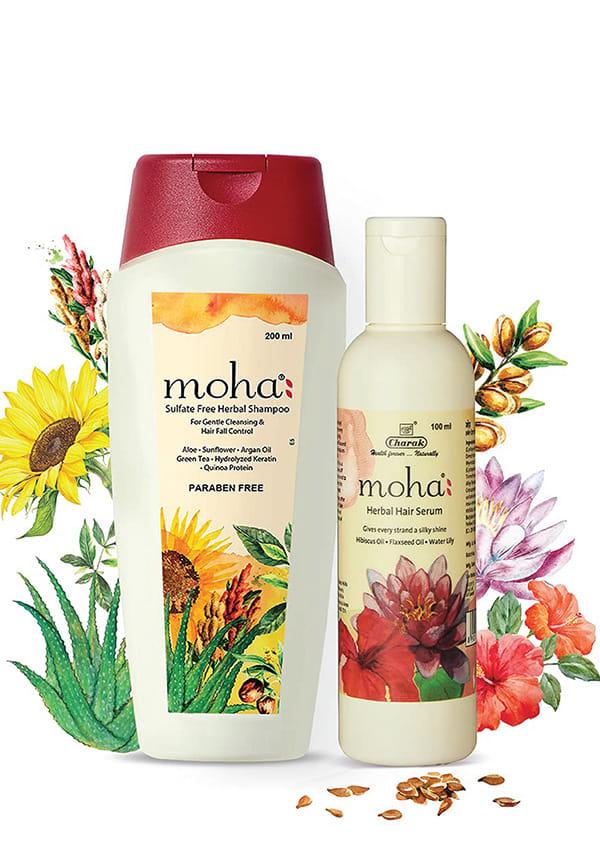
Sulfate Free Herbal Shampoo + Herbal Hair Serum
Curly hair faces unique challenges in humid weather. The key is embracing your natural texture whilst using products that define curls and reduce frizz. Look for curl creams and gels specifically designed for humid weather, and consider the 'plopping' method for drying.
Fine hair can easily get weighed down by heavy anti-frizz products. Stick to lightweight serums and sprays, and apply them sparingly. You might need to experiment with different application techniques – sometimes applying products to the lengths only (avoiding the roots) works better for fine hair types.
The most effective approach combines multiple strategies: start with a sulfate-free shampoo system, use a leave-in serum or oil to create a moisture barrier, and finish with a humidity-resistant hairspray. The specific products depend on your hair type, but the key is creating a protective layer that blocks external moisture whilst keeping your hair properly hydrated from within.
You can't actually remove humidity that's already in your hair, but you can smooth down the cuticle and reduce frizz. Try applying a small amount of anti-frizz serum to damp hands and gently smoothing it over frizzy areas. For emergency fixes, a tiny amount of hand cream (without alcohol) can work in a pinch, though proper hair products are always better.
For most people, yes – 70% humidity is typically the threshold where frizz becomes noticeable. However, this varies based on your hair's porosity, damage level, and natural texture. Well-moisturised, healthy hair with an intact cuticle layer will handle humidity better than damaged or chemically-treated hair. Using the right products can help your hair tolerate much higher humidity levels.
Protein deficiency in your hair structure (not necessarily dietary) is a major cause of frizz. When hair lacks adequate protein, the cuticle becomes damaged and lifts easily, allowing moisture to penetrate and cause frizz. Essential fatty acid deficiencies can also contribute to dry, frizzy hair. A balanced diet rich in proteins, omega-3 fatty acids, and vitamins A, C, and E supports healthy hair structure.
The key is creating multiple barriers against moisture. Start with a heat protectant before straightening, then apply a smoothing serum while hair is still warm from styling. Finish with a humidity-resistant hairspray. For extra protection, sleep with your hair wrapped in a silk scarf and touch up with a flat iron on low heat if needed. Avoid touching your hair throughout the day, as this can disrupt the smooth cuticle.
Managing frizzy hair in humid weather doesn't have to be a daily struggle. The key is understanding your hair's specific needs and building a routine that works with your lifestyle. Whether you prefer natural oils, high-tech serums, or professional treatments, the right combination of products and techniques can help you maintain smooth, manageable hair regardless of what the weather throws at you.
Remember that consistency is crucial – using these top hair humidity solutions regularly will give you better results than sporadic use of even the best products. Your hair needs time to adjust to new routines, so give any new approach at least a few weeks before deciding if it's working for you.
If you're keen to try different products without committing to full-size purchases, Smytten offers trial-size versions of many humidity-fighting hair products from trusted brands. It's a smart way to test what works for your hair type before investing in larger quantities, especially when building your perfect humidity-proof routine.
