9 Scalp Care Tips for a Healthy Scalp Routine


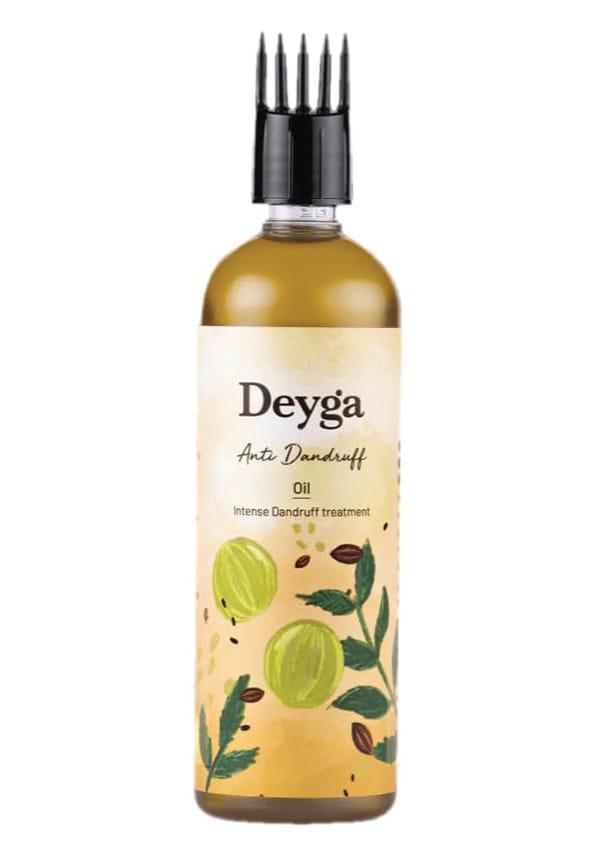
Anti Dandruff Oil Dandruff Control Neem Oil
Ever noticed how your hair looks amazing one day and completely flat the next? The secret isn't always in your shampoo or styling routine—it's what's happening underneath. Your scalp is basically the soil where your hair grows, and just like a garden, healthy roots need the right environment to thrive. Most of us spend ages perfecting our haircare routine but completely ignore the foundation that makes it all possible. Real talk: a healthy scalp routine isn't just about avoiding dandruff (though that's definitely a win). It's about creating the perfect conditions for stronger, shinier hair that actually cooperates with your styling efforts.
Your scalp is home to thousands of hair follicles, each one working overtime to produce the hair you see. When your scalp environment is balanced and healthy, these follicles can do their job properly. But when things go wrong—whether it's excess oil, dryness, or irritation—your hair pays the price. You might notice slower growth, increased breakage, or that stubborn lack of volume that no amount of dry shampoo seems to fix.
Think of your scalp like the foundation of a house. You can have the most beautiful paint and fixtures, but if the foundation is shaky, everything else suffers. A balanced scalp environment means proper oil production, good blood circulation, and healthy follicles. This translates to hair that grows stronger from the root, has better texture, and is less prone to issues like excessive shedding or thinning.
Signs of an unhealthy scalp include persistent itching, visible flakes, excessive oiliness or dryness, redness, and that tight feeling after washing. On the flip side, a healthy scalp feels comfortable throughout the day, produces just enough natural oils to keep hair moisturised without looking greasy, and supports consistent hair growth. The good news? Most scalp issues are totally fixable with the right approach.
Just like your skin, your scalp has its own personality. Some people naturally produce more oil, others struggle with dryness, and many fall somewhere in between. Understanding your scalp type is crucial because what works for your friend's oily scalp might leave your dry scalp even more irritated.
Oily scalps tend to feel greasy by the end of the day, even after washing. You might notice your hair looking flat or limp, and you probably need to wash more frequently than others. This happens when sebaceous glands produce excess oil, often due to genetics, hormones, or over-washing (which can actually trigger more oil production as your scalp tries to compensate).
Dry scalps feel tight, especially after washing, and you might see small, white flakes that aren't necessarily dandruff. Your hair might look dull or feel rough, and you can probably go longer between washes without looking greasy. Dry scalp remedies focus on gentle cleansing and adding moisture back without weighing hair down.
Combination scalps are trickier—you might have oiliness around the hairline and crown but dryness at the nape or behind the ears. Seasonal changes can also shift your scalp's behaviour, with many people experiencing drier conditions in winter and oilier scalps during humid summer months.
Proper scalp cleansing goes way beyond just rubbing shampoo into your hair. It's about creating a clean foundation without stripping away the natural oils your scalp needs to stay healthy. The key is finding that sweet spot between thorough cleaning and gentle care.
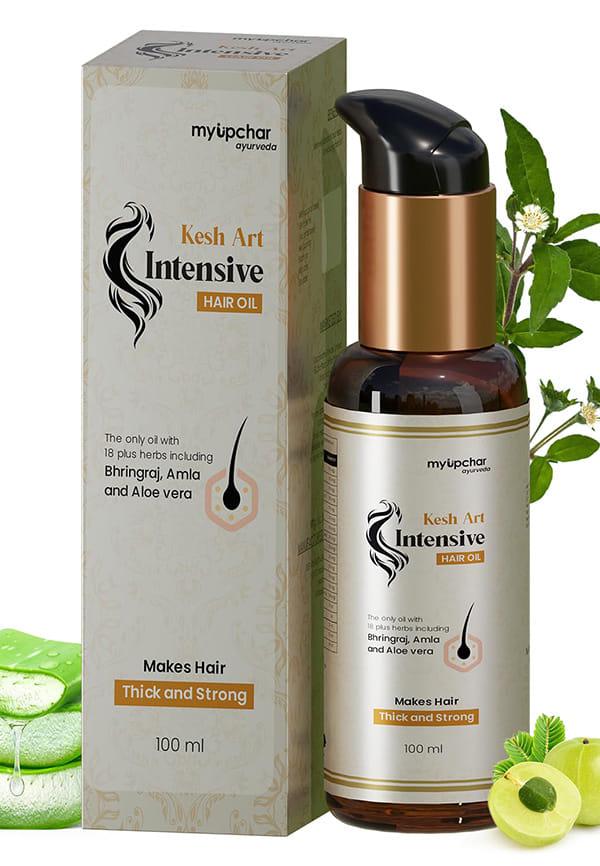
Ayurveda Kesh Art Bhringraj Hair Oil for Hair Growth | Control Hair Fall & Dandruff
Start with lukewarm water—hot water might feel amazing, but it can irritate your scalp and strip away natural oils. Apply shampoo primarily to your scalp, not your hair lengths. Use your fingertips (never your nails) to gently massage the product in, focusing on areas where oil and product buildup tend to accumulate, like around the hairline and crown.
How often you wash depends entirely on your scalp type. Oily scalps might need daily cleansing, while dry scalps can often go 2-3 days between washes. Listen to your scalp—if it feels uncomfortable or your hair looks greasy, it's time to wash.
Scalp exfoliation removes dead skin cells, product buildup, and excess oil that regular shampooing might miss. Think of it as a reset button for your scalp. You can use gentle scrubs with ingredients like sugar or salt, or chemical exfoliants containing salicylic acid or glycolic acid.
For most people, exfoliating once a week is plenty. If you have a sensitive scalp, start with every two weeks and see how your skin responds. Over-exfoliation can cause irritation and actually make scalp problems worse, so gentle and consistent is better than aggressive and sporadic.
Different scalp concerns need different approaches. What works for dandruff control might not be the best solution for an oily scalp, and dry scalp remedies can sometimes make oily conditions worse. Let's break down the most effective treatments for specific issues.
Not all flakes are created equal. True dandruff is usually caused by a yeast called Malassezia, which feeds on scalp oils and causes irritation. This type of dandruff typically involves larger, yellowish flakes and might come with itching or redness. Dry scalp flakes, on the other hand, are usually smaller, whiter, and come with a tight, uncomfortable feeling.
For actual dandruff control, look for shampoos containing zinc pyrithione, ketoconazole, or selenium sulfide. These ingredients target the underlying yeast while soothing irritation. Salicylic acid can help remove flaky buildup, making it easier for other active ingredients to work. Natural options like tea tree oil or apple cider vinegar can also be effective, though they might take longer to show results.
Oily scalp solutions often involve clarifying treatments that remove excess sebum without triggering more oil production. Clay masks can be incredibly effective—apply them to your scalp (not your hair) once a week to absorb excess oil and impurities. Look for bentonite or kaolin clay, which are gentle but effective.
For dry scalp remedies, focus on adding moisture back without weighing your hair down. Lightweight oils like jojoba or argan can be massaged into the scalp before washing. Avoid harsh sulfates and opt for gentler cleansing agents. Sometimes, what feels like a dry scalp is actually dehydration, so drinking more water and using a humidifier can help too.
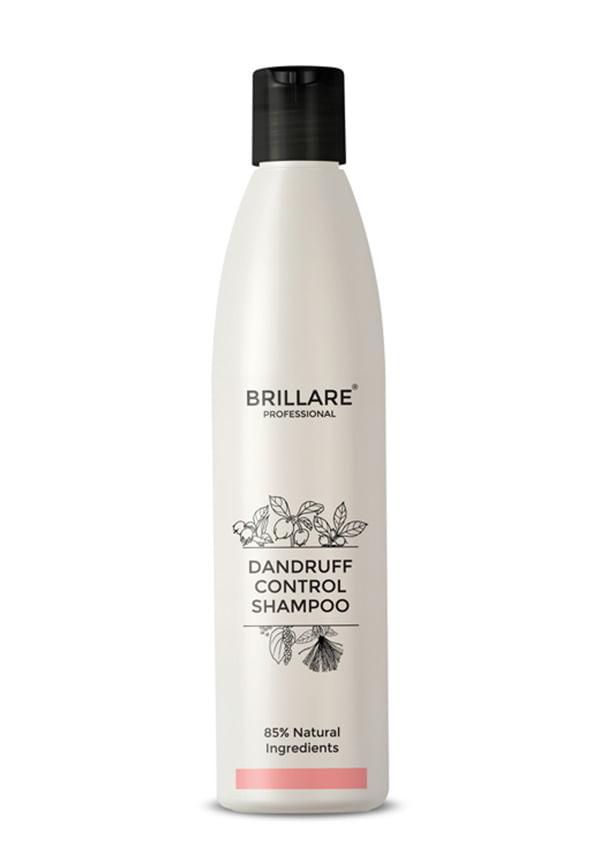
Dandruff Control Shampoo For Itchy, Flaky Scalp
Scalp massage isn't just relaxing—it's actually backed by science. When you massage your scalp, you increase blood circulation to the hair follicles, delivering more nutrients and oxygen to support healthy hair growth from scalp. Studies have shown that regular scalp massage can increase hair thickness and may even help with hair loss.
The key is consistency and proper technique. Use gentle, circular motions with your fingertips, starting at the hairline and working your way back. Spend about 5-10 minutes massaging your entire scalp, applying just enough pressure to move the skin without causing discomfort. You can do this with dry hair, during shampooing, or with a few drops of oil for extra nourishment.
Essential oils can enhance the scalp massage benefits. Rosemary oil has been shown to be as effective as minoxidil for promoting hair growth, while peppermint oil can increase circulation and create a refreshing, tingly sensation. Always dilute essential oils in a carrier oil like coconut or jojoba before applying to your scalp.
Tools like scalp massagers or brushes can be helpful, but your fingers are often the most effective option. They allow you to adjust pressure and really feel what your scalp needs. Some people find that massaging before bed helps them relax, while others prefer to incorporate it into their morning routine.
A solid scalp health routine doesn't have to be complicated, but it should be consistent. Think of it as building habits that support your scalp's natural functions rather than fighting against them. The goal is to create a balanced scalp environment that supports healthy hair growth while addressing any specific concerns you might have.
Your daily routine should be simple and sustainable. In the morning, gently brush your hair to distribute natural oils and stimulate circulation. If you're not washing that day, you might massage your scalp for a few minutes to wake up the follicles and increase blood flow.
Throughout the day, avoid touching your scalp unnecessarily, as this can transfer oils and bacteria from your hands. If you use styling products, try to keep them off your scalp as much as possible. Heat styling tools should be used with protectant products and kept away from the scalp to prevent irritation and dryness.
Evening care might include a gentle scalp massage with or without oils, depending on your scalp type and whether you're planning to wash the next day. This is also a good time to assess how your scalp feels and adjust your routine accordingly.
Once or twice a week, give your scalp some extra attention. This might be when you do your scalp exfoliation, apply a targeted treatment mask, or spend extra time on massage. Weekly treatments should address your specific scalp concerns—whether that's controlling oil, adding moisture, or targeting dandruff.
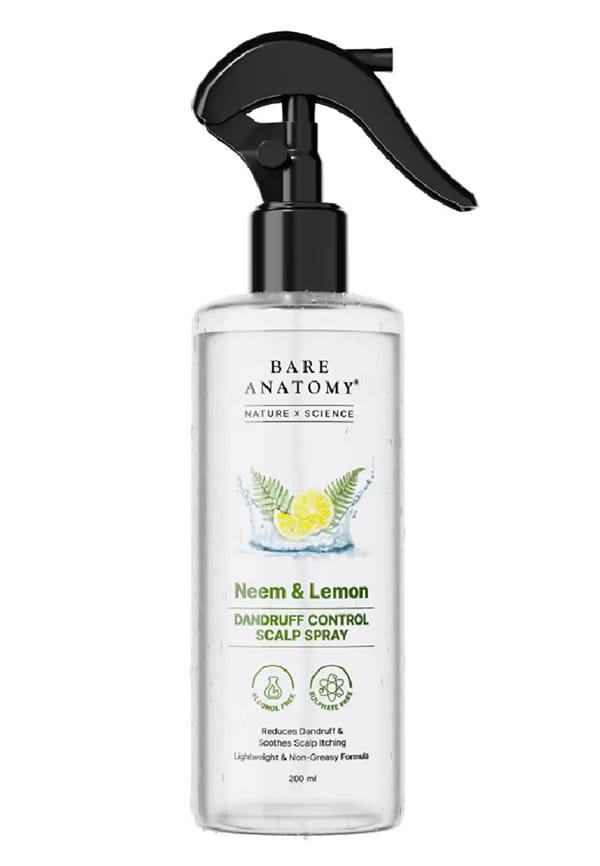
Bare Anatomy Nature x Science Dandruff Control Scalp Spray
Consider rotating different treatments to keep your scalp balanced. You might use a clarifying treatment one week and a hydrating mask the next, depending on how your scalp responds. Pay attention to seasonal changes too—your scalp might need more moisture in winter and better oil control in summer.
A good scalp health routine starts with understanding your scalp type and choosing products accordingly. The basic framework includes gentle cleansing 2-3 times per week (or daily for oily scalps), weekly exfoliation, regular scalp massage, and targeted treatments for specific concerns. The key is consistency rather than complexity—simple routines that you can stick to long-term are more effective than elaborate systems you'll abandon after a few weeks.
Maintaining scalp health involves both topical care and lifestyle factors. Stay hydrated, eat a balanced diet rich in vitamins and minerals, manage stress levels, and get enough sleep. Avoid over-washing or using harsh products, protect your scalp from sun damage, and be gentle when brushing or styling. Regular scalp massage and appropriate product choices for your scalp type will keep things balanced.
Start by identifying your scalp type and any specific issues you're dealing with. Gradually introduce new scalp care tips rather than overhauling your entire routine at once. Focus on gentle cleansing, regular massage, and addressing specific concerns with targeted treatments. Be patient—it can take 4-6 weeks to see significant improvements in scalp health, and up to 3 months to notice changes in hair growth and quality.
A healthy scalp should feel comfortable throughout the day without excessive itching, tightness, or irritation. It should produce enough natural oil to keep hair moisturised without looking greasy, and you shouldn't see excessive flaking or redness. Your hair should feel strong and look shiny, with consistent growth and minimal breakage. If you're experiencing persistent issues like severe itching, unusual hair loss, or painful bumps, it's worth consulting a dermatologist or trichologist.
Building a solid scalp health routine is one of the best investments you can make in your hair's future. It's not about using the most expensive products or following the most complicated routines—it's about understanding what your scalp needs and consistently providing it. Whether you're dealing with oily scalp solutions, need dry scalp remedies, or just want to optimise your hair growth from scalp, the key is patience and consistency.
Remember that everyone's scalp is different, and what works for others might not work for you. Start with the basics—gentle cleansing, regular massage, and appropriate products for your scalp type—then gradually add targeted treatments as needed. Your scalp will thank you with healthier, stronger hair that's much easier to style and maintain.
Not sure which scalp care products work best for your specific needs? Smytten offers trial-size versions of many scalp treatments and shampoos from trusted brands—a smart way to test different formulations before committing to full-size bottles. After all, finding your perfect scalp health routine is all about discovering what works uniquely for you.
