9 Scalp Care Routine Guide Tips for Healthier Hair

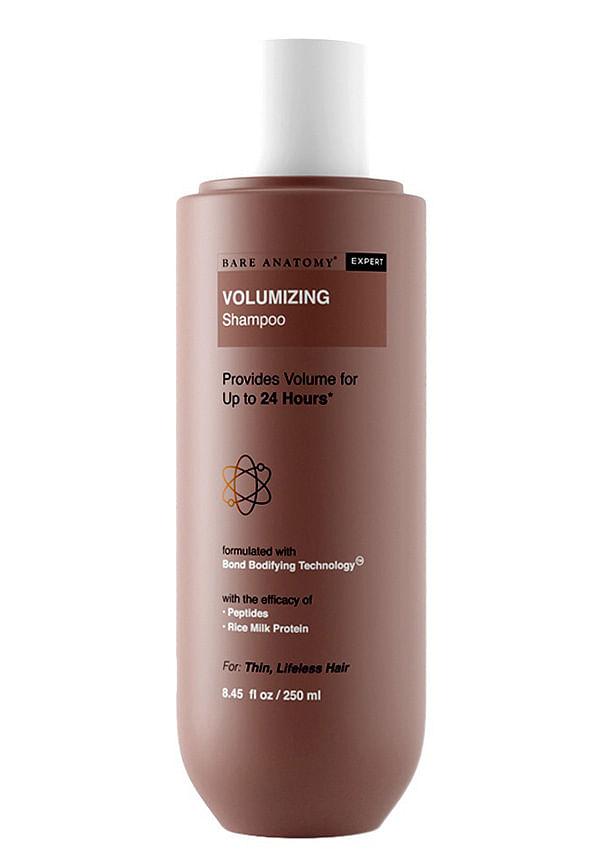
Expert Volumizing Hair Shampoo For Thicker, Fuller And Healthy Hair
Ever had one of those days where your hair just won't cooperate, no matter what you try? You've switched shampoos, tried every styling trick in the book, but nothing seems to work. Here's the thing—your hair might be trying to tell you something about what's happening underneath. Your scalp is basically the foundation for everything that grows from it, and if it's not happy, your hair won't be either. Think of it like trying to grow a garden in poor soil—you're just not going to get the results you're after. The good news? A proper scalp care routine guide can completely transform your hair game, and it's way simpler than you might think.
Before diving into any routine, you need to figure out what you're working with. Your scalp is unique, just like your skin, and what works for your mate might not work for you. Most of us fall into one of three categories: dry, oily, or combination scalps, and each comes with its own set of challenges.
A dry scalp often feels tight, especially after washing, and you might notice small white flakes that aren't quite dandruff. It can feel itchy and look a bit dull. On the flip side, an oily scalp tends to feel greasy within a day or two of washing, and your hair might look flat or weighed down quickly. Combination scalps are trickier—you might have an oily T-zone area but dryness around the edges.
Your scalp doesn't exist in a vacuum. Everything from the weather to your stress levels can affect it. Hot showers, harsh products, over-washing, and even your diet play a role. Product buildup is another major culprit—all those styling products, dry shampoos, and heavy conditioners can create a layer that suffocates your scalp. The key is finding that sweet spot where your scalp feels balanced and comfortable.
Ready to give your scalp the attention it deserves? These nine steps will help you build a routine that actually works for your specific needs. Don't worry—you don't need to do everything at once. Start with the basics and gradually add more steps as you get comfortable.
This isn't just about shampooing—it's about shampooing right. If you have an oily scalp, you might need to wash every other day, whilst those with dry scalps can often go 2-3 days between washes. The technique matters too: focus the shampoo on your scalp, not your lengths, and use your fingertips (not nails) to gently massage in circular motions. This helps remove buildup without irritating your skin.
Just like your face, your scalp benefits from regular exfoliation. You can go the physical route with a gentle scrub (think brown sugar mixed with your shampoo) or try chemical exfoliation with products containing salicylic acid or AHAs. Once a week is usually plenty—overdoing it can cause irritation and actually make problems worse.
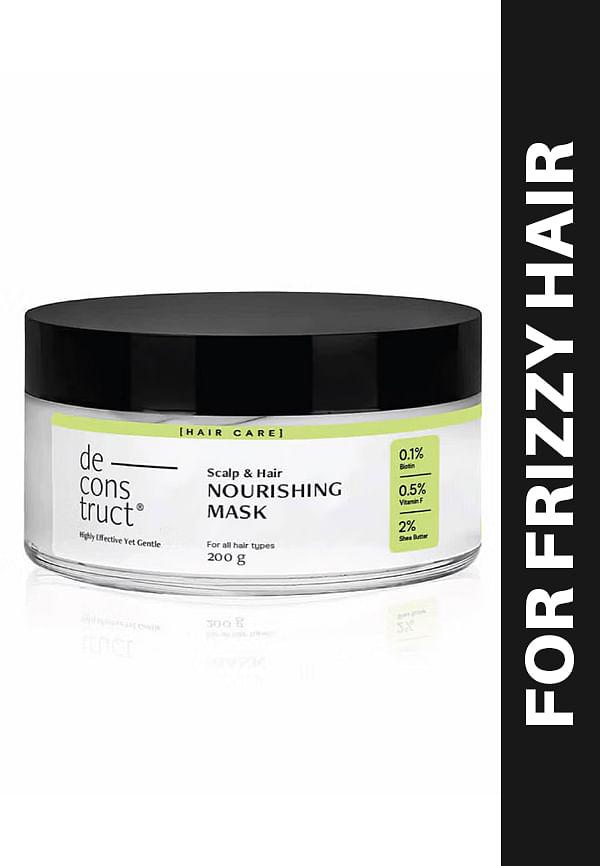
Scalp & Hair Nourishing Mask 0.1% Biotin + 0.5% Vitamin F + 2% Shea Butter
This is where you can really target specific issues. For itchy scalp relief, look for ingredients like tea tree oil or zinc pyrithione. Dry scalps love hydrating treatments with hyaluronic acid or ceramides. If you're dealing with excess oil, clay-based masks can help absorb the extra sebum without stripping your scalp completely.
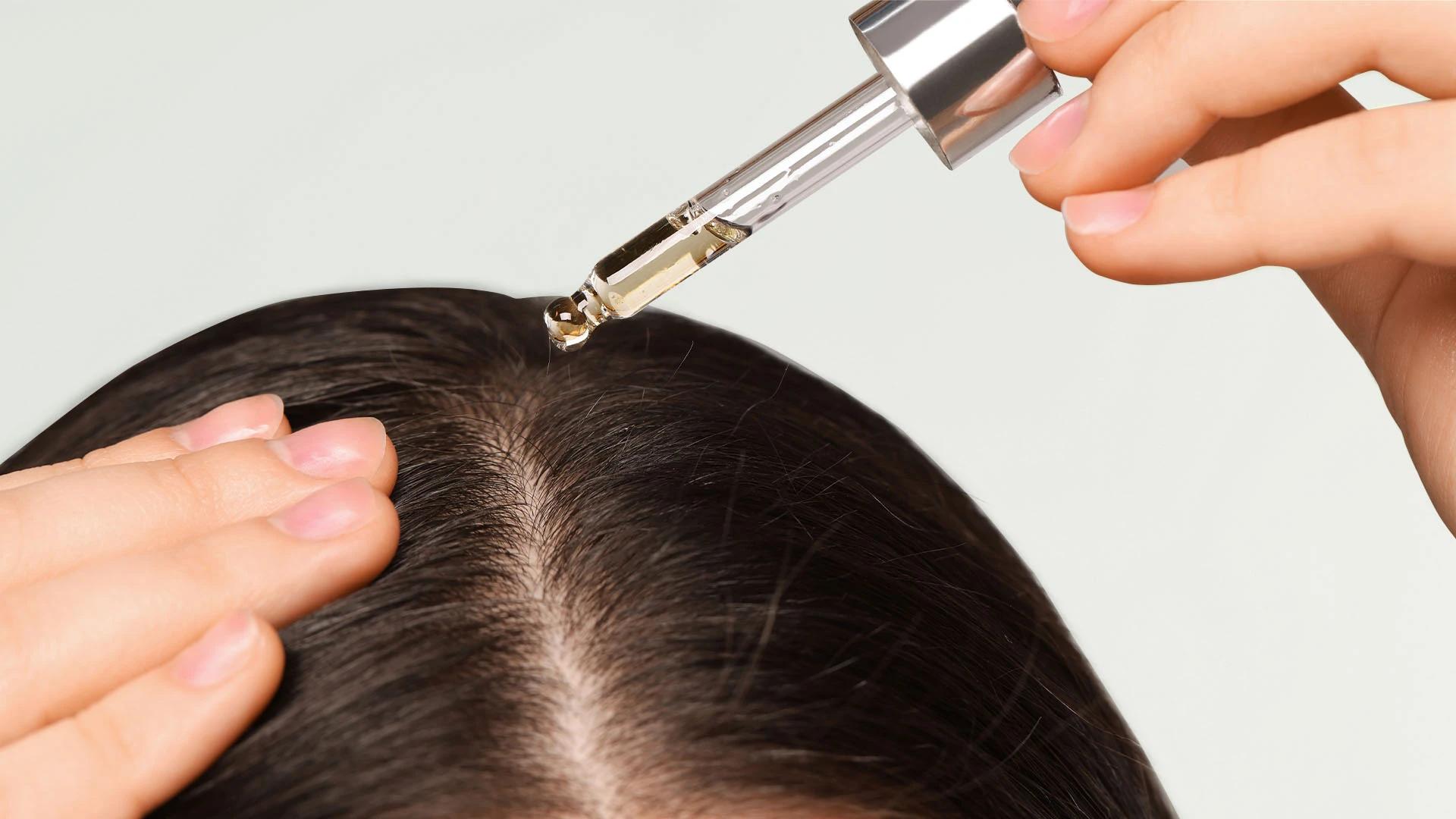
Even oily scalps need moisture—just the right kind. Lightweight serums or oils applied to damp hair can provide hydration without weighing things down. Jojoba oil is brilliant because it's technically a wax that mimics your scalp's natural sebum. For dry scalps, slightly heavier oils like argan or coconut can provide deeper nourishment.
This step is all about encouraging hair growth from scalp stimulation. Spend 2-3 minutes massaging your scalp with your fingertips, either during shampooing or with a few drops of oil before bed. The increased blood flow can help deliver nutrients to your hair follicles and promote healthier growth.
Your scalp is skin, and like the skin on your face, it needs protection from UV rays and pollution. Wearing a hat or using products with SPF can prevent sun damage that leads to dryness and irritation. In winter, protect against harsh winds and dry indoor heating that can strip moisture.
Even with the best intentions, products can accumulate on your scalp over time. A clarifying shampoo once a week or a DIY apple cider vinegar rinse can help reset things. Mix one part ACV with three parts water, apply after shampooing, leave for a few minutes, then rinse thoroughly.
Consistency beats intensity every time. Rather than doing everything at once, spread your scalp care throughout the week. Maybe you exfoliate on Sundays, do a hydrating treatment on Wednesdays, and use a clarifying shampoo on Fridays. This gives your scalp time to respond without overwhelming it.
Your scalp's needs can change with the seasons, your hormones, stress levels, and even the products you're using. Pay attention to how it feels and looks, and don't be afraid to tweak your routine accordingly. What works in summer might be too drying in winter.
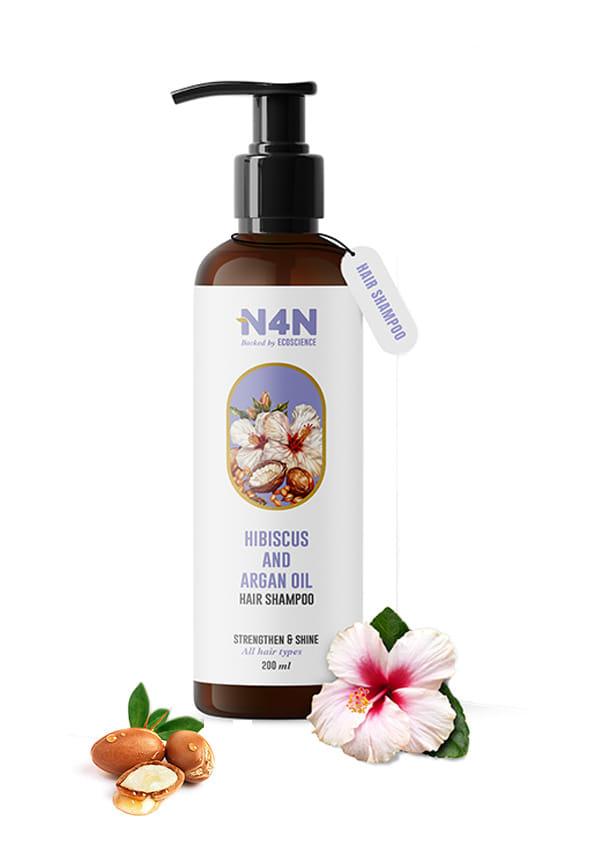
Hair Shampoo | Hibiscus And Argan Oil | Strengthen & Shine
Once you've got the basics down, these advanced tips can help you take your scalp care to the next level. Remember, good scalp health is a marathon, not a sprint, so be patient with the process.
Real talk—dandruff is different from a dry scalp, though they're often confused. Dandruff is usually caused by a yeast called Malassezia and appears as larger, yellowish flakes. Tea tree oil, zinc pyrithione, or selenium sulfide can help manage it. You can also try a DIY treatment with plain yoghurt (the probiotics can help balance your scalp's microbiome) or a gentle honey mask for its antimicrobial properties.
A healthy scalp is the foundation for healthy hair growth. Beyond massage, certain ingredients can help stimulate follicles. Rosemary oil has been shown to be as effective as minoxidil in some studies. Caffeine-infused products can also boost circulation. The key is consistency—you won't see overnight results, but after 2-3 months of dedicated care, you should notice stronger, healthier hair.
Now that you know the steps, it's time to create a routine that fits your lifestyle and scalp needs. Start simple and build from there—trying to do everything at once is a recipe for giving up after a week.
Daily care might just be gentle brushing to distribute natural oils and a quick scalp massage. Weekly tasks could include exfoliation, a targeted treatment, or clarifying. Monthly deep treatments or professional scalp facials can provide that extra boost. The key is finding a rhythm that feels sustainable for you.
Your scalp health tips need to evolve with the seasons. Summer might call for more frequent washing and UV protection, whilst winter often requires extra hydration and gentler products. Don't be afraid to switch things up based on what your scalp is telling you.
Even with the best intentions, it's easy to make mistakes that can actually make scalp problems worse. Over-cleansing is probably the biggest culprit—stripping your scalp of natural oils can trigger it to produce even more oil or become irritated and flaky. Using products meant for your hair lengths on your scalp is another common error. Your scalp is skin and should be treated as such, not like the hair that grows from it.
Heat styling can also damage your scalp, especially if you're using tools close to the roots. Try to keep hot tools at least an inch away from your scalp, and always use a heat protectant. Finally, resist the urge to scratch or pick at your scalp, even when it's itchy—this can lead to inflammation and even infection.
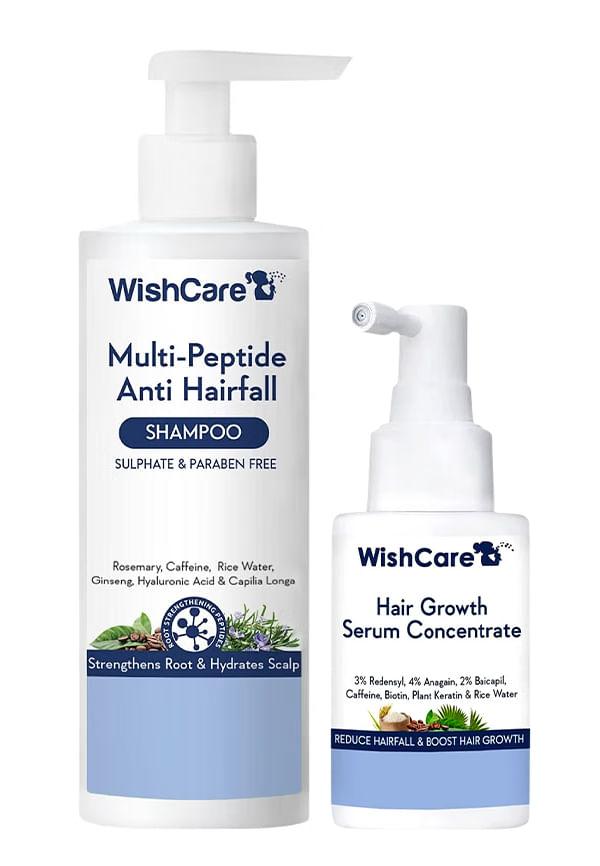
90-Day Hair Boost Combo
It depends on your scalp type and lifestyle. Oily scalps might need washing every other day, whilst dry scalps can often go 2-3 days between washes. If you exercise frequently or live in a polluted area, you might need to wash more often regardless of your scalp type.
Some ingredients work well for both, like hyaluronic acid or niacinamide, but be cautious with stronger actives like retinoids or high-concentration acids. Your scalp skin is thicker than facial skin but can still be sensitive, especially if you have any irritation or cuts.
Dry scalp produces small, white flakes and feels tight or itchy. Dandruff creates larger, yellowish flakes and is caused by a yeast overgrowth. Dry scalp remedies focus on hydration, whilst dandruff treatment at home usually involves antifungal ingredients.
You might notice immediate relief from itching or tightness, but significant changes in hair quality or scalp condition usually take 6-8 weeks. Your hair growth cycle means it takes time for healthier hair to grow from a healthier scalp.
Not necessarily. Many effective scalp care ingredients are available in affordable products. Focus on finding the right ingredients for your specific concerns rather than the price tag. Sometimes simple solutions like oily scalp solutions using clay masks work just as well as pricey alternatives.
Absolutely. Omega-3 fatty acids, zinc, and biotin all support scalp health. Staying hydrated is crucial too. If you're dealing with persistent scalp issues, consider whether your diet might be playing a role.
Your scalp care routine guide doesn't have to be complicated to be effective. Start with understanding your scalp type, then build a routine that includes proper cleansing, regular exfoliation, targeted treatments, and protection from environmental damage. Remember that consistency trumps perfection every time—a simple routine you stick to will always beat an elaborate one you abandon after a week.
The connection between scalp health and hair quality is real, and investing time in your scalp will pay dividends in stronger, healthier hair. Whether you're dealing with dryness, oiliness, dandruff, or just want to optimise your hair growth, these nine steps provide a solid foundation for healthier hair from the roots up. Not sure which scalp care products work best for your specific needs? Smytten offers trial-size versions of many scalp treatments and shampoos—a smart way to test different formulas before committing to full-size bottles.
