9 Monsoon Damage Hair Treatment Tips for Frizzy Hair


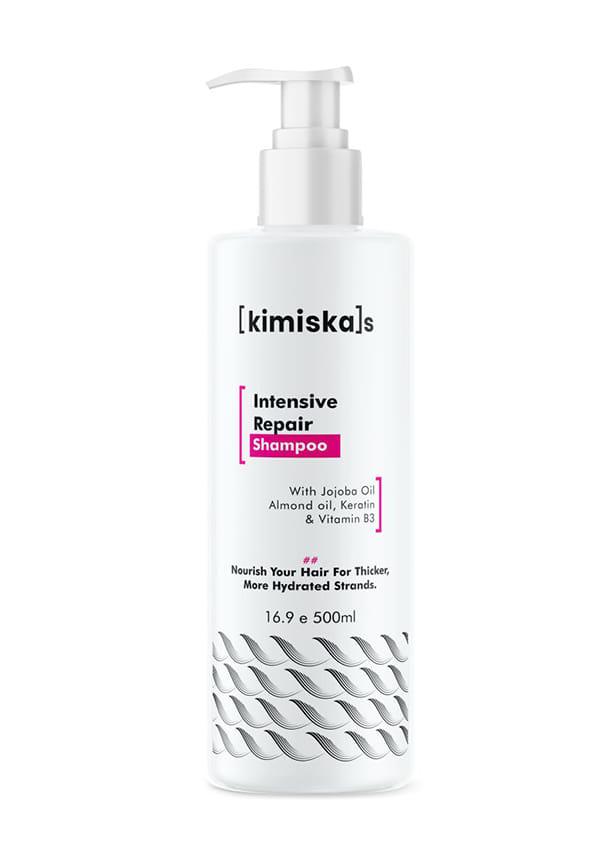
Intensive Hair Repair Shampoo for Dry and Frizzy Hair
Picture this: you wake up, check the weather, and see those dreaded rain clouds rolling in. Your heart sinks because you know what's coming—a day of battling frizz, dealing with limp hair, and watching your carefully styled locks turn into a humidity-induced disaster. If this sounds like your monsoon reality, you're definitely not alone. The rainy season brings its own set of hair challenges that can leave even the most confident of us feeling frustrated with our manes.
But here's the thing—monsoon hair damage doesn't have to be your annual nightmare. With the right monsoon damage hair treatment approach and some smart strategies, you can actually maintain gorgeous, healthy hair throughout the rainy season. Let's dive into nine game-changing tips that'll help you win the battle against frizz and humidity damage.
Before we jump into solutions, let's get real about what's actually happening to your hair during monsoon. The science behind hair problems in rainy season is pretty fascinating, and understanding it helps you tackle the issues more effectively.
Your hair cuticles are like tiny scales that protect the inner shaft. When humidity levels spike during monsoon, these cuticles lift and allow moisture to penetrate unevenly. This creates that dreaded frizz we all know too well. Plus, rainwater isn't as pure as you might think—it often contains pollutants and has a slightly acidic pH that can weaken your hair structure over time.
The increased moisture in the air also creates the perfect breeding ground for fungi and bacteria on your scalp. This is why many people experience more dandruff, itchiness, and even scalp infections during the rainy season.
Most of us deal with similar issues during monsoon: excessive hair fall that seems to come out of nowhere, frizz that no amount of serum can tame, scalp problems that make you want to hide under a hat, and hair that feels weaker and more prone to breakage. Sound familiar? These aren't just cosmetic concerns—they're signs that your hair needs some extra TLC during this challenging season.
The key to winning the frizz battle lies in smart moisture control for hair. Think of it as creating a protective barrier that keeps the good moisture in and the chaotic humidity out. Start with a pre-monsoon prep routine about two weeks before the rains hit. Deep condition your hair weekly and consider getting a professional treatment to strengthen your hair's natural defences.
Invest in humidity-blocking serums and leave-in treatments that contain silicones or natural oils. These create a protective film around each strand. For a DIY approach, try mixing a few drops of argan oil with your regular leave-in conditioner—it works wonders for creating that moisture barrier you need.
Your hair loses protein faster during monsoon due to increased washing and humidity exposure. Weekly protein treatments become your best friend during this season. Try a simple egg mask mixed with honey and a tablespoon of coconut oil, or go for fenugreek seeds soaked overnight and blended into a paste.
If you prefer ready-made options, look for treatments containing keratin, collagen, or hydrolysed proteins. Apply these once a week, focusing on the mid-lengths and ends where damage is most visible. Remember, balance is key—too much protein can make hair brittle, so alternate with moisturising treatments.
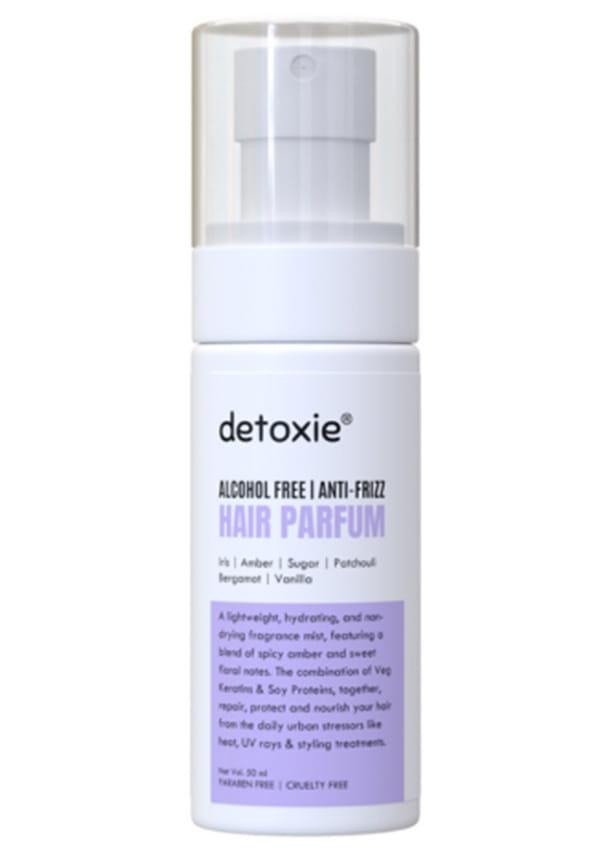
Alcohol Free Anti-Frizz Hair Parfum
Wet hair is incredibly fragile, and during monsoon, your hair spends more time in this vulnerable state. Never brush wet hair aggressively—instead, use a wide-tooth comb and start from the ends, working your way up. Pat your hair dry with a microfibre towel instead of rubbing vigorously.
Protective hairstyles become crucial during rainy days. Loose braids, buns, or even a simple ponytail can prevent your hair from getting completely soaked and tangled. Just make sure not to tie your hair too tightly when it's wet, as this can cause breakage at the hairline.
A healthy scalp is the foundation of strong hair, especially during monsoon when fungal issues are common. Weekly oil massages with tea tree oil mixed into coconut or jojoba oil can work wonders for maintaining scalp health. The antimicrobial properties help prevent infections while the massage boosts circulation.
Keep your scalp clean but don't overwash—this can strip natural oils and make your scalp produce more oil to compensate. If you notice any persistent itching, flaking, or unusual odour, consider using a medicated shampoo with ingredients like ketoconazole or zinc pyrithione.
Monsoon hair fall often happens because of the sudden change in humidity levels and increased scalp issues. Focus on strengthening your hair from within by ensuring you're getting enough protein, iron, and vitamins in your diet. Biotin, vitamin D, and omega-3 fatty acids are particularly important for hair health.
Stress management also plays a huge role in hair fall control monsoon season. The weather changes can affect your mood and stress levels, which directly impact your hair. Try incorporating some relaxation techniques into your routine—even five minutes of deep breathing can help.
Sometimes the best remedies for monsoon damaged hair are sitting right in your kitchen. Coconut oil mixed with a few drops of amla oil creates a powerful treatment for strengthening hair and preventing breakage. Apply this mixture to your scalp and hair, leave it on for at least an hour, then wash with a gentle shampoo.
For frizz control, try a rice water rinse after shampooing. The amino acids and vitamins in rice water help smooth the hair cuticle and add shine. Green tea rinses work brilliantly too—they're packed with antioxidants that promote scalp health and can help reduce hair fall.
Your regular hair care routine might need a monsoon makeover. Switch to sulphate-free shampoos that clean without stripping essential oils. Look for ingredients like glycerin, hyaluronic acid, and natural oils in your conditioners—these help maintain optimal moisture levels.
Leave-in treatments become non-negotiable during monsoon. Choose lightweight formulas that won't weigh your hair down but provide enough protection against humidity. Anti-frizz serums with silicones can be your emergency backup for those unexpectedly humid days.
Sometimes DIY treatments aren't enough, and that's perfectly okay. Professional treatments like keratin smoothing or deep conditioning masks can provide longer-lasting protection against humidity. These treatments create a protective coating that lasts for weeks, making your daily hair care much easier.
Regular trims become even more important during monsoon. Split ends travel up the hair shaft faster in humid conditions, so getting a trim every 6-8 weeks helps maintain healthy hair length and prevents further damage.
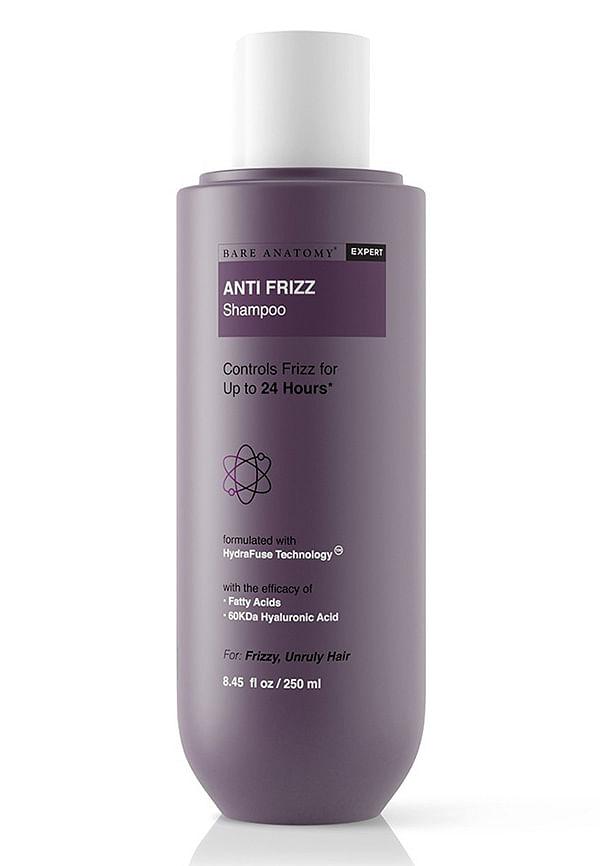
Expert Anti-Frizz Shampoo Tames Frizz For Up To 24 Hours
Your hair reflects your overall health, so monsoon is the perfect time to focus on holistic wellness. Stay hydrated—it sounds simple, but proper hydration helps maintain your hair's natural moisture balance. Include foods rich in antioxidants like berries, leafy greens, and nuts in your diet.
Quality sleep is crucial for hair repair and growth. Your hair follicles regenerate during sleep, so aim for 7-8 hours of good rest. Regular exercise also improves blood circulation to your scalp, promoting healthier hair growth.
When you're dealing with immediate frizz or damage, you need both quick fixes and sustainable solutions. For emergency situations, keep a small bottle of diluted leave-in conditioner in your bag—a few spritzes can tame sudden frizz. Silk or satin scarves aren't just stylish; they protect your hair from humidity while you're out and about.
When frizz strikes unexpectedly, wet your hands slightly and smooth them over your hair—this helps redistribute natural oils and tames flyaways. A tiny amount of hand cream (yes, really!) can work as an emergency hair serum if you don't have anything else on hand.
Dedicate one day each week to intensive hair care during monsoon. Start with a clarifying shampoo to remove product buildup, follow with a protein treatment if needed, then finish with a deep conditioning mask. This weekly reset helps your hair handle daily humidity exposure better.
Prevention is always better than cure, especially when it comes to hair care during monsoon. Start preparing your hair about a month before the rainy season begins. This gives you time to address any existing damage and strengthen your hair's natural defences.
Get a professional hair analysis to understand your hair's current condition. If you have chemical damage from colouring or heat styling, address these issues before monsoon hits. Stock up on essential products like gentle shampoos, deep conditioners, and protective serums.
Consistency is key during monsoon. Establish a morning routine that includes applying a leave-in treatment and heat protectant if you're styling. Keep a small emergency kit with you—a mini serum, hair ties, and a small comb can save the day when weather conditions change suddenly.
While most monsoon hair problems can be managed at home, some situations require professional attention. If you're experiencing severe hair loss, persistent scalp infections, or if your hair feels significantly weaker despite following a good routine, it's time to consult a professional.
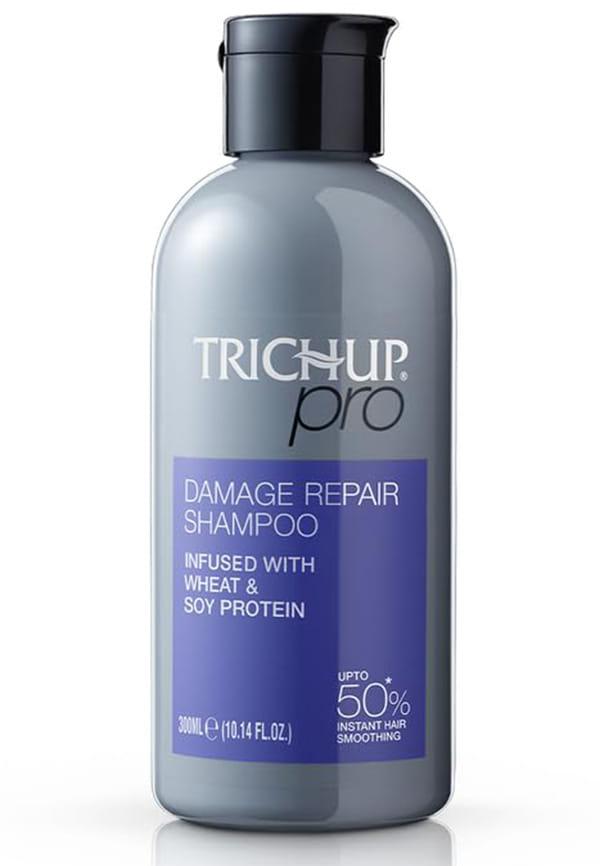
Trichup Pro Damage Repair Shampoo for Dry Frizzy Hair Instant Dual Action
Watch out for hair loss that exceeds 100 strands per day, patches of hair loss, severe scalp irritation that doesn't improve with gentle care, or hair that breaks easily even with minimal manipulation. These could indicate underlying issues that need professional treatment.
Dermatologists can help with scalp conditions, while trichologists specialise in hair and scalp health. Professional treatments like PRP therapy, scalp treatments, or prescription medications might be necessary for severe cases.
Natural hair fall control during monsoon involves regular oil massages with coconut or castor oil, maintaining a protein-rich diet, and using gentle, sulphate-free shampoos. Stress management and adequate sleep also play crucial roles in preventing excessive hair fall during the rainy season.
Effective home remedies include rice water rinses for smoothing, coconut oil and honey masks for deep conditioning, and aloe vera gel as a natural anti-frizz treatment. Apple cider vinegar rinses can also help seal hair cuticles and reduce frizz caused by humidity.
During monsoon, wash your hair 2-3 times per week with a gentle, sulphate-free shampoo. Overwashing can strip natural oils and make your scalp produce more oil to compensate, while underwashing can lead to scalp issues due to increased humidity and pollution.
Most monsoon damage can be significantly improved with consistent care, though complete reversal depends on the severity of damage. Surface damage like frizz and dryness responds well to treatments, while structural damage may require more time and professional intervention to fully repair.
Avoid heavy oils that can weigh hair down, alcohol-based products that can dry out your hair, and products with harsh sulphates. Also steer clear of heavy styling products that can cause buildup, as they're harder to wash out and can attract more humidity.
Monsoon doesn't have to mean months of bad hair days. With these nine monsoon damage hair treatment strategies, you can maintain healthy, manageable hair throughout the rainy season. Remember, consistency is more important than perfection—small daily efforts add up to significant improvements over time.
The key is finding what works for your specific hair type and sticking with it. Some people need more protein treatments, while others benefit from extra moisture. Pay attention to how your hair responds and adjust your routine accordingly.
If you're looking to experiment with new products for your monsoon hair care routine, Smytten offers trial-size versions of many hair care products from trusted brands. This way, you can test what works for your hair without committing to full-size bottles—particularly helpful when you're trying to find the perfect monsoon hair care combination.
