9 Hair Mask for Split Ends to Repair Damaged Ends

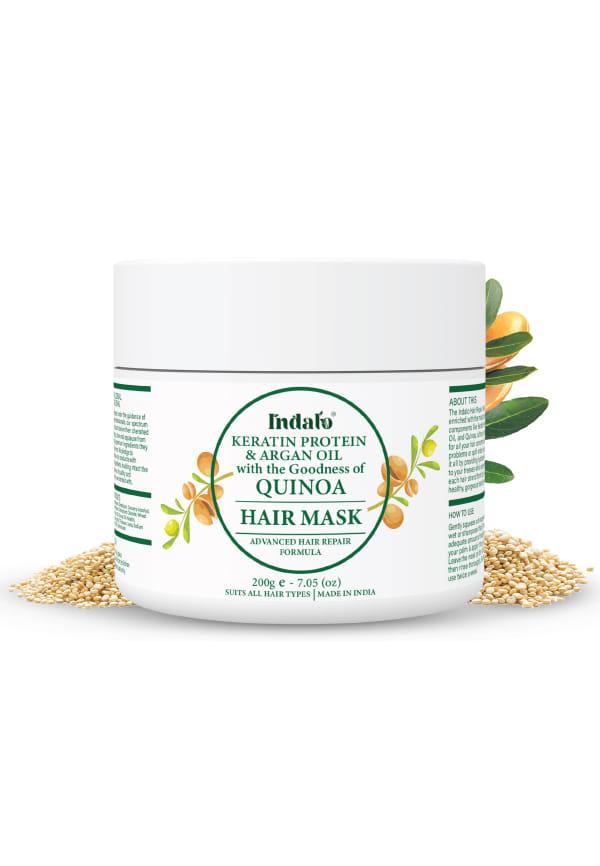
Quinoa Hair Mask with Keratin, Argan Oil
You know that moment when you're running your fingers through your hair and feel those rough, frayed ends? Split ends are basically your hair's way of waving a white flag, telling you it's been through too much heat styling, chemical processing, or just everyday wear and tear. While you can't magically glue split ends back together (trust us, we've all wished for that superpower), the right hair mask for split ends can work wonders in preventing further damage and making your hair look and feel healthier. Think of these treatments as intensive care for your strands—they're packed with nourishing ingredients that can temporarily seal those frayed cuticles and give your hair the TLC it desperately needs.
Let's get real about what's actually happening when your hair develops split ends. Your hair shaft is covered by overlapping cuticle scales, kind of like roof tiles. When these scales get damaged from heat, chemicals, or rough handling, they start to lift and separate, creating those dreaded splits. Once the cuticle is compromised, the inner cortex becomes exposed and vulnerable to further damage.
Here's where a good split end repair mask comes into play. Unlike your regular conditioner that just smooths the surface, hair masks are formulated with smaller molecules that can actually penetrate the hair shaft. They're loaded with proteins to fill in gaps, oils to seal the cuticle, and humectants to lock in moisture. Think of it as emergency repair work for your strands.
The science bit is actually pretty fascinating. Split ends typically start at the ends of your hair because that's the oldest part—it's been through the most styling sessions, weather exposure, and general life. Hair masks work by temporarily bonding to damaged areas, creating a protective film that smooths down lifted cuticles and prevents the split from travelling further up the hair shaft.
Prevention is definitely easier than repair, which is why incorporating a hair treatment for damaged ends into your routine is so important. Regular masking can help maintain your hair's structural integrity before things get too rough. But let's be honest—sometimes life happens, and your hair pays the price.
Not all hair masks are created equal, especially when you're dealing with split ends. The best hair mask for split ends needs to strike the right balance between protein and moisture. Too much protein can make your hair brittle, while too much moisture without structure can leave it limp and weak.
Look for masks containing keratin, hydrolysed proteins, or amino acids—these help rebuild the hair's structure from within. Ceramides are another game-changer; they help restore the hair's natural protective barrier. Natural oils like argan, coconut, and jojoba are brilliant for sealing the cuticle and adding that glossy finish we're all after.
Professional treatments often contain higher concentrations of active ingredients and use advanced delivery systems to get those nutrients deeper into the hair shaft. They're particularly worth considering if you're dealing with severe damage or chemically processed hair. However, DIY options can be surprisingly effective for mild to moderate split end issues, plus they're budget-friendly and you probably have most ingredients in your kitchen already.
The key is consistency rather than perfection. A decent hair mask for dry and split ends used regularly will outperform an expensive treatment used sporadically. Your hair responds to routine care, not occasional splurges.
Sometimes the best solutions are hiding in your kitchen cupboard. These DIY split end treatment options use natural ingredients that have been nourishing hair for centuries. They're gentle, effective, and won't break the bank.
Mix 2 tablespoons of raw honey with 3 tablespoons of extra virgin olive oil. Honey is a natural humectant that draws moisture into the hair, while olive oil penetrates the hair shaft to provide deep conditioning. Apply from mid-length to ends, leave for 30 minutes, then rinse with lukewarm water. This combination is particularly good for hair that's both dry and damaged.
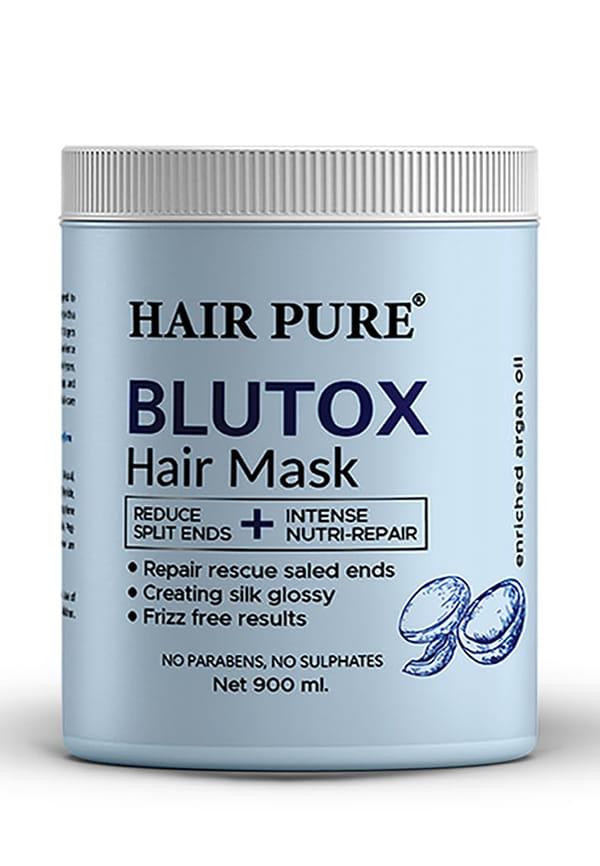
Blutox Hair Mask for Reduces Split Ends & Intense Nutri-Repair Treatment
Mash one ripe avocado with 2 tablespoons of melted coconut oil until smooth. Avocado is rich in vitamins and fatty acids that help strengthen hair, while coconut oil has a unique molecular structure that allows it to penetrate the hair shaft. Leave this mask on for 20-30 minutes before washing out. Perfect for hair that needs both moisture and protein.
Whisk one whole egg with 3 tablespoons of plain Greek yoghurt. Eggs provide protein to help rebuild damaged hair structure, while yoghurt contains lactic acid that gently exfoliates and adds shine. Apply to damp hair, focusing on the ends, and leave for 15-20 minutes. Rinse with cool water to prevent the egg from cooking.
Blend one ripe banana with 2 tablespoons of sweet almond oil until completely smooth. Bananas contain silica, which helps improve hair strength and shine, while almond oil is lightweight and won't weigh your hair down. This mask is brilliant for adding slip to tangled, damaged hair. Leave on for 25 minutes before rinsing thoroughly.
Mix 2 tablespoons of raw apple cider vinegar with 3 tablespoons of honey and 1 tablespoon of water. This combination helps balance your hair's pH while providing moisture. The acidity helps smooth the cuticle, making split ends less noticeable. Use this treatment once a week maximum, as the acid can be drying if overused.
When your hair needs serious intervention, professional-grade treatments can provide more intensive repair. These split end repair products are formulated with advanced ingredients and delivery systems that can penetrate deeper into damaged hair.
These masks contain hydrolysed proteins that can temporarily fill in gaps in damaged hair cuticles. They're particularly effective for chemically processed or severely heat-damaged hair. Look for treatments containing keratin, collagen, or silk proteins. Use these once a week maximum, as too much protein can make hair brittle.
Ceramides are lipids that naturally occur in healthy hair. These masks help restore the hair's protective barrier, preventing moisture loss and further damage. They're excellent for hair that's been over-processed or exposed to harsh environmental conditions. These can be used more frequently than protein treatments.
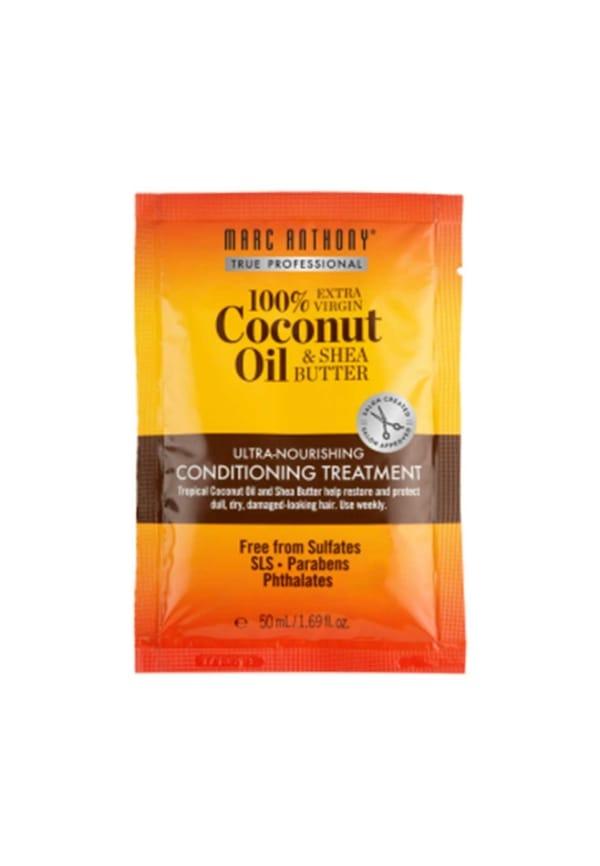
Hydrating Coconut Oil And Shea Butter Deep Nourishing Conditioning Treatment Mask
Professional keratin masks work by coating the hair shaft with a protective layer that smooths down lifted cuticles. They're particularly good for frizzy, damaged hair and can make split ends much less noticeable. The effects typically last 2-3 washes, making them perfect for special occasions or when you need your hair to look its absolute best.
These innovative products contain tiny molecules that can penetrate the hair shaft and continue working even after you've styled your hair. They're perfect for ongoing protection and repair, especially if you use heat styling tools regularly. Apply to damp hair before styling for best results.
The way you apply your hair mask can make a huge difference in how effective it is. Start with clean, damp hair—the cuticles are slightly open when wet, allowing better penetration of the treatment. Gently squeeze out excess water with a microfibre towel; you want your hair damp but not dripping.
Section your hair into manageable pieces and focus the mask from mid-length to ends. Your roots don't need the intensive treatment, and applying mask there can weigh your hair down. Use a wide-tooth comb to distribute the product evenly, working from ends upward to avoid pulling and causing more damage.
Processing time matters. Most masks need 15-30 minutes to work their magic, but don't assume longer is always better. Over-processing can actually weaken your hair, especially with protein treatments. Follow the instructions and set a timer.
When rinsing, use lukewarm water rather than hot, which can strip away the beneficial ingredients you've just applied. Rinse thoroughly—any residue left behind can weigh your hair down and attract dirt. Follow with a light conditioner if needed, focusing just on the ends.
Frequency depends on your hair's condition. Severely damaged hair might benefit from twice-weekly treatments initially, then scaling back to once a week for maintenance. Healthy hair typically only needs a weekly mask to prevent split ends from developing.
While masks provide intensive treatment, daily protection is equally important for preventing future split ends. A good hair serum for split ends can work alongside your masking routine to keep your hair healthy between treatments.
Look for serums containing silicones like dimethicone or cyclomethicone—these create a protective barrier around each strand, reducing friction and heat damage. Natural oils like argan or jojoba are also excellent for daily protection without weighing hair down.
The key to layering products is applying them in order of consistency, from thinnest to thickest. Start with a leave-in treatment on damp hair, follow with a heat protectant if you're styling, then finish with a small amount of serum on the ends. This creates multiple layers of protection that work together to prevent split ends from forming.
Heat protectants are non-negotiable if you use styling tools. Even the best hair mask for breakage and split ends can't undo the damage from unprotected heat styling. Look for products that protect up to 230°C and contain ingredients like panthenol or quaternium compounds.
Overnight treatments can provide extra nourishment without interfering with your styling routine. Apply a small amount of oil or leave-in treatment to your ends before bed, focusing on the most damaged areas. Your hair repairs itself while you sleep, and you'll wake up with softer, more manageable strands.
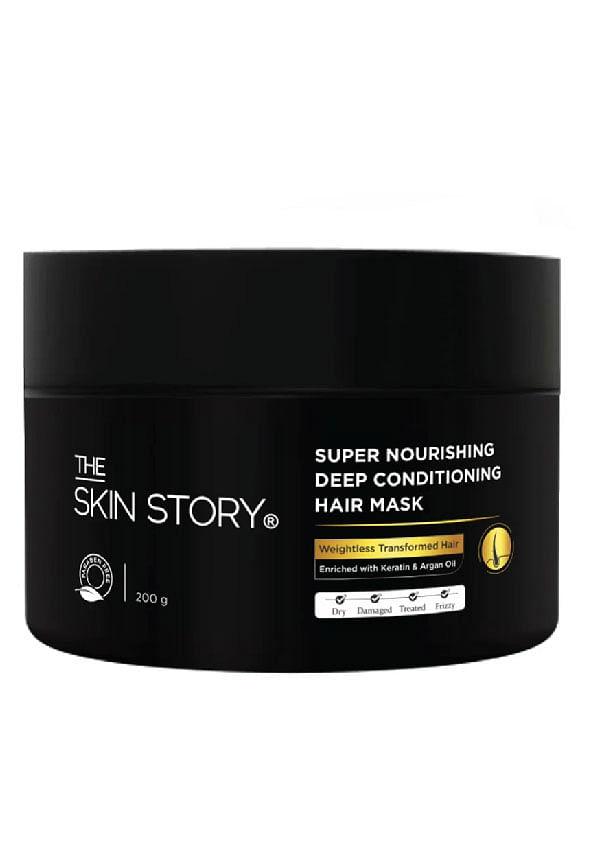
Super Nourishing Deep Conditioning Hair Mask Enriched With Keratin & Argan Oil
Hair masks cannot permanently repair split ends once they've formed, but they can temporarily seal the cuticle and prevent the split from travelling further up the hair shaft. The only permanent solution for existing split ends is trimming them off. However, regular use of a prevent split ends hair mask can significantly reduce future damage and keep your hair healthier overall.
For damaged hair with noticeable split ends, start with twice weekly treatments for the first month, then reduce to once weekly for maintenance. Healthy hair typically only needs a weekly mask to prevent damage. Pay attention to how your hair responds—over-treating can lead to protein overload or buildup, which can actually make your hair more prone to breakage.
Hair masks typically contain higher concentrations of active ingredients and are designed to penetrate deeper into the hair shaft. They're left on longer than regular conditioners and often contain proteins, ceramides, or intensive moisturising agents. Deep conditioners are somewhere in between—more intensive than daily conditioner but not as concentrated as a treatment mask.
Yes, but choose your products carefully. Chemically treated hair often needs more moisture than protein, so look for hydrating masks rather than strengthening ones. Avoid masks with harsh sulfates or high pH levels that could strip your colour. Natural remedies for split ends like avocado or honey masks are generally safe for all hair types.
Split ends can return due to ongoing damage from heat styling, rough brushing, environmental factors, or simply the natural aging of your hair. Masks help prevent and minimise damage, but they can't completely stop the aging process. Regular trims every 6-8 weeks, combined with protective styling and gentle handling, are essential for keeping split ends at bay.
Dealing with split ends can feel like a never-ending battle, but the right combination of treatments can make a real difference in your hair's health and appearance. Whether you opt for DIY natural remedies or invest in professional split end repair products, consistency is key. Remember that while masks can temporarily improve the look and feel of damaged ends, prevention through gentle handling and regular trims is always your best strategy.
The beauty of trying different hair treatments is discovering what works specifically for your hair type and lifestyle. Some people swear by weekly protein treatments, while others find their hair responds better to moisture-rich masks. Your hair's needs might even change with the seasons, your styling routine, or life changes like pregnancy or stress.
If you're curious about trying different hair masks without committing to full-size products, Smytten offers trial-size versions of many professional treatments from trusted brands. It's a brilliant way to test what works for your hair before investing in larger bottles, especially when you're dealing with specific concerns like split ends that require targeted solutions.
