9 Best Shampoo for Itchy Scalp: Scalp Relief Solutions

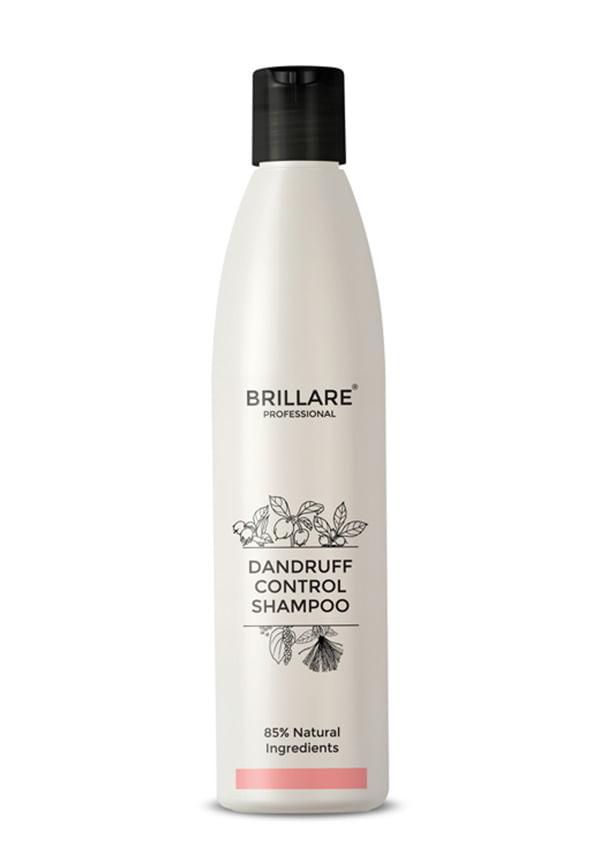
Dandruff Control Shampoo For Itchy, Flaky Scalp
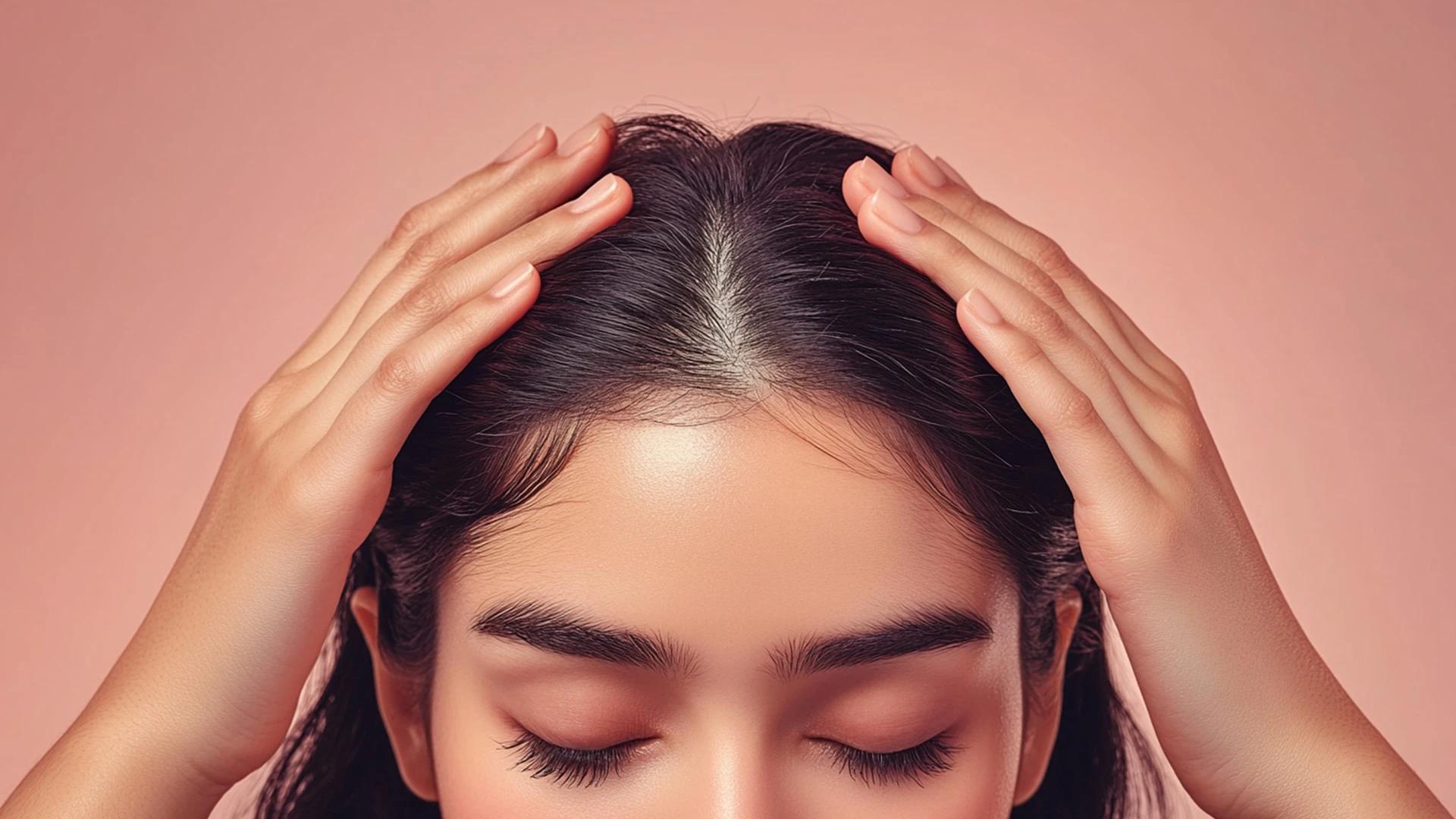
That constant urge to scratch your scalp during an important meeting? We've all been there. Whether it's the aftermath of trying a new hair product or just your scalp acting up for no apparent reason, an itchy scalp can be seriously distracting. The good news is that finding the right anti-itch shampoo can make all the difference. With so many options promising relief, knowing which ones actually work can save you from more bad scalp days. Let's dive into the best shampoo for itchy scalp options that dermatologists actually recommend.
Before we jump into product recommendations, let's get real about what's happening up there. An itchy scalp isn't just annoying—it's your skin trying to tell you something. The most common culprits include seborrheic dermatitis (fancy name for dandruff), contact dermatitis from harsh products, or simply a dry scalp crying out for moisture. Sometimes it's fungal overgrowth, other times it's your scalp being sensitive to ingredients you never thought twice about.
Seborrheic dermatitis tops the list, causing those telltale white flakes along with the itch. Then there's contact dermatitis—basically your scalp having an allergic reaction to something in your haircare routine. Dry scalp conditions can mimic dandruff but need completely different treatment approaches. Fungal infections and bacterial overgrowth are less common but worth considering if nothing else seems to work.
If your scalp is red, inflamed, or if the itching persists despite using a medicated shampoo for itchy scalp for several weeks, it's time to see a professional. Chronic scalp irritation that comes with hair loss or severe flaking needs proper medical attention rather than just over-the-counter solutions.
Not all scalp relief shampoo formulas are created equal. The difference between a shampoo that works and one that doesn't often comes down to the active ingredients. Dermatologists have their go-to ingredients for a reason—they're backed by research and proven to tackle specific scalp concerns effectively.
Ketoconazole is the gold standard for antifungal action, particularly effective against the yeast that causes seborrheic dermatitis. Zinc pyrithione offers antimicrobial benefits while being gentler than some alternatives. Salicylic acid helps exfoliate dead skin cells and reduce scaling, whilst coal tar remains a powerful option for severe dandruff and psoriasis-related itching.
For those seeking a natural shampoo for itchy scalp, tea tree oil provides antifungal properties without the harsh chemicals. Aloe vera and chamomile work to calm inflammation, whilst coconut oil and ceramides help repair your scalp's moisture barrier. These ingredients can be particularly effective for sensitive scalp conditions.
Sulfates might create that satisfying lather, but they can strip your scalp of natural oils. Artificial fragrances and dyes are common irritants, and alcohol-based formulations can worsen dryness. If you're dealing with a sensitive scalp, reading ingredient lists becomes crucial.
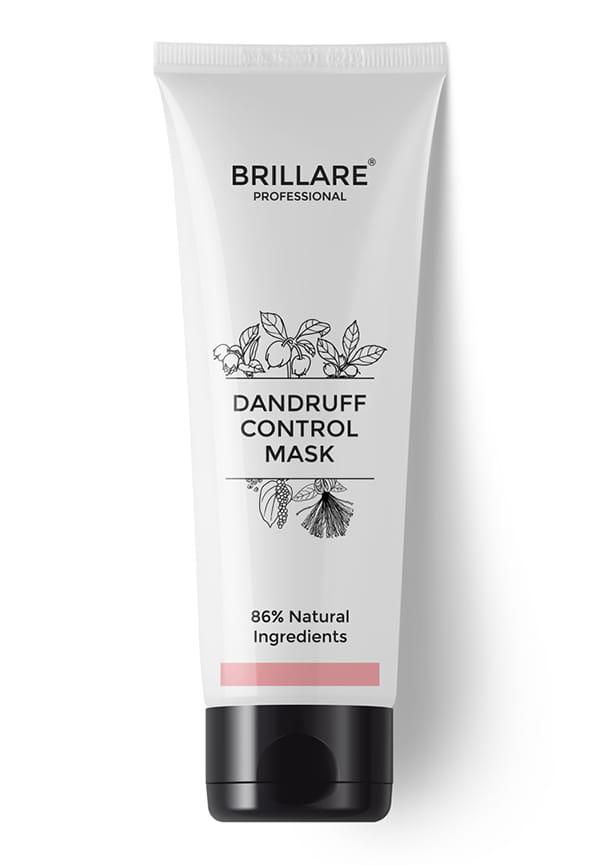
Conditioner For Itchy, Flaky Scalp
After researching dermatologist recommendations and user reviews, here are the top performers that actually deliver on their promises. Each addresses different types of scalp concerns, so you can find your perfect match based on your specific situation.
Ketoconazole-based shampoos consistently rank highest among dermatologists for their broad-spectrum effectiveness. These medicated formulas tackle fungal overgrowth whilst providing anti-inflammatory benefits. Most users see improvement within 2-4 weeks of regular use. Price ranges from ₹300-800 for quality options, making them accessible for most budgets.
Zinc pyrithione formulations excel at addressing both the flaking and itching that come with dandruff. These dandruff shampoo itchy scalp solutions work by controlling the microorganisms that contribute to scalp irritation. Look for concentrations between 1-2% for optimal effectiveness without over-drying.
Fragrance-free and hypoallergenic formulations are your best bet for reactive scalps. These sensitive scalp shampoo options focus on gentle cleansing whilst incorporating soothing ingredients like oatmeal or chamomile. They might take longer to show results, but they're less likely to cause additional irritation.
Plant-based formulations featuring tea tree oil, neem, or eucalyptus offer effective relief without synthetic ingredients. These natural options work particularly well for mild to moderate scalp irritation and are often preferred by those with chemical sensitivities.
When dryness is the main culprit, look for the best shampoo for dry itchy scalp that combines gentle cleansing with intensive moisturising. Ingredients like hyaluronic acid, glycerin, and natural oils help restore your scalp's hydration levels whilst addressing the itch.
Some formulations are designed for fast-acting relief. These soothing shampoo for itchy scalp options often contain menthol or cooling agents that provide immediate comfort whilst the active ingredients work on the underlying issues.
Effective scalp relief doesn't have to break the bank. Several pharmacy brands offer quality formulations under ₹400 that contain proven ingredients like zinc pyrithione or salicylic acid. The key is consistency rather than price point.
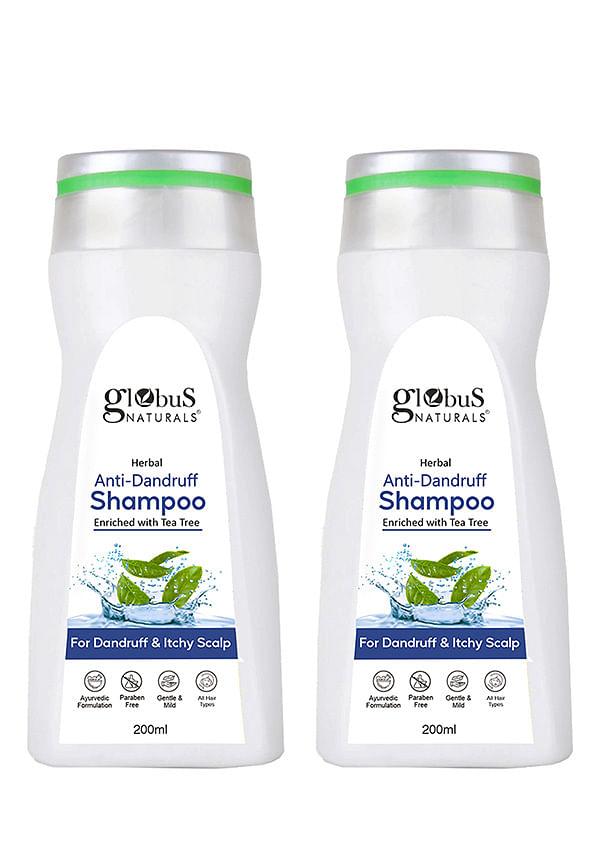
Anti Dandruff Shampoo, For Dandruff and Itchy Scalp
Salon-quality formulations often feature advanced delivery systems and higher concentrations of active ingredients. These premium options typically cost ₹800-1500 but offer faster results and longer-lasting relief for stubborn scalp conditions.
Dual-action formulas address both scalp irritation and hair thinning concerns. These specialised products often combine anti-inflammatory ingredients with hair growth stimulants like caffeine or peptides, making them ideal for comprehensive scalp health.
Selecting the perfect itchy scalp treatment shampoo isn't just about grabbing the first medicated option you see. Your scalp type, the severity of your condition, and your hair's specific needs all play a role in determining what will work best for you.
Start by identifying whether you have an oily or dry scalp. Oily scalps often benefit from stronger cleansing agents and antifungal ingredients, whilst dry scalps need gentler formulations with added moisturising properties. Pay attention to how your scalp feels a few hours after washing—tight and flaky suggests dryness, whilst greasy roots point to excess oil production.
Seborrheic dermatitis responds well to ketoconazole or zinc pyrithione, whilst contact dermatitis requires eliminating irritating ingredients and using hypoallergenic formulas. If you're unsure about your specific condition, starting with a gentle, fragrance-free option is usually the safest bet.
Medicated shampoos typically work best when used 2-3 times per week initially, then reduced to once or twice weekly for maintenance. Apply to wet scalp, massage gently, and let it sit for 3-5 minutes before rinsing. This contact time allows the active ingredients to work effectively.
Whilst the right shampoo forms the foundation of scalp care, a comprehensive haircare for itchy scalp routine includes additional steps that support long-term scalp health. Think of it as building a complete ecosystem for your scalp rather than relying on one product to do all the work.
Leave-in scalp serums and treatments can provide ongoing relief between washes. Look for products containing niacinamide for oil control or hyaluronic acid for hydration. Scalp oils applied before washing can help nourish extremely dry scalps, whilst cooling gels offer immediate relief during flare-ups.
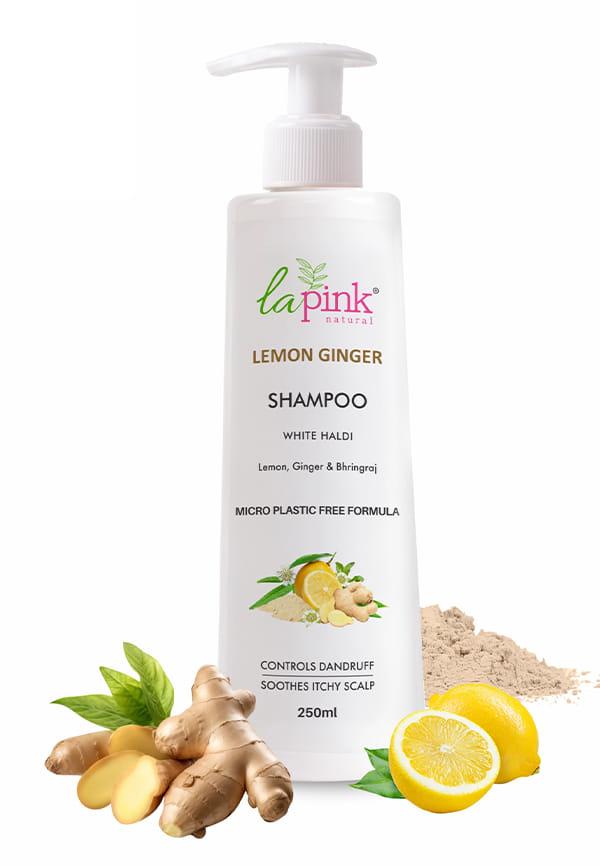
Lemon Ginger Shampoo with White Haldi to Control Dandruff & Soothe Itchy Scalp
Your diet, stress levels, and environment all impact scalp condition. Omega-3 fatty acids support skin barrier function, whilst chronic stress can worsen inflammatory scalp conditions. Protecting your scalp from harsh weather and pollution also plays a role in maintaining scalp comfort.
Consistency trumps complexity when it comes to scalp care. Start with a gentle daily routine and introduce medicated products gradually. Morning scalp mists can provide ongoing comfort, whilst evening treatments allow active ingredients to work overnight without interference from styling products.
The best shampoo for itchy scalp depends on the underlying cause. For dandruff-related itching, zinc pyrithione or ketoconazole shampoos work well. For sensitive scalps, fragrance-free formulations with soothing ingredients like aloe vera are ideal. Always start with the gentlest option that addresses your specific concern.
Anti-inflammatory shampoos containing ingredients like salicylic acid, tea tree oil, or chamomile help reduce scalp inflammation. Medicated options with ketoconazole also provide anti-inflammatory benefits alongside antifungal action.
Most people notice some improvement within 1-2 weeks of consistent use, with significant results appearing after 4-6 weeks. Severe conditions may take 8-12 weeks to fully resolve. If you don't see any improvement after 4 weeks, consider consulting a dermatologist.
Most medicated shampoos are designed for 2-3 times weekly use initially. Daily use can sometimes cause dryness or irritation. Once your scalp condition improves, you can often reduce frequency to once or twice weekly for maintenance.
Natural shampoos work well for mild to moderate scalp irritation but may not be strong enough for severe conditions like seborrheic dermatitis or fungal infections. They're excellent for maintenance once you've addressed the underlying issue with medicated treatments.
Finding the best shampoo for itchy scalp often involves some trial and error, but understanding your scalp type and the underlying cause of irritation helps narrow down your options significantly. Whether you need a medicated formula for stubborn dandruff or a gentle, natural option for sensitive skin, the key is consistency and patience with your chosen treatment.
Remember that scalp health is an ongoing journey rather than a quick fix. Start with one product, give it time to work, and build your routine gradually. If over-the-counter options aren't providing relief after several weeks, don't hesitate to consult a dermatologist for personalised advice.
Not sure which format works for your scalp? Smytten also offers trial-size versions of many scalp care products—a smart way to test different formulations before committing to full-size bottles. After all, why settle for maybe when you can try it all and find what actually works for your unique scalp needs?
