9 Anti Itch Scalp Treatments for Instant Relief

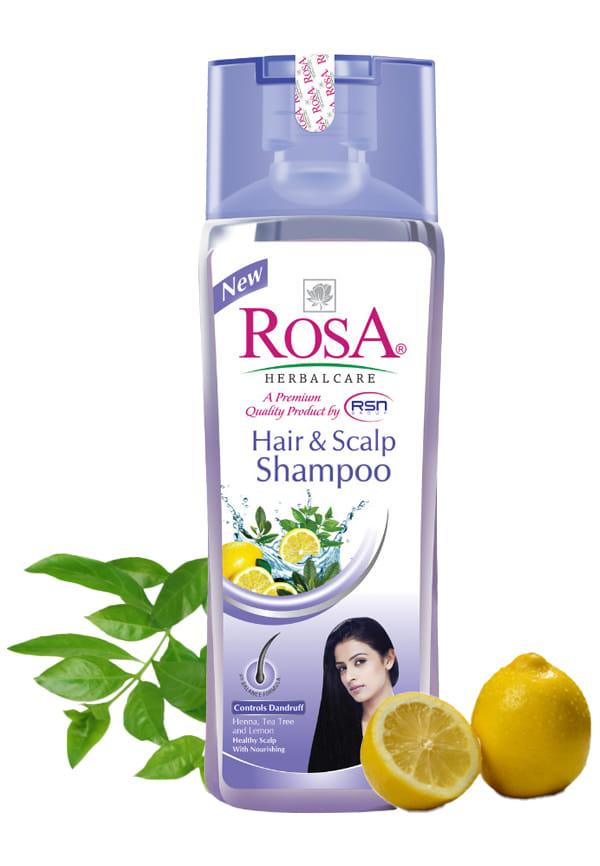
Hair & Scalp Shampoo with Tea Tree Oil and Lemon l Natural & Herbal ingredients
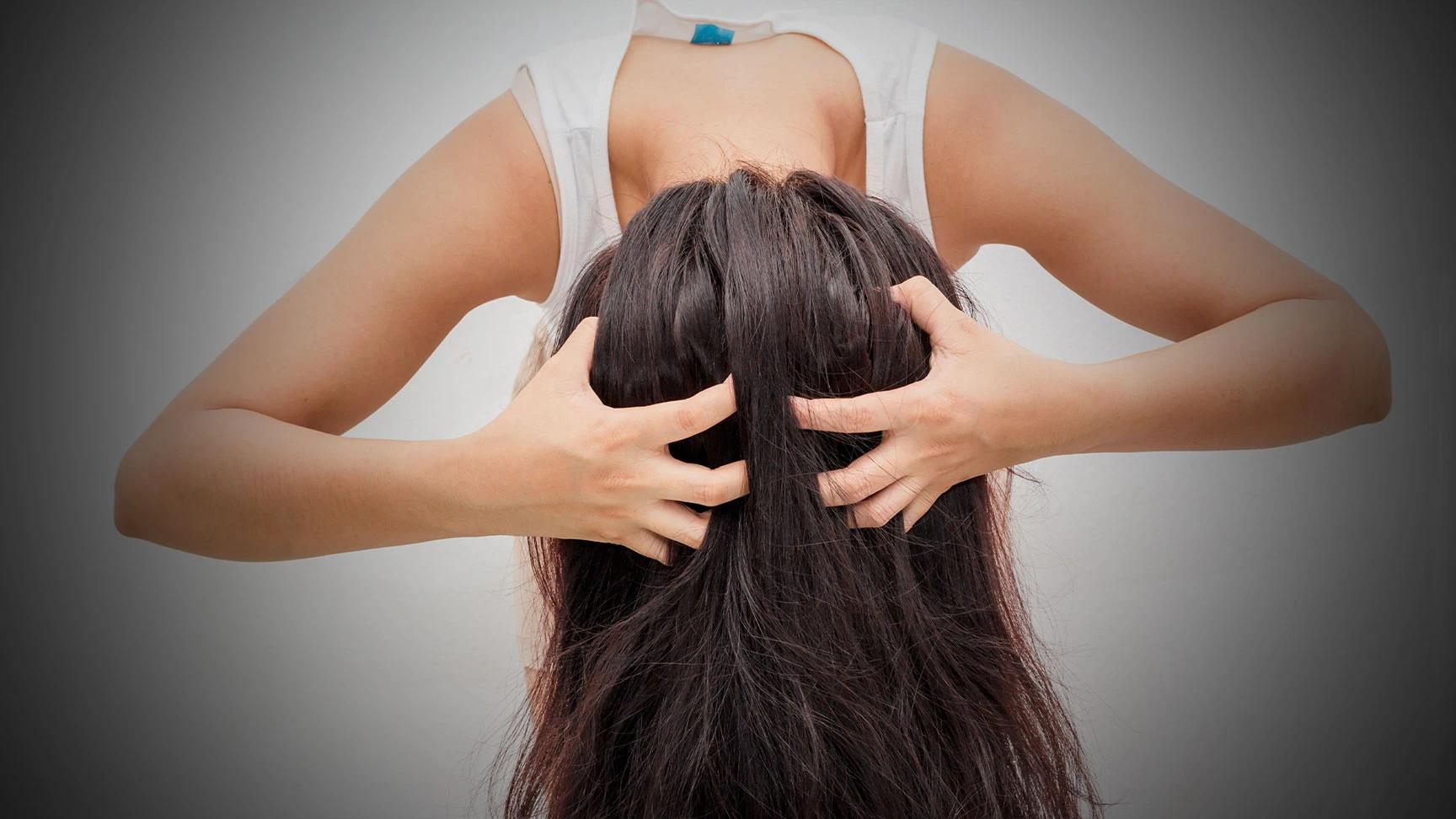
You know that moment when your scalp starts itching in the middle of an important meeting, and suddenly all you can think about is scratching? We've all been there. Whether it's the aftermath of trying a new shampoo, seasonal dryness kicking in, or just one of those mysterious scalp moments that seem to come out of nowhere, an itchy scalp can seriously mess with your day. The good news? You don't have to suffer through it. From quick DIY fixes using stuff you probably already have at home to targeted treatments that tackle the root cause, there are plenty of anti itch scalp treatments that actually work. Let's dive into nine solutions that can give you the relief you're desperately searching for.
Before we jump into solutions, let's get real about what's actually happening up there. Your scalp is basically an extension of your facial skin, and just like your face, it can get irritated, dry, oily, or react to products. The itchy scalp causes range from super simple (you switched shampoos) to more complex medical conditions that need proper attention.
Seborrheic dermatitis is probably the most common culprit behind persistent scalp itching. It's basically your scalp's way of overreacting to a yeast that naturally lives on your skin. You'll notice flaky, yellowish scales along with the itching. Then there's regular dandruff, which is actually different from dry scalp (though people mix them up all the time). Dandruff involves oily flakes, while dry scalp gives you smaller, white flakes. Psoriasis and eczema can also show up on your scalp, creating thick, scaly patches that itch like crazy.
Sometimes the answer is simpler than you think. Product buildup from styling gels, dry shampoos, or even your regular shampoo can create a layer of gunk that irritates your scalp. Weather changes mess with your scalp too—winter heating dries it out, while humid summers can make it oily and itchy. Stress is another sneaky trigger that can make your scalp more sensitive to everything else.
Now for the good stuff—actual solutions that work. These anti itch scalp treatments range from gentle home remedies to more targeted approaches, so you can find what works for your specific situation. The key is figuring out what's causing your scalp irritation and matching it with the right treatment.
Tea tree oil is like the Swiss Army knife of scalp relief. Its antifungal and antibacterial properties make it brilliant for tackling everything from dandruff to general scalp irritation. Mix 5-10 drops with a carrier oil like coconut or jojoba, massage it into your scalp, and leave it for 15-20 minutes before washing out. Never use tea tree oil straight—it's way too strong and will irritate your scalp even more.
This one sounds weird but works amazingly well. Apple cider vinegar helps balance your scalp's pH levels, which can reduce itching and flaking. Mix one part ACV with three parts water, pour it over your scalp after shampooing, massage gently, then rinse thoroughly. The smell disappears once your hair dries, promise. Use this once or twice a week max—more than that can be too drying.
Perfect for dry scalp solutions, coconut oil provides deep moisture while having natural antimicrobial properties. Warm up a few tablespoons (not hot, just warm), massage it into your scalp and through your hair, then leave it on for at least 30 minutes or overnight if you can handle the mess. This treatment is especially good if your itching comes with tight, dry-feeling skin.
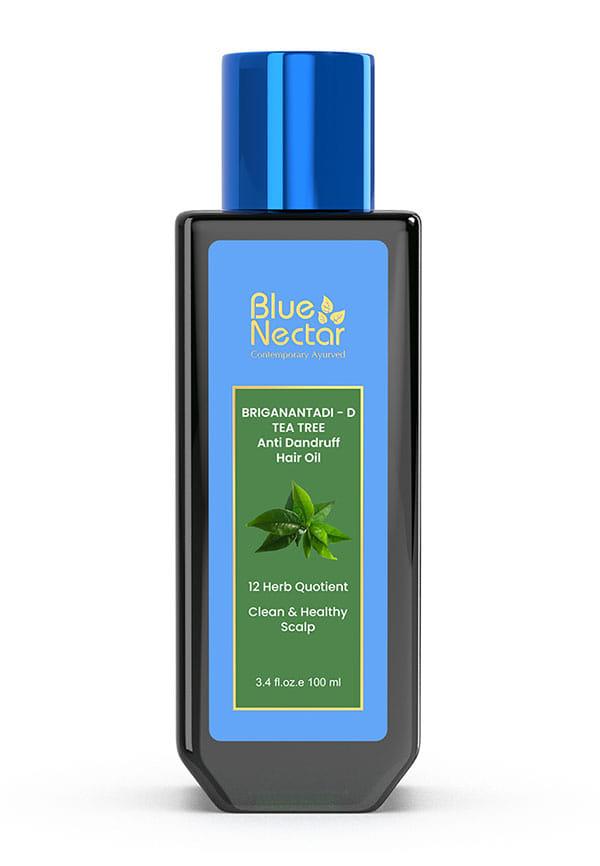
Tea Tree Anti Dandruff and Healthy Scalp Oil 12 Herbs
When home remedies aren't cutting it, medicated shampoos are your next step. Look for ingredients like ketoconazole (brilliant for fungal issues), selenium sulfide (great for seborrheic dermatitis treatment), or zinc pyrithione (gentle but effective). Use these 2-3 times a week, leaving the shampoo on your scalp for 3-5 minutes before rinsing. Don't use them daily—they can be drying.
Oatmeal isn't just for breakfast—it's incredibly soothing for irritated skin. Blend half a cup of plain oats into a fine powder, mix with enough water to make a paste, and apply it to your damp scalp. Leave for 15-20 minutes, then rinse thoroughly. This is one of the gentlest sensitive scalp treatments you can try, perfect if your scalp is really reactive.
Pure aloe vera gel provides instant cooling relief and helps heal irritated skin. Apply fresh aloe gel (or 99% pure gel from a bottle) directly to your scalp, leave for 20-30 minutes, then wash out with a gentle shampoo. The cooling sensation gives immediate relief, while the healing properties work on the underlying irritation.
The cooling sensation from peppermint oil can provide instant relief from itching while improving blood circulation to your scalp. Mix 3-5 drops with a carrier oil and massage into your scalp for 5-10 minutes. The tingling feeling means it's working, but if it burns, rinse it out immediately—you might need to dilute it more.
If product buildup is your issue, salicylic acid gently exfoliates your scalp, removing dead skin cells and buildup. You can find scalp treatments with 1-2% salicylic acid over the counter. Apply to damp scalp, leave for the recommended time (usually 5-10 minutes), then shampoo as normal. Start with once a week to see how your scalp reacts.
This one's more long-term, but worth mentioning. Your scalp's microbiome affects its health just like your gut's does. Some people find that taking probiotics or using topical probiotic treatments helps balance their scalp's natural bacteria, reducing irritation over time. It's not a quick fix, but it might help prevent future issues.
Knowing when to DIY and when to call in the professionals can save you time, money, and a lot of frustration. Most itchy scalp remedies you can try at home are safe and effective for mild to moderate symptoms, but there are definitely times when you need expert help.
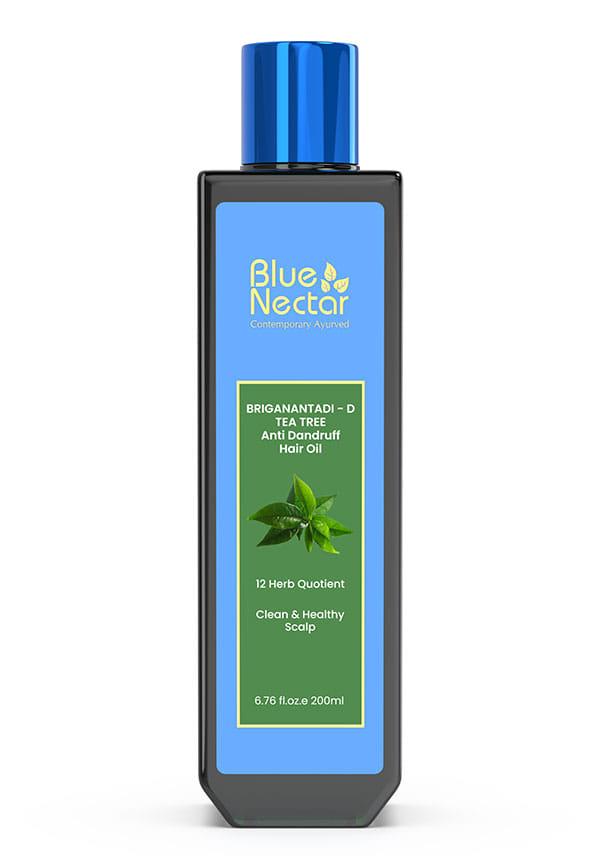
Tea Tree Anti Dandruff and Healthy Scalp Oil 12 Herbs
Home treatments work brilliantly for occasional itching, seasonal dryness, or mild product reactions. They're cost-effective, gentle, and you probably have most ingredients already. If your symptoms are new, mild, and you can pinpoint a likely cause (like a new product or weather change), start with natural approaches. Give them 1-2 weeks to work before moving to stronger options.
If your scalp has been itching for more than two weeks despite trying different treatments, it's time to see a dermatologist. Same goes if you're experiencing hair loss, bleeding from scratching, thick scales, or if the itching is affecting your sleep or daily life. Some conditions like psoriasis or severe seborrheic dermatitis need prescription treatments to get under control.
Not all itchy scalps are created equal, and what works for your friend's dandruff might not work for your dry scalp situation. Understanding your specific condition helps you choose the most effective scalp irritation relief approach.
For seborrheic dermatitis treatment, antifungal ingredients are your best friends. Ketoconazole shampoos work well for most people, but severe cases might need prescription treatments. The key is consistency—use medicated shampoos regularly even when symptoms improve, then gradually reduce frequency to maintain control. This condition tends to come back if you stop treatment completely.
Dry scalp needs moisture, but not the heavy kind that clogs pores. Look for lightweight, hydrating treatments and avoid over-washing. Use lukewarm water instead of hot, and consider a humidifier in your bedroom during dry months. Gentle, sulfate-free shampoos help maintain your scalp's natural moisture barrier.
If your scalp reacts to everything, fragrance-free and hypoallergenic products are essential. Always patch test new products on your inner arm before using them on your scalp. Sensitive scalp treatments should be introduced one at a time so you can identify any triggers. Sometimes less is more—over-treating a sensitive scalp can make things worse.
The best haircare for itchy scalp isn't a one-size-fits-all approach. Building a routine that works for your specific scalp type and lifestyle takes some experimentation, but once you find your groove, maintaining scalp health becomes much easier.
Your daily routine should be gentle and consistent. Wash your hair when it needs it—this could be daily for oily scalps or every few days for dry ones. Use your fingertips (not nails) to massage your scalp while shampooing, and always rinse thoroughly. Leftover product residue is a major cause of scalp irritation.
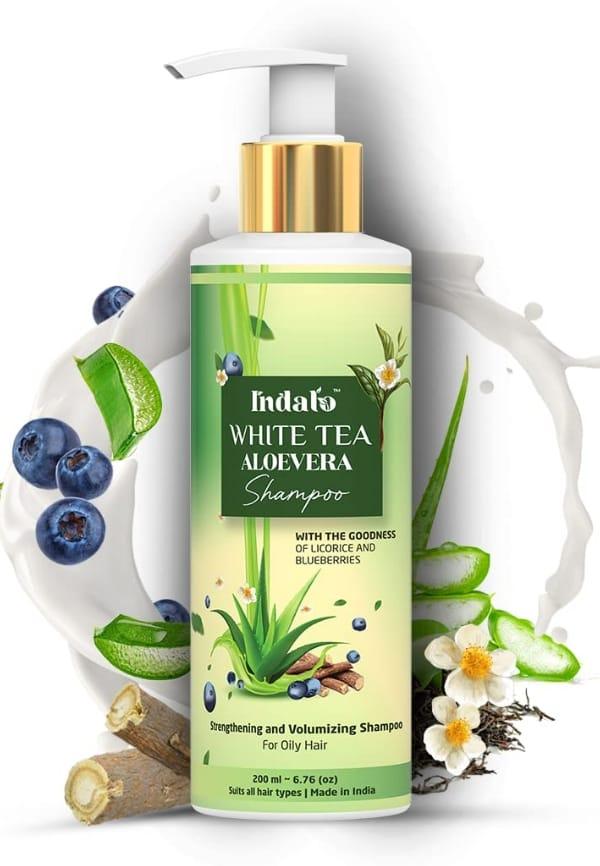
White Tea Aloe Vera Shampoo for Oily Hair
Plan one or two deeper treatments per week based on your scalp's needs. This might be a moisturizing oil treatment for dry scalps or a clarifying treatment for oily ones. Don't combine multiple active treatments in one session—your scalp needs time to respond to each approach. Keep a simple log of what you try and how your scalp responds.
Prevention is always easier than treatment. Manage stress through exercise, meditation, or whatever works for you—stress definitely affects scalp health. Eat a balanced diet with plenty of omega-3 fatty acids and vitamins. Change your pillowcases regularly, and clean your hair tools frequently to prevent bacteria buildup.
For instant relief, try a cool compress on your scalp or rinse with cool water. Aloe vera gel provides immediate cooling, and gentle scalp massage can help too. Avoid scratching, which only makes things worse. If you're at work or out, try pressing firmly on the itchy spots instead of scratching.
The best treatment depends on what's causing your itching. Tea tree oil works well for fungal issues, while oatmeal masks are perfect for sensitive scalps. Medicated shampoos are most effective for persistent dandruff or seborrheic dermatitis. Start with gentle options and work up to stronger treatments if needed.
Permanent relief comes from identifying and addressing the root cause. This might mean switching to gentler products, managing stress better, treating an underlying condition, or adjusting your diet. Most people need ongoing maintenance rather than a one-time fix, but the right routine can keep symptoms under control long-term.
Zinc, iron, and B-vitamin deficiencies can all contribute to scalp problems. Omega-3 fatty acid deficiency can also cause dry, itchy skin including your scalp. If you suspect nutritional deficiencies, it's worth getting blood tests done and working with a healthcare provider to address any gaps in your diet.
Dealing with an itchy scalp doesn't have to be a constant battle. Whether you're dealing with occasional dryness or a more persistent condition, there are soothing scalp products and treatments that can help. The key is being patient with the process—most treatments need at least a week or two to show real results. Start with gentle approaches and work your way up to stronger treatments if needed. Remember that what works for someone else might not work for you, so don't get discouraged if the first thing you try isn't your magic solution. If home treatments aren't helping after a few weeks, or if your symptoms are severe, don't hesitate to see a dermatologist. Your scalp health is worth the investment, and with the right approach, you can get back to focusing on more important things than constantly wanting to scratch your head. Not sure which soothing scalp products might work for your specific situation? Smytten also offers trial-size versions of many scalp treatments—a good way to test different approaches before committing to full-size bottles.
