7 Surprising Causes of Oily Scalp Explained


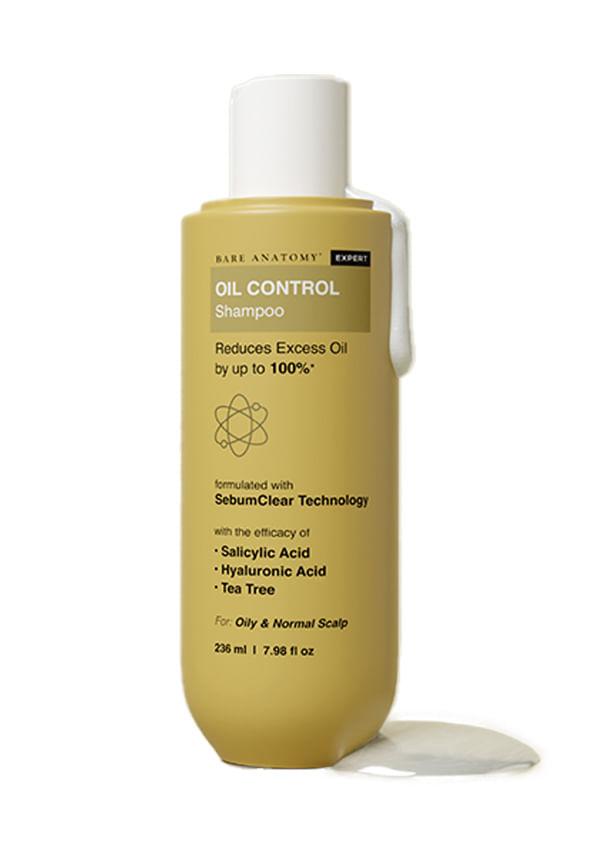 236 ml
Oil Control Shampoo
Ever wondered why your scalp feels like an oil slick by midday, even after a fresh wash? You're not alone. While most people blame genetics or hormones for their greasy hair woes, the real causes of oily scalp are often hiding in plain sight. From your morning routine to your pillow choice, there are surprising culprits behind that unwanted shine. Let's dive into seven unexpected reasons your scalp might be working overtime—and more importantly, how to fix them.
Your scalp produces oil (called sebum) naturally through tiny glands attached to each hair follicle. This oil is actually brilliant—it protects your hair, keeps it moisturised, and maintains your scalp's natural barrier. But when these sebaceous glands go into overdrive, you get excessive scalp oil that leaves your hair looking flat and greasy. The thing is, sebum overproduction isn't just about having "oily genes." Your scalp responds to everything from stress hormones to the products you use, creating a complex web of triggers that most people never consider.
Healthy sebum should feel barely noticeable and give your hair a subtle shine. Problem oil, on the other hand, makes your hair look unwashed within hours and can even cause that distinctive greasy smell.
Here's the plot twist nobody talks about—washing your hair too often can actually make it greasier. When you strip away all the natural oils with harsh shampoos or daily washing, your scalp panics and produces even more oil to compensate. It's like your scalp is saying, "Help! We're under attack!" and responds by ramping up oil production. But here's where it gets tricky. Washing too little can also be problematic, as oil buildup creates the perfect environment for bacteria and can clog your hair follicles.
Most people with oily scalps do best washing every other day or every two days. Start by extending your wash schedule gradually—if you currently wash daily, try every 1.5 days for a week, then move to every two days.
Swap harsh, stripping shampoos for gentle, sulphate-free formulas. Look for ingredients like salicylic acid or tea tree oil that can help with scalp oil control without being overly aggressive.
Whilst everyone knows puberty can make your scalp oily, most people don't realise that stress hormones are equally powerful triggers. When you're stressed, your body produces cortisol, which directly stimulates your sebaceous glands. Poor sleep makes this worse—your hormones go haywire when you're not getting quality rest. Even your menstrual cycle plays a role. Many people notice their hair gets greasier in the week before their period, thanks to fluctuating oestrogen and progesterone levels.
Lack of sleep doesn't just make you tired—it messes with your hormone balance. Aim for 7-9 hours of quality sleep to help regulate sebum production naturally.
Regular exercise, meditation, or even just taking proper breaks during your day can help keep cortisol levels in check. Your scalp will thank you for it.
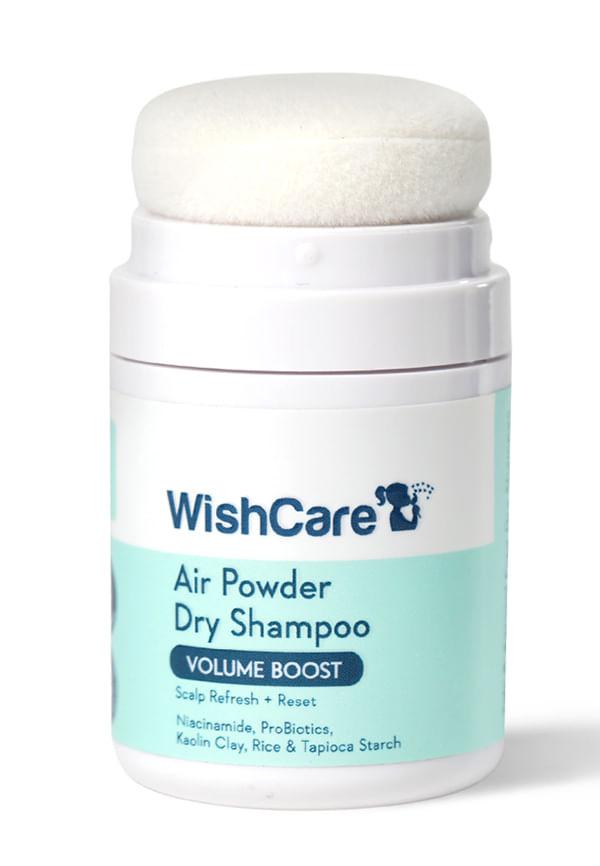 10 gm
10 gmAir Powder Dry Shampoo for Oily Hair & Scalp
Your surroundings have more impact on your scalp health than you might think. High humidity makes your scalp produce more oil—it's trying to maintain balance in the moisture-heavy air. But here's the surprising bit: air conditioning and central heating can also trigger oil production by creating an artificially dry environment that your scalp tries to compensate for. Pollution is another sneaky culprit. Dust, smog, and environmental toxins can settle on your scalp and mix with your natural oils, creating a gunky buildup that makes everything feel greasier.
Many people notice their scalp gets oilier in summer (hello, humidity and heat) and during monsoon season. Winter heating systems can also throw your scalp's oil production out of whack.
Use a clarifying shampoo once a week if you live in a polluted area. Consider a silk or satin pillowcase to reduce friction, and try to keep your living space at a comfortable humidity level.
Even "oil-free" products can cause buildup that makes your scalp feel greasier. Dry shampoo is a major offender—whilst it absorbs oil temporarily, it can accumulate on your scalp over time. Conditioners applied too close to the roots, styling gels, and even some "clarifying" shampoos can leave residues that attract dirt and oil. The tricky thing about product buildup is that it often masquerades as natural oil production. You might think your scalp is getting oilier when actually, it's just coated in product residue.
Dry shampoo should be a temporary fix, not a daily habit. If you're using it more than twice between washes, you're likely creating more problems than you're solving.
Keep conditioner at least two inches away from your scalp. Focus on mid-lengths to ends, where your hair actually needs the moisture.
What you eat directly affects your skin—including your scalp. High-glycemic foods (think white bread, sugary snacks, and processed foods) can spike your insulin levels, which in turn stimulates oil production. Dairy is another surprising trigger for many people, as it can influence hormone levels. On the flip side, not getting enough omega-3 fatty acids can leave your scalp's natural barrier compromised, leading to overcompensation through increased oil production.
Foods rich in zinc (like pumpkin seeds and chickpeas), omega-3s (fatty fish, walnuts), and antioxidants (berries, leafy greens) can help balance oil production naturally.
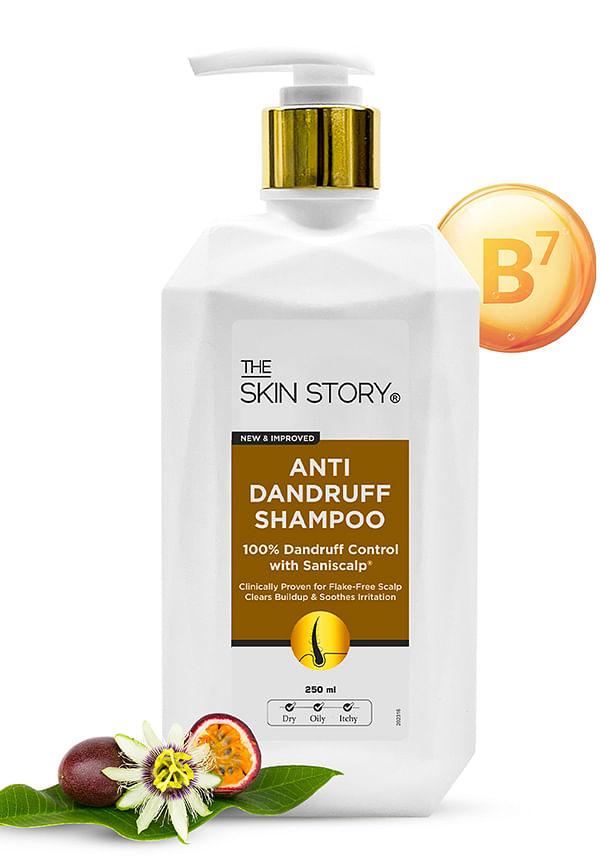 250 ml
Anti Dandruff Shampoo For Oily Dry Itchy Scalp With Saniscalp
Dehydration can also trigger your scalp to produce more oil. Aim for at least 8 glasses of water daily to keep everything in balance.
Here's something most people never consider: how often you touch your scalp throughout the day. Running your fingers through your hair, scratching your scalp, or even wearing tight headbands can stimulate oil production. Your hands carry oils and bacteria that transfer to your scalp, creating a cycle of greasiness. Even your sleeping position matters. If you're a side sleeper who tosses and turns, the friction against your pillow can distribute oils unevenly and stimulate production.
Become aware of how often you touch your hair. Try keeping your hands busy with a stress ball or fidget toy if touching your hair is a nervous habit.
Switch to silk or satin pillowcases to reduce friction. Avoid tight hair ties and headbands that can create pressure points on your scalp.
Sometimes what looks like simple oily scalp is actually a sign of an underlying condition. Seborrheic dermatitis, a common inflammatory skin condition, can cause both oily patches and flaking. Fungal infections can also disrupt your scalp's natural balance, leading to increased oil production as your skin tries to heal itself. Even scalp psoriasis can initially present as excessive oiliness before other symptoms become apparent.
If your oily scalp comes with itching, flaking, redness, or an unusual smell, it's worth seeing a dermatologist. These could be signs of dermatitis and oily scalp issues that need medical attention.
Malassezia, a yeast that naturally lives on your scalp, can sometimes overgrow and cause both oiliness and irritation. Anti-fungal shampoos can help restore balance.
Now that you know the surprising causes of oily scalp, let's talk solutions. The key to effective oily scalp treatment is addressing the root cause, not just managing symptoms.
Whilst home remedies like apple cider vinegar rinses can help temporarily, professional treatments often provide more lasting results. Salicylic acid treatments, clay masks designed for scalps, and professional scalp exfoliation can reset your oil production.
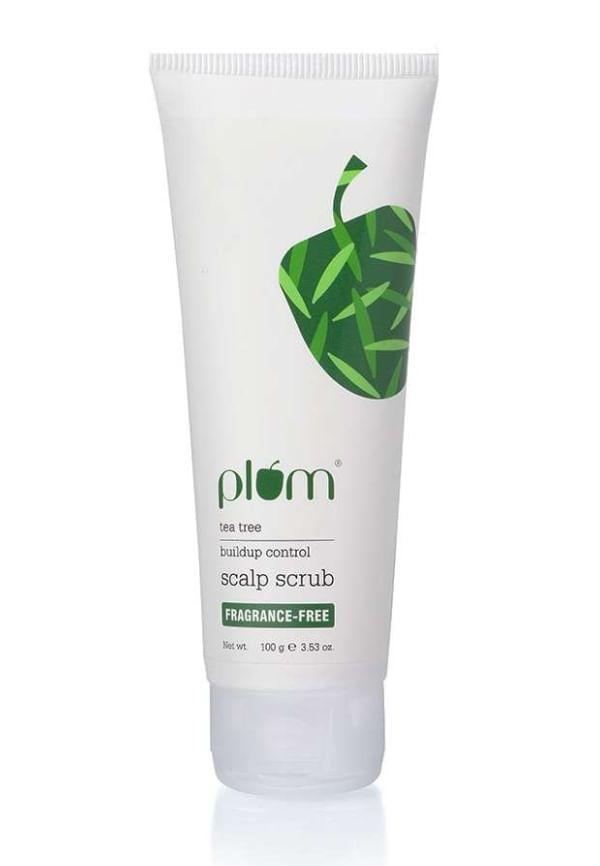 100 ml
Tea Tree Buildup Control Scalp Scrub
Look for these proven ingredients in your haircare for oily scalp: • Salicylic acid: Gently exfoliates and unclogs follicles • Tea tree oil: Natural antimicrobial properties • Zinc pyrithione: Helps control fungal growth • Niacinamide: Regulates oil production • Clay (bentonite or kaolin): Absorbs excess oil without stripping
Start with a gentle, clarifying shampoo 2-3 times per week. Use a lightweight, oil-free conditioner only on your ends. Once a week, try a clay mask specifically designed for scalps. And remember—consistency is key when it comes to how to reduce oily scalp issues. Exploring different products to find what works for your unique scalp can feel overwhelming. That's where platforms like Smytten come in handy—with trial-sized products from trusted haircare brands, you can test different oily scalp remedies without committing to full-size purchases. It's a smart way to discover your perfect scalp care routine without the guesswork.
Most people with oily scalps benefit from washing every 1-2 days. Daily washing can actually stimulate more oil production, whilst waiting too long allows buildup to occur.
Excessive oil can clog hair follicles and create an environment for bacteria growth, which may contribute to hair thinning. However, some oil is necessary for healthy hair growth.
Avoid harsh sulphates like sodium lauryl sulphate, heavy oils like coconut oil near the roots, and overly moisturising ingredients like shea butter in your shampoo.
Some oil production is healthy and necessary, but excessive oil can actually hinder hair growth by clogging follicles and creating an unhealthy scalp environment.
Yes, oily scalp can contribute to dandruff. The excess oil can feed the yeast that naturally lives on your scalp, leading to flaking and irritation.
Natural methods include adjusting your washing frequency, managing stress, improving your diet, using clay masks, and ensuring you're not over-touching your scalp.
Dealing with an oily scalp isn't just about finding the right shampoo—it's about understanding the surprising factors that might be triggering excessive scalp oil production. From your stress levels to your sleeping position, small changes can make a big difference in achieving better scalp oil control. Remember, what works for one person might not work for another. The key is to identify your specific triggers and address them systematically. Whether it's adjusting your washing routine, managing environmental factors, or trying new products, patience and consistency will get you there. With Smytten's extensive range of haircare trial packs, you can explore different solutions without the commitment of full-size purchases. After all, why settle for maybe when you can try it all and find what truly works for your scalp?
