7 Simple Ways to Test Your Hair Porosity Now


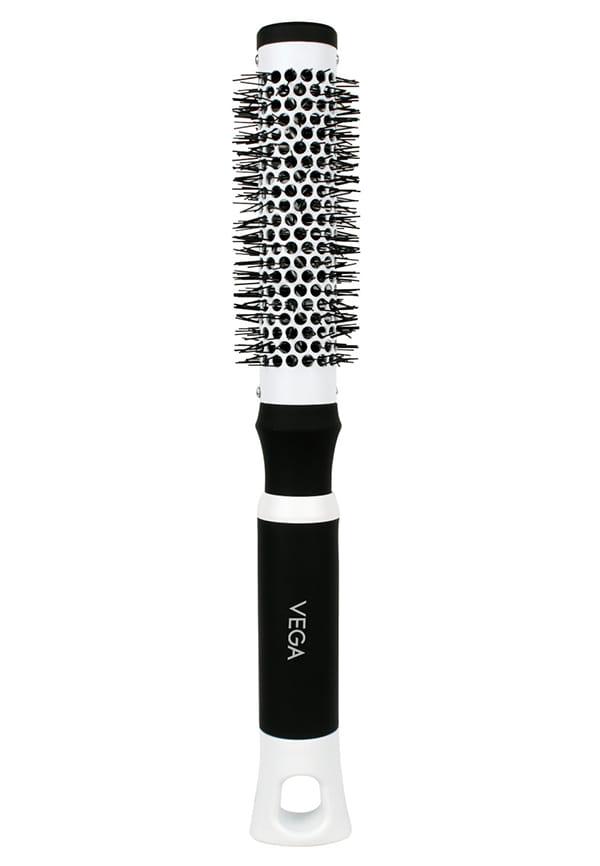 1 Unit
Hot Curl Hair Brushfor Hair Styling, Drying, Healthy Hair and Add Volume, Small (H1-PR S)
Ever wondered why that expensive shampoo everyone raves about just sits on your hair like it's afraid to commit? Or why your friend's holy grail conditioner leaves your locks feeling like straw? The answer might be simpler than you think—it's all about hair porosity. This little-known factor determines how your hair absorbs and retains moisture, and honestly, it's the game-changer most of us never knew we needed. Understanding your hair porosity is like having the cheat code to perfect hair days, and the best part? You can figure it out right now with stuff you already have at home.
Hair porosity is basically how easily your hair can absorb and hold onto moisture. Think of your hair cuticles as tiny roof tiles—when they're tightly packed, water has a hard time getting in (low porosity). When they're raised or damaged, moisture flows in and out freely (high porosity). Getting this right is crucial because it affects everything from how your products work to how your hair responds to treatments.
Your hair porosity determines whether that expensive serum you bought will actually penetrate your strands or just sit there looking pretty. It's the difference between hair that feels soft and manageable versus hair that's constantly dry, frizzy, or weighed down. Once you know your porosity type, you can finally stop playing guessing games with your haircare routine.
Low porosity hair has tightly closed cuticles that resist moisture. If you have this hair type, products tend to sit on top rather than absorbing, and your hair takes forever to get wet in the shower. It's also the type that air-dries slowly and can feel weighed down by heavy products.
Medium porosity hair is the sweet spot—cuticles that are slightly raised, allowing just the right amount of moisture in and out. This hair type typically responds well to most products and holds styles nicely without too much fuss.
High porosity hair has cuticles that are raised or damaged, often from chemical processing, heat styling, or environmental factors. This hair absorbs moisture quickly but loses it just as fast, leading to dryness and frizz.
Your porosity type completely changes the game when it comes to product selection and application. Low porosity hair needs lightweight, water-based products that won't create buildup, whilst high porosity hair craves heavier creams and oils to fill in those gaps and lock in moisture.
The timing of your treatments matters too. Low porosity hair benefits from heat during deep conditioning to help products penetrate, whilst high porosity hair needs protein treatments to temporarily fill in damaged cuticles. Getting this wrong is why so many people think certain products just 'don't work' for them.
Ready to solve the mystery of your hair? These seven methods will help you figure out your porosity type without spending a penny. The key is trying multiple tests since hair can vary in porosity from root to tip, especially if you've had chemical treatments or heat damage.
This is the classic porosity test that's been making rounds on social media, and for good reason—it's simple and pretty reliable. Start with clean, product-free hair (this is crucial). Pluck a few strands from different areas of your head—crown, sides, and back.
Fill a clear glass with room temperature water and gently place your hair strands on the surface. Wait 2-4 minutes and observe what happens. Low porosity hair will float on top because the cuticles are too tight to let water in quickly. Medium porosity hair will slowly sink to the middle. High porosity hair sinks straight to the bottom because those open cuticles absorb water immediately.
The most common mistake? Using dirty hair or not waiting long enough. Give it time and make sure your hair is completely clean for accurate results.
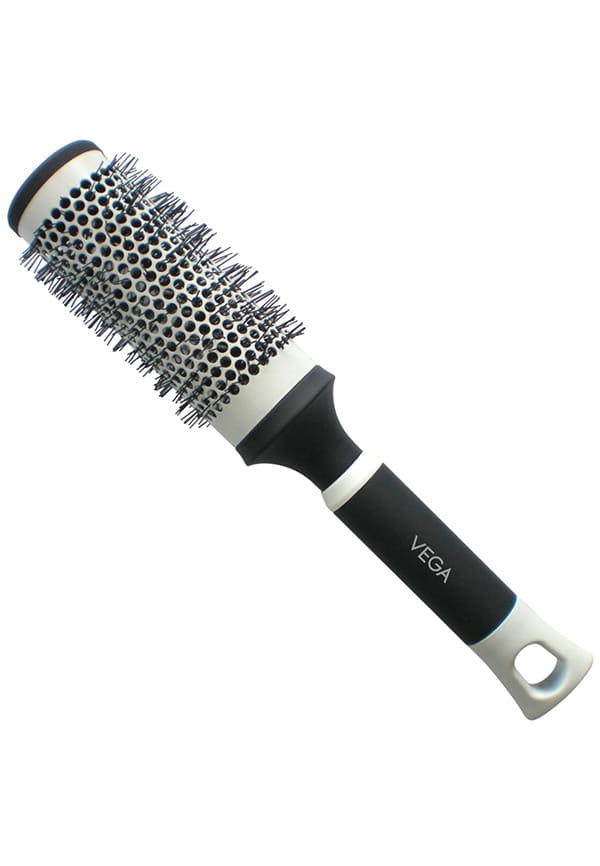 1 Unit
Hot Curl Hair Brushfor Hair Styling, Drying, Healthy Hair and Add Volume Big (H1-PR B)
This tactile test is brilliant for getting a feel (literally) for your hair's condition. Take a single strand of hair and slide your fingers from the tip towards the root. Low porosity hair feels smooth because those cuticles are lying flat. High porosity hair feels rough and bumpy as your fingers catch on raised cuticles.
Be gentle with this test—you're not trying to damage your hair further. The rougher the texture, the higher the porosity. This method is particularly good for spotting damage from heat styling or chemical processing.
Grab a spray bottle and section off a small piece of clean, dry hair. Mist it lightly and watch what happens. Low porosity hair will have water beads sitting on top for ages—it's like your hair is wearing a raincoat. High porosity hair absorbs the water almost instantly, whilst medium porosity hair shows gradual absorption.
This test is great because it mimics how your hair behaves when you're applying leave-in products. If water just sits there, imagine what your serums are doing.
Pay attention to how long your hair takes to air-dry after washing. Low porosity hair can take hours to dry completely because water has trouble getting in, but once it's there, it doesn't want to leave. High porosity hair dries quickly because moisture escapes easily through those open cuticles.
Keep environmental factors in mind—humidity, temperature, and air circulation all affect drying time. But if your hair consistently takes forever to dry or dries suspiciously fast, that's a porosity clue.
Apply a small amount of lightweight oil (like argan or jojoba) to a section of clean, damp hair. Low porosity hair will leave the oil sitting on top, creating a greasy appearance that doesn't absorb. High porosity hair drinks it up immediately, whilst medium porosity hair shows gradual absorption over 10-15 minutes.
This test is particularly useful because it shows you how your hair will react to styling products and treatments. If oils just sit there, you'll want to avoid heavy, oil-based products in your routine.
Take a single wet strand and gently stretch it. Healthy, low porosity hair stretches about 50% of its length before snapping back. High porosity hair might stretch more but feel gummy or break easily because the cuticles are damaged.
Be super gentle with this test—you're checking elasticity, not trying to break your hair. Healthy hair should have some give, but damaged, high porosity hair often feels weak and stretchy.
Look closely at your hair strands under good lighting. Low porosity hair typically looks smooth and shiny because those flat cuticles reflect light well. High porosity hair often appears dull, frizzy, or has visible split ends and breakage.
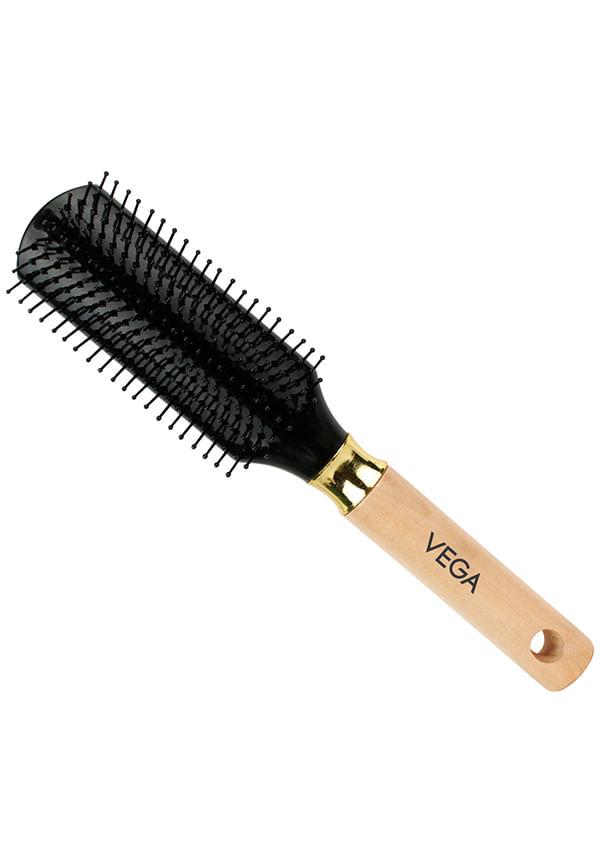 1 Unit
Flat Hair Brushfor Women and Men, Regular Hair Brush (E1-FB)
Consider your hair history too—frequent colouring, bleaching, heat styling, or chemical treatments all increase porosity over time. If you've put your hair through the wringer, it's likely higher porosity than it naturally would be.
The key to reliable results is preparation and understanding that your hair might not fit neatly into one category. Many people have combination porosity—roots might be low whilst ends are high due to damage. This is totally normal and just means you'll need to adjust your routine accordingly.
Start with freshly washed hair using a clarifying shampoo to remove any product buildup. Avoid conditioner or any leave-in products before testing—you want your hair in its most natural state. Wait until your hair is completely dry before doing the float test or slide test.
Test multiple sections of your hair since porosity can vary. The crown area is often less damaged than the ends, so you might get different results from different areas. This isn't a mistake—it's valuable information about your hair's condition.
Don't rely on just one test method. Your hair is complex, and combining multiple tests gives you a clearer picture. Also, avoid testing immediately after chemical treatments or when your hair is damaged from illness or stress—these can temporarily affect porosity.
Remember that porosity can change over time due to damage, treatments, or even seasonal changes. What worked for your hair six months ago might not be perfect now, so don't be afraid to retest periodically.
Now that you've done your detective work, it's time to decode what your results mean for your daily routine. Understanding your porosity type is just the beginning—the real magic happens when you start choosing products and techniques that work with your hair's natural characteristics rather than against them.
Low porosity hair needs encouragement to accept moisture. Look for lightweight, water-based products that won't create buildup. Protein treatments should be used sparingly since your hair doesn't need much help staying strong—focus on gentle moisture instead.
Heat is your friend when deep conditioning. Use a shower cap or sit under a hooded dryer to help products penetrate. Clarifying shampoos are essential to prevent buildup, but use them sparingly to avoid stripping your hair.
High porosity hair needs help retaining moisture and filling in gaps in the cuticle. Heavier creams, butters, and oils work well, as do protein treatments to temporarily patch up damage. Look for products with humectants like glycerin to help attract moisture.
Protective styling becomes crucial to prevent further damage. Avoid excessive heat and chemical processing, and consider regular protein treatments to maintain hair strength. Your hair will love rich, nourishing masks and leave-in treatments.
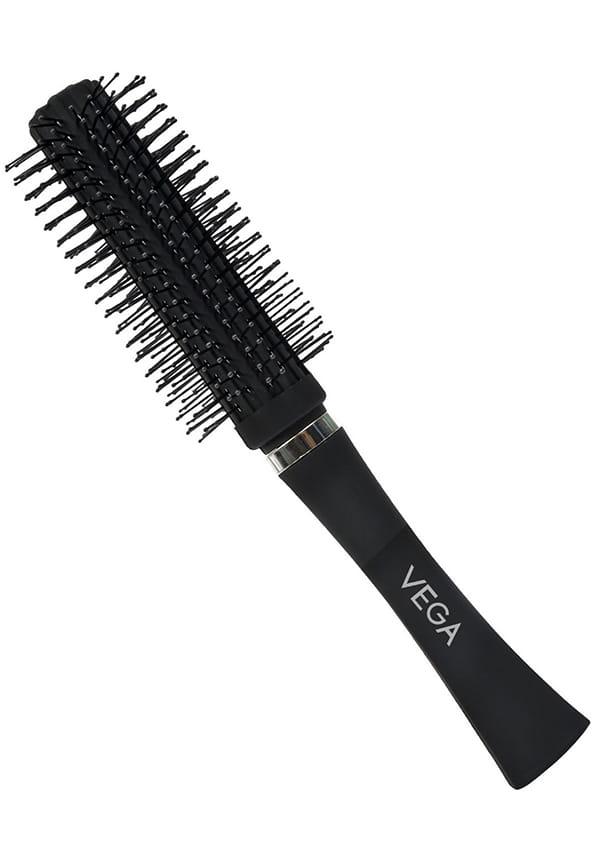 1 Unit
Round Hair Brushfor Adding Curls, Volume & Waves In Hairs| Men and Women| All Hair Types (E5-RB N)
Medium porosity hair is the easiest to manage since it accepts and retains moisture well. You can experiment with different product weights and formulations to see what works best. This hair type typically responds well to most treatments and styling techniques.
Focus on maintaining this balanced state by avoiding excessive heat and chemical processing. Regular deep conditioning and occasional protein treatments will keep your hair healthy and manageable.
Knowing your hair porosity is like having a roadmap to better hair health, but the journey doesn't end with testing. The real transformation happens when you start making informed choices about products, techniques, and treatments. This is where platforms like Smytten become incredibly valuable—instead of buying full-size products and hoping they work, you can try curated trial packs from trusted haircare brands to find what actually works for your specific porosity type.
With over 1,500 brands including haircare favourites like Love, Beauty & Planet and other trusted names, you can experiment with different formulations designed for your porosity type without the commitment. Whether you need lightweight products for low porosity hair or rich, nourishing treatments for high porosity hair, trying before buying ensures you're not wasting money on products that won't work for your unique hair needs.
The easiest method is the float test using clean hair strands in a glass of water. Combine this with the slide test and water spray test for more accurate results. Always use product-free, clean hair for testing.
High porosity hair sinks quickly to the bottom of the glass because the raised cuticles absorb water immediately. Low porosity hair floats on top, whilst medium porosity hair slowly sinks to the middle.
Yes, hair porosity can increase due to chemical processing, heat damage, environmental factors, or age. It's rare for porosity to decrease naturally, but proper care can prevent further damage.
High porosity hair benefits most from protein treatments as they help fill gaps in damaged cuticles. Low porosity hair needs protein less frequently, whilst medium porosity hair can handle occasional protein treatments for maintenance.
Understanding your hair porosity is honestly one of the best things you can do for your hair health. It takes the guesswork out of product shopping and helps you create a routine that actually works with your hair's natural characteristics. Remember, there's no 'bad' porosity type—just different needs that require different approaches.
Start with two or three of these tests today and pay attention to how your hair behaves. Your hair is constantly giving you clues about what it needs; you just need to know how to read them. And when you're ready to find products that work for your specific porosity type, platforms like Smytten make it easy to try before you buy, ensuring you never have to settle for products that don't deliver. After all, why guess when you can test and find what truly works for your unique hair?
