7 Shocking Causes of Thin Hair Revealed


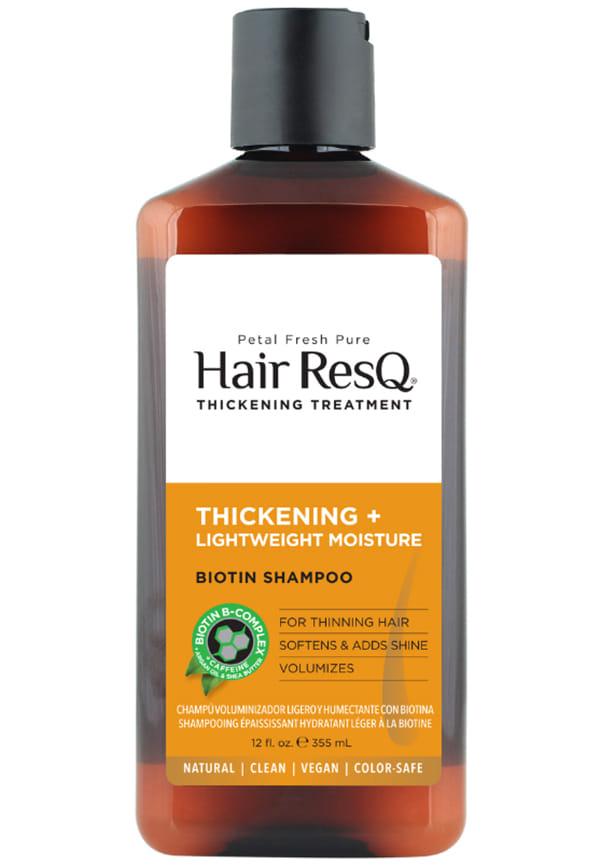 355 ml
Hair ResQ Thickening Shampoo Dry Hair
Let's be real—watching your hair get thinner is proper scary. One day you're flipping through gorgeous locks, the next you're staring at your scalp in the mirror wondering what went wrong. If you've been googling "why is my hair so thin" at 2 AM, you're not alone. Hair thinning affects millions, but here's the thing: the causes of thin hair aren't always what you'd expect. We're diving into seven shocking reasons your hair might be thinning that go way beyond genetics. Ready to get to the bottom of this? Let's crack on.
Before we jump into the shocking stuff, let's sort out what we're actually dealing with. Hair thinning causes can be wildly different from person to person, and understanding your hair's natural cycle is key to figuring out what's normal and what's not.
Your hair goes through three phases: anagen (growth), catagen (transition), and telogen (rest). During a healthy cycle, about 85% of your hair is in the growth phase at any time. When something disrupts this cycle, you get more hairs in the resting phase, leading to increased shedding and visible thinning.
Here's what's normal: losing 50-100 strands daily. What's not normal: finding clumps in your brush, seeing your scalp more clearly, or noticing your ponytail feels significantly thinner. Hair follicle health depends on proper blood flow, nutrients, and hormonal balance—when any of these get disrupted, your hair pays the price.
Right, let's get into the stuff that might surprise you. These reasons for hair loss often fly under the radar, but they're more common than you'd think.
Everyone bangs on about iron deficiency, but there are loads of other nutrients your hair desperately needs. Your diet for hair health needs to include zinc, selenium, omega-3 fatty acids, and vitamin B12—deficiencies in these can cause serious hair thinning.
Zinc deficiency is massive, especially if you're vegetarian or vegan. Your hair follicles need zinc to function properly, and without it, they basically go on strike. Selenium helps protect your scalp from oxidative stress, whilst omega-3s keep your hair shiny and strong. If you've been on a restrictive diet or have digestive issues, you might not be absorbing these nutrients properly.
Hormones are proper sneaky when it comes to hair loss. PCOS affects 1 in 10 women and can cause hair thinning due to elevated androgens. Thyroid disorders—both overactive and underactive—mess with your hair growth cycle in ways that can take months to show up.
Perimenopause starts earlier than most people think, sometimes in your 30s, and the declining oestrogen levels can trigger hair thinning. Even insulin resistance, which often goes undiagnosed, can affect your hair by disrupting hormone balance and nutrient absorption.
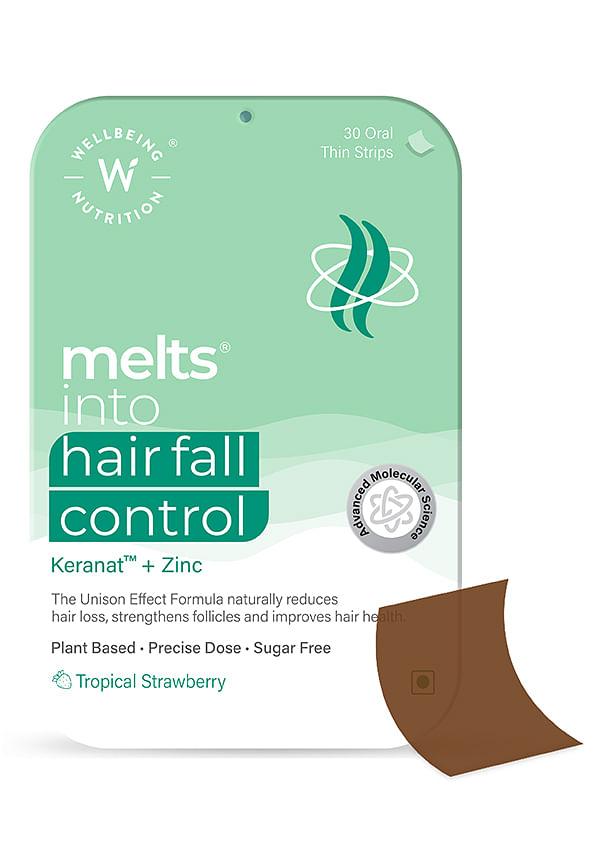 Pack of 30
Melts Hair Fall Control Keranat & Zinc, Hair Loss Support to Improve Hair Anchoring (30 Oral Strips)
Stress doesn't just give you grey hairs—it can make them fall out entirely. Scalp health is directly linked to your stress levels through cortisol, which can push hair follicles into the resting phase prematurely.
This condition, called telogen effluvium, can happen 2-3 months after a stressful event. The tricky bit is that by the time you notice the hair loss, you might not connect it to that work deadline or relationship drama from months ago. Sleep deprivation compounds this by keeping cortisol levels elevated.
Your medicine cabinet might be sabotaging your hair without you realising it. Blood thinners, certain antidepressants, beta-blockers, and even some acne treatments can cause hair thinning as a side effect.
Birth control pills are particularly sneaky—they can cause hair loss both whilst you're taking them and when you stop. The hormonal changes can trigger androgenetic alopecia in women who are genetically predisposed. Always check the leaflet, and don't be afraid to ask your GP about hair-friendly alternatives.
Sometimes your immune system gets confused and starts attacking your hair follicles. Alopecia areata causes patchy hair loss, but there are other autoimmune conditions that can cause diffuse thinning.
Lupus, Hashimoto's thyroiditis, and even scalp psoriasis can all impact hair follicle health. These conditions often come with other symptoms, so if you're experiencing fatigue, joint pain, or skin issues alongside hair loss, it's worth getting checked out.
Your environment might be more toxic to your hair than you think. Heavy metals like mercury and lead can accumulate in your system and disrupt hair growth. Hard water with high mineral content can damage hair shafts and clog follicles.
Smoking is absolutely dreadful for hair health—it reduces blood flow to the scalp and increases oxidative stress. Even excessive alcohol consumption can deplete the B vitamins your hair needs to grow properly.
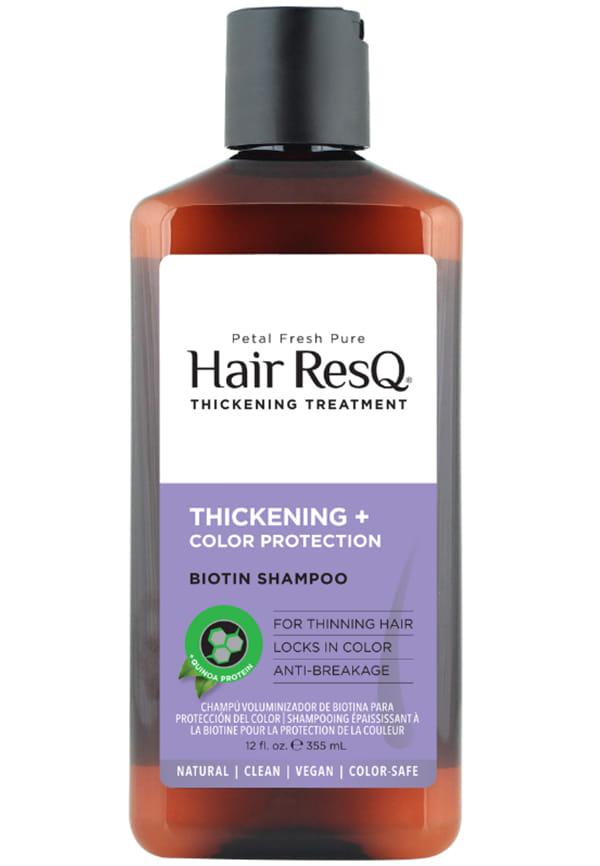 355 ml
Hair ResQ Thickening Shampoo Color Protection
Female pattern hair loss is way more common than people realise, affecting about 40% of women by age 50. Unlike male pattern baldness, women typically experience diffuse thinning across the crown rather than a receding hairline.
The genetics aren't just from your dad's side either—you can inherit hair loss patterns from either parent. Early intervention is key, so if your mum or grandmother experienced hair thinning, it's worth being proactive about prevention.
Let's talk about the hair breakage causes that are completely within your control. Your daily routine might be contributing to the problem without you realising it.
Overwashing strips your scalp of natural oils, but underwashing can lead to buildup that clogs follicles. Most people with thinning hair should wash 2-3 times per week with a gentle, sulphate-free shampoo. Heat styling is another major culprit—those straighteners and curling irons can weaken hair shafts and cause breakage that mimics thinning.
Tight hairstyles like high ponytails, braids, and buns can cause traction alopecia, especially around the hairline. Chemical treatments like bleaching, perming, and relaxing can also damage hair follicles if done too frequently or improperly.
Now for the good news—there are loads of thin hair solutions that can help, depending on what's causing your thinning. The key is matching the treatment to the underlying cause.
For androgenetic alopecia, minoxidil is the gold standard. It's available over the counter and works by increasing blood flow to hair follicles. For women, there are also prescription options like spironolactone that can help block androgens.
Scalp massage isn't just relaxing—studies show it can increase hair thickness by improving blood circulation. Low-level laser therapy devices are becoming more popular and have shown promising results in clinical trials. For severe cases, treatments like platelet-rich plasma (PRP) injections can help stimulate hair growth.
When it comes to trying new haircare products, Smytten makes it easy to test different solutions without committing to full-size purchases. With trial packs from trusted brands, you can explore various treatments and find what works for your specific hair needs. The platform's 100% cashback system means you can experiment with different approaches to hair loss prevention without the financial risk.
Some warning signs mean you need professional help ASAP. Sudden, patchy hair loss could indicate alopecia areata or another autoimmune condition. If your hair loss comes with scalp pain, itching, or inflammation, that's definitely not normal.
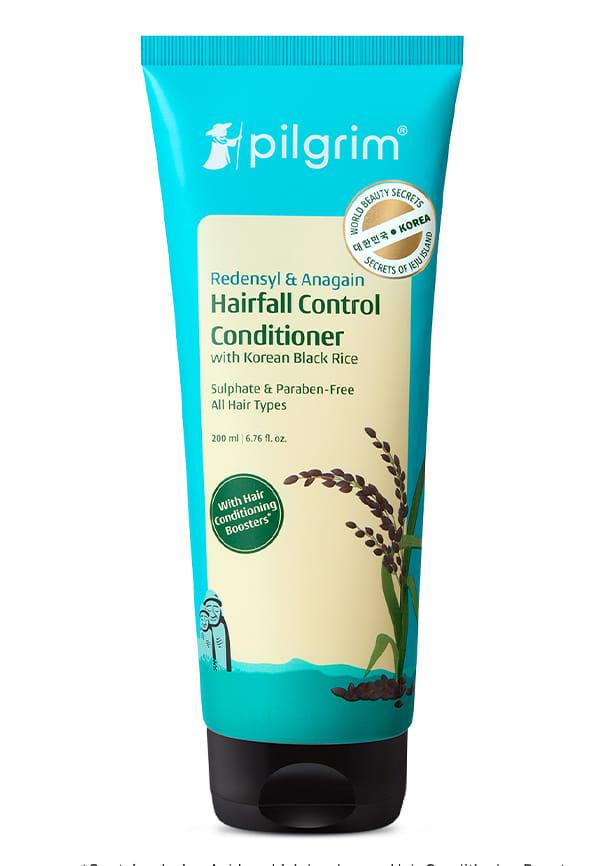 200 ml
Redensyl & Anagain Conditioner Prevents Hair Breakage|Increases Hair Thickness
A dermatologist or trichologist can perform proper testing to identify the root cause. They might recommend blood tests to check for nutritional deficiencies, hormone levels, or autoimmune markers. Don't wait until the problem gets worse—early intervention often leads to better outcomes.
Sudden hair thinning is often due to telogen effluvium, triggered by stress, illness, medication changes, or hormonal shifts. This type of hair loss typically occurs 2-3 months after the triggering event and is usually temporary if the underlying cause is addressed.
Iron deficiency is the most common nutritional cause of hair loss, especially in women. However, vitamin D deficiency is increasingly recognised as a major factor, with studies showing that low vitamin D levels are associated with various types of hair loss.
It depends on the cause. Hair loss from nutritional deficiencies, stress, or medication side effects can often be reversed. However, genetic hair loss typically requires ongoing treatment to maintain results. The sooner you address the underlying cause, the better your chances of regrowth.
Early signs include increased hair shedding (more than 100 strands daily), a wider part line, more visible scalp, reduced ponytail thickness, and changes in hair texture. Pay attention to these subtle changes rather than waiting for obvious bald spots.
Prevention strategies include maintaining a balanced diet rich in hair-healthy nutrients, managing stress levels, using gentle haircare tips, protecting hair from heat damage, and addressing any underlying health conditions promptly. Regular scalp massage and avoiding tight hairstyles can also help.
Hair thinning can feel overwhelming, but understanding the causes of thin hair is the first step towards finding a solution. Whether it's a hidden nutritional deficiency, hormonal imbalance, or environmental factor, most causes of hair thinning can be addressed with the right approach.
The key is being patient and consistent with your treatment plan. Hair growth takes time—typically 3-6 months to see significant changes. Don't try to fix everything at once; work with a professional to identify the most likely causes and tackle them systematically.
Remember, exploring different haircare solutions doesn't have to break the bank. Platforms like Smytten, India's largest product discovery platform, make it easier to try various treatments through curated trial packs from over 1,500 trusted brands. With options to get up to 8 minis for just ₹249 and 100% cashback on trial purchases, you can experiment with different approaches to find what works best for your hair. After all, why settle for 'maybe' when you can try it all and make confident choices about your hair health?
