7 Shocking Causes of Severe Dandruff Revealed


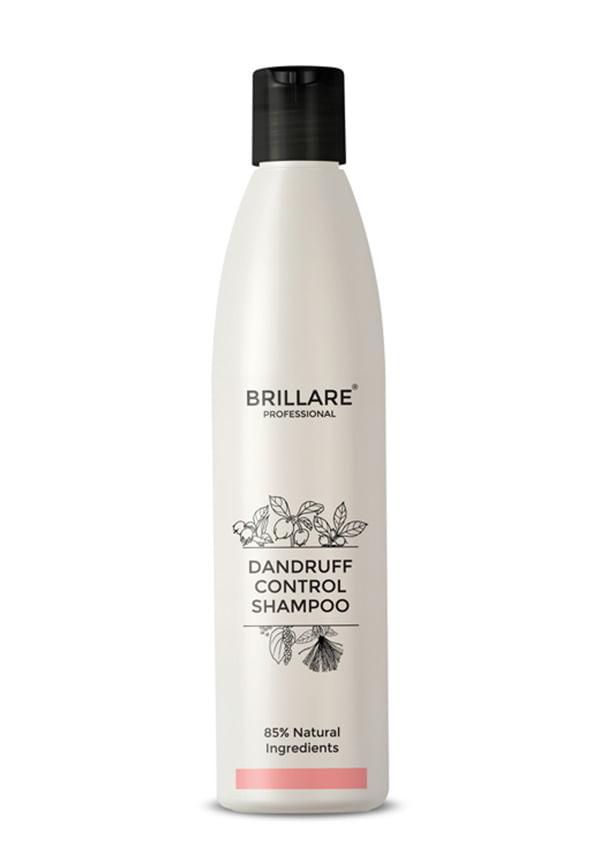 300 ml
Dandruff Control Shampoo For Itchy, Flaky Scalp
Let's be real—dandruff isn't just about a few white flakes on your shoulders anymore. When we're talking about severe dandruff, we're diving into thick, yellowish scales that stick to your scalp like they've signed a lease. The causes of severe dandruff go way beyond what most people think, and honestly, some of them might shock you. We're not just dealing with dry skin here; severe dandruff can turn your scalp into an itchy, inflamed mess that affects your confidence and comfort. Ready to uncover the real culprits behind those stubborn, embarrassing flakes? Let's dig into seven surprising triggers that could be wreaking havoc on your scalp.
Before we jump into the shocking causes, let's get clear on what we're actually dealing with. Severe dandruff isn't your typical sprinkle of white flakes that disappear with a good shampoo session. Severe dandruff shows up as thick, greasy, yellowish scales that cling to your scalp and hair. These aren't the light, powdery flakes you might brush off your shirt—they're chunky, often accompanied by redness, and can make your scalp feel tender or sore. The types of dandruff vary significantly, with oily dandruff being the most stubborn and severe form.
Here's where many people get confused. Dry scalp vs dandruff presents differently—dry scalp creates small, white flakes with an overall tight feeling, while true dandruff involves larger, oilier flakes with inflammation. Understanding these flaky scalp causes helps you target the right treatment approach.
This one's going to blow your mind. Everyone—yes, everyone—has a fungus called Malassezia living on their scalp right now. But here's the shocking part: in some people, this normally harmless fungus goes rogue and becomes one of the primary dandruff causes. Malassezia feeds on the oils your scalp produces, breaking them down into oleic acid. If you're sensitive to this acid, your skin cells start multiplying like crazy, leading to those thick, stubborn scales. The fungus thrives in oily environments, which explains why people with naturally oily scalps often struggle with more severe symptoms.
Look for greasy, yellowish scales that seem impossible to wash away completely. The flakes often have an oily texture and may come with an unpleasant smell. This type of severe dandruff typically gets worse in humid conditions when your scalp produces more oil.
Seborrheic dermatitis takes dandruff to a whole new level of severity. This chronic inflammatory condition affects areas rich in oil glands, making your scalp a prime target. Unlike regular dandruff, seborrheic dermatitis involves significant inflammation that can spread beyond your hairline. The condition creates thick, greasy scales accompanied by red, inflamed skin that can feel tender or burn. Stress, weather changes, hormonal fluctuations, and even certain medications can trigger flare-ups. What makes this particularly shocking is how it can appear suddenly in people who've never had scalp issues before.
Seborrheic dermatitis doesn't limit itself to your scalp. It can affect your eyebrows, sides of your nose, behind your ears, and even your chest. This widespread nature often helps distinguish it from other scalp conditions.
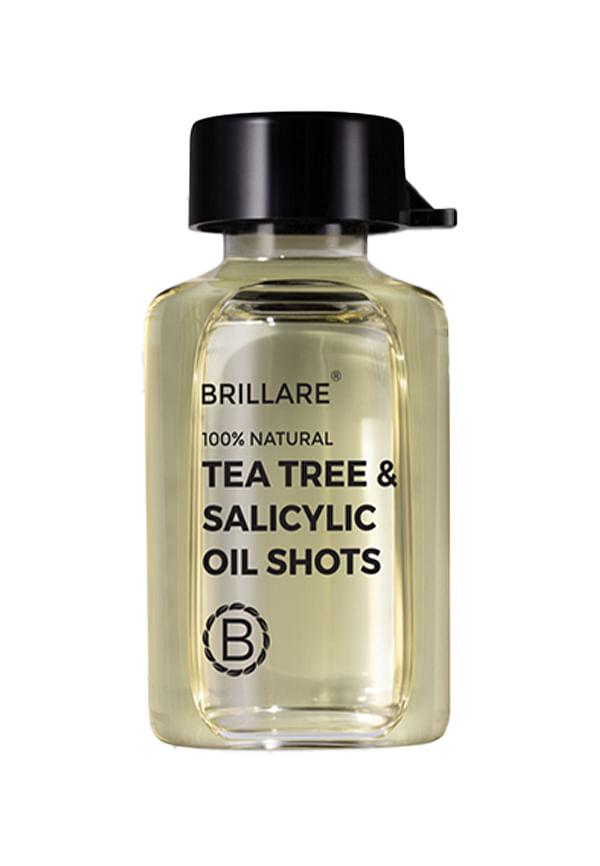 8*6 ml
Tea Tree & Salicylic Oil Shots For Dry, Itchy Scalp to Fights Dandruff
Here's something that might surprise you: what you're not eating could be causing your severe dandruff. Specific nutritional deficiencies directly impact scalp health, and the connection is stronger than most people realise. B-vitamin deficiencies, particularly B2 (riboflavin), B3 (niacin), B6, and B7 (biotin), can trigger severe flaking. Vitamin D deficiency also plays a role, as it's crucial for skin cell regulation. Zinc deficiency is another major culprit—this mineral helps control oil production and supports skin healing.
Processed sugars and inflammatory foods can feed Malassezia fungus, making dandruff worse. High-glycemic foods spike insulin levels, which can increase oil production and create the perfect environment for fungal overgrowth.
The mind-scalp connection is real, and it's more powerful than you might think. Chronic stress elevates cortisol levels, which directly impacts your scalp's oil production and immune function. When your immune system is compromised, it can't keep Malassezia fungus in check. Hormonal fluctuations during puberty, pregnancy, menopause, or even monthly cycles can trigger severe dandruff episodes. These hormonal changes affect sebum production, creating conditions that favour fungal overgrowth and inflammation.
Poor sleep quality weakens your immune response, making it harder for your body to maintain healthy scalp balance. Sleep deprivation also increases stress hormones, creating a vicious cycle that perpetuates severe dandruff.
Your haircare routine might be sabotaging your scalp health without you realising it. Heavy styling products, oils, and leave-in treatments can accumulate on your scalp, creating a breeding ground for fungus and bacteria. Over-washing strips your scalp of natural oils, triggering increased oil production as your skin tries to compensate. Under-washing allows oils, dead skin cells, and product residue to build up. Both extremes can worsen severe dandruff. Chemical sensitivities to sulfates, parabens, and harsh detergents can also trigger inflammatory responses that manifest as severe flaking.
Excessive heat from blow dryers, straighteners, and curling tools can disrupt your scalp's protective barrier. This damage makes your scalp more susceptible to irritation and fungal overgrowth. Proper haircare for dandruff involves gentle, consistent practices that support scalp health.
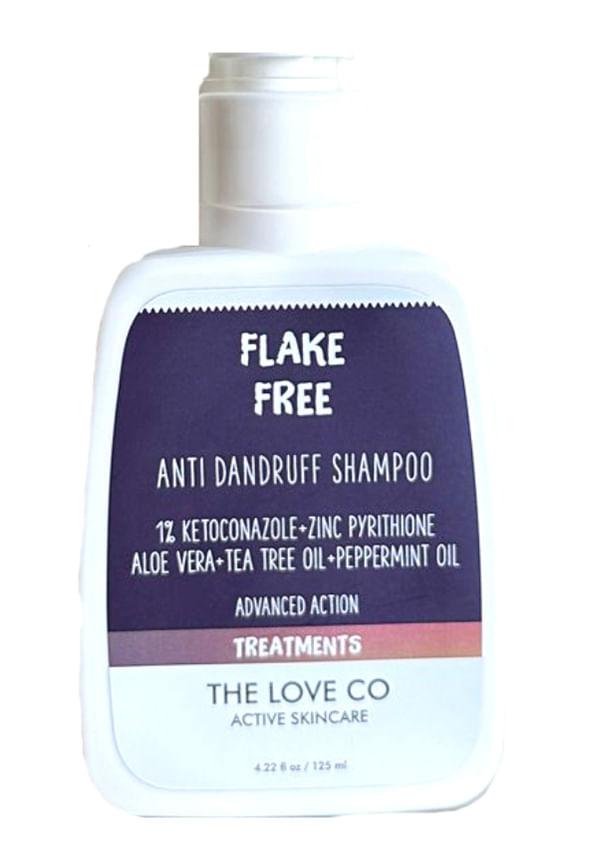 125 ml
Anti Dandruff Shampoo - Flake Free - 125ml
Weather changes can trigger severe dandruff episodes in ways that might shock you. Cold, dry winter air dehydrates your scalp, leading to increased flaking and irritation. Indoor heating systems make this worse by creating artificially dry environments. Humidity fluctuations affect how Malassezia fungus behaves on your scalp. High humidity can increase oil production and fungal activity, while low humidity can cause excessive dryness and compensatory oil production.
Many people notice their dandruff follows seasonal patterns—worse in winter due to dry air and indoor heating, or worse in summer due to increased sweating and humidity. Recognising these patterns helps you adjust your haircare routine accordingly.
Sometimes severe dandruff is actually a symptom of a more serious underlying condition. Psoriasis can manifest on the scalp as thick, silvery scales that are often mistaken for severe dandruff. Atopic dermatitis (eczema) can also affect the scalp, causing intense itching and flaking. Autoimmune conditions can trigger inflammatory responses that affect scalp health. Certain medications, including some antibiotics, antifungals, and even blood pressure medications, can cause dandruff-like symptoms as side effects.
If your severe dandruff doesn't respond to over-the-counter treatments after 4-6 weeks, or if you notice hair loss, severe inflammation, or spreading to other body areas, it's time to consult a dermatologist. These could be signs of more serious scalp conditions requiring professional treatment.
Now that you know the shocking causes, let's talk about severe dandruff treatment options that actually work. The key is targeting the specific cause affecting your scalp. Medicated shampoos containing zinc pyrithione, selenium sulfide, ketoconazole, or coal tar can effectively combat fungal overgrowth and reduce inflammation. Use these treatments 2-3 times per week initially, then reduce frequency as symptoms improve.
Address nutritional deficiencies through diet or supplements. Include anti-inflammatory foods like omega-3 rich fish, leafy greens, and zinc-rich foods. Manage stress through meditation, exercise, or other relaxation techniques. Ensure adequate sleep to support immune function.
Finding the right products for severe dandruff often requires trial and error. This is where platforms like Smytten become invaluable—you can try different dandruff remedies and medicated shampoos without committing to full-size purchases. With access to over 1,500 trusted brands and the ability to get up to 8 minis for just ₹249, you can discover what works for your specific scalp needs without the financial risk.
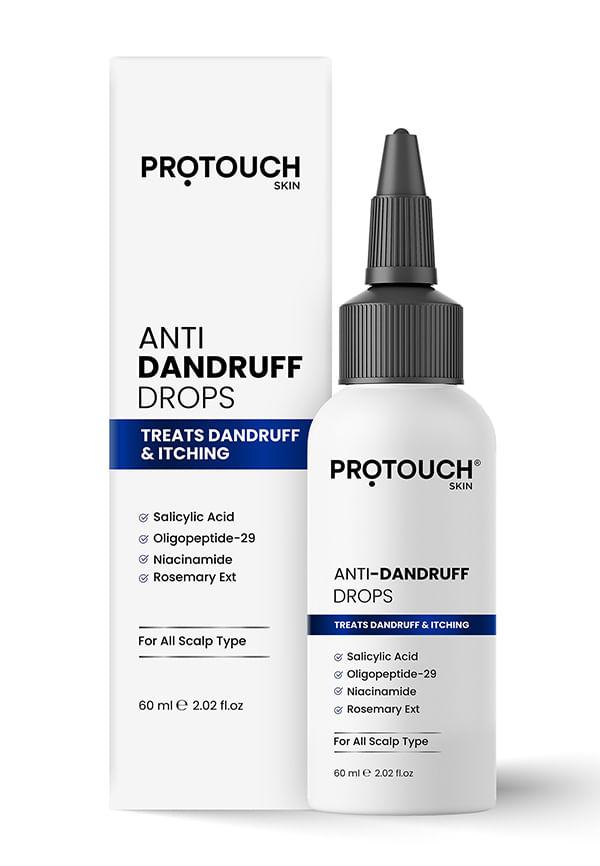 60 ml
60 mlSKIN Anti Dandruff Drops Serum Soothes Itchy, Inflamed Scalp
Extremely bad dandruff requires a multi-pronged approach: use medicated shampoos with antifungal ingredients, address underlying nutritional deficiencies, manage stress levels, and maintain consistent scalp hygiene. If symptoms persist after 6 weeks, consult a dermatologist for prescription treatments.
B-vitamin deficiencies (especially B2, B3, B6, and B7), vitamin D deficiency, and zinc deficiency are the most common nutritional causes of excessive dandruff. These nutrients are crucial for skin cell regulation and immune function.
Sudden severe dandruff can be triggered by hormonal changes, stress, new medications, seasonal weather changes, product sensitivities, or underlying medical conditions like seborrheic dermatitis. Identifying recent changes in your routine or environment can help pinpoint the cause.
Yes, severe dandruff can lead to temporary hair loss due to constant scratching, inflammation, and weakened hair follicles. However, this hair loss is usually reversible once the dandruff is properly treated and the scalp heals.
No, dandruff is not contagious. While Malassezia fungus is present on everyone's scalp, dandruff develops due to individual sensitivities and scalp conditions, not through contact with affected individuals.
With proper treatment, you should see improvement in 2-4 weeks. However, complete resolution of severe dandruff can take 6-8 weeks of consistent treatment. Some people may need ongoing maintenance to prevent recurrence.
Understanding the real causes of severe dandruff is the first step towards finding effective solutions. From fungal overgrowth to nutritional deficiencies, stress, and underlying medical conditions, severe dandruff often has complex, interconnected causes that require targeted approaches. The key is identifying your specific triggers and addressing them systematically. Whether it's adjusting your diet, managing stress, switching products, or seeking medical treatment, the right combination of strategies can help you regain control over your scalp health. Remember, finding the perfect treatment often involves trying different products and approaches. Smytten's trial platform makes this process affordable and risk-free, allowing you to explore various dandruff remedies and haircare solutions from trusted brands. With 100% cashback on trial purchases and access to expert-curated products, you can discover what works for your unique scalp needs without the guesswork. After all, why settle for persistent flakes when you can #TryItAll and find your perfect scalp solution?
