7 Shocking Causes of Hair Breakage Revealed
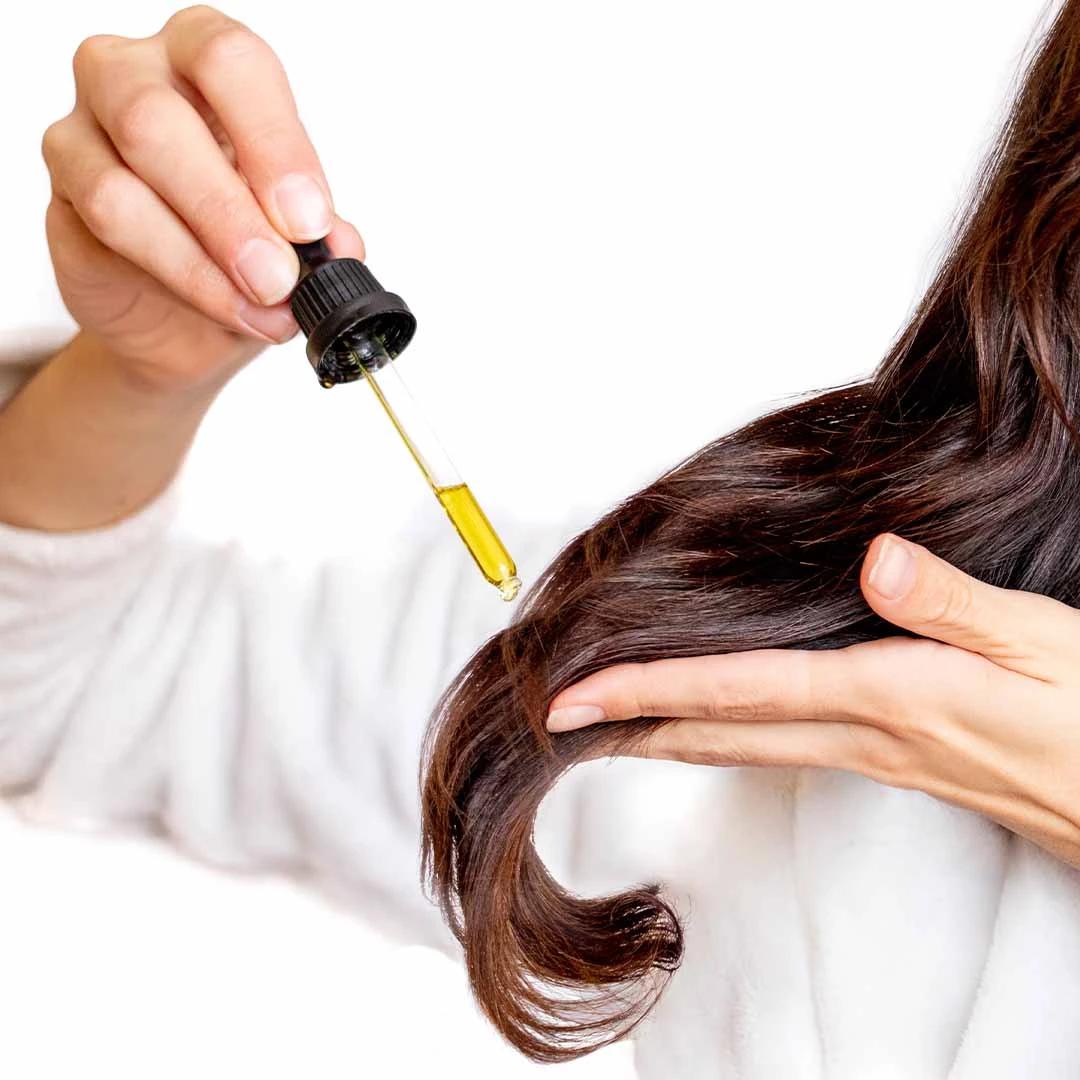

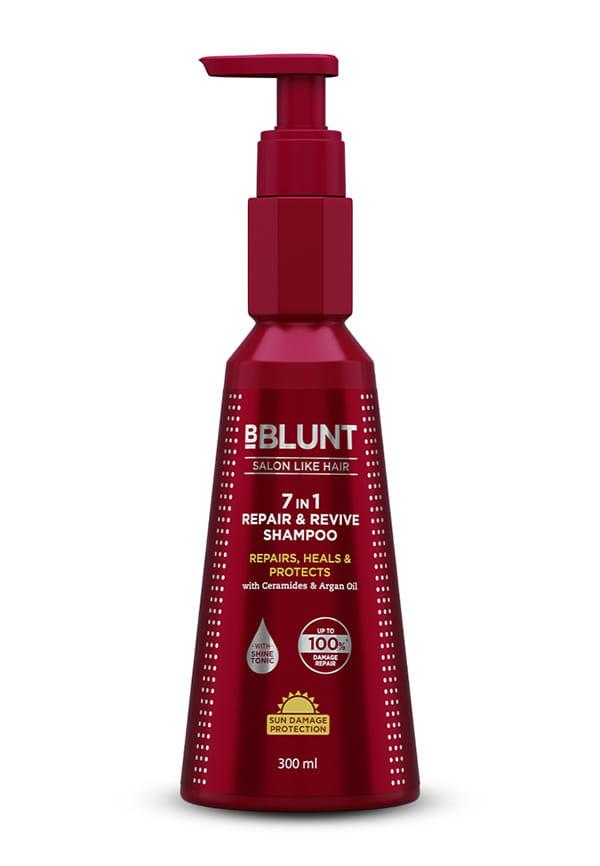
7 in 1 Repair & Revive Shampoo for Upto 100% Damage Repair
Your hair is breaking, and you might not even realise why. Real talk—around 80% of women experience hair breakage at some point, yet most of us are completely clueless about what's actually causing it. We blame genetics, stress, or just "bad hair days," but the truth is way more shocking. The real causes of hair breakage are hiding in plain sight, from your morning routine to that "healthy" salad you had for lunch. Ready to discover what's secretly sabotaging your strands? Let's dive into seven surprising culprits that might be turning your hair into a brittle mess—and more importantly, how to fix it.
Before we jump into the shocking causes, let's get clear on what we're actually dealing with. Hair breakage isn't the same as hair loss or even split ends—though they're all connected in the grand scheme of hair drama.
Hair breakage happens when your hair shaft snaps or breaks off somewhere along its length, not at the root. Think of your hair like a rope made of tiny fibres. When those fibres get weak or damaged, the rope starts to fray and eventually snaps. That's exactly what's happening to your strands when they lose their hair elasticity and become brittle.
Your hair gives you plenty of warning signs before it reaches full breakage mode. Look out for increased hair dryness, rough texture, and those annoying short pieces that stick up around your hairline. If your hair feels like straw or snaps easily when you stretch it, you're dealing with hair brittleness—a major red flag.
Not all hair damage is created equal. You might have mild breakage that shows up as occasional short pieces, or you could be dealing with severe damage where chunks of hair are literally falling out. The good news? Most damaged hair can be rescued with the right approach.
Plot twist—that clean eating plan you're so proud of might be starving your hair. Your strands need specific nutrients to stay strong, and even the most Instagram-worthy meals can leave your hair hanging.
Iron deficiency is one of the biggest culprits behind hair breakage, especially for women. Your hair follicles are some of the most metabolically active cells in your body, which means they're hungry for nutrients. When you're low on iron, your body prioritises vital organs over your hair, leaving your strands weak and prone to snapping.
Extreme dieting, cutting out entire food groups, or living on processed foods can all lead to the kind of nutritional gaps that make your hair brittle. Even too much of certain vitamins (looking at you, vitamin A) can cause problems.
Load up on iron-rich foods like spinach, lentils, and lean meats. Don't forget vitamin C to help with iron absorption—think citrus fruits with your meals. Protein is non-negotiable too, since your hair is basically made of it.
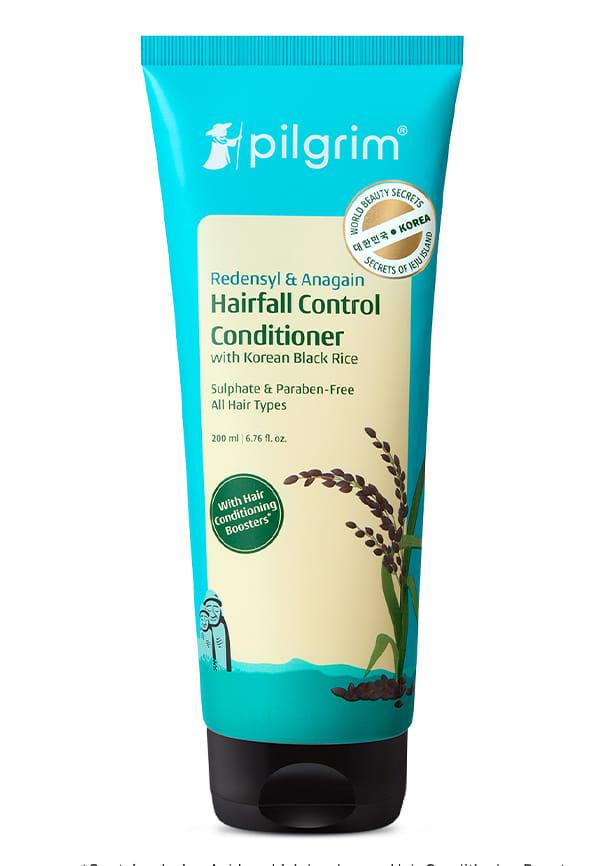
Redensyl & Anagain Conditioner Prevents Hair Breakage|Increases Hair Thickness
Here's where things get real—that gorgeous balayage or pin-straight look you love might be slowly destroying your hair from the inside out. Over processed hair is one of the most common causes of severe breakage, and it's happening way more often than you think.
Chemical treatments like bleaching, perming, and relaxing literally break down the protein bonds in your hair to change its structure. Do this too often or too aggressively, and you're left with strands that have zero structural integrity. It's like repeatedly bending a paperclip—eventually, it's going to snap.
Daily blow-drying, straightening, or curling adds insult to injury. Heat removes moisture from your hair shaft, making it dry and brittle. Combine regular heat styling with chemical processing, and you've got a recipe for hair disaster.
If your hair is severely over-processed, there's no magic overnight fix. You'll need to give your strands time to recover—we're talking months, not weeks. The key is stopping further damage while you wait for healthy hair to grow in.
This one's going to sting—your carefully curated haircare routine might be the villain in your breakage story. Using the wrong products for your hair type, applying them incorrectly, or just using too many products can all lead to weak hair that breaks easily.
Product buildup is a massive problem that most people ignore. When styling products, dry shampoo, and even conditioner build up on your hair shaft, they can make your strands heavy and prone to snapping. Plus, all that buildup prevents moisture from getting in, leading to hair dryness.
Over-washing strips your hair of natural oils, while under-conditioning leaves it dry and tangled. Using products with harsh sulphates or too much protein can also throw your hair's balance completely off.
Your brush might be your hair's worst enemy. Rough brushing, especially on wet hair, can cause serious breakage. Even your towel and pillowcase can create friction that damages your strands over time.
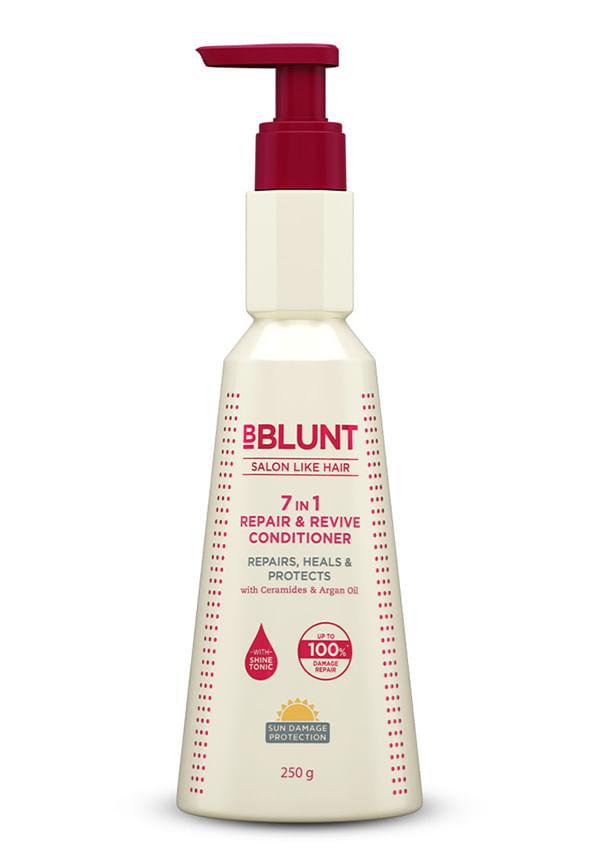
7 in 1 Repair & Revive Conditioner for Upto 100% Damage Repair
Your environment is constantly attacking your hair, and you probably don't even notice. UV rays, pollution, hard water, and even the air conditioning in your office can all contribute to hair damage and breakage.
Stress is another massive factor that people often overlook. When you're stressed, your body produces cortisol, which can affect your hair's growth cycle and make existing strands more fragile. It's like your hair is literally stressed out too.
How you sleep matters more than you think. Tossing and turning on a cotton pillowcase creates friction that can lead to breakage, especially around your hairline and the back of your head.
Winter heating systems dry out your hair, while summer sun and chlorine from swimming pools can make it brittle. Your hair needs different care depending on the season, but most people stick to the same routine year-round.
Now for the good stuff—how to actually fix this mess. The key to effective hair damage repair is addressing the root cause while being incredibly gentle with your existing strands.
Start with a clarifying shampoo to remove buildup, then focus on deep conditioning treatments. Look for ingredients like keratin, biotin, and natural oils that can help strengthen your hair shaft. But here's the thing—you need to be patient. Real repair takes time.
If your hair is breaking badly right now, stop all heat styling immediately. Use a wide-tooth comb on wet hair, sleep on a silk pillowcase, and trim off the most damaged ends. It might hurt to cut length, but it's better than watching your hair continue to break.
DIY protein masks using eggs or yoghurt can help temporarily strengthen weak strands. Coconut oil treatments can add moisture and flexibility. Just remember—if your hair is already protein-overloaded, more protein will make things worse.
Expect to see some improvement in 4-6 weeks with consistent care, but full recovery from severe damage can take 6-12 months. Your hair grows about half an inch per month, so you're literally growing out the damage.
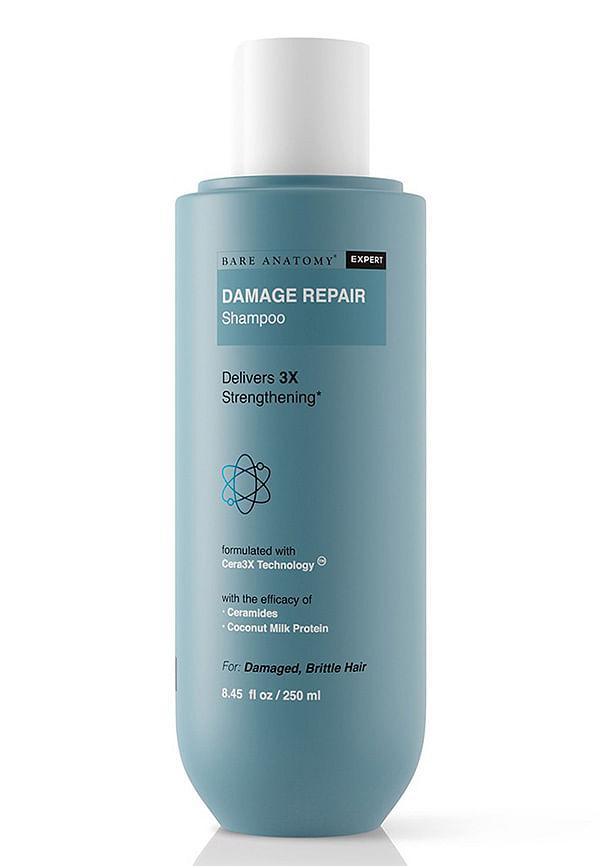
Expert Damage Repair Shampoo To Repair And Strengthen Up To 3X
This is where platforms like Smytten become incredibly valuable for your hair recovery journey. Instead of committing to full-size products that might not work for your specific damage type, you can try different hair care tips and treatments through curated trial packs. With access to over 1,500 trusted brands, you can experiment with various repair treatments, strengthening shampoos, and deep conditioning masks to find what actually works for your hair. The platform's trial approach means you can test multiple solutions without the financial risk—perfect when you're trying to rebuild damaged strands and need to find your perfect repair routine.
Focus on gentle handling, regular deep conditioning, and identifying the root cause of your breakage. Stop heat styling temporarily, use a wide-tooth comb, and trim damaged ends. Most importantly, be patient—hair repair takes time.
Iron deficiency is the most common nutritional cause of hair breakage, especially in women. Protein, biotin, and vitamin D deficiencies can also contribute to weak, brittle hair that breaks easily.
The main causes of hair breakage include over-processing with chemicals or heat, nutritional deficiencies, harsh handling, environmental damage, and using the wrong products for your hair type. Stress and hormonal changes can also make hair more fragile.
Minor damage can improve in 4-6 weeks with proper care, but severely damaged hair may take 6-12 months to fully recover. Since hair grows about half an inch per month, you're essentially growing out the damage while preventing new breakage.
While you can't reverse damage that's already done, you can stop further breakage and improve the appearance of damaged hair with protein treatments, deep conditioning, and protective styling. Severely damaged sections may need to be trimmed off.
Absolutely. Fine hair needs lightweight products and less frequent washing, while thick, coarse hair benefits from heavier moisturisers and oils. Curly hair requires more moisture and gentle detangling, while straight hair can handle more frequent washing but needs protection from heat styling.
Hair breakage isn't just bad luck—it's usually the result of specific, fixable problems. Whether it's your diet, your styling routine, or environmental factors you never considered, identifying the real causes of hair breakage is the first step toward stronger, healthier hair.
The key is being honest about what might be damaging your strands and making gradual changes rather than expecting overnight miracles. Your hair has been through a lot, and it deserves some patience and TLC while it recovers.
Remember, finding the right products for your specific hair needs doesn't have to be expensive or risky. With Smytten's trial approach, you can explore different treatments and find what actually works for your hair type and damage level. After all, why settle for guessing when you can try it all and discover what your hair truly needs to thrive?
