7 Shocking Causes of Frizzy Hair Revealed


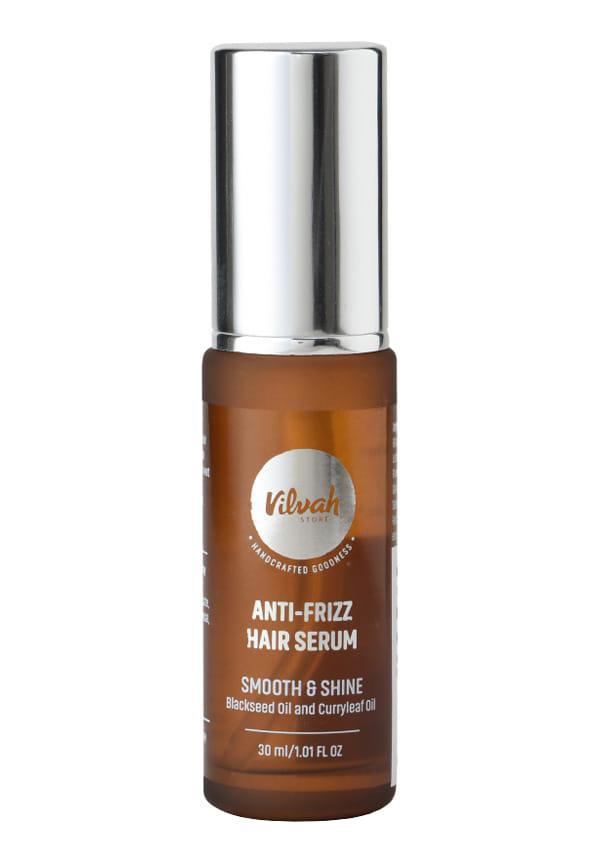 30 ml
30 mlAnti-Frizz Hair Serum
Ever wondered why your hair looks like you've been struck by lightning, even after using that expensive anti-frizz serum? You're not alone. Nearly 70% of people struggle with frizzy hair at some point, and most are fighting the wrong battle entirely. The real causes of frizzy hair go way deeper than just humidity or using the wrong shampoo. From shocking daily habits to invisible environmental factors, there are seven surprising culprits behind your hair's rebellion. Let's dive into the science and uncover what's really making your locks go wild—plus, discover solutions that actually work.
Your hair isn't just being dramatic—there's actual science behind why it decides to go rogue. Each strand of hair has a protective outer layer called the cuticle, made up of overlapping scales. When these scales lie flat, your hair looks smooth and shiny. But when they lift up? That's when frizz strikes. Here's where it gets interesting: what makes hair frizzy is essentially a moisture imbalance. When your hair cuticles are damaged or lifted, they let moisture escape from inside the hair shaft whilst simultaneously absorbing moisture from the air around you. This creates an uneven texture that we see as frizz.
Damaged hair acts like a sponge, desperately trying to balance its moisture levels. When humidity hits, your hair absorbs water from the air, causing the hair shaft to swell unevenly. This is why dry hair causes frizz—it's constantly seeking moisture to replace what it's lost.
Most haircare advice focuses on managing frizz after it happens, rather than addressing the root causes. That's like putting a plaster on a leaky pipe instead of fixing the actual hole.
Here's a shocker: that steamy, relaxing shower you love is probably your hair's worst enemy. Hot water strips away your hair's natural protective oils (sebum), leaving the cuticles vulnerable and prone to lifting. Think of it like removing the waterproof coating from a jacket—suddenly, everything gets in. When you wash with hot water, you're essentially opening up the hair cuticles, making them more susceptible to damage and moisture loss. This creates the perfect storm for frizz formation. The temperature shock also causes the hair shaft to expand and contract, leading to structural weakness over time.
The ideal water temperature for washing hair is lukewarm—around 37°C. This is warm enough to cleanse effectively without causing cuticle damage. For an extra frizz-fighting boost, finish with a cool rinse to seal the cuticles shut.
Start by gradually reducing your water temperature over a week. Your hair (and skin) will thank you. Consider investing in a shower thermometer if you're unsure about the temperature. These simple frizzy hair solutions can make a massive difference in your hair's texture and manageability.
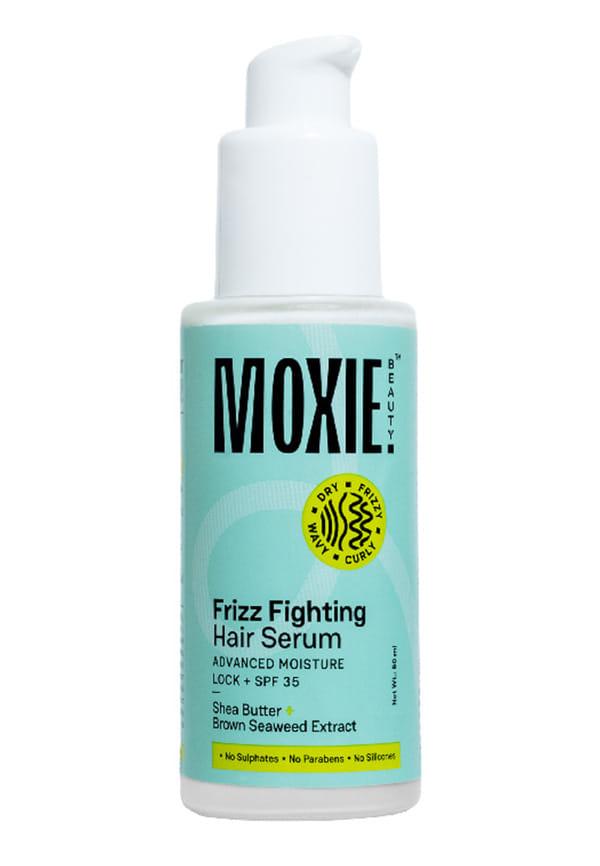 50ml
50mlFrizz Fighting Hair Serum For Dry and Frizzy Hair
That gorgeous hair colour or relaxing treatment might be the hidden culprit behind your frizz woes. Chemical processes like colouring, bleaching, perming, and straightening all work by breaking down the hair's natural structure. Whilst they give you the look you want, they also compromise your hair's integrity. Damaged hair frizz is particularly stubborn because the chemical processes create permanent changes to the hair shaft. The cuticles become more porous, and the internal structure weakens, making it harder for your hair to retain moisture and maintain its shape.
Each chemical treatment builds on the previous damage. Even if you space out your appointments, the effects accumulate over time. Hair that's been repeatedly processed becomes increasingly fragile and prone to frizz.
If you love your chemical treatments, focus on intensive conditioning and protein treatments between appointments. Look for products containing keratin, which can help temporarily fill in damaged areas of the hair shaft. These hair frizz remedies won't reverse damage but can significantly improve manageability.
Your fluffy cotton towel might feel luxurious, but it's creating microscopic damage every time you dry your hair. The rough texture of traditional towels causes friction against the hair cuticles, lifting them and creating the perfect conditions for frizz. When you vigorously rub your hair with a towel, you're essentially roughing up the cuticle surface. This mechanical damage is cumulative—each drying session adds to the problem. The result? Hair that becomes increasingly difficult to manage and prone to frizz.
Microfibre towels or even a cotton t-shirt can dramatically reduce friction damage. The smoother surface glides over hair without catching on the cuticles. This simple switch is one of the most effective ways to tame frizzy hair without spending a fortune on products.
Instead of rubbing, gently press or squeeze water from your hair. Work from the roots down to the ends, following the direction of the cuticles. These frizz control tips might seem small, but they make a huge difference in your hair's overall health and appearance.
Your hair faces a daily battle against environmental aggressors that you probably don't even think about. UV radiation breaks down the protein structure of your hair, weakening the cuticles and making them more prone to lifting. It's like getting a sunburn, but for your hair. Pollution particles settle on your hair and scalp, creating a film that can interfere with moisture balance. These tiny particles can also cause oxidative stress, leading to structural damage over time. Urban dwellers often notice their hair becoming more unmanageable due to higher pollution levels.
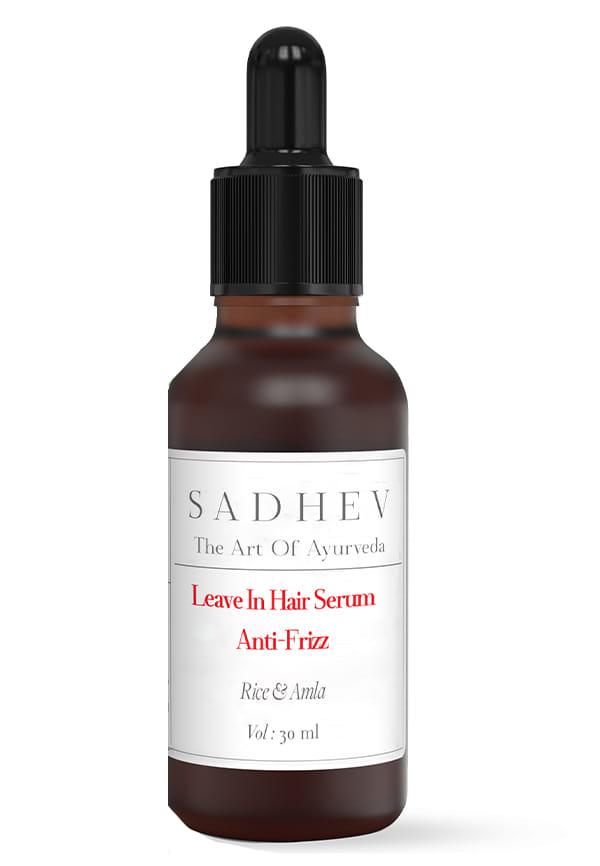 30ml
30mlLeave-In Hair Serum - Anti-Frizz
Humidity and hair have a complex relationship. When the air is humid, damaged hair tries to equalise moisture levels by absorbing water from the environment. This causes the hair shaft to swell unevenly, resulting in frizz and loss of style.
Winter heating systems dry out the air, whilst summer humidity creates different challenges. Your hair needs different care strategies throughout the year to maintain optimal moisture balance.
Some people are simply more prone to frizz due to their natural hair structure. Curly and wavy hair types have an elliptical cross-section, which makes it harder for natural oils to travel down the hair shaft. This inherent dryness makes these hair types more susceptible to frizz. As we age, our hair naturally becomes drier and more fragile. Hormonal changes, particularly during menopause, can alter hair texture and increase frizz tendencies. The hair follicles also produce less sebum over time, reducing the hair's natural protection.
Understanding your hair's natural tendencies helps you choose the right haircare for frizzy hair. Instead of fighting against your hair's nature, work with it by choosing products and techniques that support your specific hair structure.
Too much of a good thing can backfire spectacularly when it comes to haircare. Product buildup from styling products, conditioners, and treatments can weigh down your hair and interfere with moisture balance. This creates an environment where frizz thrives. Many people also use products that aren't suited to their hair type or damage level. Heavy oils on fine hair or lightweight products on severely damaged hair won't provide the right level of care. Understanding your hair's specific needs is crucial for effective frizz management.
Regular clarifying treatments help remove buildup and reset your hair's condition. Look for gentle clarifying shampoos that won't strip your hair completely. Follow up with deep conditioning to restore moisture balance.
Your internal health directly impacts your hair's condition. Chronic stress affects hormone levels, which can alter hair texture and increase frizz. Nutritional deficiencies, particularly in proteins, vitamins, and essential fatty acids, can weaken hair structure from the inside out. Dehydration also plays a role—if your body isn't getting enough water, your hair won't either. This internal dryness contributes to external frizz problems.
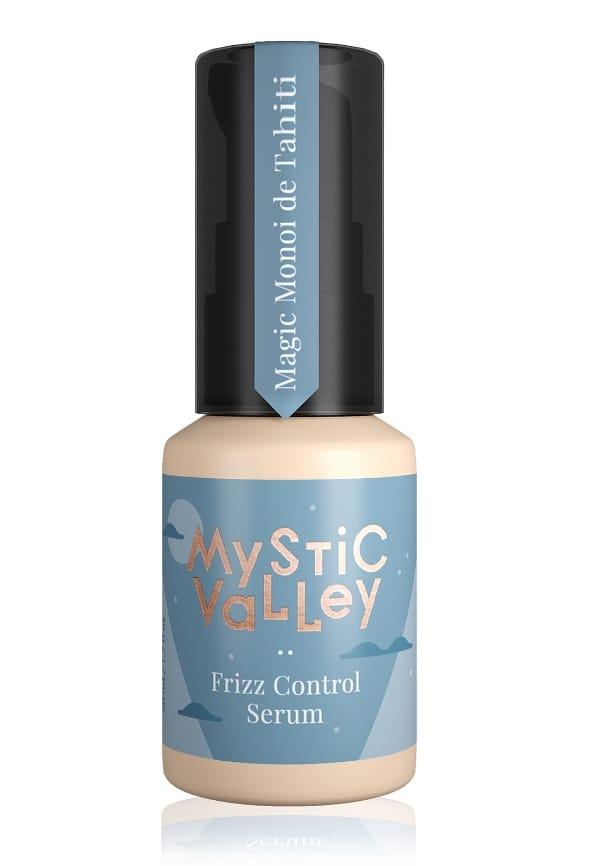 50 ml
50 mlMonoi Oil Frizz Control Hair Serum
Addressing frizz sometimes means looking beyond topical treatments. Ensuring adequate nutrition, hydration, and stress management can significantly improve your hair's overall condition and reduce frizz tendencies.
When it comes to managing frizz, you've got options ranging from professional salon treatments to DIY remedies you can whip up at home. Professional keratin treatments and deep conditioning services can provide temporary structural improvements, whilst regular trims remove damaged ends that contribute to frizz. Anti frizz products with ingredients like silicones, proteins, and humectants can help manage frizz on a daily basis. Look for products that match your hair's porosity level—low porosity hair needs lighter formulations, whilst high porosity hair benefits from heavier, more nourishing products. Smytten's platform makes it easier to discover what works for your specific hair type without the commitment of full-size purchases. With trial packs from trusted haircare brands, you can experiment with different frizzy hair solutions until you find your perfect match. This approach saves money and prevents the frustration of buying products that don't work for your hair.
Start by identifying which of these seven causes most likely applies to your situation. Most people have multiple contributing factors, so don't expect overnight miracles. Begin with the easiest changes—adjusting your shower temperature and switching to a microfibre towel—before investing in new products. Keep a hair diary for two weeks, noting what you use and how your hair responds. This helps identify patterns and triggers specific to your hair. Remember, consistency is key when it comes to frizz control tips—sporadic efforts won't give you the results you're after.
Start by addressing the root causes: use lukewarm water when washing, switch to a microfibre towel, protect your hair from environmental damage, and choose products suited to your hair type. Consistency with a proper routine typically shows results within 2-4 weeks.
Deficiencies in biotin, vitamin D, iron, and omega-3 fatty acids can all contribute to hair texture problems including frizz. A balanced diet with adequate protein is essential for healthy hair structure.
Frizzy hair isn't necessarily unhealthy, but it often indicates damage to the hair cuticle or moisture imbalance. Some people naturally have more textured hair that appears frizzy but is perfectly healthy.
Whilst you can't permanently change your hair's natural texture, you can significantly reduce frizz by addressing damage and maintaining proper moisture balance. Professional treatments can provide longer-lasting results.
Understanding the real causes of frizzy hair is the first step towards achieving the smooth, manageable hair you want. From simple changes like adjusting your shower temperature to more comprehensive approaches involving product selection and environmental protection, there are multiple ways to tackle frizz effectively. The key is patience and consistency. Your hair didn't become frizzy overnight, and it won't transform immediately either. But with the right approach and products suited to your specific needs, you can significantly improve your hair's texture and manageability. Remember, the goal isn't to fight against your hair's natural characteristics, but to work with them to achieve the best possible results.
