7 Shocking Causes of Dandruff You Never Knew

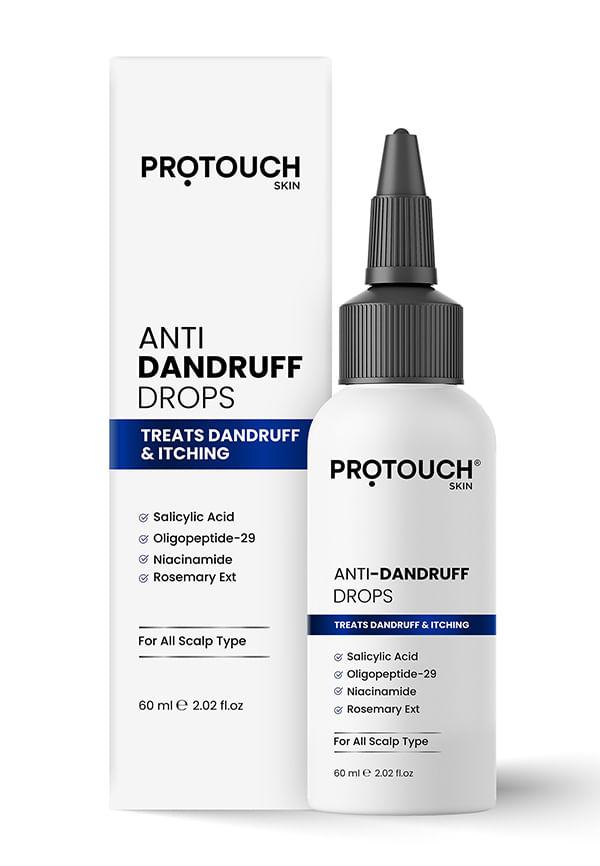 60 ml
60 mlSKIN Anti Dandruff Drops Serum Soothes Itchy, Inflamed Scalp
Those white flakes on your shoulders aren't just a cosmetic issue—they're your scalp's way of sending an SOS signal. While nearly half of all adults deal with dandruff at some point, most of us are pointing fingers at the wrong culprits. Sure, you've heard about dry scalp and maybe even know about that pesky fungus, but what if we told you that your vitamin levels, sleep habits, and even your stress levels could be the real troublemakers? Understanding what causes dandruff scalp issues goes way beyond the surface-level explanations you'll find in most haircare guides. Let's dive into the surprising science behind those flakes and uncover the shocking triggers that might be sabotaging your scalp health.
Before we get into the jaw-dropping dandruff causes you never saw coming, let's talk about what's actually happening up there. Your scalp is basically a bustling ecosystem where a tiny fungus called Malassezia lives rent-free on everyone's head. Most of the time, this little guy minds its own business, but when conditions get just right (or wrong, depending on how you look at it), it goes into overdrive. Here's where it gets interesting: Malassezia feeds on the natural oils your scalp produces. When your sebum production ramps up—whether from hormones, stress, or other factors—this fungus throws a proper party. The result? Your skin cells start regenerating faster than a trending TikTok dance, leading to that telltale scalp flaking we all know and hate. Most scalp conditions aren't just about being "dirty" or having a dry scalp. In fact, dandruff often happens when your scalp is producing too much oil, not too little. This creates the perfect storm for various scalp conditions, from mild flaking to full-blown seborrheic dermatitis. The key is understanding that multiple factors can trigger this cascade, and some of them might genuinely shock you.
Real talk—when did you last think about your zinc levels? Probably never, but your scalp definitely has. One of the most overlooked dandruff causes is actually what's missing from your diet, not what you're putting on your head. Zinc deficiency is like kryptonite for your scalp health. This mineral plays a crucial role in regulating oil production and keeping inflammation in check. When you're running low, your scalp's natural balance goes haywire, creating the perfect environment for those flakes to flourish. Studies show that people with dandruff often have significantly lower zinc levels than those with healthy scalps. But zinc isn't the only nutritional culprit. B-vitamins, particularly B6 and biotin, are essential for healthy skin cell turnover. When you're deficient, your scalp cells don't regenerate properly, leading to that characteristic flaky scalp situation. It's like your scalp is trying to shed its old skin but doesn't have the right tools to do it smoothly. Vitamin D deficiency is another sneaky trigger that most people never consider. This sunshine vitamin doesn't just keep your bones happy—it's crucial for immune system function. When your immune system is compromised, it can't keep the Malassezia fungus in check, leading to overgrowth and inflammation. The fix? Consider getting a blood test to check your levels, especially if you've tried every dandruff treatment under the sun with no luck. Sometimes the solution isn't in a bottle—it's on your plate.
Here's something that'll make you want to book that spa day immediately: stress is literally making your dandruff worse. When you're stressed, your body pumps out cortisol like it's going out of style, and this hormone has some seriously unwelcome effects on your scalp. Cortisol cranks up your oil production, giving that Malassezia fungus an all-you-can-eat buffet. But that's not even the worst part. Chronic stress also weakens your immune system, making it harder for your body to keep fungal overgrowth under control. It's like your scalp's natural defence system is taking an extended coffee break. The connection between stress and seborrheic dermatitis is so strong that dermatologists often see flare-ups during exam periods, job changes, or major life events. Your itchy scalp causes might literally be traced back to that presentation you've been dreading or the family drama that's been keeping you up at night. Anxiety adds another layer to this mess. When you're anxious, you might find yourself touching or scratching your scalp more often, which can irritate the skin and make flaking worse. It's a vicious cycle where stress causes dandruff, dandruff causes more stress about your appearance, and round and round we go. The good news? Managing stress can genuinely improve your scalp health. Whether it's meditation, exercise, or just taking time to breathe, your scalp will thank you for finding healthy ways to cope.
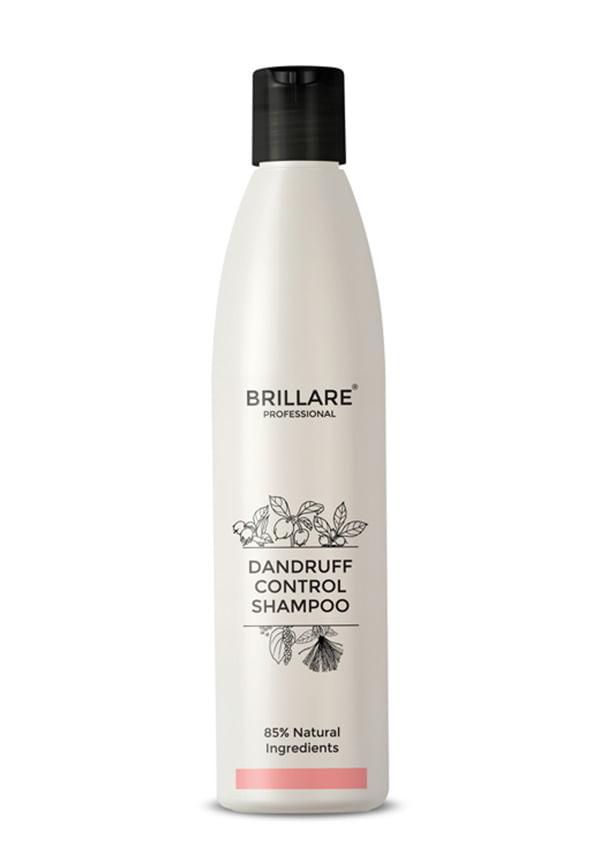 300 ml
Dandruff Control Shampoo For Itchy, Flaky Scalp
Plot twist: the products you're using to make your hair look amazing might be the very things causing your scalp to revolt. This is one of those dandruff causes that feels particularly unfair, but hear us out. Sulfates, those foaming agents that make your shampoo feel so satisfying, can be absolute villains for sensitive scalps. They strip away natural oils so aggressively that your scalp goes into panic mode, overproducing sebum to compensate. This creates the oily environment that Malassezia loves, leading to more scalp flaking than a snow globe in an earthquake. Silicones are another sneaky culprit. While they make your hair feel silky smooth, they can build up on your scalp over time, creating a barrier that prevents proper cleansing and traps moisture. This creates the perfect breeding ground for fungal overgrowth and can make even the best dandruff treatment less effective. Then there's the pH factor that most people never consider. Your scalp naturally sits at a slightly acidic pH of around 5.5, but many haircare products are alkaline. This pH imbalance can disrupt your scalp's natural protective barrier, making it more susceptible to irritation and flaking. Here's your action plan: look for sulfate-free shampoos, avoid products with heavy silicones (anything ending in -cone or -xane), and consider using a clarifying treatment once a week to remove buildup. Your scalp needs to breathe, not suffocate under layers of product residue.
Your scalp is basically a weather station that's constantly trying to adapt to environmental changes, and sometimes it gets a bit overwhelmed. This is one of those dry scalp triggers that makes perfect sense once you think about it, but most people never make the connection. Humidity fluctuations mess with your scalp's natural oil production in ways that would make your head spin (pun intended). When humidity drops suddenly, your scalp can go into overdrive trying to compensate for moisture loss. Conversely, high humidity can make your scalp produce excess oil, feeding that troublesome Malassezia fungus. Indoor heating during winter months is particularly brutal. It sucks moisture out of the air and, by extension, your scalp. This creates the perfect storm for flaky scalp remedies to become your best friend. The dry air makes your scalp produce more oil to protect itself, but this often backfires spectacularly. Seasonal hormonal changes also play a role that most people don't realise. Your body's hormone levels naturally fluctuate with the seasons, affecting everything from your mood to your skin health. These changes can trigger scalp conditions that seem to appear out of nowhere. The solution? Invest in a humidifier for your bedroom, especially during winter months. Consider switching to gentler, more moisturising haircare products when the weather changes, and don't be surprised if your scalp needs different care in different seasons.
Here's something that'll make you want to change your pillowcase immediately: your sleep habits might be creating a five-star resort for dandruff-causing fungi. This is one of those itchy scalp causes that sounds bizarre but makes total sense when you dig into the science. Your pillowcase is basically a petri dish for bacteria and fungi if you're not washing it regularly. Every night, you're transferring oils, dead skin cells, and potentially harmful microorganisms from your scalp to your pillow, only to rub your face in it again the next night. It's like giving Malassezia a cosy bed to multiply in. Sleep position matters more than you'd think. If you're a side sleeper who always favours one side, that part of your scalp might be getting less air circulation, creating a warm, moist environment that fungi absolutely love. This can lead to localised scalp conditions that seem to appear randomly. Night sweating is another factor that creates the perfect breeding ground for fungal overgrowth. If you tend to get hot while sleeping, the moisture retention around your scalp can trigger flare-ups. This is especially common for people who sleep with their hair in tight styles or under heavy bedding. The fix is surprisingly simple: wash your pillowcases at least twice a week in hot water, consider switching to silk or bamboo pillowcases that are naturally antimicrobial, and try to keep your scalp cool and dry while sleeping. Sometimes the best dandruff treatment starts with better sleep hygiene.
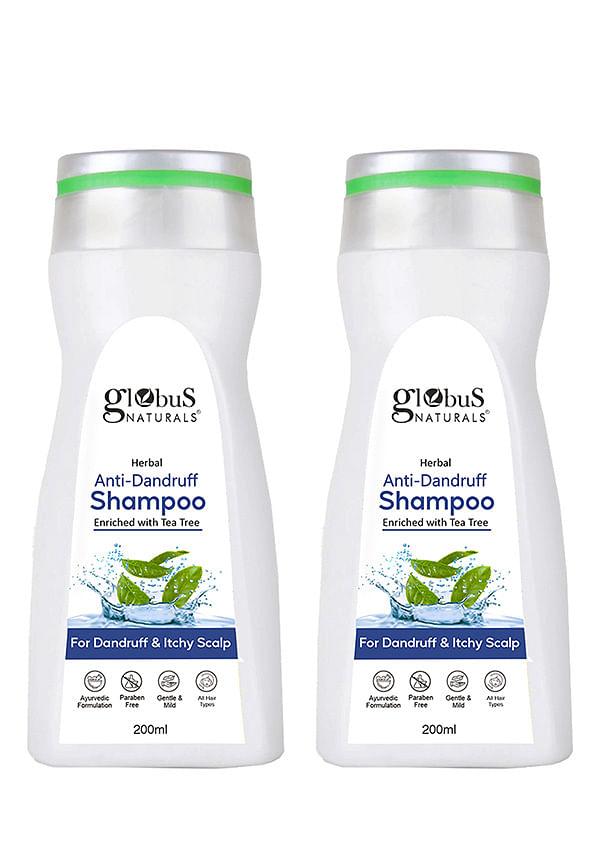 200 ml*2
Anti Dandruff Shampoo, For Dandruff and Itchy Scalp
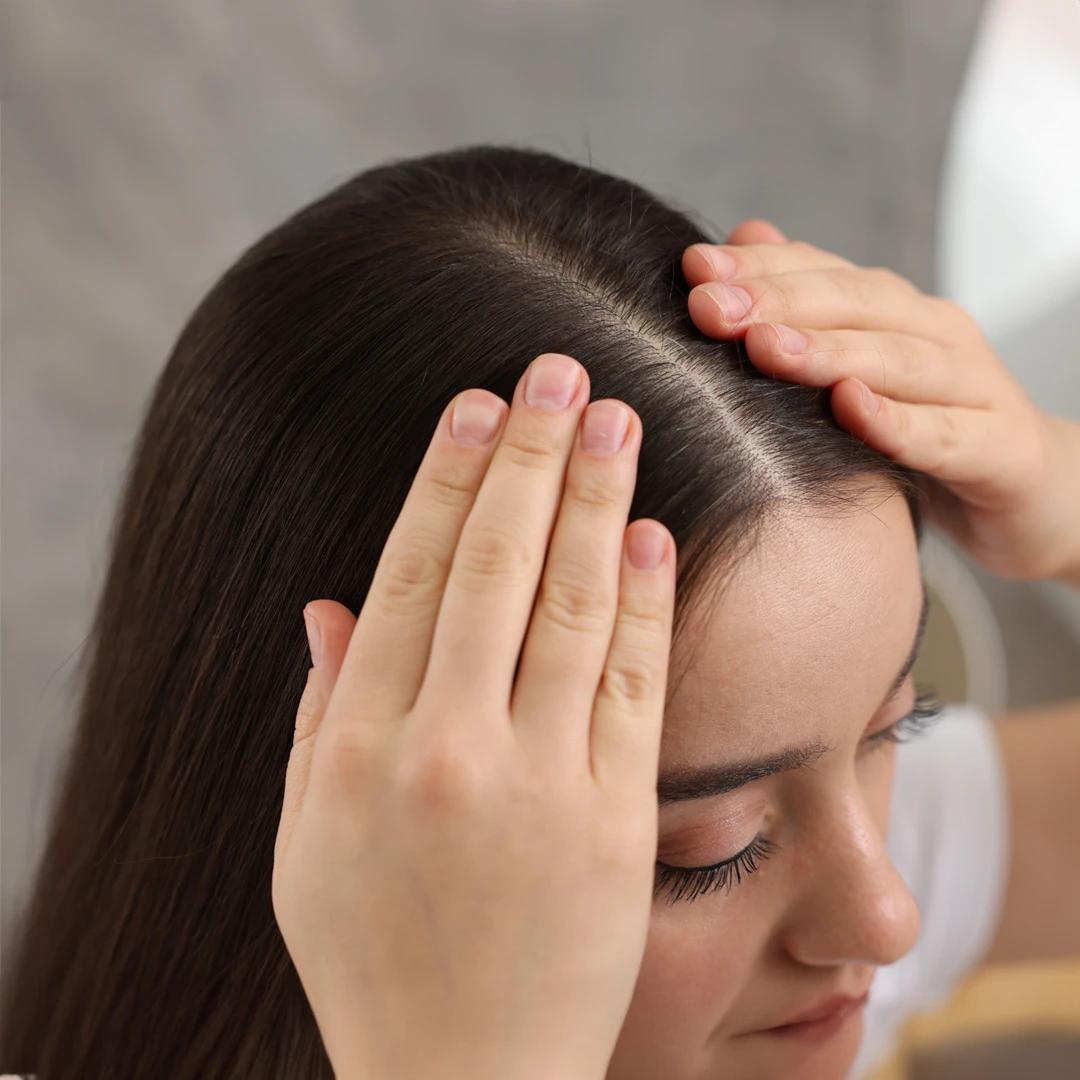
Now that we've uncovered these shocking dandruff causes, let's talk about how to get rid of dandruff for good. The key is matching your treatment to the underlying cause, not just throwing random products at the problem and hoping something sticks. For fungal overgrowth, antifungal ingredients are your best friends. Look for shampoos containing ketoconazole, selenium sulfide, or zinc pyrithione. These ingredients specifically target the Malassezia fungus that's causing the chaos. Tea tree oil is also brilliant for its natural antifungal properties, though it can be a bit intense for sensitive scalps. If your dandruff is more about inflammation and seborrheic dermatitis, salicylic acid can help by gently exfoliating dead skin cells and reducing inflammation. Coal tar might sound scary, but it's actually incredibly effective for stubborn cases—it slows down skin cell production and has anti-inflammatory properties. For those dealing with stress-related dandruff, incorporating scalp massage into your routine can work wonders. It improves circulation, helps distribute natural oils, and provides stress relief all in one go. Use gentle circular motions with your fingertips, not your nails. Natural remedies can be surprisingly effective too. Apple cider vinegar helps restore your scalp's natural pH balance, while aloe vera provides soothing anti-inflammatory benefits. Coconut oil has natural antifungal properties, though it can be too heavy for some scalp types. The most important thing to remember is consistency. Dandruff treatment isn't a one-and-done situation—it requires ongoing maintenance. Most antifungal shampoos need to be used 2-3 times per week initially, then scaled back to once or twice weekly for maintenance. With platforms like Smytten, you can actually try different dandruff treatments without committing to full-size products. This is particularly helpful since what works for one person's scalp might not work for another's. Being able to test various formulations through trial packs can save you both money and frustration while finding your perfect match.
The primary cause is an overgrowth of Malassezia fungus on your scalp, which feeds on natural oils and causes skin cells to shed faster than normal. However, various factors like stress, vitamin deficiencies, and product buildup can trigger this overgrowth.
Start by identifying the underlying cause—whether it's fungal overgrowth, stress, nutritional deficiencies, or product buildup. Use targeted treatments like antifungal shampoos, address any vitamin deficiencies, manage stress levels, and ensure proper scalp hygiene.
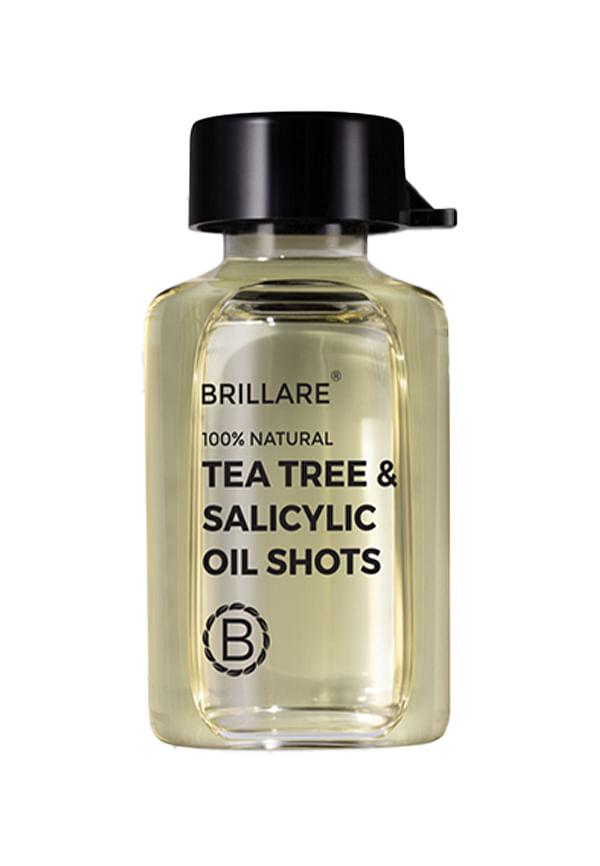 8*6 ml
Tea Tree & Salicylic Oil Shots For Dry, Itchy Scalp to Fights Dandruff
While there's no instant cure, using an antifungal shampoo with ketoconazole or selenium sulfide 2-3 times per week can show results within 2-4 weeks. Gentle scalp exfoliation with salicylic acid can also help remove existing flakes faster.
Dandruff can be effectively managed and controlled, but since it's often related to ongoing factors like genetics, stress, or hormonal changes, it may require long-term maintenance rather than a permanent "cure."
No, dandruff itself isn't contagious. While the Malassezia fungus exists on everyone's scalp naturally, dandruff occurs due to individual factors like genetics, oil production, and immune response.
Winter's dry air and indoor heating can disrupt your scalp's moisture balance, leading to increased oil production. The lack of humidity can also make existing flakes more noticeable and cause additional scalp irritation.
Those pesky white flakes aren't just a surface-level problem—they're often symptoms of deeper issues that most people never consider. From vitamin deficiencies to stress hormones, sleep habits to weather changes, understanding what causes dandruff scalp issues requires looking beyond the obvious culprits. The good news is that once you identify the real triggers, treating dandruff becomes much more straightforward. Whether it's adjusting your diet, managing stress better, switching up your haircare routine, or simply changing your pillowcase more often, small changes can make a massive difference. Remember, finding the right dandruff treatment often involves some trial and error. What works brilliantly for your friend might not be your scalp's cup of tea, and that's completely normal. The key is being patient with the process and addressing the root causes rather than just masking the symptoms. Your scalp—and your confidence—will thank you for taking the time to get to the bottom of those flakes once and for all.
