7 Secrets to Measure Your Monthly Hair Growth

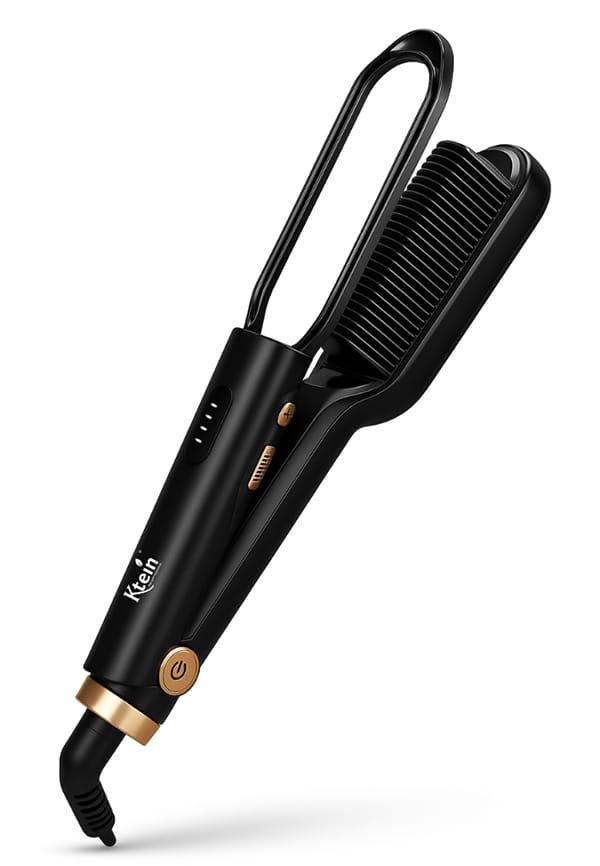
Professional Hair Straightener Comb Brush for Women
Ever wondered exactly how much your hair grows each month? You're not alone! Many people find themselves obsessing over measuring hair length increase, especially when they're on a hair growth journey. The average hair growth rate sits at about 1.25 cm per month, but here's the thing—everyone's different. Factors affecting hair growth can make your mane grow faster or slower than this baseline. Whether you're trying to bounce back from a dodgy haircut or simply curious about your hair's progress, knowing how to properly track your monthly growth is a total game-changer. Let's dive into the secrets that'll help you become a pro at measuring your hair's monthly progress.
Before you start measuring, it's worth knowing what's actually happening up there. Your hair doesn't just grow randomly—it follows a pretty organised system called the hair growth cycle. Understanding this cycle helps explain why some months your hair might seem to grow loads, while other times it feels like it's barely budged.
Your hair goes through three main phases: • Anagen phase: The active growth phase where your hair is actually growing. This lasts 2-6 years for most people • Catagen phase: A short transition period lasting about 2-3 weeks where growth slows down • Telogen phase: The resting phase where hair stops growing and eventually falls out, lasting around 3 months
Lots of things can influence how fast your hair grows: • Age: Hair growth typically slows as you get older • Genetics: Your family's hair genes play a huge role • Nutrition: What you eat directly impacts hair health • Hormones: Changes in hormones can speed up or slow down growth • Stress levels: High stress can actually pause hair growth
Here's where most people go wrong—they measure inconsistently. To get accurate results, you need to be super methodical about your approach. The key is picking the same spots on your head each time and measuring in exactly the same way.
Gather these basics before you start: • A ruler or measuring tape (preferably in centimetres) • Hair clips to section your hair • Your phone camera to document progress • A notebook or app to record measurements
Start by washing and completely drying your hair. Choose three reference points: the crown, behind your ears, and the nape of your neck. Use clips to separate small sections of hair from each area. Gently stretch each section straight down and measure from the scalp to the tip. Take photos from the same angles each time—this visual record is honestly invaluable for tracking progress.
One measurement means nothing. Consistency is everything when it comes to measuring hair length increase accurately. You need to track your progress over several months to spot genuine patterns and growth trends.

Grooming Combfor Men and Women, Small (1279)
Set up a simple system to log your measurements. Note the date, measurement for each section, and any changes to your hair care routine for growth. Also jot down lifestyle factors like stress levels, diet changes, or new products you're trying. This data becomes super useful for spotting what actually works for your hair.
Several apps can help you stay organised with your measurements. Look for ones that let you add photos alongside numerical data. Some even create graphs showing your progress over time, which is pretty motivating when you can see that upward trend.
Your daily haircare habits can make or break your measurement accuracy. Damaged hair breaks off, making it seem like growth has stalled. A solid routine protects your length and gives you more accurate readings month after month.
Wash your hair 2-3 times per week max to avoid stripping natural oils. Use lukewarm water instead of hot, and always follow up with a moisturising conditioner. Focus the conditioner on your mid-lengths and ends—these are the oldest parts of your hair and need the most protection.
Loose braids, low buns, and silk scarves are your friends. Tight hairstyles can cause breakage that'll mess with your measurements. Sleep on a silk pillowcase or use a silk scarf to reduce friction. These small changes add up to better length retention over time.
What you eat directly impacts how fast your hair grows. Your hair follicles are some of the most active cells in your body, so they need proper fuel to function at their best. Getting your nutrition for hair growth sorted can genuinely boost your monthly measurements.
Make sure you're getting enough of these key nutrients: • Protein: Hair is mostly protein, so aim for lean meats, eggs, or plant-based alternatives • Iron: Low iron can slow growth—include spinach, lentils, and red meat • Biotin: Found in nuts, seeds, and eggs • Vitamin D: Get some sunshine or consider supplements • Omega-3 fatty acids: Fish, walnuts, and flaxseeds are great sources
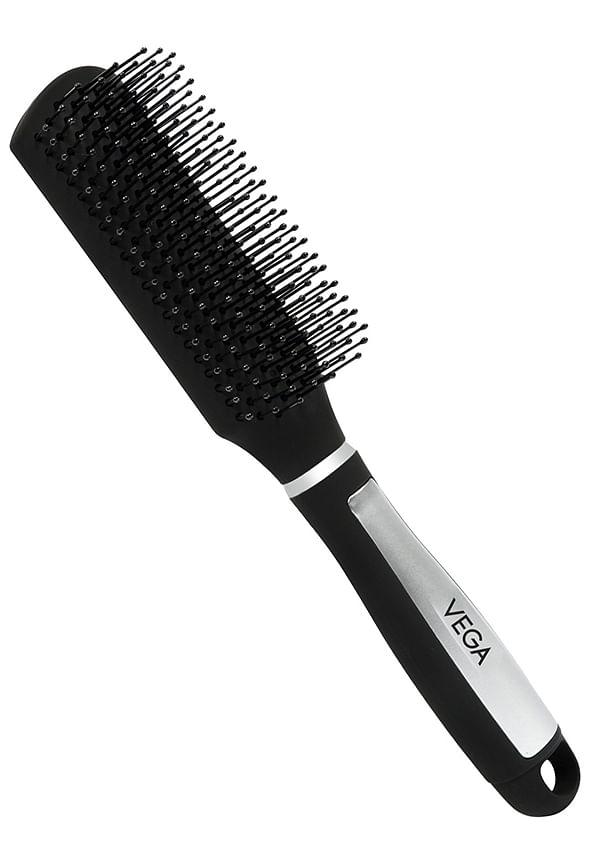
Flat Hair Brushfor Women and Men (E14-FB)
Honestly, supplements can help if you have deficiencies, but they're not magic pills. A balanced diet usually covers most bases. If you're considering hair growth supplements, chat with a healthcare professional first. They can test for deficiencies and recommend what might actually benefit you specifically.
Your scalp is literally the foundation for healthy hair growth. Poor scalp health and hair growth go hand in hand—if your scalp isn't happy, your hair won't reach its full potential. A healthy scalp creates the perfect environment for optimal growth rates.
Look out for these indicators: • No excessive itching or irritation • Minimal flaking or dandruff • Balanced oil production (not too oily or dry) • Good blood circulation (your scalp should feel warm to touch) • No unusual hair shedding
Give your scalp some love with regular gentle massages using your fingertips. This boosts blood flow to hair follicles. Use a clarifying shampoo once a month to remove product buildup. Consider scalp treatments with ingredients like tea tree oil or peppermint, which can stimulate circulation and promote a healthy environment for hair growth.
Real talk—stress is one of the biggest hair growth killers. When you're stressed, your body diverts energy away from non-essential functions like hair growth. Managing stress isn't just good for your mental health; it's crucial for maintaining consistent monthly hair growth measurements.
Find what works for you: • Regular exercise (even a 20-minute walk helps) • Meditation or mindfulness apps • Adequate sleep (7-9 hours is ideal) • Deep breathing exercises • Hobbies that help you unwind
Your mental wellbeing directly affects your physical health, including hair growth. Chronic stress can push hair follicles into the resting phase prematurely, leading to slower growth and increased shedding. Taking care of your mental health is genuinely one of the best things you can do for your hair.
Sometimes, despite your best efforts, hair growth might not meet expectations. Knowing when to consult a professional can save you months of frustration and help identify any underlying issues affecting your hair's growth potential.
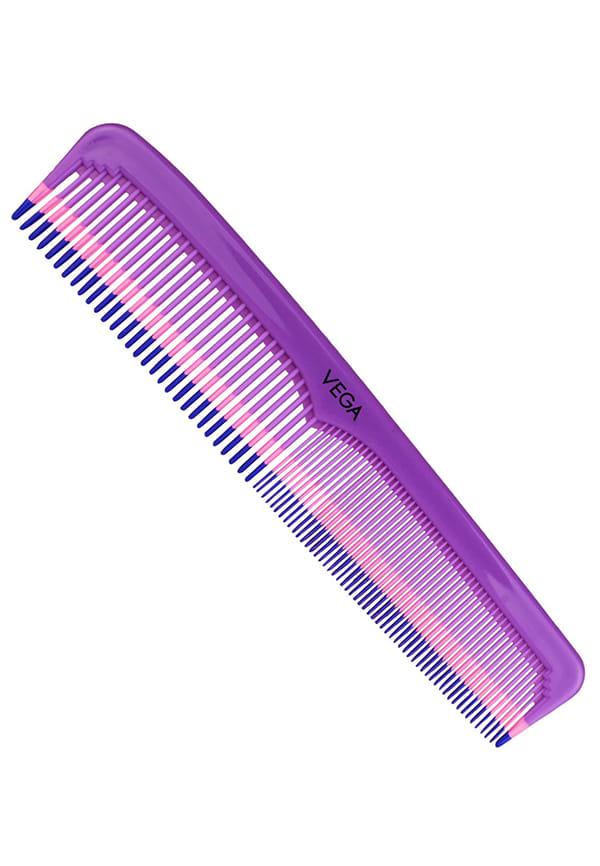
Grooming Combfor Men and Women, Large (1299)
Consider professional help if you notice: • Sudden increase in hair shedding • Patches of hair loss • Hair that's become noticeably thinner • Growth that's significantly slower than 0.5cm per month • Scalp conditions that don't improve with over-the-counter treatments
Trichologists and dermatologists use advanced tools like digital scalp analysis and hair density measurements. They can identify issues you might miss and recommend targeted treatments. Sometimes what seems like slow growth is actually breakage or an underlying condition that's totally treatable.
The average hair growth rate is about 1.25cm per month, though this can vary from 0.5cm to 1.5cm depending on individual factors like genetics, age, and overall health.
While you can't dramatically change your genetic growth rate, maintaining good scalp health, eating well, managing stress, and using proper haircare techniques can help you reach your hair's maximum growth potential.
Monthly measurements work best. Measuring more frequently won't show meaningful changes, while longer gaps make it harder to track progress and identify what's working.
Some people report faster growth in summer months, possibly due to increased blood circulation from warmer weather and more sunlight boosting vitamin D levels.
Tight hairstyles can cause breakage that makes growth appear slower. For accurate measurements, avoid styles that put tension on your hair and always measure with hair in its natural state.
Measuring your monthly hair growth isn't just about the numbers—it's about understanding your hair's unique patterns and what influences them. Consistency in measurement technique, proper nutrition, scalp health, stress management, and a solid haircare routine all play crucial roles in both promoting faster hair growth and getting accurate measurements. The journey to healthier, longer hair often involves trying different products to find what works best for your specific needs. That's where exploring curated haircare options becomes invaluable. Smytten is India's largest product discovery and trial platform, connecting consumers with top lifestyle, beauty, wellness, and grooming brands. At its core, Smytten offers curated trial packs - mini-sized products from over 1,500 trusted brands. This lets users explore and experience products before committing to full-size purchases. Each mini is linked with Trial Points, and users can get up to 8 minis for just ₹249. Plus, Smytten offers 100% cashback on the purchase of these minis, redeemable in the shop section for future orders, making product discovery both affordable and rewarding. Remember, healthy hair growth is a marathon, not a sprint. Stay consistent with your measurements, be patient with the process, and celebrate those small monthly gains. Your hair's telling its own story—these seven secrets just help you read it better.
