7 Scalp Cleansing Tricks for Healthier Hair

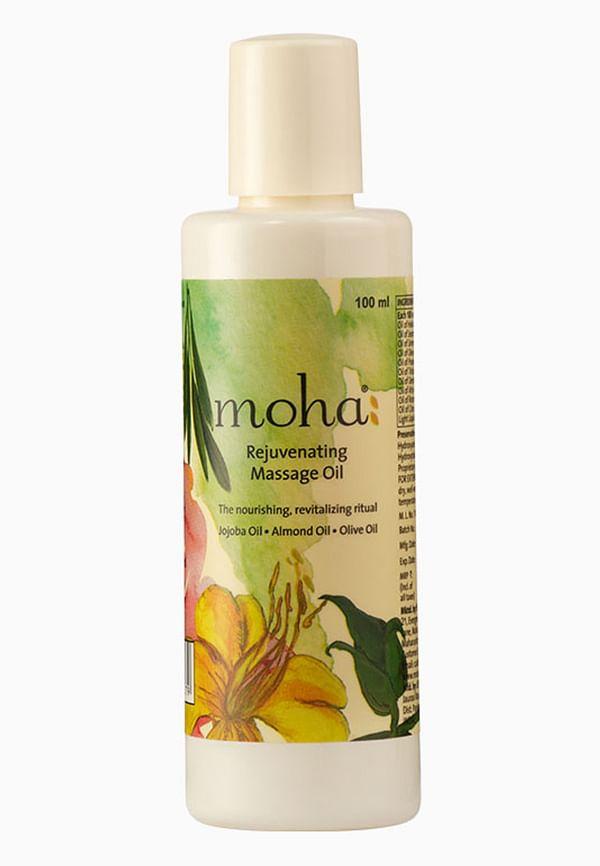 100 ml
Rejuvenating Massage Oil
Let's be real—when was the last time you gave your scalp the attention it deserves? Most of us focus on our hair lengths and ends, but the truth is, healthy hair starts at the roots. Your scalp is basically the soil for your hair garden, and if it's clogged with product buildup, excess oil, or dead skin cells, your hair won't thrive. Whether you're dealing with an itchy scalp, stubborn dandruff, or just want shinier, stronger hair, it's time to try scalp cleansing techniques that actually work. Think of it as a reset button for your entire haircare routine—and trust us, your hair will thank you for it.
Your scalp is skin, and just like the skin on your face, it needs proper cleansing to stay healthy. When you try scalp cleansing regularly, you're creating the perfect environment for hair growth. Here's why it matters more than you might think. A healthy scalp promotes better blood circulation, which means more nutrients reach your hair follicles. When buildup from styling products, dry shampoo, and natural oils clogs your pores, it can actually slow down hair growth and make your hair look dull. Plus, all that gunk can lead to inflammation, which is basically your scalp's way of saying it needs help.
Wondering if you need to step up your scalp game? Look out for these telltale signs: • Persistent itchiness that won't go away • Flaky skin or visible dandruff • Hair that feels greasy even after washing • Thinning hair or slower growth • Scalp that feels tight or uncomfortable • Product buildup that makes your hair look flat If any of these sound familiar, a proper hair follicle cleanse might be exactly what you need to get back on track.
Just like your skin type affects which face products work best, your scalp type determines which cleansing methods will give you the best results. Getting this right is crucial for an effective scalp care routine.
Here's where things get a bit confusing. Dry scalp and dandruff might look similar, but they need completely different approaches. Dry scalp happens when your skin doesn't produce enough natural oils, leading to small, white flakes and tightness. Dandruff, on the other hand, is usually caused by an overgrowth of yeast and creates larger, yellowish flakes that can be oily.
If your hair looks greasy within a day of washing, you've got an oily scalp. This happens when your sebaceous glands work overtime, often due to hormones, genetics, or overwashing (which can actually make the problem worse).
Think of scalp exfoliation as a facial for your head. It removes dead skin cells, unclogs hair follicles, and gives your scalp a fresh start. But here's the thing—you need to do it right to avoid irritation.
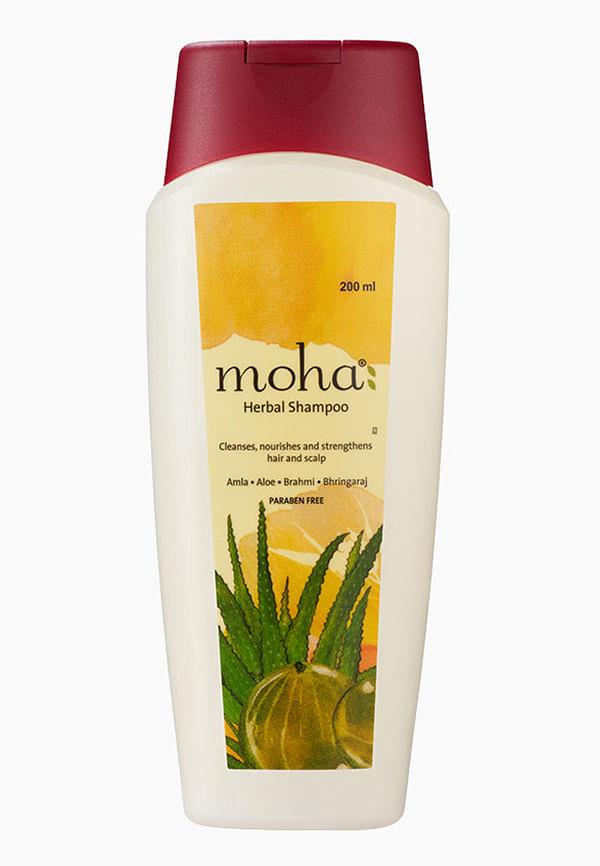 200 ml
Herbal Shampoo
You don't need fancy products to create an effective scalp scrub. Mix brown sugar with your regular shampoo for a gentle exfoliant, or try sea salt mixed with coconut oil for deeper cleansing. The key is using circular motions with your fingertips, not your nails.
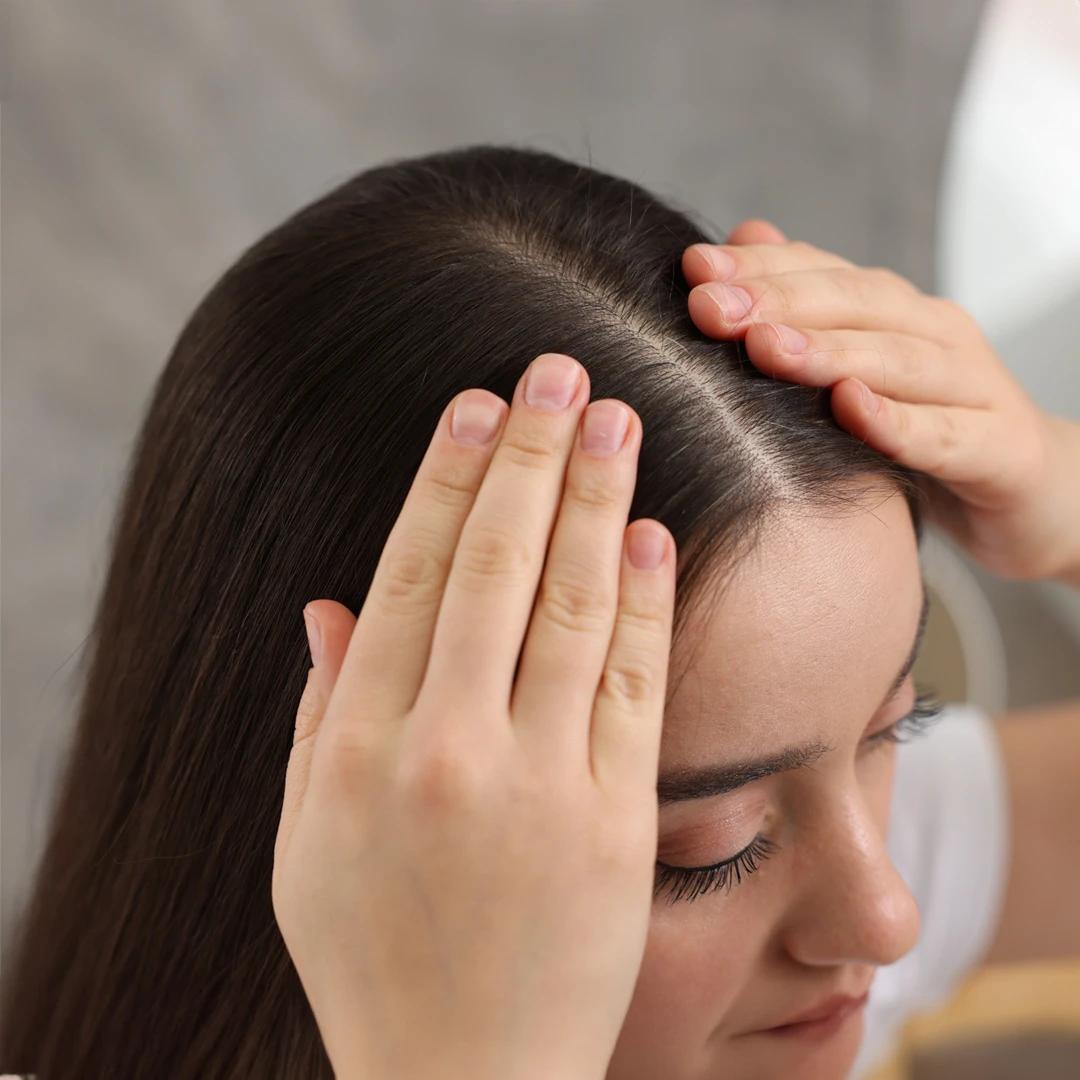
The scalp massage benefits go beyond just feeling amazing. Massaging increases blood flow to your hair follicles, which can promote growth and help distribute natural oils. Spend at least five minutes working your fingers across your entire scalp—your hair will love the extra attention.
A good clarifying shampoo is like a deep clean for your scalp. Unlike regular shampoos that focus on gentle daily cleansing, clarifying formulas are designed to strip away stubborn buildup and reset your scalp. Look for ingredients like salicylic acid for gentle exfoliation, or tea tree oil for its antimicrobial properties. If you're dealing with dandruff, zinc pyrithione or ketoconazole can be game-changers for dandruff treatment. Just remember—these are powerful ingredients, so start slowly and see how your scalp responds.
This depends on your hair type and lifestyle. If you use a lot of styling products or have oily hair, once a week might work well. For dry or chemically treated hair, once a month is probably enough. Listen to your scalp—it'll tell you what it needs.
Sometimes the best solutions are sitting right in your kitchen. Natural scalp detox methods can be incredibly effective, especially if you prefer gentler approaches or want to save some money.
This might sound counterintuitive, but oil can actually help cleanse your scalp. Coconut oil has antimicrobial properties that can help with fungal issues, while tea tree oil (always diluted!) can soothe irritation and reduce inflammation. Apply the oil to your scalp, massage gently, and let it sit for 20-30 minutes before shampooing.
ACV helps balance your scalp's pH and can dissolve product buildup. Mix one part apple cider vinegar with three parts water, pour it over your scalp after shampooing, and rinse thoroughly. It might smell a bit strong, but the results are worth it.
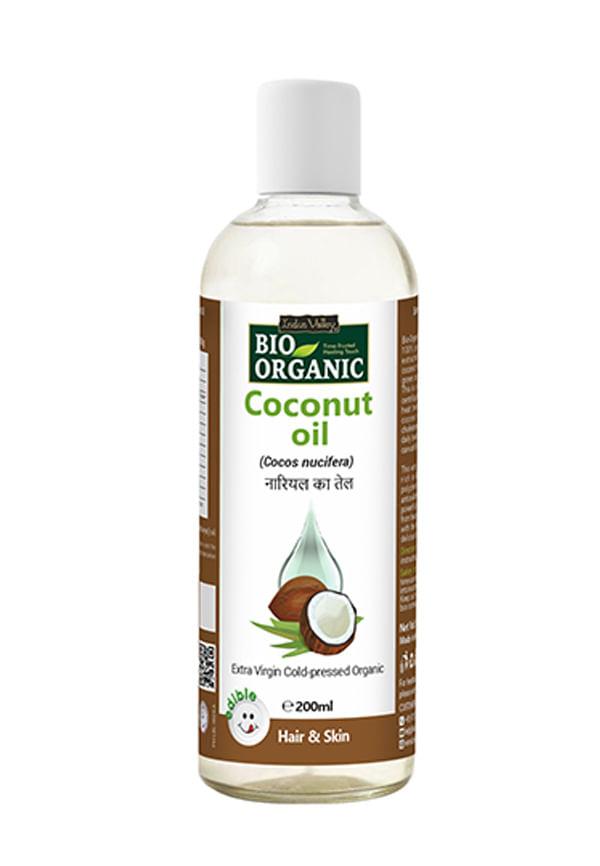 200 ml
Bio Organic Extra Virgin Coconut Oil
If your scalp is irritated or inflamed, pure aloe vera gel can provide instant relief. It's naturally anti-inflammatory and moisturising, making it perfect for sensitive scalps that need gentle care.
You don't need to book a salon appointment to get professional-level results. Some techniques used by professionals can be adapted for home use with the right approach.
Steaming opens up your pores and softens buildup, making it easier to cleanse thoroughly. You can create a DIY steam treatment by leaning over a bowl of hot water with a towel over your head, or simply let the steam from your shower do the work.
While most scalp issues can be managed at home, persistent problems like severe dandruff, hair loss, or painful inflammation might need professional attention. Don't hesitate to consult a dermatologist if your itchy scalp remedy attempts aren't working.
Consistency is key when it comes to scalp health. A good scalp care routine doesn't have to be complicated, but it should be regular and tailored to your specific needs. Start with a weekly deep cleanse using one of the methods above, then maintain with gentle daily care. Pre-cleanse with oil if your scalp is dry, or use a clarifying treatment if you have buildup. Always follow up with a moisturising conditioner on your lengths and ends.
After a thorough scalp cleanse, your scalp might be a bit sensitive. Use lukewarm water for rinsing, avoid harsh styling products for a day or two, and consider using a scalp serum or lightweight oil to maintain moisture balance.
What you do outside your bathroom routine matters just as much as the products you use. Your diet, stress levels, and even your pillowcase can affect your scalp health. Stay hydrated, eat foods rich in omega-3 fatty acids, and try to manage stress through exercise or meditation. Change your pillowcase regularly and avoid tight hairstyles that can irritate your scalp.
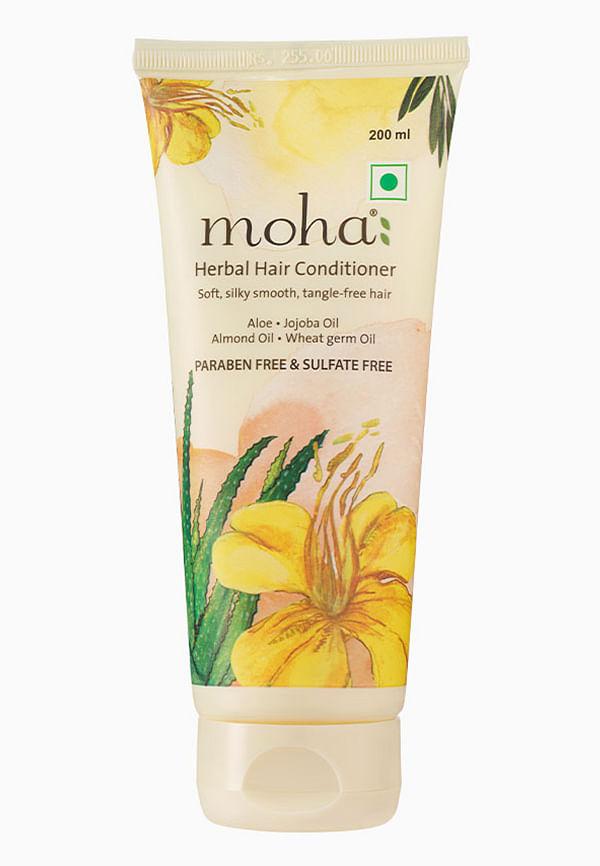 200 ml
Herbal Hair Conditioner
Your scalp's needs can change with the seasons, your hormones, or your lifestyle. What works in winter might not work in summer, and what worked in your twenties might need adjusting in your thirties. Pay attention to how your scalp responds to different treatments and don't be afraid to experiment. With platforms like Smytten, you can try different scalp care products without committing to full sizes, making it easier to find what works best for your unique needs.
It depends on your scalp type and concerns. For oily scalps or heavy product users, weekly treatments work well. Dry or sensitive scalps might only need deep cleansing once or twice a month.
While scalp exfoliation can't directly cause hair growth, it creates better conditions for healthy growth by removing buildup and improving circulation to hair follicles.
Gentle, natural options like aloe vera gel or diluted tea tree oil work well for sensitive scalps. Avoid harsh scrubs and opt for chemical exfoliants like salicylic acid instead.
Dandruff typically involves larger, oily flakes and persistent itching that doesn't improve with regular shampooing. If gentle cleansing doesn't help after a few weeks, you might need targeted dandruff treatment.
It's better to stick with scalp-specific products or gentle DIY scrubs. Face exfoliants might be too harsh or contain ingredients that aren't ideal for hair.
Taking care of your scalp doesn't have to be complicated, but it does need to be consistent. Whether you're dealing with specific issues like dandruff or just want healthier hair overall, these seven tricks give you plenty of options to try scalp cleansing methods that actually work. Remember, finding the right routine might take some experimentation. What works for your friend might not work for you, and that's completely normal. The key is listening to your scalp and adjusting your approach as needed. With Smytten's curated trial packs from trusted haircare brands, you can explore different scalp treatments and products without the commitment of full-size purchases. From gentle clarifying shampoos to nourishing scalp serums, you can discover what works best for your unique needs. After all, why settle for maybe when you can try it all and find your perfect scalp care routine?
