7 Proven Hair Growth Tips for Thin Hair Revealed
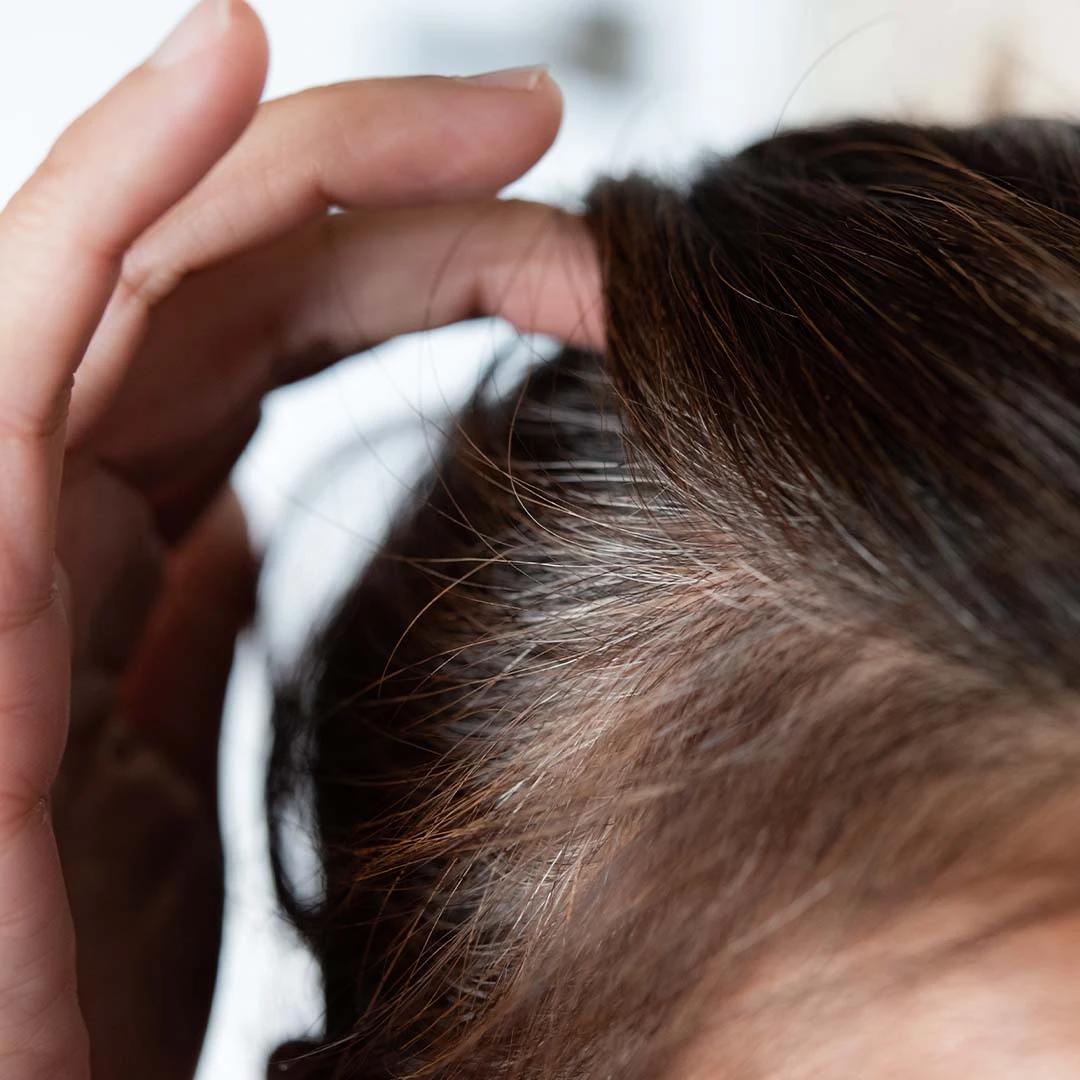

Dealing with thin hair can feel like a constant battle, especially when every styling attempt leaves you feeling frustrated. You're not alone in this struggle—millions of people worldwide face the challenge of fine hair that lacks volume and density. The good news? There are proven, science-backed strategies that can genuinely help promote hair growth and improve the appearance of thin hair. From optimising your diet to mastering gentle haircare techniques, these seven tips address the root causes of thinning hair rather than just masking the symptoms. Let's dive into what actually works.
Before jumping into solutions, it's worth understanding why hair becomes thin in the first place. This knowledge helps you target the right approach for your specific situation. The most common culprit is androgenetic alopecia, also known as hereditary hair loss. This affects both men and women and is triggered by sensitivity to dihydrotestosterone (DHT), a hormone that causes hair follicles to shrink over time. Hormonal imbalances, particularly involving thyroid function, can also disrupt normal hair growth cycles.
Nutritional deficiencies play a bigger role than most people realise. Iron deficiency is particularly common in women and can lead to significant hair loss. Stress-induced telogen effluvium is another major factor—when you're under chronic stress, your body pushes more hair follicles into the resting phase, leading to increased shedding.
Your hair follows a natural cycle with three phases: anagen (growth phase lasting 2-7 years), catagen (transition phase lasting 2-3 weeks), and telogen (resting phase lasting 2-3 months). When this cycle is disrupted, you might notice more hair in your brush or shower drain.
Your hair is essentially made of protein, so what you eat directly impacts its strength and growth. Think of your diet as the foundation for healthy hair—without proper nutrition, even the best topical treatments won't deliver optimal results. Protein is absolutely crucial since hair is primarily composed of keratin. Aim for high-quality sources like eggs, fish, lean meats, and plant-based options like lentils and quinoa. Iron deficiency is one of the most common nutritional causes of hair loss, particularly in women. Include iron-rich foods like spinach, beans, and pumpkin seeds in your daily meals.
Omega-3 fatty acids support scalp health and can help reduce inflammation that might be affecting your hair follicles. Flaxseeds, chia seeds, and walnuts are excellent sources. Biotin and B-vitamins support follicle function, though deficiencies are relatively rare if you eat a balanced diet.
High-sugar processed foods can spike insulin levels and potentially increase DHT production. Excessive alcohol consumption interferes with nutrient absorption, whilst foods high in mercury (like certain large fish) can contribute to hair loss when consumed regularly.
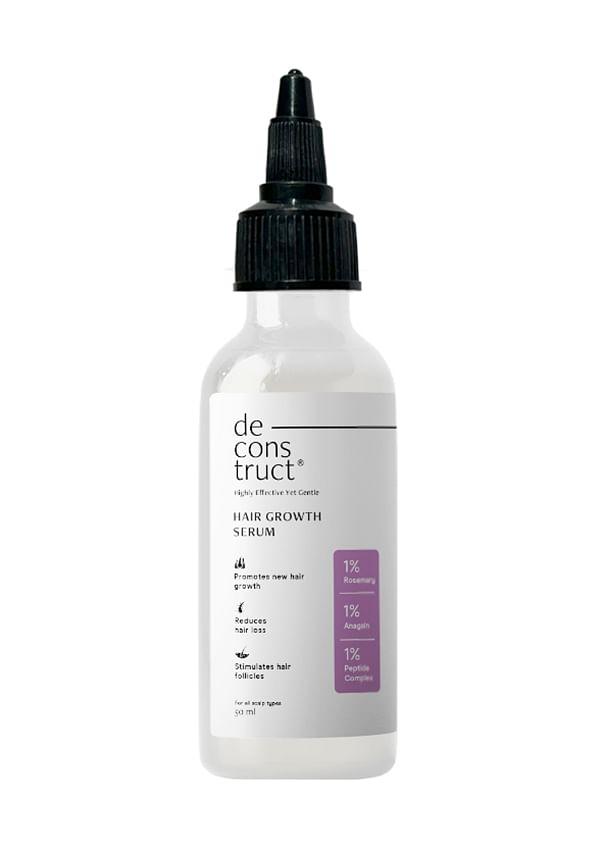 50 ml
50 mlHair Growth Serum
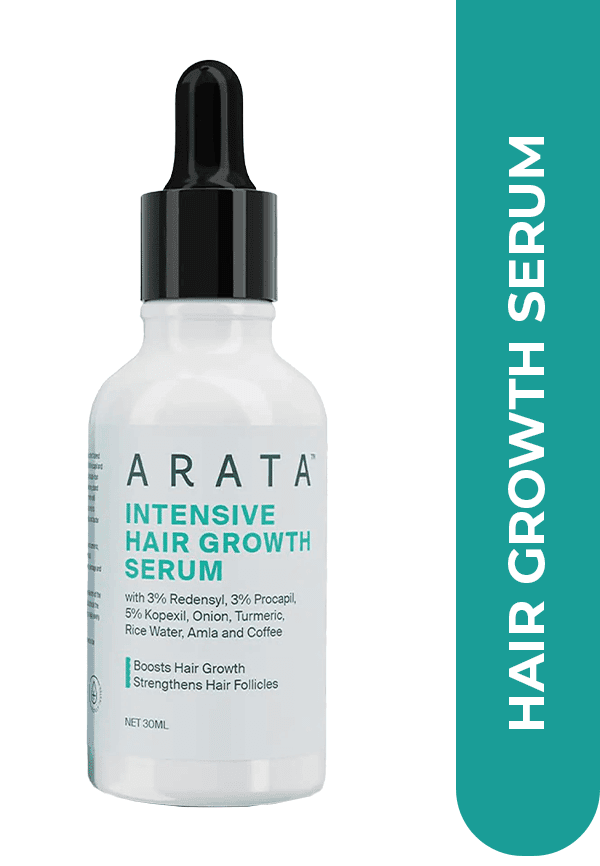 30 ml
30 mlIntensive Hair Growth Serum
When you're dealing with thin hair, every strand counts. Harsh handling can lead to unnecessary breakage, making your hair appear even thinner than it actually is. The key is treating your hair like delicate silk—gentle but effective. Start with how often you wash your hair. Contrary to popular belief, daily washing isn't necessarily bad for thin hair, especially if you use gentle, sulphate-free formulas. However, over-washing with harsh products can strip natural oils and weaken hair shafts.
Use lukewarm water instead of hot water, which can be drying and damaging. When towel-drying, gently press and squeeze rather than rubbing vigorously. Consider air-drying when possible, as heat styling can weaken already fragile hair strands.
Avoid tight ponytails, braids, and hair accessories that pull on your hair. When you do use heat styling tools, always apply a heat protectant first. Limit chemical treatments like perms and relaxers, which can be particularly damaging to fine hair. Choose brushes with soft, flexible bristles rather than harsh plastic ones.
Your scalp is the foundation where healthy hair growth begins. A healthy scalp with good blood circulation provides the optimal environment for hair follicles to thrive. Regular scalp massage isn't just relaxing—it's a proven method to promote hair growth. Studies have shown that just four minutes of daily scalp massage can increase hair thickness over time. The mechanical stimulation increases blood flow to hair follicles, potentially extending the anagen (growth) phase of the hair cycle.
Use your fingertips (not nails) to apply gentle pressure in circular motions across your entire scalp. Start at the hairline and work your way back, spending about 30 seconds on each section. The best times for scalp massage are before washing your hair or in the evening before bed.
Rosemary oil has clinical studies backing its effectiveness for hair growth—it's been shown to be as effective as minoxidil in some trials. Coconut oil penetrates the hair shaft better than most oils, providing nourishment from within. Castor oil contains ricinoleic acid, which may help improve circulation. Peppermint oil creates a tingling sensation that indicates increased blood flow. Always dilute essential oils properly—typically 2-3 drops per tablespoon of carrier oil.
The connection between stress and hair loss is well-documented and significant. Chronic stress elevates cortisol levels, which can push hair follicles into the telogen (resting) phase prematurely, leading to increased shedding. The good news is that stress-related hair loss is often reversible once stress levels are managed. However, it can take 3-6 months to see improvement, as hair that's already in the telogen phase needs to complete its cycle before new growth becomes visible.
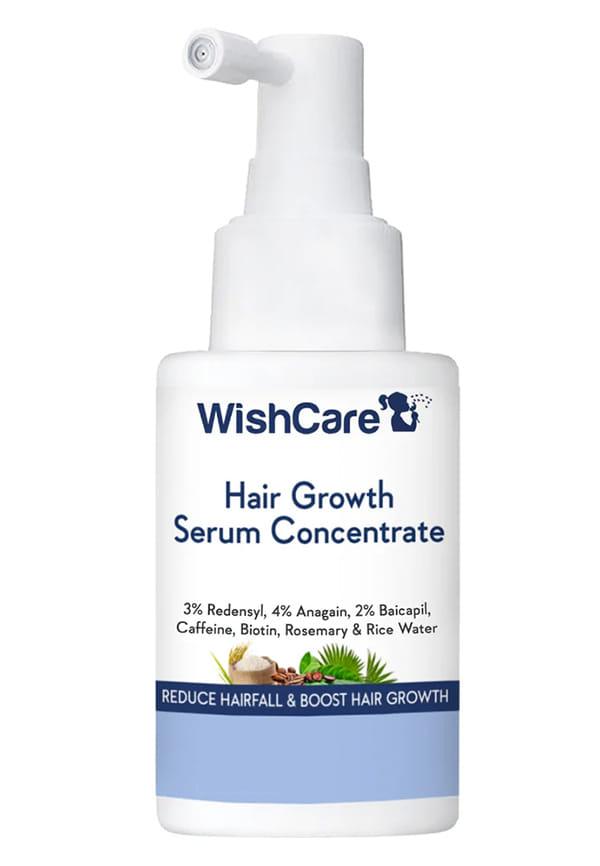 30 ml
30 mlHair Growth Serum Concentrate
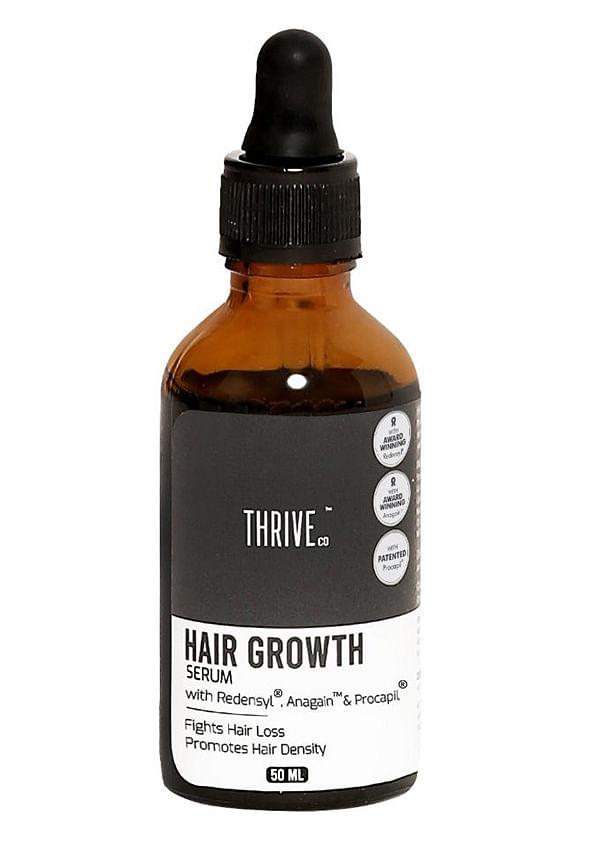 50 ml
50 mlHair Growth Serum 2.0
When cortisol levels remain elevated, it can interfere with the normal hair growth cycle and even affect nutrient absorption. Telogen effluvium, triggered by physical or emotional stress, can cause diffuse thinning across the entire scalp.
Regular meditation, even just 10 minutes daily, can significantly reduce cortisol levels. Exercise is another powerful stress reducer that also improves circulation. Prioritise sleep quality—aim for 7-9 hours nightly, as poor sleep can exacerbate stress and interfere with hair growth. Don't hesitate to seek professional help if stress feels overwhelming.
Whilst natural approaches form the foundation of healthy hair growth, sometimes medical interventions can provide additional support. It's important to understand what's available and when it might be appropriate. Minoxidil (commonly known as Rogaine) is the most widely used over-the-counter treatment for hair loss. It works by increasing blood flow to hair follicles and extending the anagen phase. It's available in 2% and 5% concentrations and is suitable for both men and women.
Biotin supplements are popular, though deficiency is rare in people eating a balanced diet. If you do choose to supplement, 2.5mg daily is typically sufficient. Iron supplements should only be taken if blood tests confirm deficiency, as excess iron can be harmful.
Finasteride is a prescription medication that blocks DHT production and is primarily used for male pattern baldness. Spironolactone can be prescribed for women with hormonal hair loss. If thyroid issues are suspected, proper thyroid medication can dramatically improve hair growth. Always consult with a healthcare provider before starting any prescription treatments.
The right products can make a significant difference in how your hair looks and feels. However, with thin hair, less is often more—heavy products can weigh down your strands and make them appear flatter. Look for shampoos and conditioners specifically formulated for fine or thinning hair. These typically contain volumising ingredients and are lighter in texture. Sulphate-free formulations are gentler and less likely to strip natural oils that thin hair needs to maintain.
Ingredients like biotin, niacinamide, and caffeine in shampoos can provide some benefits for scalp health. Avoid heavy conditioning ingredients like silicones and oils in your conditioner if you have very fine hair. Use clarifying treatments monthly to remove product buildup that can weigh hair down.
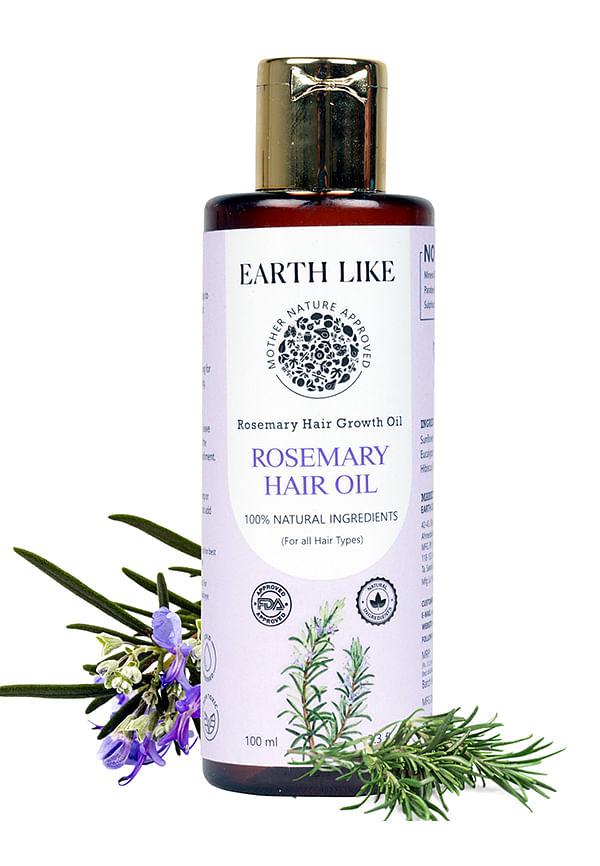 100 ml
Rosemary Hair Growth Oil – Reduces Hair Fall & Strengthens Roots
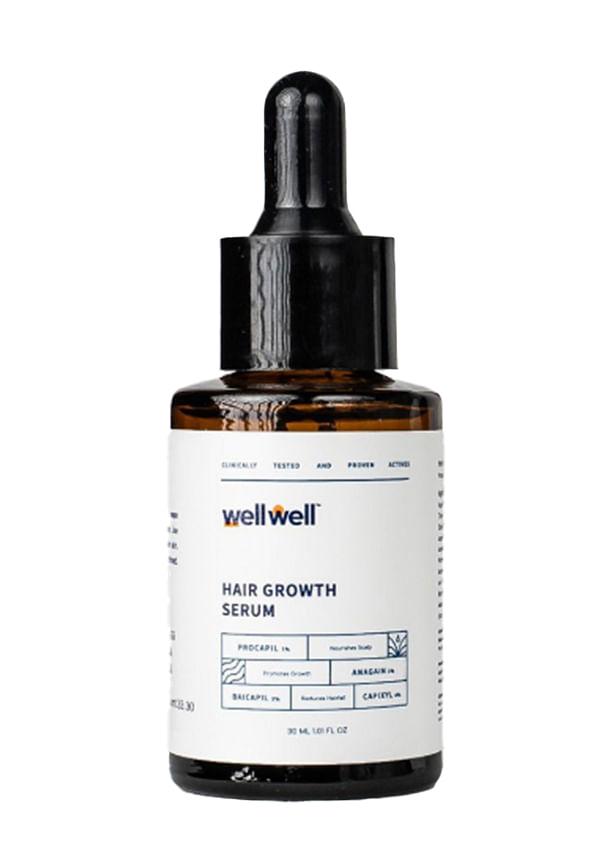 30 ml
30 mlHair Growth Promoter Serum
Root-lifting mousses and volumising sprays can create the appearance of thicker hair when applied to damp hair before styling. Lightweight serums can add shine without heaviness. Dry shampoo isn't just for extending time between washes—it can add texture and volume to fine hair. Always use heat protectants, but choose lightweight formulas designed for fine hair.
Consistency is perhaps the most important factor in seeing results with any hair growth strategy. Creating a routine that you can stick to long-term is more valuable than trying every new trend that comes along. Your routine should be realistic and sustainable. If you can't commit to daily scalp massages, aim for three times per week. If elaborate oil treatments feel overwhelming, start with a simple weekly routine.
Mornings might include gentle brushing, applying volumising products, and protecting your hair if you're using heat styling. Evenings could involve scalp massage and applying any treatments like rosemary oil. Weekly routines might include deep conditioning treatments or clarifying shampoos.
Hair growth is slow—typically only half an inch per month. Visible improvements in thickness and density usually take 3-6 months of consistent care. Track progress with photos rather than relying on daily observations, as changes happen gradually. Celebrate small improvements like reduced shedding or increased shine.
Whilst these tips can help most people improve their hair's appearance and health, sometimes professional intervention is necessary. Knowing when to seek help can prevent further hair loss and address underlying issues. Sudden, severe hair loss warrants immediate attention, as it could indicate an underlying medical condition. Patchy bald spots might suggest alopecia areata, an autoimmune condition that requires specific treatment.
Scalp irritation, inflammation, or unusual symptoms like burning or itching should be evaluated by a dermatologist. If you have a family history of early hair loss, early intervention might help preserve more hair.
A comprehensive scalp examination can identify issues not visible to the naked eye. Blood tests might check for thyroid function, iron levels, and hormonal imbalances. Professional treatments like prescription medications or procedures like PRP (platelet-rich plasma) might be recommended based on your specific situation. When exploring new haircare products and treatments, platforms like Smytten can be incredibly valuable. As India's largest product discovery and trial platform, Smytten offers curated trial packs from over 1,500 trusted brands, letting you explore different haircare solutions before committing to full-size purchases. This approach is particularly beneficial when dealing with thin hair, as finding the right products often involves trial and error.
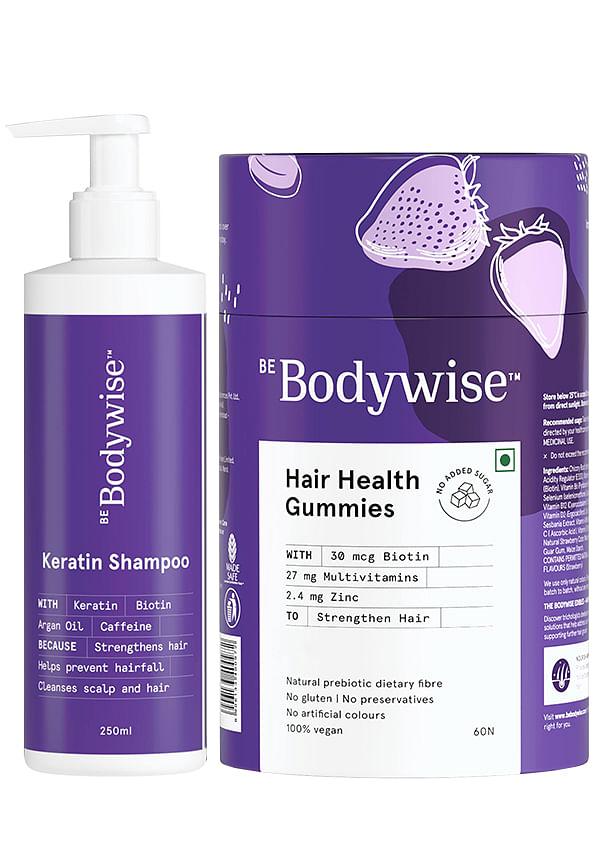 Combo
ComboHair Health Starter Pack for Hair Health, Hair Growth
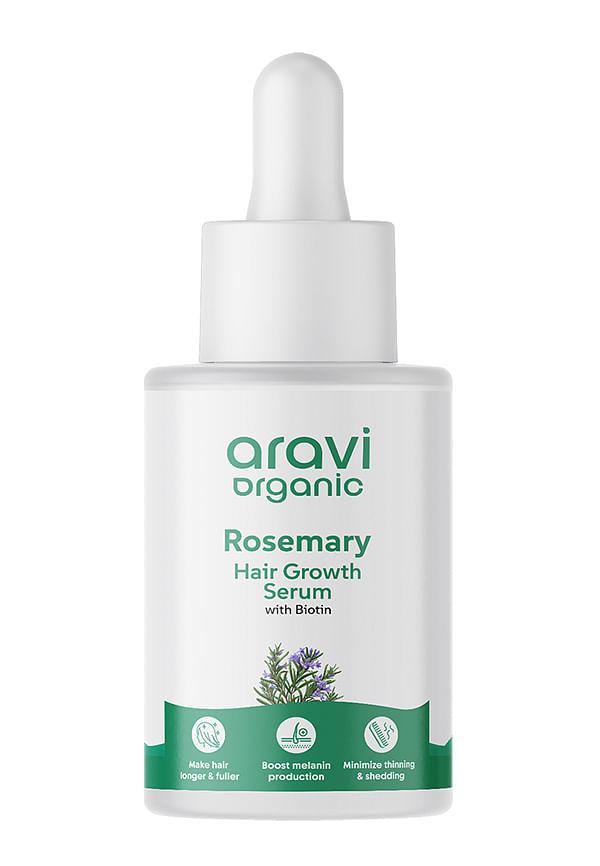 30 ml
30 mlRosemary Hair Growth Serum with Biotin
Focus on scalp massage with essential oils, maintain a protein-rich diet, reduce stress, and use gentle haircare practices. Consistency is key—expect to see results after 3-6 months of dedicated care.
Yes, many people can improve hair thickness through natural methods like proper nutrition, scalp care, and stress management. However, genetic factors may limit complete restoration, and results vary between individuals.
The "big 3" typically refers to minoxidil, finasteride, and ketoconazole shampoo—proven treatments that work synergistically for hair regrowth when used together under medical supervision.
Whilst you can't change your natural hair texture, you can significantly improve hair density, strength, and appearance through consistent care and appropriate treatments. The key is managing expectations and focusing on overall hair health.
Basic principles are similar, but men may benefit more from DHT-blocking treatments, whilst women often need to address hormonal factors and be more cautious with certain medications during pregnancy or breastfeeding.
Most treatments require 3-6 months of consistent use before visible improvements become apparent. This is because hair grows slowly and any improvements need time to become noticeable as new hair emerges from the scalp.
Improving thin hair requires patience, consistency, and often a multi-faceted approach. The seven tips outlined here—optimising nutrition, gentle haircare, scalp massage, stress management, considering medical options, choosing the right products, and maintaining consistency—work best when combined rather than used in isolation. Remember that promoting hair growth is a marathon, not a sprint. Small, consistent actions compound over time to create meaningful improvements. Start with the basics: gentle handling, proper nutrition, and stress management. These foundational changes often yield the most significant results. With platforms like Smytten offering trial-sized products from trusted brands, you can experiment with different haircare solutions without the commitment of full-size purchases. This makes it easier to find what works for your specific hair type and concerns. After all, why settle for 'maybe' when you can try it all and find what truly works for your hair?
