7 Pro Tips to Tame Frizzy Hair Naturally


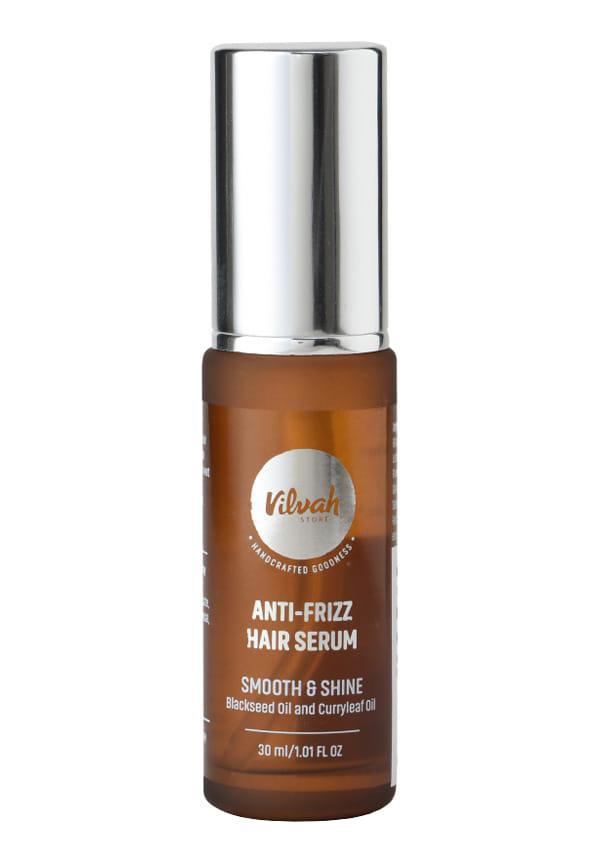 30 ml
30 mlAnti-Frizz Hair Serum
Let's be real—frizzy hair can feel like your worst enemy, especially when you're rushing out the door and your hair decides to have its own rebellion. Whether it's humidity wreaking havoc or your hair just naturally loves to do its own thing, learning how to tame frizzy hair doesn't have to involve expensive salon treatments or harsh chemicals. The truth is, some of the best frizzy hair solutions are sitting right in your kitchen cupboard, and with the right techniques, you can achieve smooth, manageable hair that actually cooperates with you. From understanding why your hair gets frizzy in the first place to mastering simple yet effective methods for hair frizz control, these seven pro tips will transform your haircare routine and help you embrace your natural texture without the daily struggle.
Before diving into solutions, it's worth understanding what's actually happening when your hair decides to go rogue. Frizz isn't just about bad luck—it's your hair's way of telling you something's off with its moisture balance. The main culprit behind frizzy hair is damaged or lifted hair cuticles. Think of your hair cuticle like roof tiles—when they're smooth and flat, light reflects beautifully and your hair looks sleek. But when they're raised or damaged, moisture escapes and humidity gets in, creating that dreaded frizzy texture. This damage often comes from over-processing with heat tools, harsh chemicals, or even just aggressive towel drying. Humidity plays a massive role too. When there's moisture in the air, damaged hair cuticles act like tiny sponges, absorbing water and swelling up. That's why your hair might look perfect indoors but turn into a frizz fest the moment you step outside on a humid day. Genetics also factor into the equation. If you've got naturally curly or wavy hair, you're more prone to frizz because the irregular shape of curved hair strands makes it harder for natural oils to travel down the hair shaft, leaving ends dry and prone to lifting.
Now that we know what we're dealing with, let's get into the good stuff—actual frizz reduction methods that work without breaking the bank or damaging your hair further.
Here's where most people go wrong—that rough towel rubbing you've been doing? It's basically creating a frizz factory. Cotton towels are too harsh for wet hair, causing friction that lifts the cuticle and creates instant frizz. Switch to a microfiber towel or even a cotton t-shirt for taming unruly hair. These materials are much gentler and absorb water without the aggressive rubbing. The technique matters too—instead of rubbing, gently press and squeeze sections of your hair to remove excess water. For curly or wavy hair, try the "plopping" method. Lay your microfiber towel flat, flip your hair forward onto it, then wrap the towel around your head like a turban. This technique maintains your natural curl pattern while removing moisture without disruption.
Your kitchen is basically a treasure trove of ingredients that can hydrate dry hair naturally. These DIY treatments are perfect for weekly deep conditioning sessions that restore moisture and smooth the hair cuticle. Try an avocado and honey mask—mash one ripe avocado with two tablespoons of honey for a protein and moisture-rich treatment. The natural fats in avocado penetrate the hair shaft while honey acts as a humectant, drawing moisture from the air into your hair. Coconut oil makes an excellent pre-shampoo treatment. Apply it to dry hair 30 minutes before washing, focusing on mid-lengths to ends. The molecular structure of coconut oil is small enough to actually penetrate the hair shaft rather than just sitting on top. Apple cider vinegar rinses help balance your hair's pH and smooth the cuticle. Mix one part ACV with three parts water and use as a final rinse after conditioning.
Not all oils are created equal when it comes to the best hair oil for frizz. The key is matching the right oil to your hair type and applying it correctly. Argan oil works brilliantly for fine hair because it's lightweight and won't weigh your hair down. It's packed with vitamin E and fatty acids that smooth the cuticle without leaving residue. For thick, coarse hair, coconut oil provides deeper penetration and longer-lasting moisture. Apply it to damp hair for better distribution and less greasy feel. Jojoba oil is technically a wax that mimics your scalp's natural sebum, making it perfect for sensitive scalps or if you're prone to buildup from other oils. The application technique matters—always apply oils to damp hair, starting from mid-lengths to ends, and use just a few drops. You can always add more, but it's harder to remove excess.
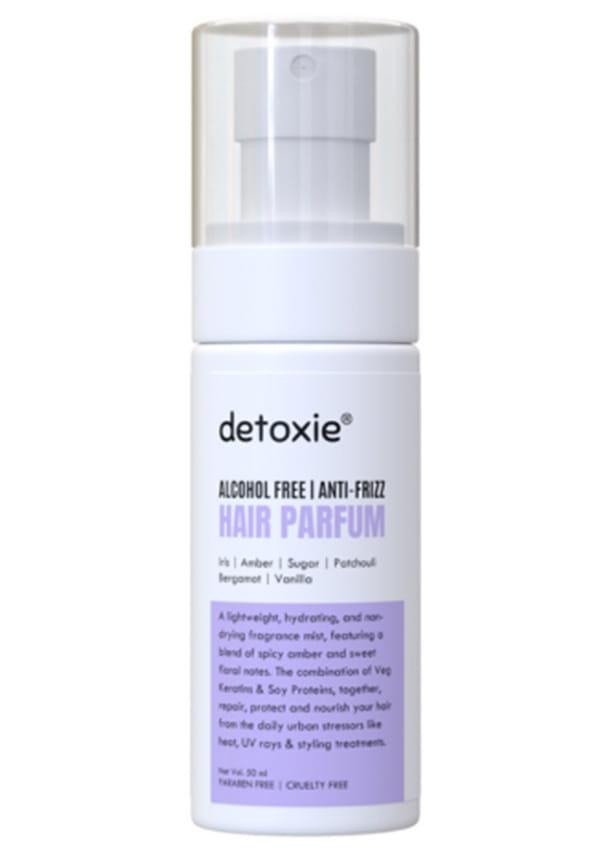 50 ml
50 mlAlcohol Free Anti-Frizz Hair Parfum
What happens while you sleep can make or break your frizz-fighting efforts. Cotton pillowcases create friction that roughens the hair cuticle, undoing all your hard work from the day before. Invest in a silk or satin pillowcase—these smooth materials allow your hair to glide rather than catch and tangle. The reduced friction means less frizz and fewer tangles to deal with in the morning. Protective hairstyles for sleep work wonders too. Try a loose braid or a silk scrunchie ponytail positioned high on your head to avoid sleeping directly on your hair. For shorter hair, a silk scarf wrapped loosely around your hairline can provide similar protection. Leave-in treatments applied before bed give your hair all night to absorb moisture and nutrients. Look for lightweight formulas that won't leave your pillowcase greasy.
Breaking up with your heat tools might feel scary, but your hair will thank you. Heat-free styling methods can give you gorgeous results while actually improving your hair's condition over time. Wet-setting involves styling your hair while damp and allowing it to dry in that position. Try braiding slightly damp hair for natural waves, or use foam rollers for more defined curls without the heat damage. Scrunching with a leave-in conditioner or curl cream can enhance your natural texture while reducing frizz. Cup sections of hair in your palm and gently squeeze upward toward your scalp to encourage curl formation. Air-drying doesn't have to mean shapeless hair. Apply your products to soaking wet hair, scrunch gently, then resist the urge to touch it while it dries. The less you manipulate your hair during the drying process, the smoother the results.
Detangling technique can be the difference between smooth, manageable hair and a frizzy disaster. The golden rule? Never brush wet hair with a regular brush—wet hair is at its most vulnerable and prone to breakage. Use a wide-tooth comb or a wet brush specifically designed for detangling damp hair. Start from the ends and work your way up, holding the section above where you're combing to avoid pulling on the roots. Detangling with conditioner in the shower is a game-changer. Apply your conditioner, then gently comb through with your fingers or a wide-tooth comb while the conditioner provides slip and protection. For very tangled hair, section it into manageable pieces and work through one section at a time. Patience here prevents breakage and the resulting frizz from damaged hair.
Your environment plays a huge role in how your hair behaves throughout the day. Learning to work with rather than against environmental factors is key to maintaining smooth hair tips that last. Humidity-proofing starts with well-moisturised hair—paradoxically, hair that's already hydrated is less likely to absorb excess moisture from the air. Use leave-in products with humectants like glycerin, but be mindful that in very humid conditions, these can sometimes backfire. UV protection isn't just for your skin—sun damage can dry out your hair and worsen frizz. Look for hair products with UV filters, or wear a hat when spending extended time outdoors. Indoor heating and air conditioning can be just as damaging as outdoor elements. Consider using a humidifier in your bedroom during winter months to prevent your hair from drying out overnight.
Sometimes you need to know how to tame frizzy hair in just a few minutes when you're already running late. These emergency techniques can save the day when your hair decides to misbehave. The water and oil method works wonders for quick touch-ups. Lightly mist your hair with water from a spray bottle, then smooth a tiny amount of hair oil through your palms and gently press it over the frizzy areas. Don't rub—just press and smooth. Hand-scrunching with a leave-in conditioner can revive curls and waves that have gone flat or frizzy. Apply a small amount to your palms, then scrunch upward to reactivate your curl pattern. For a super quick fix, try the "glass of water" technique—wet your hands with clean water, shake off the excess, then smooth your hands over your hair from roots to tips. The minimal moisture can help settle flyaways without making your hair wet.
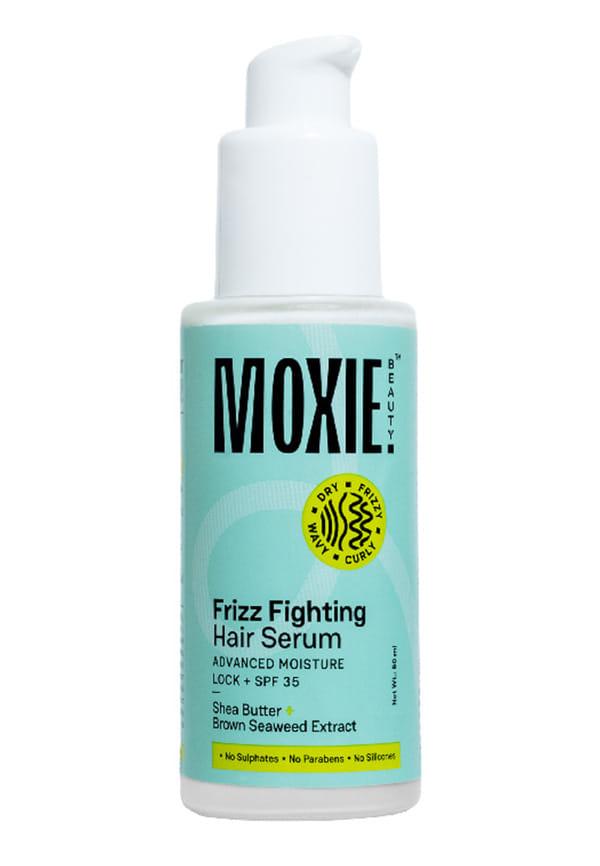 50ml
50mlFrizz Fighting Hair Serum For Dry and Frizzy Hair
Not all frizzy hair is the same, and what works for one person might not work for another. Understanding your specific hair type helps you choose the most effective haircare for frizzy hair approach.
If you've got naturally wavy or curly hair, embracing your texture rather than fighting it often yields the best results. The curly girl method has gained popularity for good reason—it focuses on hydration, gentle handling, and avoiding ingredients that can dry out curly hair. For 2C hair (loose waves with some curls), the key is finding the right balance of moisture and hold. Too much moisture can weigh down your waves, while too little leaves them frizzy and undefined. Product layering works well for wavy hair—start with a leave-in conditioner on soaking wet hair, add a curl cream for definition, and finish with a light gel for hold. The key is applying products to very wet hair and then not touching it while it dries.
Fine hair presents unique challenges because it can easily become weighed down by heavy products, yet it still needs moisture to prevent frizz. Lightweight, water-based products work best for fine hair textures. Volumising mousses can provide hold and frizz control without the weight of creams or oils. Apply to damp hair and scrunch gently for texture without the crunch. Dry shampoo isn't just for extending wash days—it can also absorb excess oils and add texture to fine hair that tends to fall flat.
Sometimes the biggest improvements come from stopping harmful habits rather than adding new products or techniques. These common mistakes can sabotage even the best anti frizz products and techniques. Over-washing strips your hair of natural oils, leading to dryness and increased frizz. Most people can get away with washing their hair 2-3 times per week, especially if they have naturally dry or curly hair. Using the wrong brush type can create instant frizz. Boar bristle brushes work well for straight hair but can disrupt curl patterns. Paddle brushes with widely spaced bristles are gentler for most hair types. Touching your hair throughout the day might seem harmless, but it disrupts the hair cuticle and can transfer oils from your hands to your hair. Once you've styled your hair, try to leave it alone as much as possible. Product buildup from using too many products or not clarifying regularly can weigh hair down and prevent moisture from penetrating the hair shaft. Use a clarifying shampoo once a month to reset your hair.
Consistency is key when it comes to managing frizzy hair naturally. Building a routine that works for your lifestyle and hair type ensures you'll see long-term improvements rather than just temporary fixes. Start with the basics—gentle cleansing, regular deep conditioning, and protective styling for sleep. Once these habits are established, you can experiment with additional treatments and techniques. Seasonal adjustments are important too. Your hair's needs change with the weather, so what works in summer might need tweaking for winter months. Generally, you'll need more moisture in winter and lighter products in humid summer weather. When exploring new frizzy hair solutions, it's worth trying products before committing to full sizes. Smytten offers curated trial packs from over 1,500 trusted haircare brands, letting you discover what works for your specific hair type without the commitment of full-size purchases. With options to try up to 8 minis for just ₹249 and 100% cashback redeemable for future orders, you can experiment with different anti frizz products and find your perfect routine without breaking the bank.
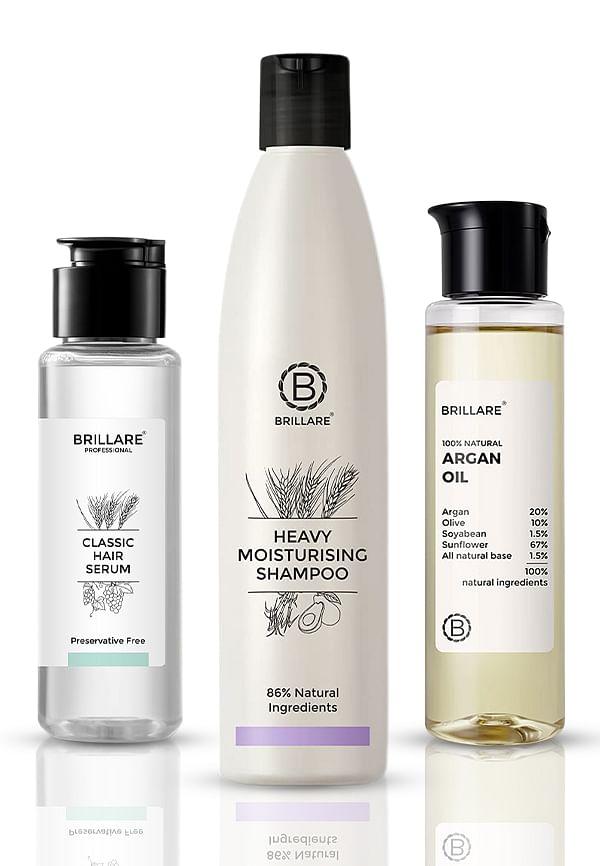 Combo
ComboFrizz-Free Hydration Hair Care Kit
While there's no truly "permanent" solution, consistent care with regular deep conditioning, gentle drying techniques, protective styling, and avoiding heat damage can dramatically reduce frizz long-term. Focus on maintaining healthy hair cuticles through proper moisture balance.
For quick results, lightly mist hair with water, apply a small amount of natural oil like argan or jojoba to your palms, and gently smooth over frizzy areas. Follow with light scrunching if you have wavy or curly hair.
Most hair types benefit from deep conditioning 1-2 times per week. Very damaged or chemically processed hair might need it more frequently, while fine hair might only need it once a week to avoid weighing it down.
Daily coconut oil use can lead to buildup and weigh hair down. It's better used as a weekly pre-shampoo treatment or very sparingly on damp hair ends. Those with fine hair should use it even less frequently.
Humidity causes frizz because damaged or porous hair cuticles absorb moisture from the air, causing the hair shaft to swell unevenly. Well-moisturised, healthy hair is less likely to absorb excess moisture from humid air.
Taming frizzy hair naturally isn't about fighting your hair's natural texture—it's about working with it to achieve the healthiest, most manageable version possible. These seven techniques focus on addressing the root causes of frizz rather than just covering up the symptoms with temporary fixes. Remember that consistency beats perfection every time. You don't need to implement all these techniques at once. Start with one or two that seem most relevant to your hair type and lifestyle, then gradually build your routine as these become habits. The journey to healthier, less frizzy hair is exactly that—a journey. Your hair didn't become frizzy overnight, and it won't transform overnight either. But with patience, the right techniques, and products that work for your specific needs, you can achieve the smooth, manageable hair you've been dreaming of. Whether you're discovering new products through trial sizes or perfecting your technique with kitchen ingredients, the key is finding what works for your unique hair and sticking with it. After all, why settle for frizzy when you can have fabulous?
