7 Pro Tips to Repair Damaged Hair Fast


Let's be real—damaged hair can feel like a never-ending battle. You've probably tried countless products, watched endless tutorials, and still found yourself staring at split ends and breakage in the mirror. Here's the thing: most people approach hair repair completely wrong. They focus on quick fixes instead of understanding what their hair actually needs. The truth is, learning how to repair damaged hair isn't about finding one miracle product—it's about creating a strategic approach that addresses the root causes of damage. Whether you're dealing with heat damage, chemical processing aftermath, or just everyday wear and tear, these seven pro tips will help you rebuild stronger, healthier hair from the inside out.
Before diving into solutions, you need to understand what's actually happening to your hair. Hair damage occurs when the protective outer layer (cuticle) becomes compromised, exposing the inner cortex to further harm. This creates a domino effect—once damage starts, it spreads quickly if not addressed properly. The most common signs include split ends, excessive breakage, dryness, and that straw-like texture that no amount of conditioner seems to fix. What many people don't realise is that hair breakage often starts weeks before you actually see it. By the time split ends appear, the damage has already travelled up the hair shaft. Here's where most damaged hair treatment approaches fail: they try to "heal" hair that's already dead. Your hair shaft contains no living cells, so true repair means managing existing damage while protecting new growth. The key is stopping further damage while gradually trimming away the compromised sections.
This is where most people get it wrong. Your hair needs both protein and moisture, but the ratio depends on your specific damage type. Too much protein makes hair brittle; too much moisture makes it mushy and weak. Here's a simple test: take a wet strand of hair and gently stretch it. If it snaps immediately, you need moisture. If it stretches without bouncing back, you need protein. Most damaged hair needs a 70% moisture, 30% protein approach.
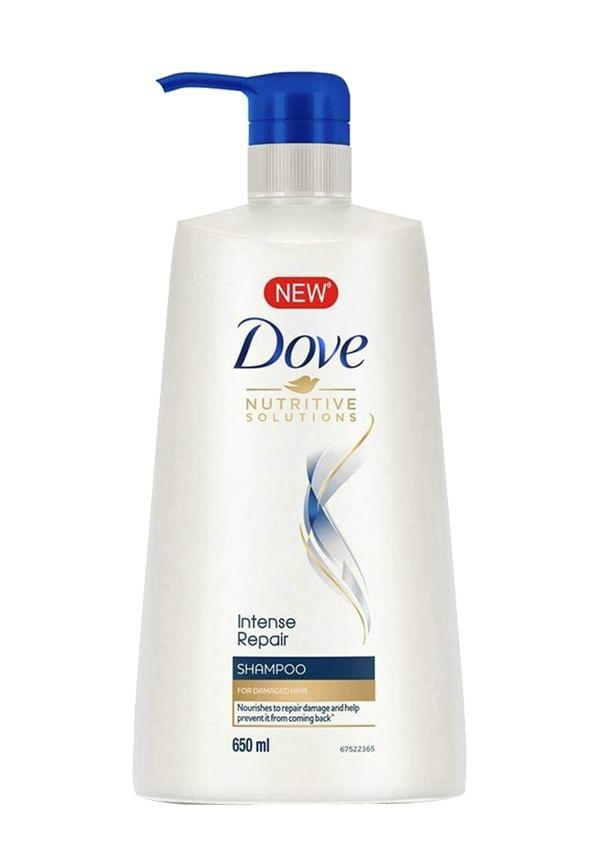 650 ml
Intense Repair Shampoo
Look for treatments containing keratin, amino acids, or hydrolysed proteins. These smaller molecules can temporarily fill in gaps in your hair's structure. Apply protein treatments once a week initially, then reduce to bi-weekly as your hair improves.
Hyaluronic acid, ceramides, and natural oils like argan or jojoba provide deep hydration. The key is layering—apply lighter products first, then seal with heavier oils. This hair strengthening approach rebuilds your hair's resilience over time.
 355ml
355mlIntense Repair Conditioner
Forget basic conditioner—damaged hair needs intensive care. The most effective approach combines heat, time, and the right ingredients to force moisture deep into the hair shaft. Steam treatments are game-changers for hair repair. You don't need expensive equipment—a hot shower and shower cap work perfectly. Apply your treatment, cover with a cap, and let the steam do its magic for 20-30 minutes.
This technique maximises product penetration. Start with a leave-in conditioner on damp hair, add your deep treatment, then seal with a light oil. This creates layers that work together rather than competing for absorption.
While salon treatments are lovely, you can achieve similar results at home. Look for masks containing ingredients like shea butter, coconut oil, and peptides. The best hair mask for damaged hair should feel rich but not greasy, and rinse out cleanly.
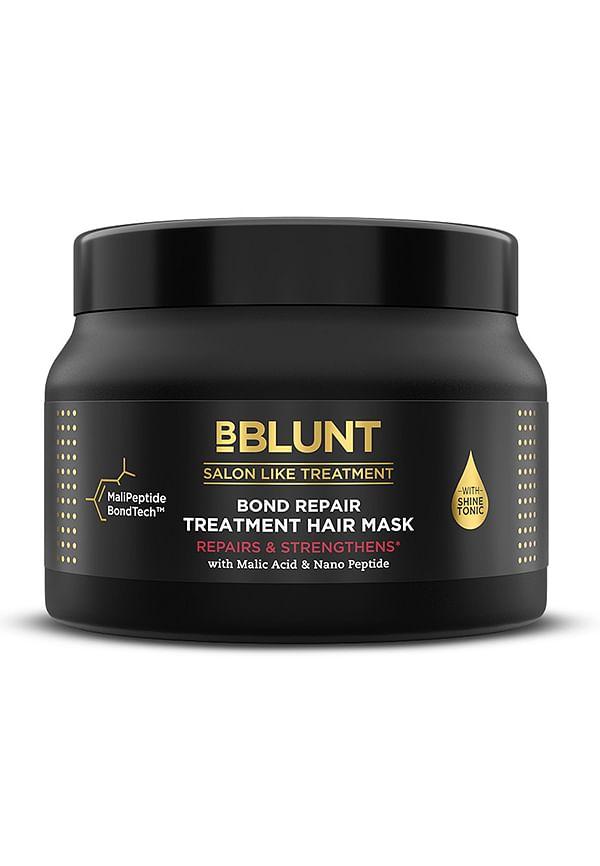 250g
250gBond Repair Treatment Hair Mask
Heat styling is often the biggest culprit behind damaged hair, but going completely heat-free isn't realistic for everyone. The solution is strategic reduction combined with proper protection. Implement the 80/20 rule: aim for heat-free styling 80% of the time, reserving heat tools for special occasions. This gives your hair time to recover between styling sessions.
Not all heat protectants are created equal. Look for products containing silicones like cyclopentasiloxane or dimethicone—these create a barrier that can withstand high temperatures. Apply to damp hair and ensure even distribution before any heat styling.
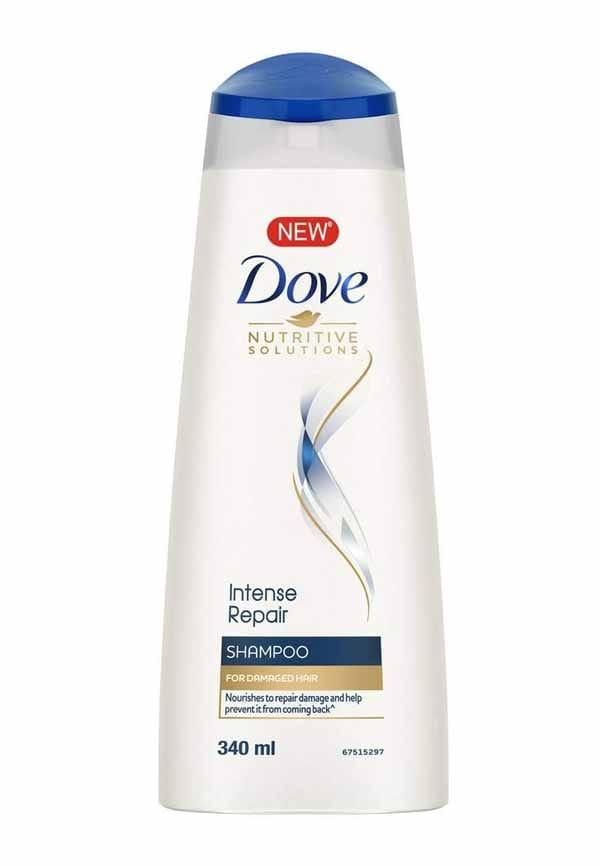
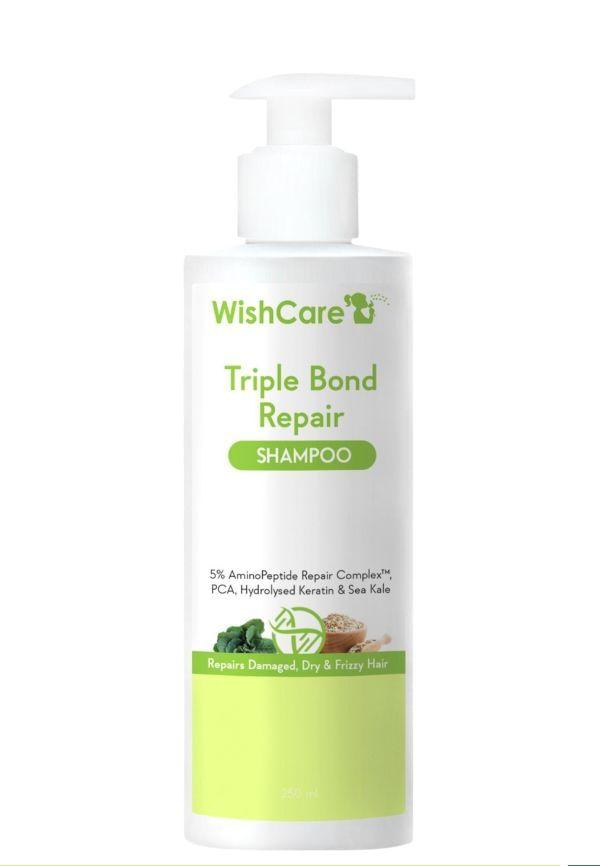 250 ml
Triple Bond Repair Shampoo
Heatless curls, braiding techniques, and protective styles can give you variety without the damage. These methods for dry hair repair allow your hair to rest while still looking polished.
The products you choose can make or break your repair efforts. Many people assume all "repairing" products are the same, but ingredients matter enormously. Sulfates aren't always the enemy—sometimes damaged hair needs a thorough cleanse to remove buildup that prevents treatments from working. The key is choosing gentle sulfates and following with intensive conditioning.
Damaged hair has a compromised cuticle, making pH balance crucial. Look for products with a pH between 4.5-5.5 to help smooth the cuticle and reduce further damage.
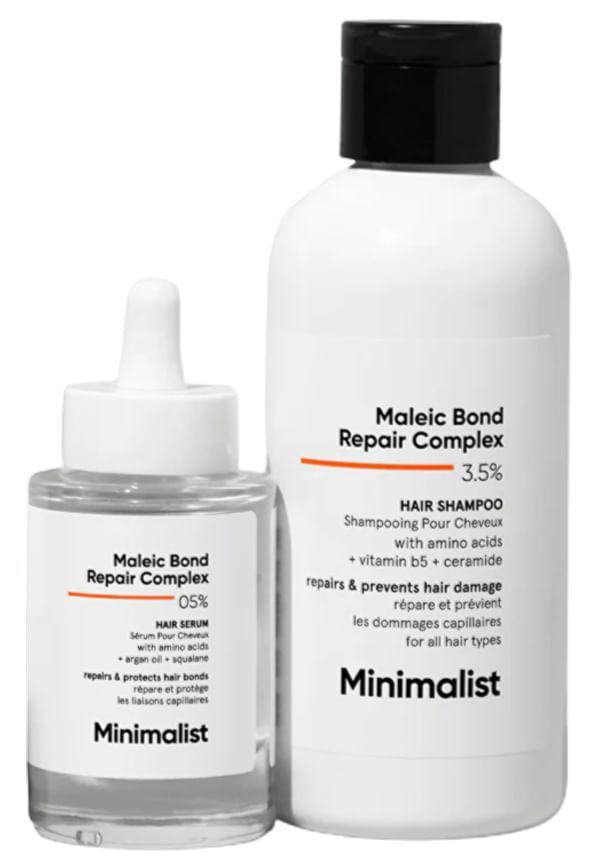 Combo
ComboMaleic Bond Repair Hair Combo
Avoid products with high alcohol content, harsh sulfates like sodium lauryl sulfate, and anything with excessive fragrance. These ingredients strip moisture and worsen existing damage. When choosing the best shampoo for damaged hair, prioritise gentle cleansing agents like sodium laureth sulfate or sulfate-free alternatives. Your haircare for damaged hair routine should focus on rebuilding rather than stripping.
This might be the hardest truth to accept: you cannot repair split ends. Once the hair shaft splits, the only solution is removal. However, you don't need to sacrifice all your length. Micro-trimming involves cutting just 1-2mm every 6-8 weeks, removing damage before it spreads while preserving length. This approach to split ends repair prevents the need for dramatic cuts later.
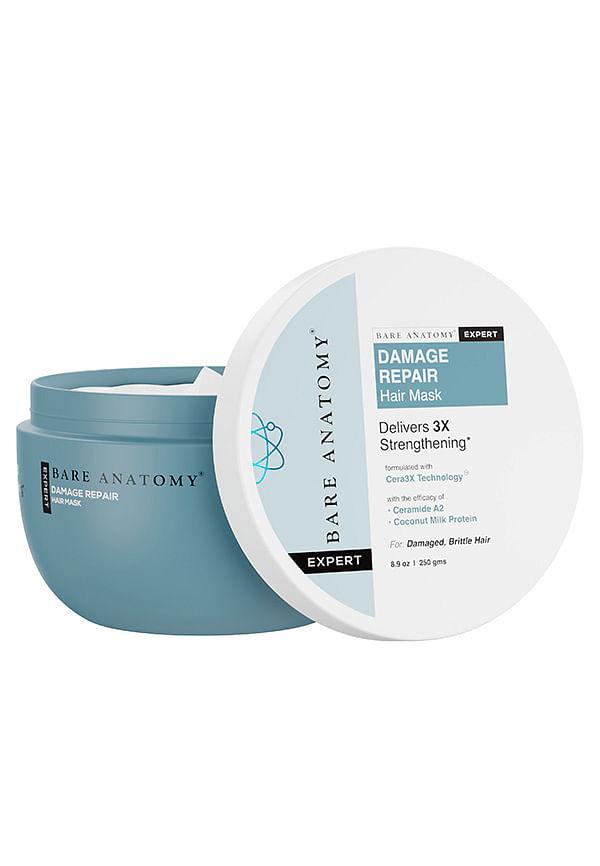 250 gm
Damage Repair Hair Mask With Ceramide A2 And Coconut Milk Protein
Regular dusting and careful handling can extend time between cuts. Use sharp hairdressing scissors for any at-home trimming—blunt household scissors can cause more splits.
While you can maintain your hair at home, invest in professional cuts every 3-4 months. A skilled stylist can assess damage patterns and create a cutting plan that supports your repair goals.
How you handle your hair daily matters more than any product you use. Wet hair is particularly vulnerable—it can stretch up to 30% of its length when wet, making it prone to breakage. Never brush wet hair with a regular brush. Instead, use a wide-tooth comb or wet brush designed for detangling. Start from the ends and work up to prevent pulling and snapping.
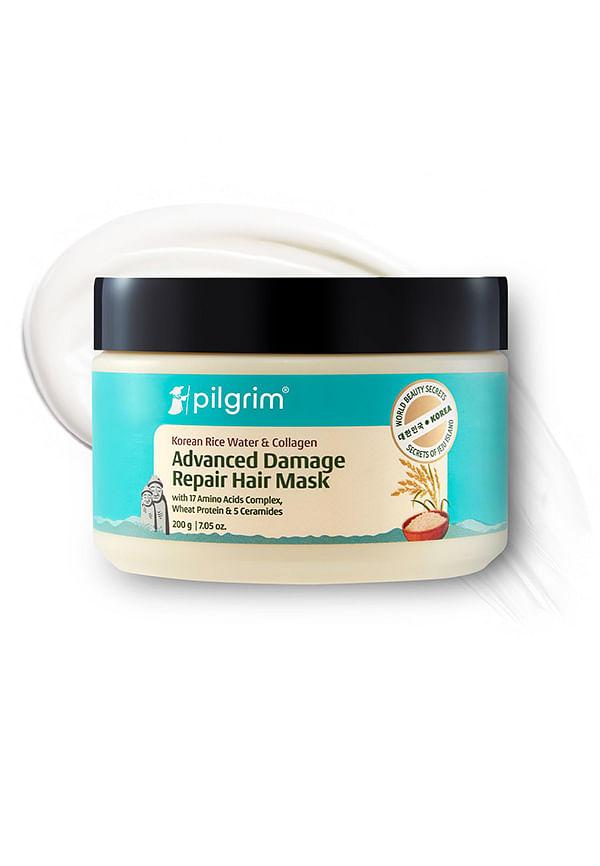 200 gm
Korean Rice Water & Collagen Advanced Damage Repair Hair Mask
Friction from cotton pillowcases causes significant damage over time. Silk or satin pillowcases reduce friction, while protective hairstyles like loose braids prevent tangling.
Regular towels are too rough for damaged hair. Use microfiber towels or cotton t-shirts to gently squeeze out excess water. This simple change in your routine for how to fix damaged hair can prevent unnecessary breakage.
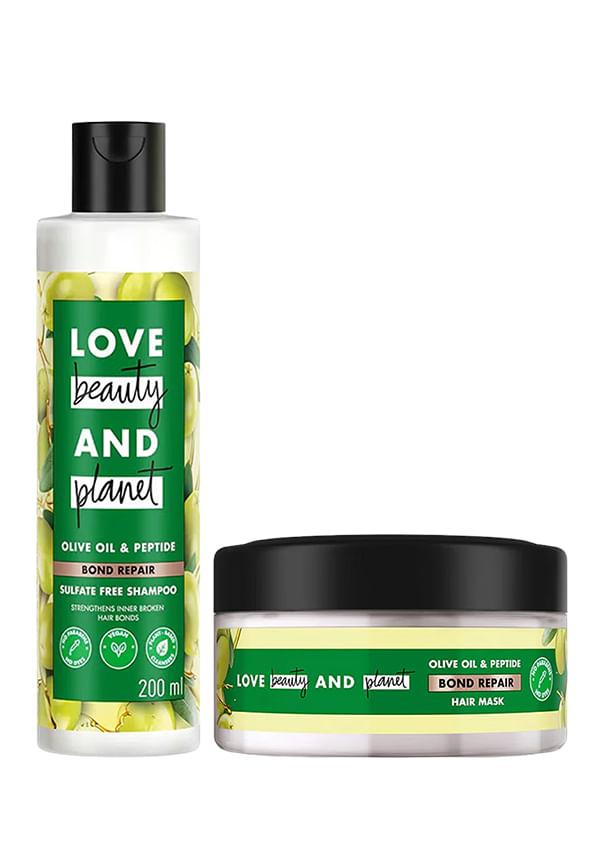 Combo
ComboOlive Oil & Peptide Bond Repair Shampoo & Hair Mask
Healthy hair starts from within. While topical treatments address existing damage, proper nutrition supports new growth that's stronger and more resilient. Key nutrients include biotin, iron, omega-3 fatty acids, and vitamin D. However, supplements aren't magic—they only help if you're deficient. Focus on a balanced diet rich in protein, healthy fats, and vegetables.
Dehydration affects hair moisture from the inside out. Aim for adequate water intake—your hair follicles need proper hydration to produce healthy strands.
Chronic stress increases cortisol levels, which can weaken hair structure and slow growth. Regular exercise, adequate sleep, and stress management techniques support overall hair health. With so many haircare options available, finding the right products for your specific needs can feel overwhelming. This is where platforms like Smytten become invaluable—offering curated trial packs from trusted brands, you can test different treatments without committing to full-size purchases. This approach lets you discover what actually works for your hair type and damage level.
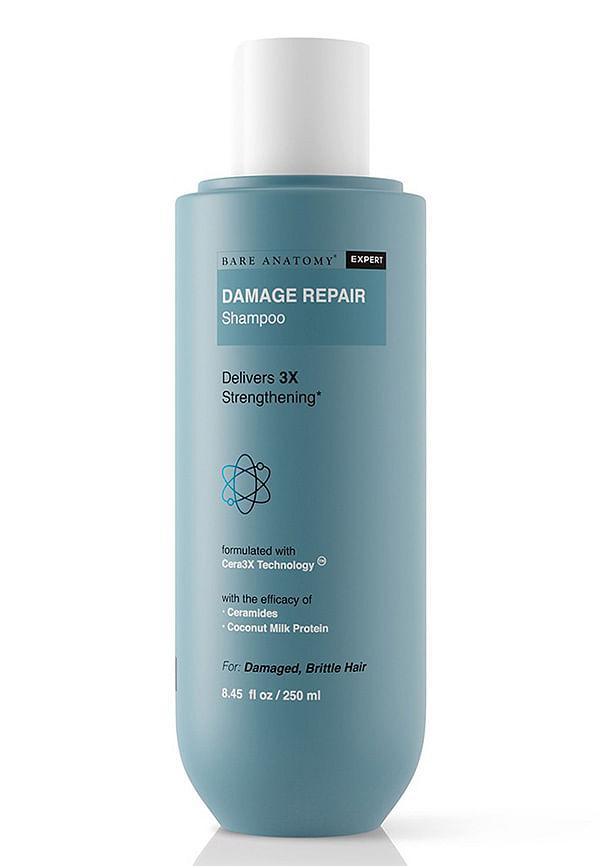 250 ml
Expert Damage Repair Shampoo To Repair And Strengthen Up To 3X
Hair cannot be "healed" in the traditional sense since it's not living tissue. However, you can improve its appearance and prevent further damage through proper care, treatments, and gradual trimming of damaged sections.
Visible improvements typically appear within 2-4 weeks of consistent care. Complete recovery depends on damage severity—mild damage may improve in 2-3 months, while severe damage might take 6-12 months of dedicated care and regular trims.
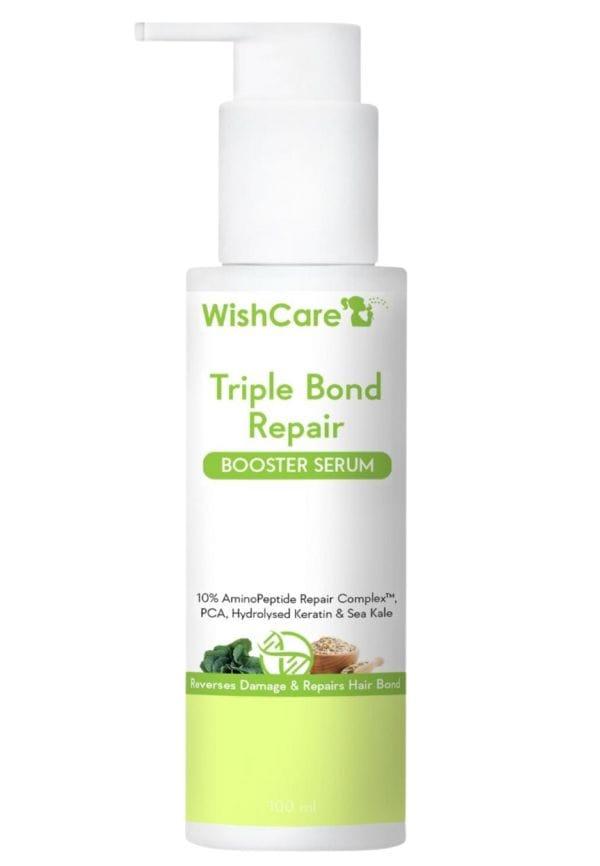 100 ml
Triple Bond Repair Booster Hair Serum
Dry hair lacks moisture but has an intact structure, while damaged hair has compromised cuticles and possibly cortex damage. Dry hair responds well to moisturising treatments, while damaged hair needs protein-moisture balance and protective care.
Natural approaches include coconut oil treatments, honey masks, and gentle handling techniques. However, severely damaged hair often needs professional-grade treatments for effective repair.
You can improve damaged hair's appearance and prevent further damage, but split ends and severely compromised sections must be cut to prevent damage from spreading up the hair shaft.
Repairing damaged hair isn't about finding one perfect product—it's about creating a comprehensive approach that addresses your hair's specific needs. The seven tips outlined here work together to rebuild your hair's strength, moisture, and resilience over time. Remember, consistency matters more than perfection. Small daily changes in how you handle, style, and treat your hair compound into significant improvements over weeks and months. Be patient with the process and realistic about timelines—healthy hair is a journey, not a destination. The key to successful hair repair lies in understanding your hair's unique needs and being willing to experiment with different approaches. Whether you're dealing with heat damage, chemical processing, or environmental stress, these evidence-based strategies will help you rebuild stronger, healthier hair that you can feel confident about.
