7 Pro Tips to Manage Oily Hair Daily Care


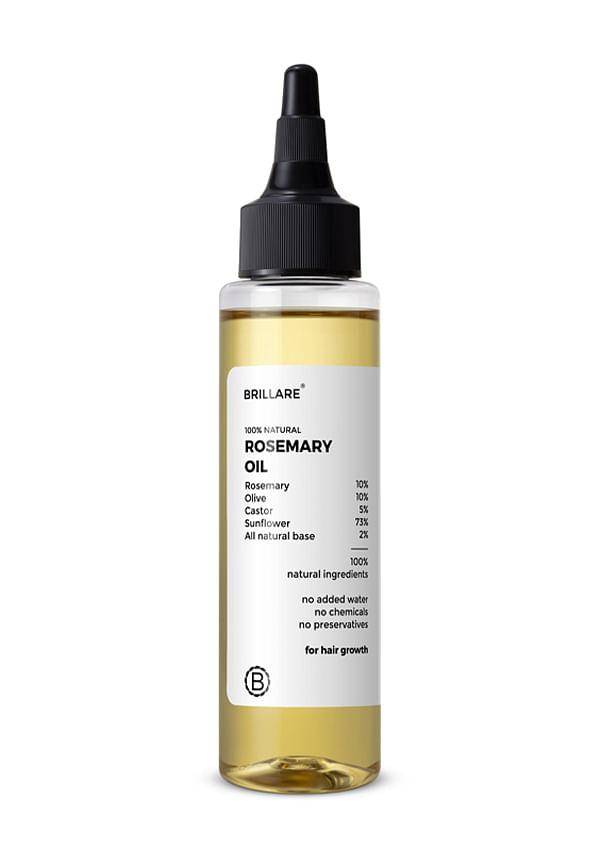 100 ml
Rosemary oil
Dealing with oily hair can feel like a never-ending battle, especially when your roots look greasy just hours after washing. If you've been struggling with excess sebum production and wondering how to achieve that fresh, clean look that lasts, you're definitely not alone. The good news? Managing oily hair daily care doesn't have to be complicated or expensive. With the right approach and a few expert-backed strategies, you can take control of your scalp's oil production and enjoy hair that looks and feels amazing all day long. Let's dive into seven game-changing tips that'll transform your haircare routine.
Before we jump into solutions, let's talk about why your hair gets oily in the first place. Your scalp produces sebum through tiny glands called sebaceous glands, and whilst this natural oil is meant to protect and moisturise your hair, sometimes these glands go into overdrive. Several factors contribute to excess oil production, and understanding them can help you tackle the root cause rather than just managing symptoms.
Genetics play a huge role in determining how much oil your scalp produces. If your parents dealt with oily hair, chances are you might too. Hormonal fluctuations, particularly during puberty, menstruation, or pregnancy, can also trigger increased sebum production. Environmental factors like humidity and pollution can make your hair appear greasier faster, whilst certain hair textures distribute oil more readily from roots to ends.
Interestingly, your age affects oil production too. Teenagers and young adults typically produce more sebum, which gradually decreases as we get older. Stress levels, diet, and even the products you use can influence how oily your hair becomes. Understanding these oily hair causes helps you make informed decisions about your haircare routine and lifestyle choices.
One of the most common questions about oily hair daily care is how often to wash. The answer isn't one-size-fits-all, but there are some guidelines that can help you find your sweet spot. Many people with oily hair benefit from washing every day or every other day, but the key is listening to your hair's needs rather than following a rigid schedule.
Daily washing might seem like the obvious solution, but it can sometimes backfire. Over-washing can strip your scalp of natural oils, causing it to produce even more sebum to compensate—a phenomenon called rebound oiliness. On the flip side, washing too infrequently allows oil and product buildup to accumulate, making your hair look flat and greasy.
Pay attention to these indicators rather than sticking to a strict schedule. Your hair likely needs washing when it feels heavy or looks flat at the roots, appears visibly oily or greasy, starts to smell less than fresh, or feels difficult to style. These signs help you develop a personalised routine that works with your hair's natural rhythm.
Not all shampoos are created equal when it comes to managing oily hair. Look for clarifying or deep-cleansing formulas that contain ingredients like salicylic acid, tea tree oil, or zinc pyrithione. These ingredients help control scalp sebum control without being overly harsh. Avoid heavy, moisturising shampoos designed for dry hair, as these can weigh down oily hair and make it look greasier faster.
Now let's get into the practical stuff—seven proven strategies that hair professionals swear by for managing oily hair. These tips focus on creating a sustainable hair care routine for oily hair that actually works long-term.
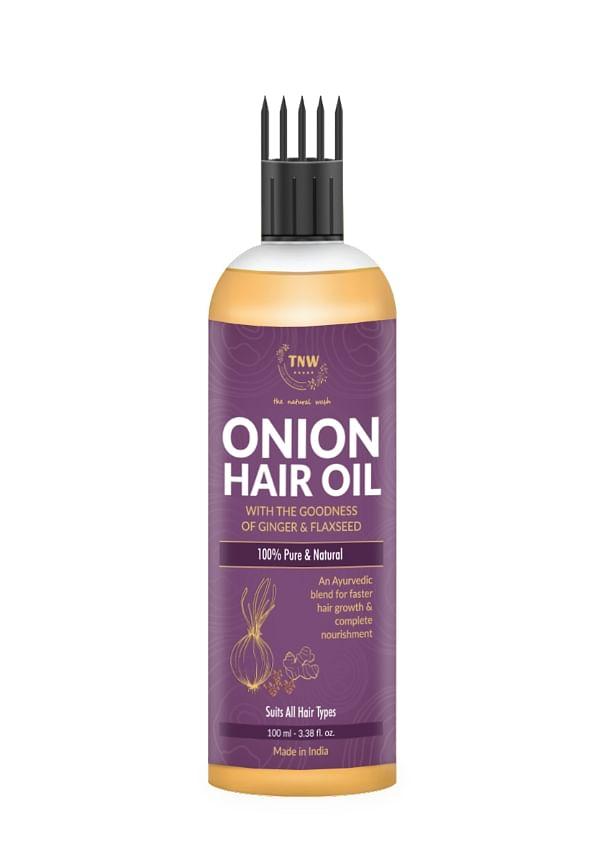 100 ml
Onion Oil
How you wash your hair matters just as much as what you wash it with. Focus the shampoo on your scalp and roots where oil production happens, rather than working it through your entire hair length. Use your fingertips (not nails) to gently massage your scalp in circular motions for about 30 seconds. This helps lift oil and buildup whilst stimulating circulation.
Water temperature is crucial too. Lukewarm water is ideal—hot water can stimulate oil production, whilst cold water might not effectively remove buildup. Always rinse thoroughly, spending at least twice as long rinsing as you did shampooing. Leftover product residue can make hair look dull and feel heavy.
Many people with oily hair skip conditioner entirely, but this can actually make things worse. Your hair still needs moisture and protection, just not at the roots. Apply a lightweight conditioner only to the mid-lengths and ends of your hair, avoiding the scalp area completely. Look for volumising or oil-free formulas specifically designed for fine or oily hair.
Dry shampoo can be a game-changer for oily hair daily care, but timing is everything. Apply it to clean, dry hair before bed rather than waiting until your hair looks oily. This gives the product time to absorb excess oil overnight. Focus on the roots and crown area where oil tends to accumulate most.
Excessive heat can stimulate oil production and damage your hair's natural protective barrier. When possible, let your hair air dry or use the cool setting on your blow dryer. If you must use heat styling tools, always apply a lightweight heat protectant and keep temperatures moderate. Consider embracing your natural texture to reduce heat exposure.
Your scalp needs attention just like the skin on your face. Once or twice a week, use a gentle scalp scrub or exfoliating treatment to remove buildup and dead skin cells. This helps prevent clogged follicles and can actually reduce oil production over time. Clean your hairbrush regularly too—dirty brushes redistribute oil and bacteria back to your clean hair.
What you eat and how you live affects your hair's oil production. Foods high in sugar and unhealthy fats can increase sebum production, whilst a balanced diet rich in omega-3 fatty acids and vitamins can help regulate it. Stress management is equally important—chronic stress can trigger hormonal changes that increase oil production.
Less is often more when it comes to styling products for oily hair. Choose lightweight, oil-free formulas and apply them sparingly. Start with the smallest amount possible and build up if needed. The order matters too: apply leave-in treatments first, followed by styling products, and finish with any finishing sprays or serums.
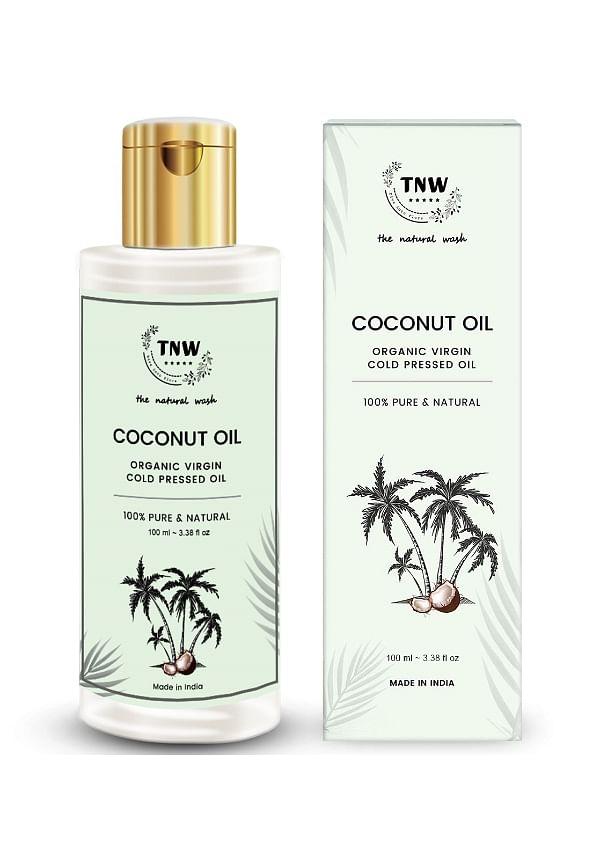 100 ml
Coconut Oil
If you prefer a more natural approach to managing oily hair, several natural remedies for oily hair have proven effective. These oily hair home remedies can complement your regular routine or serve as gentle alternatives when your scalp needs a break from commercial products.
Apple cider vinegar rinses are particularly effective for removing buildup and balancing scalp pH. Mix one part apple cider vinegar with three parts water and use it as a final rinse after shampooing. The acidity helps close hair cuticles and can reduce the appearance of oiliness.
Clay masks aren't just for your face—they work brilliantly on oily scalps too. Bentonite or kaolin clay can absorb excess oil and impurities when applied to the scalp for 10-15 minutes before shampooing. Just be sure to focus on the roots and avoid the hair lengths to prevent dryness.
Lemon juice mixed with water creates a natural astringent that can help control oil production. However, use this sparingly and always follow with a good conditioner, as citrus can be drying. Tea tree oil, when diluted properly, has antimicrobial properties that can help maintain a healthy scalp environment.
Sometimes, despite your best efforts with oily hair daily care, you might need professional intervention. If your oily hair is accompanied by itching, flaking, or irritation, you could be dealing with a scalp condition that requires medical attention. Sudden changes in oil production, especially if accompanied by hair loss or other symptoms, warrant a consultation with a dermatologist.
Professional treatments like scalp facials or deep-cleansing treatments can provide more intensive oily scalp treatment options. Some salons offer specialised services that combine exfoliation, deep cleansing, and nourishing treatments tailored specifically for oily hair types.
Prescription treatments might be necessary for severe cases. Medicated shampoos containing stronger concentrations of active ingredients like ketoconazole or selenium sulfide can be more effective than over-the-counter options for persistent oily scalp issues.
Even with the best intentions, certain habits can sabotage your efforts to manage oily hair. Touching your hair throughout the day transfers oils from your hands to your hair, making it look greasier faster. Similarly, over-brushing can distribute oil from your scalp down the hair shaft, making your entire head look oily rather than just the roots.
Using too many products or switching products too frequently can overwhelm your scalp and disrupt its natural balance. Stick with a routine for at least 4-6 weeks before deciding whether it's working. Your scalp needs time to adjust to new products and routines.
Skipping heat protection might seem harmless, but damaged hair actually appears oilier because it can't properly regulate moisture. Always use a lightweight heat protectant when styling, even if you think your hair is too oily for additional products.
Finding the right products for your specific hair type can be challenging, especially when you're trying to balance effectiveness with budget considerations. This is where platforms like Smytten become invaluable for anyone dealing with oily hair. With access to trial-sized products from over 1,500 trusted brands, you can experiment with different shampoo for greasy hair options and treatments without committing to full-size purchases that might not work for your hair type.
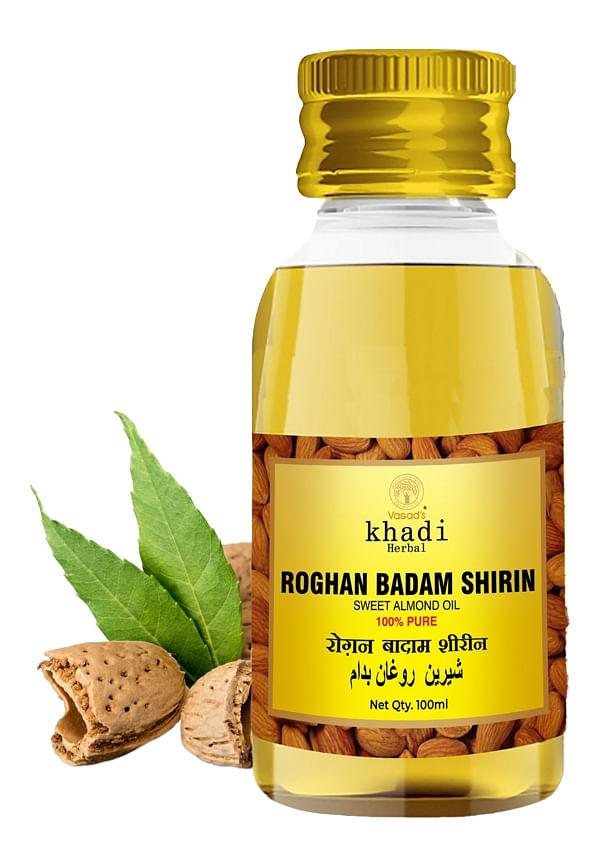 100 ml
Roghan Badam Oil
Most people with oily hair benefit from washing every day or every other day. However, the frequency depends on your individual oil production, lifestyle, and hair type. Start with every other day and adjust based on how your hair looks and feels.
Whilst dry shampoo is helpful for managing oily hair, using it daily isn't recommended as it can cause buildup. Use it 2-3 times per week maximum, and always follow with a thorough wash to remove residue.
Daily washing with a gentle, appropriate shampoo won't damage oily hair. In fact, allowing oil buildup can be more damaging than frequent washing. Choose a mild, pH-balanced formula designed for daily use.
Heat and humidity increase sebum production and make existing oil more noticeable. You might need to adjust your routine seasonally, washing more frequently or using stronger clarifying products during warmer months.
Many natural remedies can be effective for managing oily hair, particularly apple cider vinegar rinses and clay treatments. However, results vary by individual, and some people may need stronger commercial products for optimal results.
Most people notice initial improvements within 1-2 weeks, but it can take 4-6 weeks to see the full benefits of a new routine. Be patient and consistent with your approach.
Managing oily hair doesn't have to be a daily struggle. With the right combination of proper technique, suitable products, and consistent care, you can achieve hair that looks fresh and feels amazing throughout the day. Remember that finding your perfect routine might take some experimentation—what works for your friend might not work for you, and that's completely normal.
The key to successful oily hair daily care lies in understanding your hair's unique needs and responding accordingly. Whether you prefer commercial products or natural remedies, consistency is crucial. Give any new routine at least a month before deciding whether it's working for you.
Smytten's trial platform makes it easier than ever to discover products that truly work for your hair type. With mini-sized versions of trusted haircare brands available for just ₹249, you can try multiple solutions without the financial risk of full-size purchases. This approach is particularly valuable for managing oily hair, where finding the right product balance is essential for success. After all, why settle for maybe when you can try it all and find exactly what your hair needs to look and feel its best?
