7 Pro Tips for Ultimate Dry Hair Care Routine

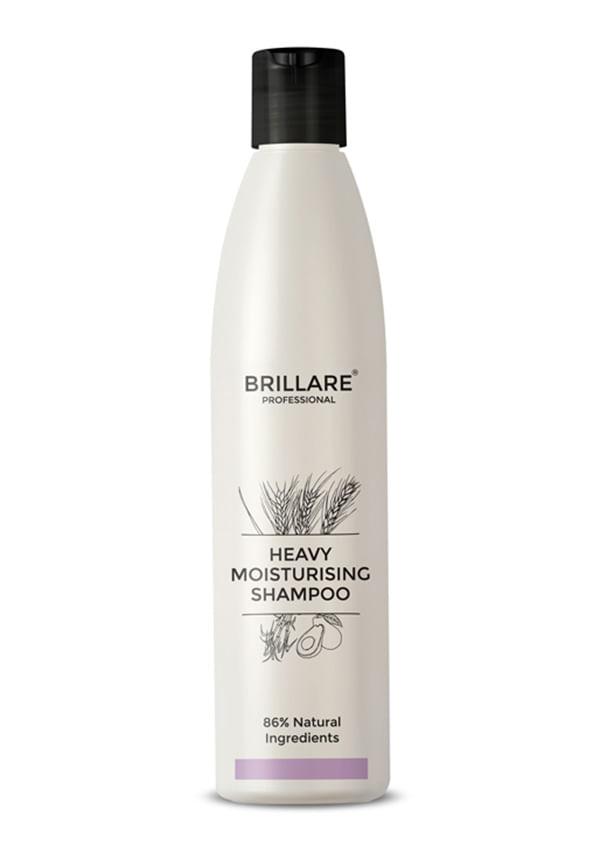 300 ml
Professional Heavy Moisturising Shampoo
Let's be real—dry hair can feel like a never-ending battle. You wake up with frizz that defies gravity, your ends look like they've been through a paper shredder, and no matter what you try, your hair just won't cooperate. Sound familiar? You're definitely not alone. Studies show that over 60% of people struggle with dry, damaged hair at some point, and honestly, most of us are just winging it with our haircare routine. But here's the thing: transforming dry hair isn't about expensive salon treatments or miracle products that promise overnight results. It's about understanding what your hair actually needs and building a dry hair care routine that works. We've rounded up seven pro tips that can genuinely turn things around for your hair. These aren't just random suggestions—they're tried-and-tested strategies that focus on hair hydration, repair, and keeping that frizz in check. Ready to give your hair the love it deserves?
Before diving into solutions, let's talk about why your hair might be crying out for help. Dry hair isn't just about genetics—though that definitely plays a part. Your hair can become parched for loads of reasons, and understanding the root cause helps you tackle the problem more effectively. Environmental factors are massive culprits. Think about it: sun exposure, harsh winds, pollution, and even air conditioning can strip your hair of its natural moisture. Then there's the chemical damage from colouring, perming, or relaxing treatments. These processes literally alter your hair's structure, making it harder to retain moisture. Heat styling is another biggie—those straighteners and curling irons might give you the look you want, but they're also zapping moisture from your strands.
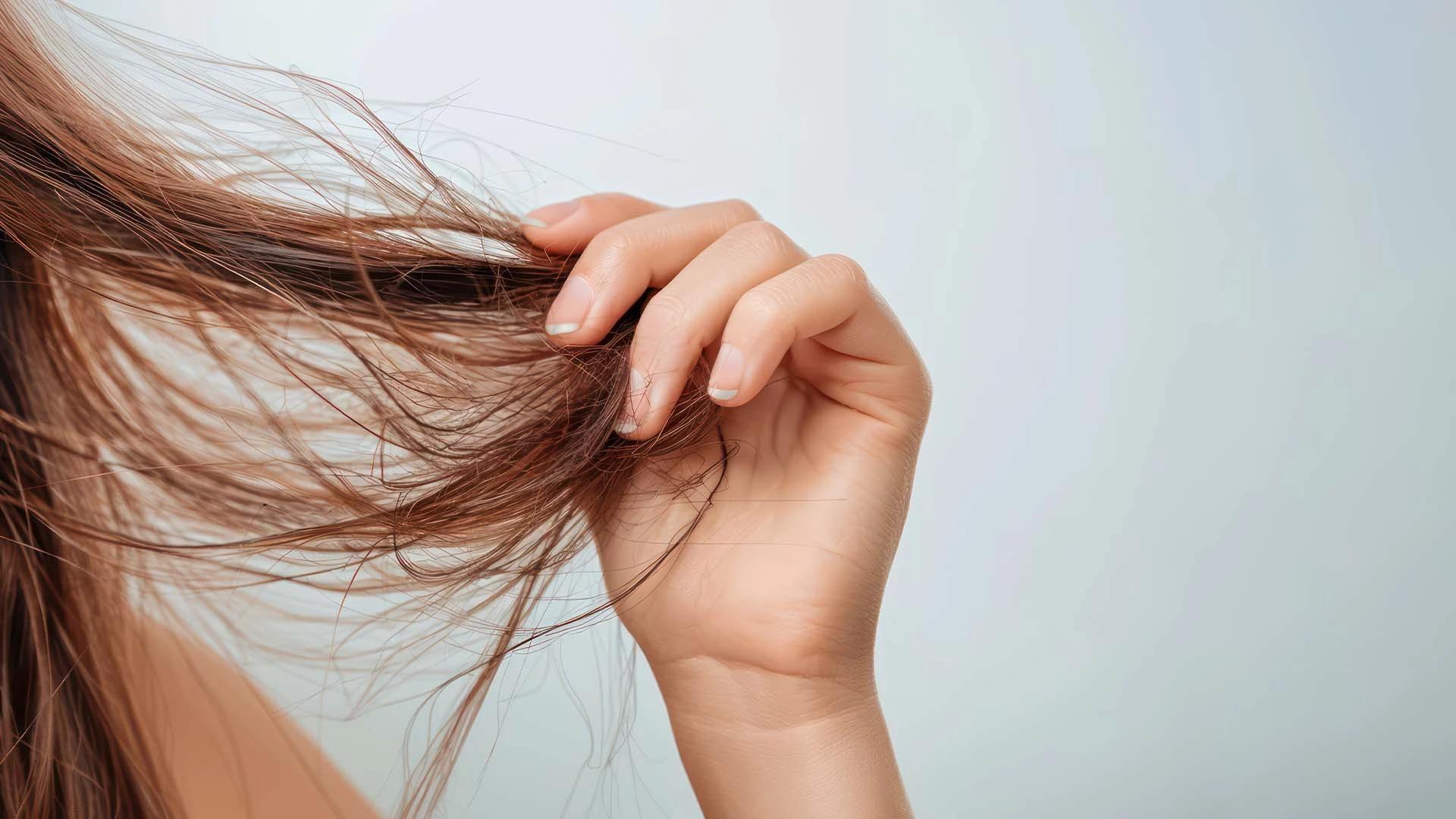
Spot any of these? Your hair is basically sending you an SOS. Visible split ends that seem to multiply overnight, persistent frizz that no amount of smoothing serum can tame, and hair that feels rough to the touch are all red flags. If your hair lacks shine, breaks easily, or tangles constantly, it's time for a damaged hair care intervention.
Here's where the magic happens—before you even think about shampooing. Pre-wash oil treatments are like giving your hair a drink of water before it gets cleaned. This step is crucial for hair hydration because it creates a protective barrier that prevents your shampoo from stripping away too much moisture. The key is choosing the right oil for your hair type. Coconut oil works brilliantly for most hair types, but if your hair is protein-sensitive, it might feel a bit heavy. Argan oil is perfect for fine, dry hair because it's lightweight but deeply nourishing. For thicker, coarser hair, olive oil provides intense moisture, while jojoba oil closely mimics your scalp's natural oils.
Section your hair into manageable parts—this ensures every strand gets attention. Focus on the mid-lengths to ends, where damage is usually worst. Your scalp might need some love too, especially if you're dealing with dry scalp treatment needs. Gently massage the oil in, then leave it for at least 30 minutes. For seriously damaged hair, overnight treatments work wonders.
This might sound obvious, but how you wash your hair makes a huge difference. Most people are overwashing and using products that are way too harsh. If you're washing daily, your hair is probably getting stripped of its natural oils faster than it can replace them. Sulfate-free shampoos are your best friend here. Sulfates are the ingredients that make shampoos foam up, but they're also incredibly drying. Look for gentle, moisturising hair formulas that clean without being aggressive. Aim to wash just 2-3 times a week—your hair will thank you.
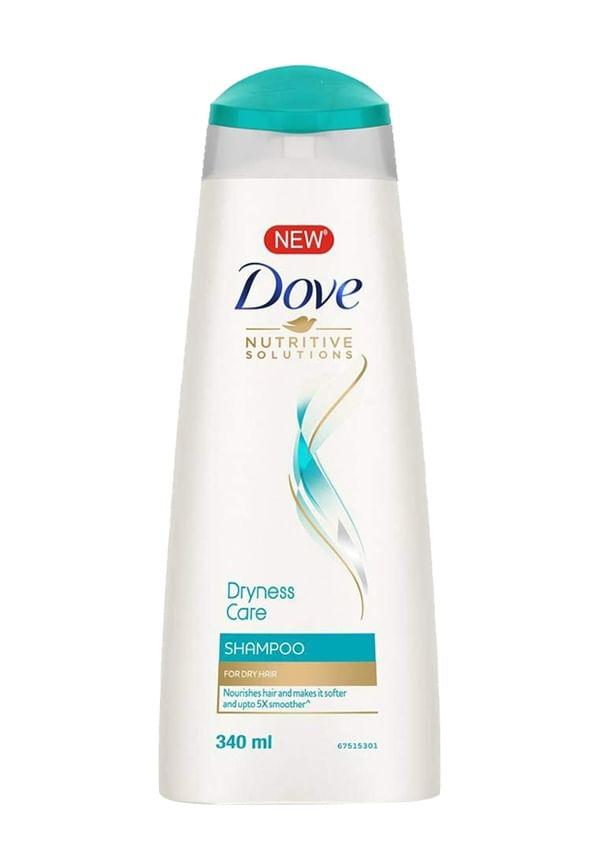 340 ml
Dryness Care Shampoo
Focus your shampoo on your scalp, not your lengths. Your scalp produces oil and collects dirt, so that's where the cleaning action needs to happen. Let the suds rinse through your lengths—that's enough to clean them without causing damage. Use lukewarm water instead of hot, which can be incredibly drying.
If regular conditioner is like a light snack for your hair, deep conditioning treatments are the full three-course meal. Hair masks for dry hair should be a weekly ritual, not an occasional treat. These treatments penetrate deeper into your hair shaft, providing intense moisture and helping with hair repair. Look for masks with ingredients like hyaluronic acid for moisture retention, keratin for structural repair, and natural goodies like honey or avocado. The key is finding the right balance between protein and moisture—too much protein can make hair brittle, while too much moisture can make it limp.
Both have their place. DIY masks using ingredients like mashed banana, honey, and olive oil can be incredibly nourishing and budget-friendly. However, professionally formulated masks often have ingredients that can penetrate the hair shaft more effectively. Try both and see what your hair prefers.
Leave-in conditioner is like having a bodyguard for your hair all day long. It provides ongoing moisture, helps with detangling, and offers some protection against environmental damage. The trick is layering your products correctly—think of it like skincare for your hair. Start with a leave-in conditioner on damp hair, focusing on the mid-lengths and ends. Then, if you need extra frizz control, add a small amount of serum or cream. This layering approach helps tackle multiple issues while providing comprehensive frizzy hair solutions.
Creams work well for thicker, coarser hair that needs more moisture, while lighter serums are perfect for fine hair that can get weighed down easily. Look for products with humidity-blocking ingredients if you live in a particularly humid climate.
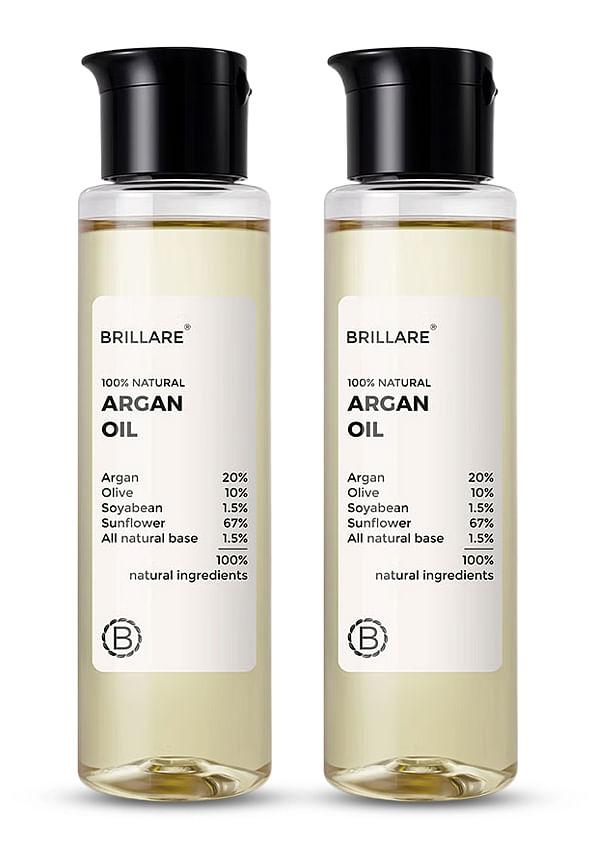 Combo
ComboArgan Oil For Dry, Frizzy Hair| Pack Of 2
We get it—sometimes you need your straightener or curling iron to achieve the look you want. But if you're using heat tools regularly without proper protection, you're basically cooking your hair. Heat damage is cumulative, meaning it builds up over time and can be really difficult to reverse. When you do use heat, always apply a heat protectant first. Look for products that offer protection up to at least 200°C. Keep your tools on the lowest effective temperature—you don't always need maximum heat to get good results.
Try to give your hair heat-free days whenever possible. Air-drying with the right products can give you beautiful, natural texture. Overnight braids create lovely waves without any heat damage. These gentler styling methods are much better for maintaining hair hydration and preventing further damage.
What happens while you sleep can make or break your hair health. Cotton pillowcases can create friction that leads to breakage and frizz. Switching to silk or satin pillowcases reduces this friction significantly, helping your hair retain moisture and reducing tangles. Consider protective hairstyles for sleep, especially if you have longer hair. Loose braids or a silk scrunchie can prevent your hair from getting tangled and damaged while you toss and turn.
Once or twice a week, try an overnight oil treatment or deep conditioning mask. Your hair has hours to absorb all that goodness, and you wake up with noticeably softer, more manageable hair. Just remember to protect your pillowcase with a towel or old pillowcase.
Regular trims are crucial for maintaining healthy hair. Even if you're trying to grow your hair out, trimming every 6-8 weeks prevents split ends treatment from becoming a bigger problem. Split ends can travel up the hair shaft, causing more damage if left unchecked. Protecting your hair from environmental damage is just as important as your daily routine. UV rays can fade colour and dry out your hair, so consider products with SPF or wear a hat when you're spending time outdoors.
Your hair's needs change with the seasons. Winter heating and summer sun both present different challenges. Be prepared to adjust your routine—you might need richer products in winter and lighter, UV-protective formulas in summer. When you're exploring new products for your dry hair care routine, platforms like Smytten make it so much easier to find what works for your hair without the commitment of full-size purchases. With trial packs from trusted brands, you can test different hair oils for dry hair, masks, and treatments to build your perfect routine. It's all about finding what your hair loves without the guesswork.
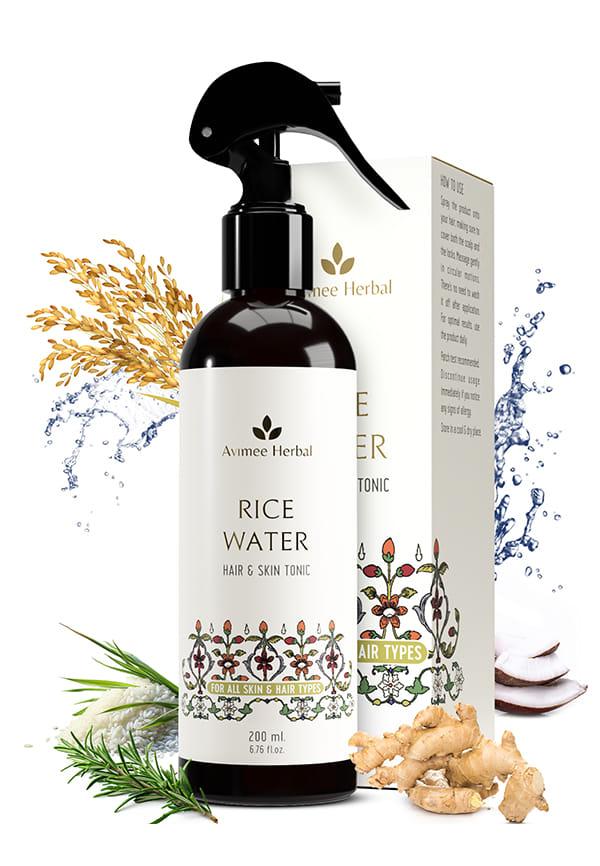 200 ml
Rice Water for Hair Health
Most people start noticing improvements within 2-4 weeks of consistent care. Your hair grows about half an inch per month, so the new, healthier hair will gradually replace the damaged lengths. Be patient and stick with your routine.
Colour-treated hair often needs extra care because the chemical process makes hair more porous and prone to dryness. Look for colour-safe products and consider adding an extra weekly deep conditioning treatment to your routine.
Dry hair lacks moisture but the structure is still intact. Damaged hair has structural problems like broken cuticles or split ends. Dry hair can often be fixed with the right moisturising hair routine, while damaged hair might need more intensive repair treatments.
Definitely not. Overwashing strips your hair of natural oils, making dryness worse. Aim for 2-3 times per week maximum, and use dry shampoo between washes if needed.
Transforming dry, damaged hair doesn't happen overnight, but with the right approach, you can definitely see real improvements. The key is consistency and understanding what your hair actually needs. Start with one or two of these tips rather than overhauling your entire routine at once—your hair will respond better to gradual changes. Remember, everyone's hair is different, so what works for your friend might not work for you. That's where trial and error comes in, and honestly, that's part of the fun. With platforms like Smytten offering trial-sized products from over 1,500 trusted brands, you can experiment with different hair masks for dry hair, oils, and treatments without breaking the bank. The platform's approach of letting you try before you commit to full-size purchases is perfect for building a personalised dry hair care routine that actually works for your unique hair needs. Your hair journey is exactly that—a journey. Be patient with yourself and your hair, celebrate the small wins, and remember that healthy hair is always worth the effort.
