7 Pro Tips for Healthy Scalp & Gorgeous Hair

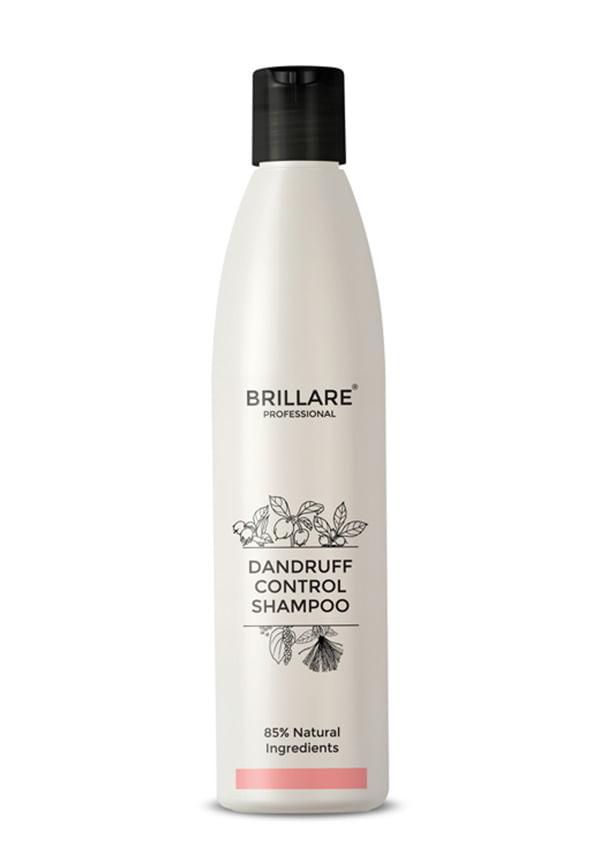 300 ml
Dandruff Control Shampoo For Itchy, Flaky Scalp
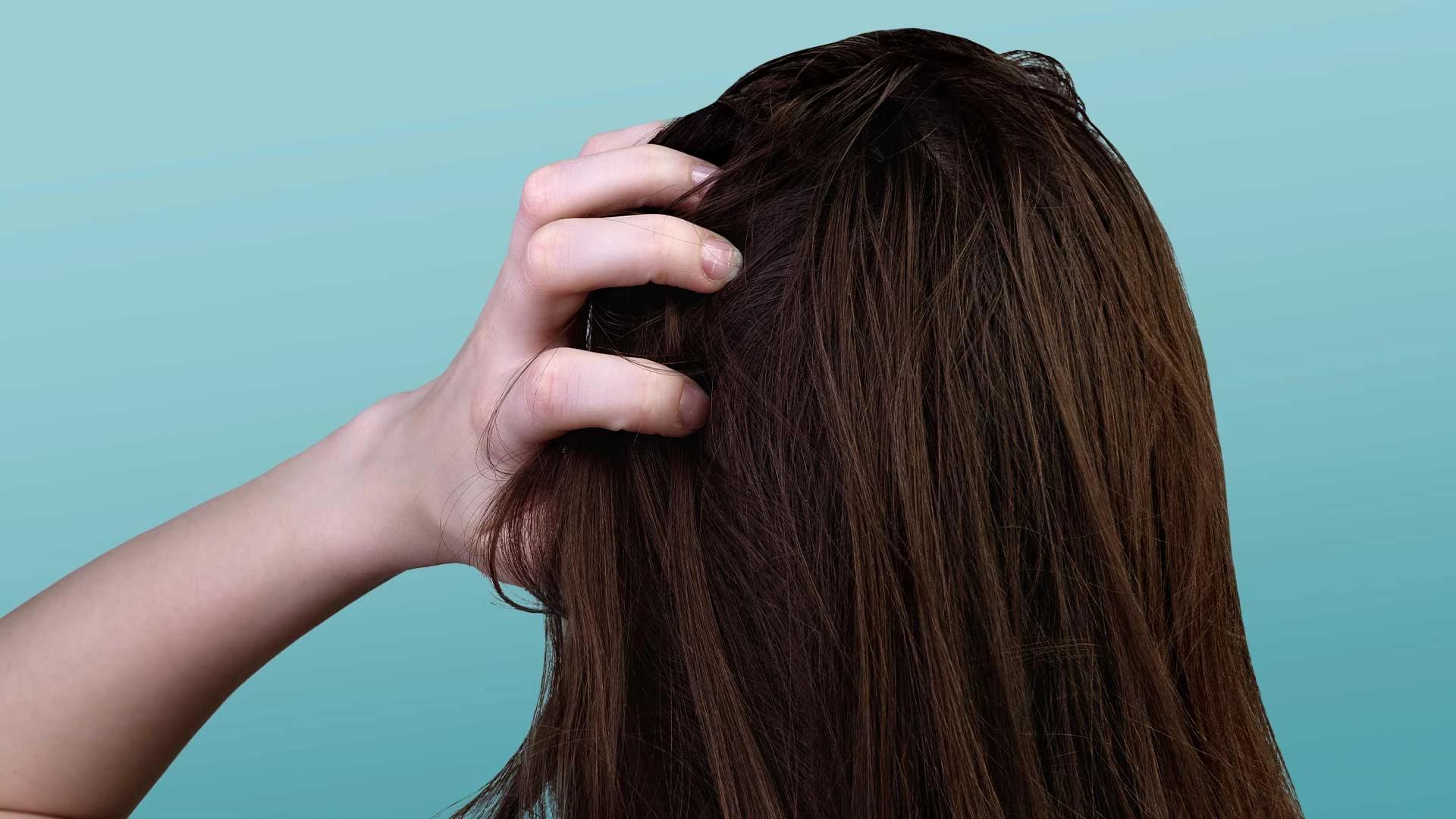
Let's be real—most of us focus on our hair while completely ignoring what's happening underneath. Your scalp is literally the foundation of gorgeous hair, yet it's often the most neglected part of our haircare routine. Think of it this way: you wouldn't expect a garden to flourish without healthy soil, right? The same logic applies to your hair. A healthy scalp creates the perfect environment for strong, shiny hair to grow. Whether you're dealing with dryness, itchiness, or just want to level up your hair game, these seven expert tips for healthy scalp care will transform your routine. Ready to discover what your hair has been missing?
Your scalp health directly impacts everything from hair growth to shine. When your scalp is balanced and happy, it creates the ideal conditions for hair follicles to produce strong, healthy strands. But when things go wrong up there, your hair suffers too.
A healthy scalp feels comfortable throughout the day. You won't notice any tightness, itching, or irritation. The skin should look clear without excessive flaking or redness. Oil production stays balanced—not too greasy, not too dry. Your hair feels clean for a reasonable amount of time after washing. Unhealthy scalps tell a different story. You might notice constant itching, visible flakes, tender spots, or an oily feeling just hours after washing. Some people experience tightness or burning sensations, especially after using certain products.
Dry scalp often leads to brittle, lacklustre hair that breaks easily. When your scalp lacks moisture, it can't properly nourish hair follicles. Oily scalp solutions become necessary when excess sebum weighs hair down and creates an environment for bacterial growth. Dandruff control isn't just about appearance—flakes can actually clog follicles and slow hair growth.
Gentle cleansing forms the backbone of any effective scalp care routine. How you wash your hair matters more than what you wash it with. The goal is removing buildup and excess oil without stripping your scalp's natural protective barrier.
Sulfates create that satisfying lather we associate with cleanliness, but they're often too harsh for daily use. These detergents can disrupt your scalp's pH balance and strip away beneficial oils. Look for gentle cleansers with ingredients like coconut-derived surfactants or amino acid-based formulas.
Focus your shampoo on the scalp, not the hair lengths. Use your fingertips (never nails) to massage in circular motions. This stimulates circulation while avoiding scratches that could lead to irritation. Rinse thoroughly—leftover product residue is a common cause of scalp issues.
Just like your face, your scalp benefits from regular exfoliation. Dead skin cells, product buildup, and excess oils can accumulate over time, creating an unhealthy environment for hair growth.
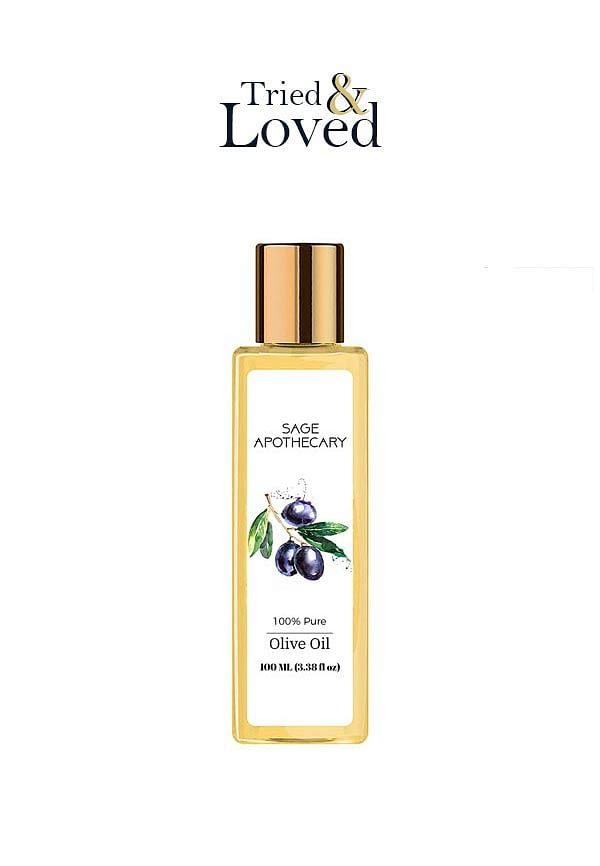 100 ml
Olive Oil for Hair
Regular exfoliation unclogs hair follicles, allowing them to function properly. It removes the barrier that prevents nutrients from reaching your hair roots. Plus, the massaging action improves blood circulation, delivering more oxygen and nutrients to follicles.
Apple cider vinegar rinses work brilliantly for gentle chemical exfoliation. Mix one part vinegar with three parts water and apply after shampooing. For physical exfoliation, try mixing brown sugar with your regular shampoo once weekly. Commercial scalp treatment options often contain salicylic acid or glycolic acid for deeper cleansing.
Scalp massage isn't just relaxing—it's scientifically proven to support hair health. Regular massage increases blood flow to hair follicles, potentially promoting growth and thickness.
Studies show that daily scalp massage can increase hair thickness over time. The mechanical stimulation stretches cells within hair follicles, potentially encouraging growth. Massage also reduces stress hormones that can negatively impact hair health.
Spend five minutes daily massaging your scalp with gentle, circular motions. Start at your hairline and work towards the crown. You can use your fingertips or invest in a scalp massage tool. Adding a few drops of rosemary or peppermint oil can enhance circulation benefits.
Different scalp types require tailored approaches. Understanding your specific concerns helps you choose the right treatments and avoid products that might make things worse.
Hydration starts from within—aim for eight glasses of water daily. Consider adding a humidifier to your bedroom, especially during winter months. For topical treatment, try overnight oil treatments with jojoba or argan oil. These lightweight oils moisturise without clogging pores.
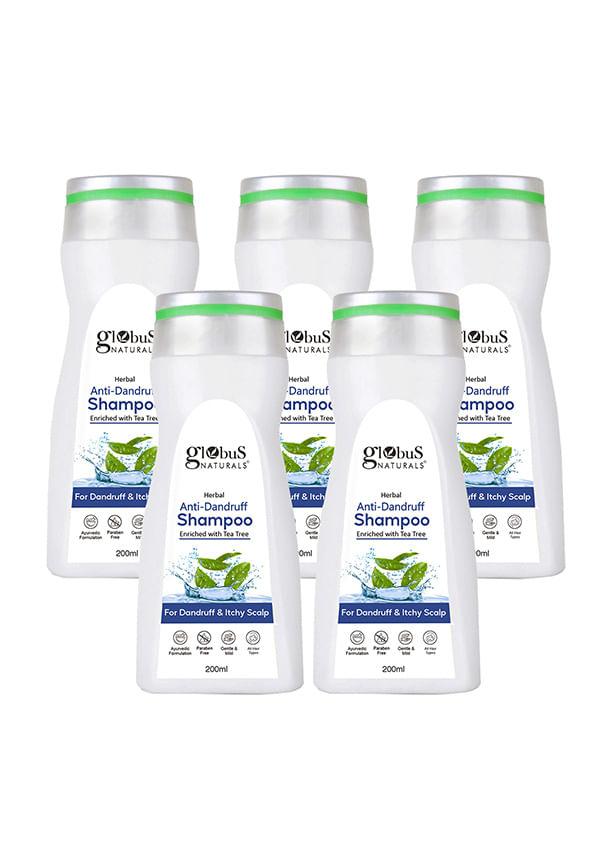 200 ml*5
Anti Dandruff Shampoo, For Dandruff and Itchy Scalp
Tea tree oil has natural antifungal and antibacterial properties that can soothe irritation. Aloe vera gel provides cooling relief and reduces inflammation. Stress management is crucial too—high cortisol levels can trigger scalp sensitivity. Try meditation or yoga to keep stress in check.
Paradoxically, over-cleansing oily scalps often makes the problem worse. Your scalp produces more oil to compensate for what's been stripped away. Clay masks once weekly can absorb excess oil without disrupting your scalp's natural balance. Bentonite or kaolin clay work particularly well.
Your entire haircare routine should support scalp health, not just your cleansing step. Small adjustments to your daily habits can make a significant difference in scalp condition.
Hot water feels amazing but strips natural oils from your scalp. Rinse with lukewarm water and finish with a cool blast to seal hair cuticles and stimulate circulation. Limit heat styling and always use thermal protection products when you do style with heat.
Avoid heavy silicones that can build up on your scalp over time. Look for water-soluble silicones or silicone-free formulas. When applying conditioners or treatments, focus on mid-lengths to ends rather than the scalp area. This prevents clogged follicles while still nourishing your hair.
What you put into your body directly affects what grows out of your scalp. A balanced diet rich in specific nutrients supports optimal scalp health and hair growth.
Omega-3 fatty acids reduce inflammation throughout your body, including your scalp. Biotin supports keratin production, while zinc helps regulate oil production. Iron deficiency is linked to hair loss, so ensure you're getting enough through diet or supplements. Don't forget about vitamin D—many people are deficient, and it plays a role in hair follicle health.
Smoking reduces circulation to your scalp, limiting nutrient delivery to hair follicles. Chronic stress elevates cortisol, which can trigger scalp sensitivity and hair loss. Poor sleep quality affects hormone balance and cellular repair processes. Aim for seven to nine hours of quality sleep nightly.
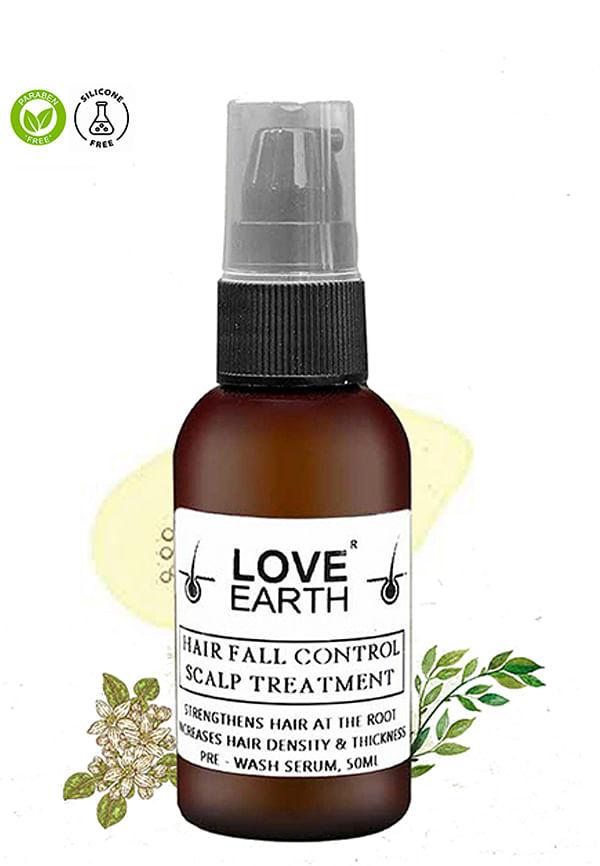 50 ml
50 mlHair Fall Control Scalp Treatment
Sometimes DIY approaches aren't enough. Knowing when to seek professional help can save you months of frustration and prevent minor issues from becoming major problems.
Persistent dandruff that doesn't respond to over-the-counter treatments might require prescription solutions. Sudden hair loss, severe itching, or painful scalp conditions warrant professional evaluation. A dermatologist can identify underlying conditions like seborrheic dermatitis or psoriasis.
Professional scalp analysis can reveal issues you might miss at home. Deep cleansing treatments remove stubborn buildup that regular shampooing can't tackle. Some salons offer scalp facials with specialised masks and massage techniques. These treatments can reset your scalp health and provide a fresh start for your routine. With so many haircare products available, finding the right ones for your scalp type can feel overwhelming. Smytten makes this journey easier by offering curated trial packs from over 1,500 trusted brands. You can explore different scalp treatments and shampoos without committing to full-size purchases, helping you discover what works best for your unique needs.
Most people notice initial improvements within two to four weeks of consistent scalp care. However, significant changes in hair quality and growth can take three to six months, as this reflects the hair growth cycle.
Some gentle face products work well on scalps, particularly those with similar skin concerns. However, scalp skin is thicker and has different needs than facial skin. Always patch test first and avoid products with high concentrations of active ingredients.
This depends on your scalp type and lifestyle. Oily scalps might need daily washing, while dry scalps benefit from washing every two to three days. Listen to your scalp—if it feels uncomfortable or looks greasy, it's time to wash.
Price doesn't always indicate effectiveness. Many affordable ingredients like tea tree oil, apple cider vinegar, and gentle cleansers work excellently for scalp health. Focus on ingredients and your scalp's response rather than price tags.
Healthy scalp care doesn't have to be complicated or expensive. These seven tips for healthy scalp maintenance can transform your hair from the roots up. Start with gentle cleansing and gradually incorporate other techniques like massage and exfoliation. Remember, consistency matters more than perfection—small daily actions create lasting results. The key is finding products and routines that work for your unique scalp type. With platforms like Smytten, you can experiment with different brands and formulations through trial packs, making it easier to build your perfect scalp care routine. Your scalp health journey is personal, so take time to understand what your scalp needs and respond accordingly. After all, gorgeous hair starts with a healthy foundation.
