7 Key Reasons for Hair Loss Explained

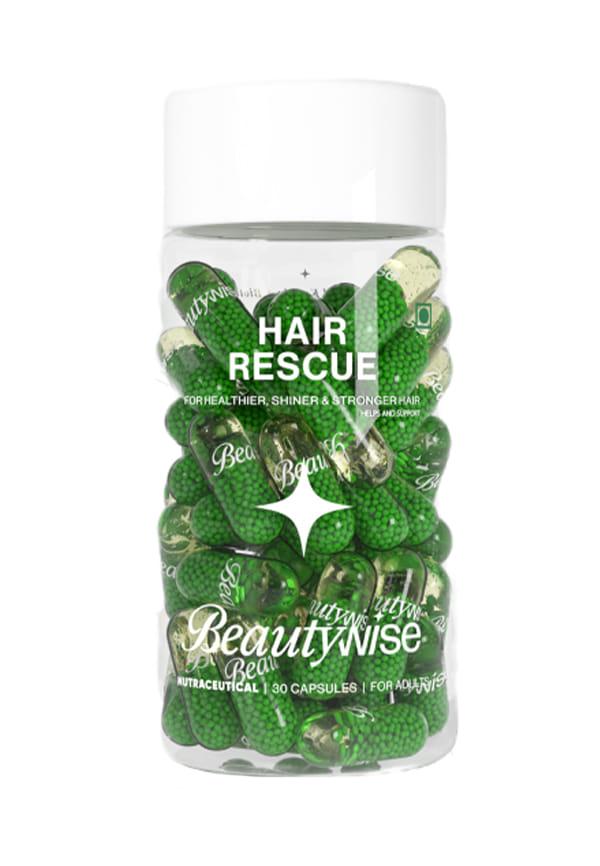 30 capsules
Hair Rescue, Hair Aminos, Vitamins, DHT Blocker for Hairfall Control & Growth
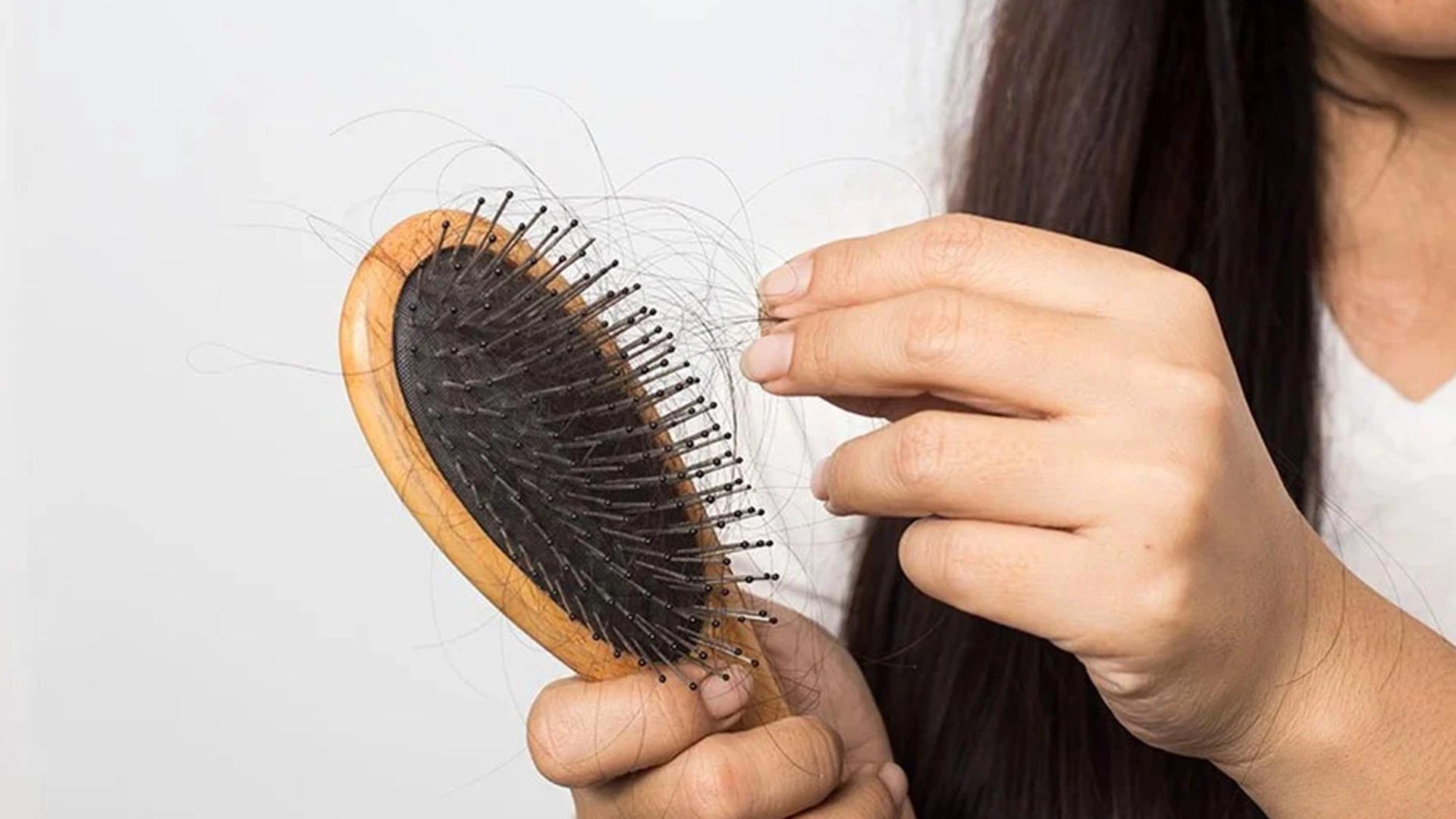
Let's be real—finding clumps of hair in your brush or noticing your parting getting wider can be properly scary. Hair loss affects millions of people worldwide, and whilst it's completely normal to shed 50-100 strands daily, excessive hair shedding or thinning can signal underlying issues that need attention. Understanding the reasons for hair loss is the first step towards finding the right solution for your specific situation. From genetic factors to lifestyle choices, there are multiple hair loss causes that could be affecting your locks. Let's dive into the seven key culprits behind hair thinning and what you can actually do about them.
Before we explore the specific reasons for hair loss, it's worth understanding what's actually happening up there. Your hair grows in cycles—anagen (growth phase), catagen (transition), and telogen (resting phase). During a healthy cycle, about 85% of your hair is actively growing whilst the rest is chilling in the resting phase. Hair follicle health is crucial for maintaining this cycle. When follicles become damaged, inflamed, or affected by hormones, they can shrink, produce thinner hair, or stop producing hair altogether. Normal hair shedding involves losing 50-100 strands daily, but when you're losing significantly more or noticing visible thinning, that's when it becomes a concern. Interestingly, hair loss patterns differ between men and women. Blokes typically experience receding hairlines and crown thinning, whilst women often notice overall thinning or a widening parting. Understanding these patterns helps identify the underlying cause and choose appropriate treatments.
Now let's get into the nitty-gritty of what's actually causing your hair to bid farewell. These seven hair loss causes cover the vast majority of cases, and identifying yours is key to finding the right solution.
This is the big one—accounting for about 95% of hair loss in men and being the most common cause in women too. Androgenetic alopecia, also known as male or female pattern baldness, is one of the most prevalent types of hair loss. The culprit here is dihydrotestosterone (DHT), a hormone that causes hair follicles to shrink over time. If you've inherited the genetic sensitivity to DHT, your follicles will gradually produce thinner, shorter hair before eventually stopping altogether. Men typically see this as a receding hairline or crown thinning, whilst women experience diffuse thinning across the top of the scalp. The good news? There are proven baldness treatments available, including FDA-approved medications like minoxidil and finasteride that can slow progression and sometimes even regrow hair.
Hormones can be proper troublemakers when it comes to hair health. Pregnancy, menopause, thyroid disorders, and conditions like PCOS can all trigger significant hair thinning. During pregnancy, elevated oestrogen levels keep hair in the growth phase longer, making it appear thicker. But after delivery, hormone levels plummet, causing what feels like massive hair loss (though it's actually just delayed shedding). Menopause brings declining oestrogen and relatively higher androgen levels, leading to gradual thinning. Thyroid disorders are sneaky causes of hair loss. Both overactive and underactive thyroid can disrupt the hair growth cycle, causing diffuse thinning. PCOS, with its elevated androgen levels, can cause male-pattern hair loss in women.
Your hair follicles are some of the most metabolically active cells in your body, so they're particularly sensitive to nutritional shortfalls. Iron deficiency is the most common nutritional cause of hair loss, especially in women. Vitamin D deficiency has been linked to alopecia and poor hair growth. B vitamins, particularly B12 and biotin, are essential for hair health. Protein deficiency can also cause hair to become thin and brittle, as hair is primarily made of protein. Crash dieting or sudden weight loss can trigger telogen effluvium—a type of temporary hair loss where follicles prematurely enter the resting phase. This usually resolves once proper nutrition is restored.
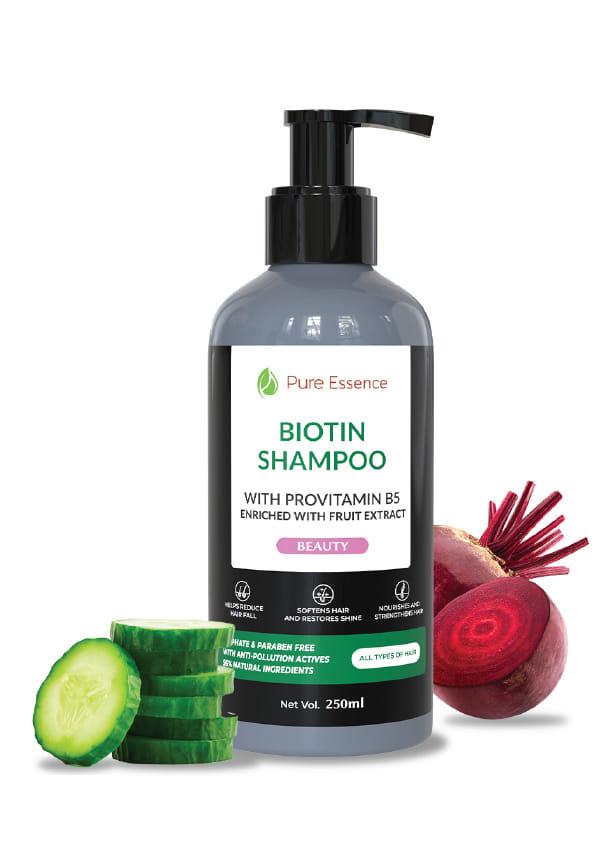 250 ml
Biotin Shampoo | Softens Hair | Nourishes Scalp | Lowers Hairfall
Several medical conditions can manifest as hair loss, making it important to recognise the hair loss symptoms that might indicate an underlying health issue. Alopecia areata is an autoimmune condition causing patchy hair loss. Your immune system mistakenly attacks hair follicles, creating smooth, round bald patches. This can progress to total scalp hair loss (alopecia totalis) or complete body hair loss (alopecia universalis). Scalp infections, particularly fungal conditions like ringworm, can cause localised hair loss with scaling and inflammation. Chronic illnesses, cancer treatments, and certain autoimmune diseases can also disrupt the hair growth cycle.
Many medications can cause hair loss as a side effect. Chemotherapy is the most well-known, but blood thinners, beta-blockers, antidepressants, and even some birth control pills can trigger hair shedding. The mechanism varies—some medications disrupt the hair growth cycle, whilst others affect hormone levels or nutrient absorption. The good news is that medication-induced hair loss is usually reversible once the medication is stopped or changed. If you suspect your medication is causing hair loss, never stop taking it without consulting your doctor. They might be able to adjust the dose or switch to an alternative.
Stress is a major player in hair loss, and it comes in two forms: physical and emotional. Severe physical stress from surgery, illness, or trauma can trigger telogen effluvium, where large numbers of follicles enter the resting phase simultaneously. Chronic emotional stress elevates cortisol levels, which can disrupt the hair growth cycle and contribute to hair thinning. Sleep deprivation, another form of stress, affects hormone production and can impact hair health. Stress-related hair loss typically occurs 2-3 months after the stressful event, which can make it tricky to identify the connection. The silver lining? This type of hair loss is usually temporary and resolves once stress levels normalise.
Sometimes we're our own worst enemy when it comes to hair health. Tight hairstyles like ponytails, braids, or buns can cause traction alopecia—gradual hair loss from constant pulling on the follicles. Heat styling tools, chemical treatments like perms or relaxers, and excessive brushing can damage hair and weaken follicles. Environmental factors like pollution, UV exposure, and harsh water can also contribute to hair damage and loss. The key to preventing hair loss from styling practices is being gentle with your hair and giving it regular breaks from tight styles and heat styling.
Knowing when normal hair shedding becomes problematic hair loss can be tricky. Here are the key hair loss symptoms to watch for. Excessive shedding is usually the first sign—finding significantly more hair on your pillow, in the shower drain, or on your brush. Visual changes include a widening parting, receding hairline, or noticeable thinning at the crown. Scalp changes can also indicate problems. Inflammation, itching, scaling, or tenderness might suggest an underlying condition affecting hair growth. The timeline matters too—sudden hair loss over weeks suggests a different cause than gradual thinning over years. Different types of hair loss have distinct patterns. Male pattern baldness typically starts with temple recession or crown thinning. Female pattern hair loss usually presents as diffuse thinning across the top of the scalp. Patchy hair loss might indicate alopecia areata or other conditions.
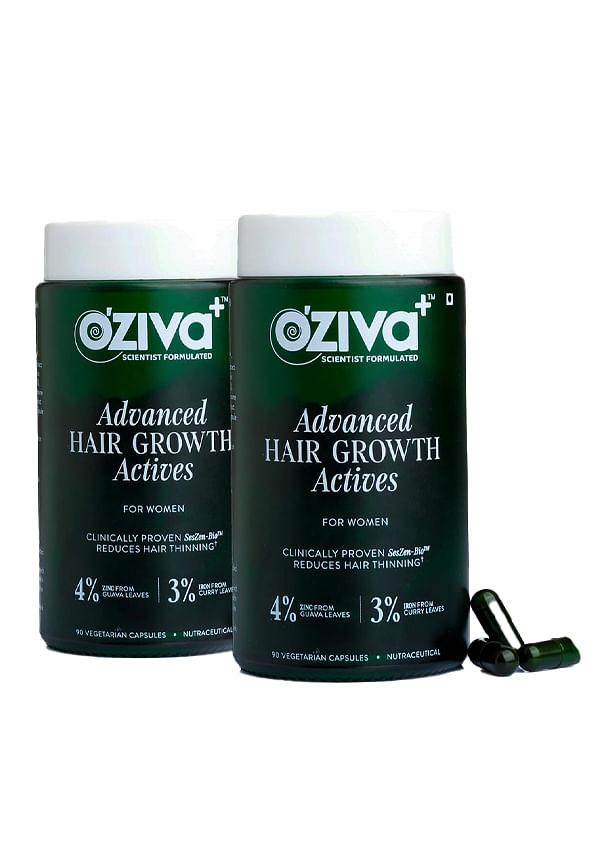 90 N
90 NAdvanced Hair Growth Actives | Anti-Thinning Hair Formula for Women
The good news is that many hair loss causes are treatable, and early intervention often yields the best results. Treatment approaches vary depending on the underlying cause.
FDA-approved baldness treatments include minoxidil (available over-the-counter) and finasteride (prescription-only for men). Minoxidil works by improving blood flow to follicles and extending the growth phase. Finasteride blocks DHT production, addressing the root cause of androgenetic alopecia. For specific conditions like alopecia areata, treatments might include corticosteroid injections, topical immunotherapy, or newer medications like JAK inhibitors. Hair transplant procedures have also become more sophisticated, offering natural-looking results for suitable candidates. Emerging therapies like platelet-rich plasma (PRP) injections and low-level laser therapy show promise, though more research is needed to establish their effectiveness.
Proper nutrition supports hair follicle health and can help prevent nutritionally-related hair loss. A balanced diet rich in iron, protein, vitamins, and minerals provides the building blocks for healthy hair growth. Stress management techniques like meditation, exercise, and adequate sleep can help reduce stress-related hair loss. Gentle haircare for hair loss includes using mild shampoos, avoiding tight hairstyles, and minimising heat styling. When exploring haircare products, finding the right ones for your specific needs can be overwhelming. Smytten, India's largest product discovery platform, offers curated trial packs from over 1,500 trusted brands, letting you explore different haircare solutions before committing to full-size purchases. With options from brands like Cetaphil and Bella Vita, you can discover what works for your hair type without the usual trial-and-error expense.
Certain red flags require immediate medical attention: sudden, severe hair loss; hair loss accompanied by scalp pain or inflammation; or patchy hair loss that might indicate alopecia areata. A dermatologist or trichologist can properly diagnose the cause of your hair loss and recommend appropriate treatments. They might perform blood tests to check for nutritional deficiencies, hormone imbalances, or underlying medical conditions. Setting realistic expectations is crucial—hair growth is slow, and most treatments take 3-6 months to show results. Some types of hair loss are progressive, so early intervention often yields better outcomes.
Androgenetic alopecia (genetic hair loss) accounts for 95% of hair loss in men and is the most common cause in women, affecting hair follicles' sensitivity to DHT hormone.
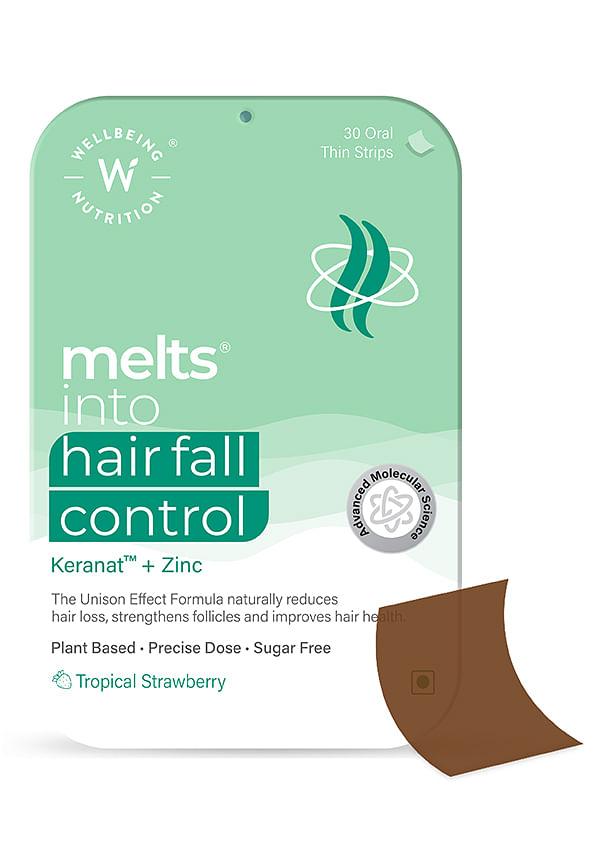 Pack of 30
Melts Hair Fall Control Keranat & Zinc, Hair Loss Support to Improve Hair Anchoring (30 Oral Strips)
Iron deficiency is the most common nutritional cause, followed by vitamin D, B12, and biotin deficiencies, which can disrupt the hair growth cycle.
Whilst immediate stopping isn't possible, identifying and addressing the underlying cause (stress, nutrition, medical conditions) combined with gentle hair care can minimise further loss within weeks.
Hormonal changes (pregnancy, menopause), thyroid disorders, iron deficiency, PCOS, stress, and genetic predisposition are the primary causes in women.
Stress-related hair loss is usually temporary. Telogen effluvium from severe stress typically resolves within 6-12 months once stress levels normalise and proper hair care is maintained.
Consult a healthcare provider if you experience sudden, severe hair loss; hair loss with scalp symptoms like pain or inflammation; or if hair loss is affecting your quality of life.
Understanding the reasons for hair loss is your first step towards finding an effective solution. Whether it's genetic factors, hormonal changes, nutritional deficiencies, or lifestyle factors, most causes of hair loss are treatable when addressed properly. The key is early identification and appropriate treatment. Don't wait until hair loss becomes severe—the earlier you address it, the better your chances of maintaining and potentially regrowing your hair. Remember that preventing hair loss is often easier than treating advanced cases. With over 25 million users trusting Smytten's curated approach to product discovery, you can explore various haircare solutions through trial packs before making larger investments. After all, why settle for 'maybe' when you can try different products and find what actually works for your specific hair concerns? Whether you're dealing with hair thinning, exploring haircare for hair loss, or simply wanting to maintain healthy hair, the right products are out there—you just need to find your perfect match.
