7 Hidden Causes of Brittle Hair You Must Know


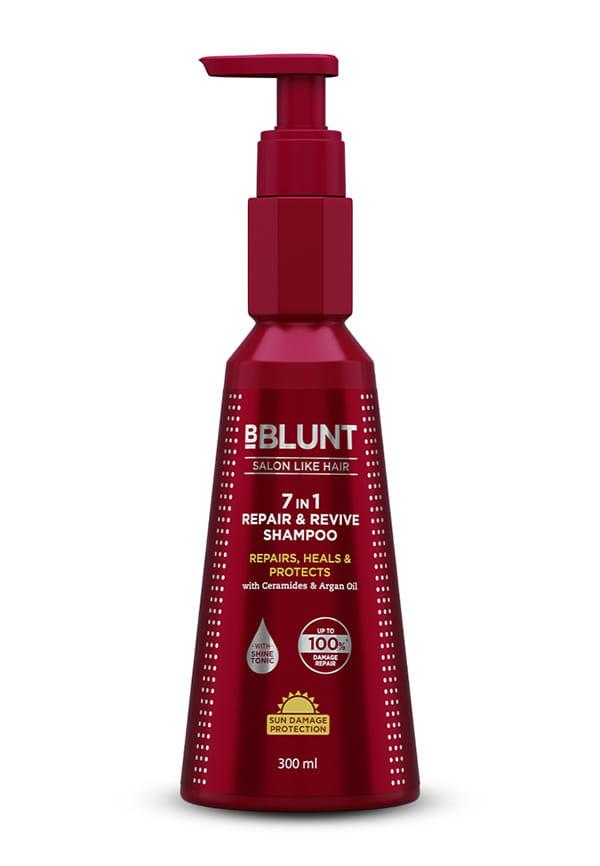 300 ml
7 in 1 Repair & Revive Shampoo for Upto 100% Damage Repair
Ever wondered why your hair feels like straw despite using expensive shampoos and treatments? You're not alone. While most people blame heat styling and chemical treatments for brittle hair, the real culprits often lurk beneath the surface. From hidden nutrient gaps to sneaky environmental toxins, these lesser-known causes of brittle hair might be sabotaging your hair health without you even realising it. Let's dive into the seven surprising factors that could be turning your locks from luscious to lifeless.
Brittle hair isn't just about bad hair days—it's your strands crying out for help. Unlike healthy hair that bends and bounces back, damaged hair snaps at the slightest touch. Think of it like the difference between fresh celery and week-old lettuce. Fresh celery bends, old lettuce breaks.
The telltale signs are hard to miss: split ends that seem to multiply overnight, strands that break when you brush them, and that awful straw-like texture that no amount of conditioner seems to fix. Your hair might also look dull, feel rough to the touch, and tangle more easily than usual. When hair weakness sets in, even gentle styling can lead to breakage.
Real talk—most haircare advice focuses on the obvious stuff like heat damage and over-processing. But what if the real problem starts from within? These seven hidden causes might be the missing piece of your hair health puzzle.
Nutrient deficiency is like trying to build a house without proper materials—your hair simply can't form strong, healthy strands. Your body prioritises essential organs first, so your hair gets whatever's left over.
Biotin deficiency tops the list because this B-vitamin is crucial for keratin production. Without enough biotin, your hair structure becomes compromised from the inside out. Iron deficiency is another sneaky culprit—your hair follicles need iron to function properly, and low levels can make strands weak and prone to breakage.
Don't overlook omega-3 fatty acids either. These healthy fats keep your scalp moisturised and your hair flexible. When you're running low, your strands become dry hair that snaps easily. Protein deficiency is equally problematic since hair is basically pure protein. Without adequate intake, your body can't maintain strong hair structure.
Your hormones are like invisible puppet masters controlling your hair health behind the scenes. When they're out of whack, your hair pays the price.
Thyroid dysfunction, especially hypothyroidism, can turn healthy hair into brittle strands almost overnight. Your thyroid controls how fast your cells regenerate, including hair cells. When it's sluggish, your hair growth slows down and existing strands become weak.
Menopause brings its own set of challenges as oestrogen levels drop, making hair drier and more fragile. PCOS can flood your system with androgens that weaken hair structure. Even chronic stress pumps out cortisol, which interferes with nutrient absorption and damages hair follicles over time.
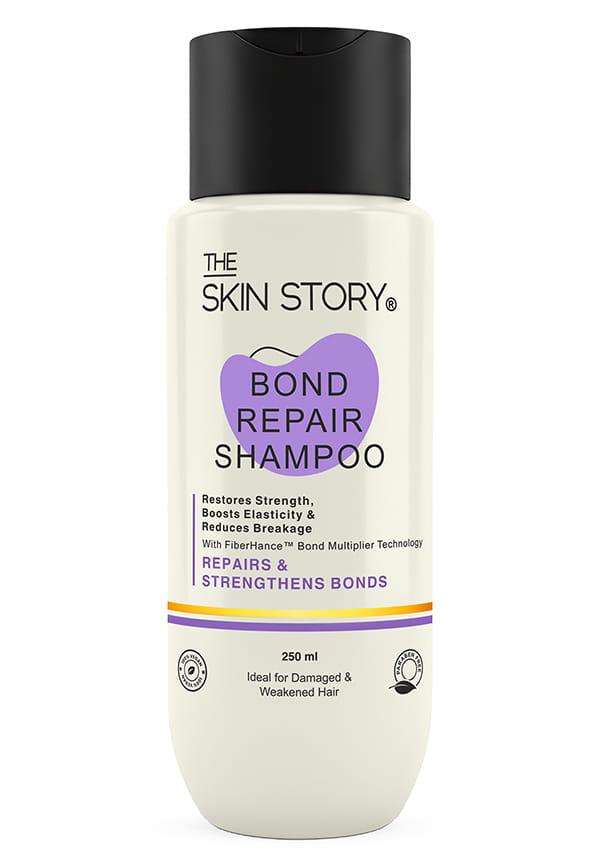 250 ml
Professional Bond Repair Shampoo For Damaged Hair
Your environment might be silently sabotaging your strands every single day. Hard water is a major offender—those mineral deposits build up on your hair shaft, making it rough and prone to breakage.
Air pollution creates free radicals that attack your hair's protective cuticle layer. Indoor heating and cooling systems strip moisture from the air, leaving your hair parched and fragile hair that breaks easily. UV radiation doesn't just damage your skin—it also breaks down the proteins in your hair, making it weak and brittle.
Even your swimming routine could be contributing. Chlorine and other pool chemicals strip natural oils and weaken hair structure, leading to increased breakage and dullness.
Your medicine cabinet might hold clues to your hair troubles. Many common medications can affect hair structure and strength in ways doctors don't always mention.
Blood thinners can interfere with nutrient delivery to hair follicles. Some antidepressants affect hormone levels that influence hair health. Birth control pills can alter your body's hormonal balance, sometimes leading to weaker hair strands.
Acne medications containing retinoids can make hair more fragile, whilst certain antibiotics can disrupt the gut bacteria that help absorb hair-healthy nutrients. If you've started a new medication and noticed changes in your hair texture, it might not be a coincidence.
Your pillow might be your hair's worst enemy. Cotton pillowcases create friction that can cause hair breakage whilst you sleep. Sleeping in tight ponytails or buns puts constant tension on your strands, weakening them over time.
Poor sleep quality affects your body's ability to repair and regenerate hair cells. When you're not getting quality rest, your hair follicles can't do their job properly. Chronic stress depletes essential nutrients your hair needs to stay strong, creating a vicious cycle of hair weakness and hair thinning.
Sometimes brittle hair is your body's way of waving a red flag about underlying health issues. Autoimmune conditions like lupus can attack hair follicles, making strands weak and prone to breakage.
Digestive issues prevent proper nutrient absorption, even if you're eating a balanced diet. Your gut health directly impacts your hair health. Kidney and liver problems can also affect how your body processes nutrients essential for strong hair.
Eating disorders create severe nutritional deficiencies that show up in your hair long before other symptoms appear. Your hair is often one of the first places your body shows signs of nutritional stress.
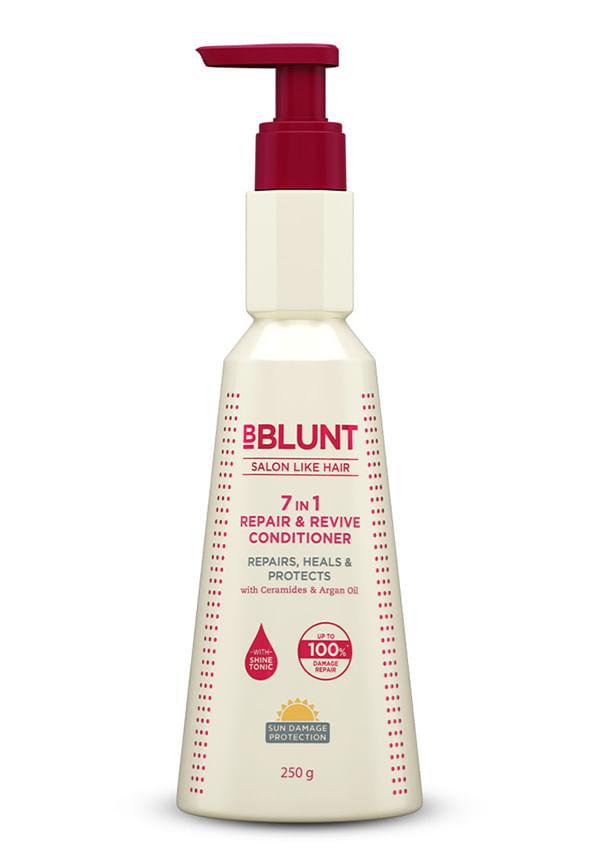 250ml
250ml7 in 1 Repair & Revive Conditioner for Upto 100% Damage Repair
Some people are simply born with hair that's more prone to damage. Genetic variations affect everything from hair thickness to cuticle structure. As you age, your hair naturally becomes more fragile due to decreased oil production and slower cell regeneration.
The cumulative effect of years of environmental exposure, styling, and natural wear also contributes to increased brittleness over time. Your hair's protective cuticle layer gradually wears down, making strands more vulnerable to damage.
Figuring out which hidden cause might be affecting your hair requires some detective work. Start by looking at when your hair problems began—did they coincide with starting new medication, a stressful life event, or dietary changes?
Keep a hair diary for a few weeks. Note when you experience the most breakage, how your hair feels on different days, and any patterns you notice. Pay attention to other symptoms too—fatigue, mood changes, or digestive issues might point to underlying health conditions affecting your hair.
If you suspect nutritional deficiencies or health conditions, consider getting blood work done. Tests for iron, vitamin D, thyroid function, and other key nutrients can reveal hidden issues. Hair analysis can also provide insights into mineral deficiencies and toxin exposure.
Once you've identified potential causes, targeted solutions can help restore your hair's strength and vitality. For nutritional deficiencies, focus on a balanced diet rich in hair-healthy nutrients. Consider supplements for biotin, iron, omega-3s, and other key vitamins, but always consult a healthcare provider first.
Address hormonal imbalances through lifestyle changes, stress management, and medical treatment when necessary. For environmental protection, invest in a good water filter, use UV protection products, and consider silk pillowcases to reduce friction damage.
If medications are the culprit, discuss alternatives with your doctor. Sometimes switching formulations or timing can help. For stress-related damage, prioritise sleep hygiene and stress-reduction techniques like meditation or yoga.
When exploring new hair care tips and products to address these issues, platforms like Smytten make it easier to find what works for your specific hair needs. With trial packs from trusted brands, you can test different solutions without committing to full-size products, making your hair recovery journey both affordable and effective.
Prevention is always better than cure when it comes to brittle hair. Start with gentle daily habits—use a wide-tooth comb on wet hair, avoid tight hairstyles, and protect your hair from environmental damage with appropriate products.
Maintain a nutrient-rich diet with plenty of protein, healthy fats, and vitamins. Stay hydrated and manage stress through regular exercise and relaxation techniques. Regular health check-ups can catch underlying issues before they affect your hair.
Consider protective styling techniques and use heat protectants when styling. Sleep on silk or satin pillowcases and avoid going to bed with wet hair. These small changes can make a big difference in maintaining strong, healthy strands.
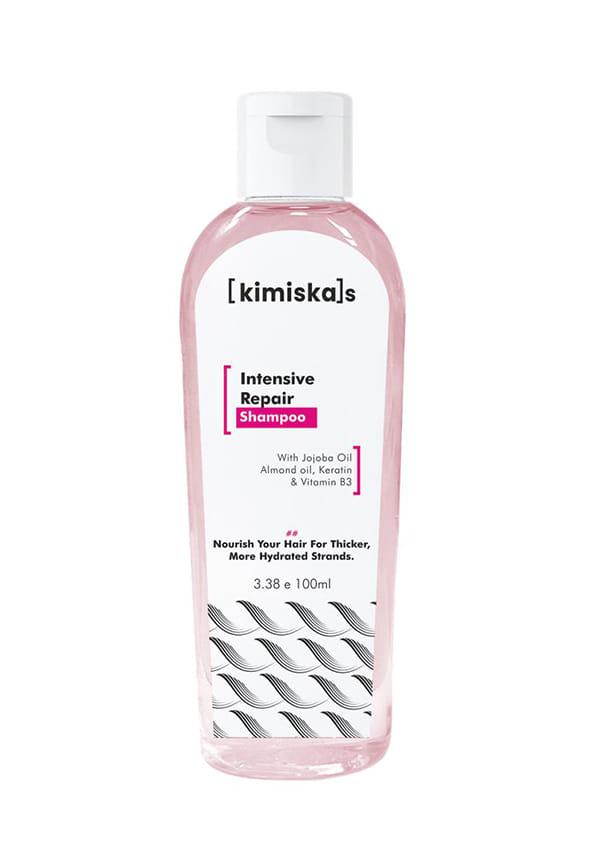 100 ml
Intensive Hair Repair Shampoo for Dry and Frizzy Hair
Multiple deficiencies can cause brittle hair, but the most common are biotin, iron, protein, and omega-3 fatty acids. Vitamin D and zinc deficiencies also play significant roles in hair weakness and breakage.
Sudden changes in hair texture often indicate hormonal shifts, stress, medication changes, or underlying health conditions. Thyroid problems, autoimmune conditions, and severe nutritional deficiencies can cause rapid changes in hair health.
Yes, brittle hair can often be improved naturally through proper nutrition, stress management, gentle hair care practices, and addressing underlying health issues. However, severely damaged hair may need to be trimmed whilst new, healthier hair grows in.
Hair grows about half an inch per month, so seeing significant improvement in new growth typically takes 3-6 months. Existing damaged hair can be improved with proper care, but complete repair may require growing out and trimming damaged sections.
Dry hair lacks moisture but maintains its elasticity, whilst brittle hair has lost its structural integrity and breaks easily. Dry hair can often be fixed with moisturising treatments, but brittle hair requires addressing underlying causes and may need more intensive repair.
Understanding the hidden causes of brittle hair is the first step towards healthier, stronger strands. From nutritional gaps to environmental toxins, these sneaky culprits often work behind the scenes to sabotage your hair health. The good news? Once you identify what's affecting your hair, you can take targeted action to address it.
Remember, healthy hair starts from within. Focus on nourishing your body with proper nutrition, managing stress, and protecting your strands from environmental damage. When trying new products or treatments, Smytten's trial packs let you explore different solutions from trusted brands without the commitment, helping you find what truly works for your unique hair needs. With over 25 million users discovering their perfect products through trial minis, you can make confident choices for your hair health journey.
Your hair deserves better than guesswork. By addressing these hidden causes and choosing the right products for your specific needs, you can transform brittle, damaged strands into the healthy, strong hair you've been dreaming of. After all, why settle for 'maybe' when you can try it all and find what truly works?
