7 Expert Ways to Stop Hair Breakage Now

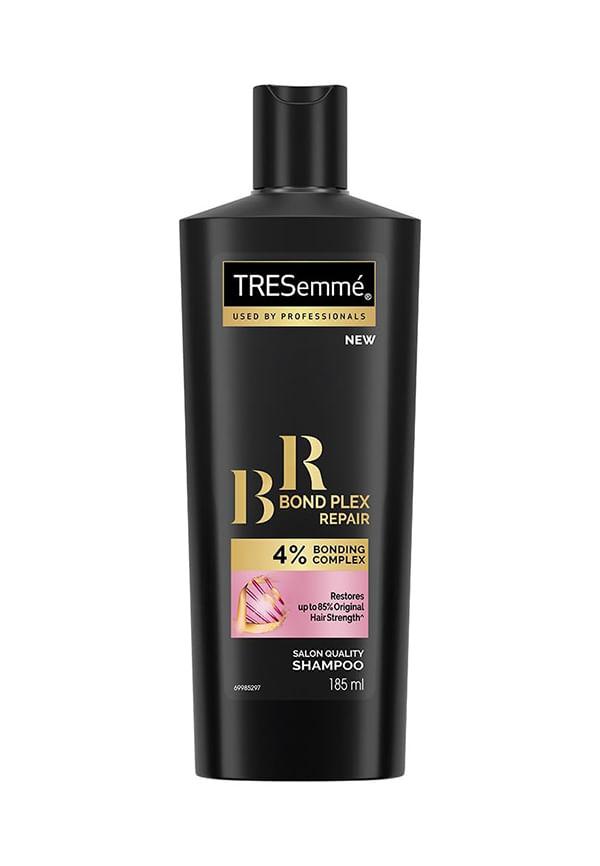 185 ml
Keratin Repair Bond Strength Shampoo
Let's be real—watching your hair break off in chunks is absolutely heartbreaking. You're not alone if you've noticed shorter pieces scattered around your brush or felt your hair snap while styling. Hair breakage affects nearly 80% of women at some point, but here's the good news: it's totally fixable. Unlike hair fall, which happens naturally, hair breakage occurs when your strands literally snap due to damage or weakness. The difference? Breakage shows up as uneven, shorter pieces, whilst normal shedding gives you full-length strands. Ready to turn things around? These seven expert-backed methods will help you prevent hair breakage and get your mane back to its strongest, healthiest state.
Before diving into solutions, let's figure out what's actually causing your hair breakage. Think of your hair like a delicate fabric—the more you stress it, the more likely it is to tear. Your daily routine might be the culprit without you even realising it.
Heat styling tops the list of breakage villains. Those daily blow-dry sessions and weekly straightening marathons? They're literally cooking your hair from the inside out. Chemical treatments like colouring, perming, or relaxing create weak spots along your hair shaft.
Mechanical damage sneaks up on you too. Aggressive brushing, tight ponytails, and even sleeping on rough pillowcases create friction that leads to brittle hair. Environmental factors don't help either—UV rays, pollution, and humidity changes can weaken your hair's protective outer layer.
Here's how to tell them apart: hair breakage leaves you with short, uneven pieces that vary in length. You'll spot them around your hairline or mixed in with longer strands. Normal shedding, on the other hand, gives you complete strands from root to tip—about 50-100 daily is totally normal.
If you're seeing more short pieces than full strands, or if your hair feels rough and snaps easily when wet, you're dealing with breakage that needs immediate attention.
Your hair is most vulnerable when wet, so this is where gentle handling becomes crucial. Think of wet hair like a delicate sweater—one wrong move and you've got damage that's hard to undo.
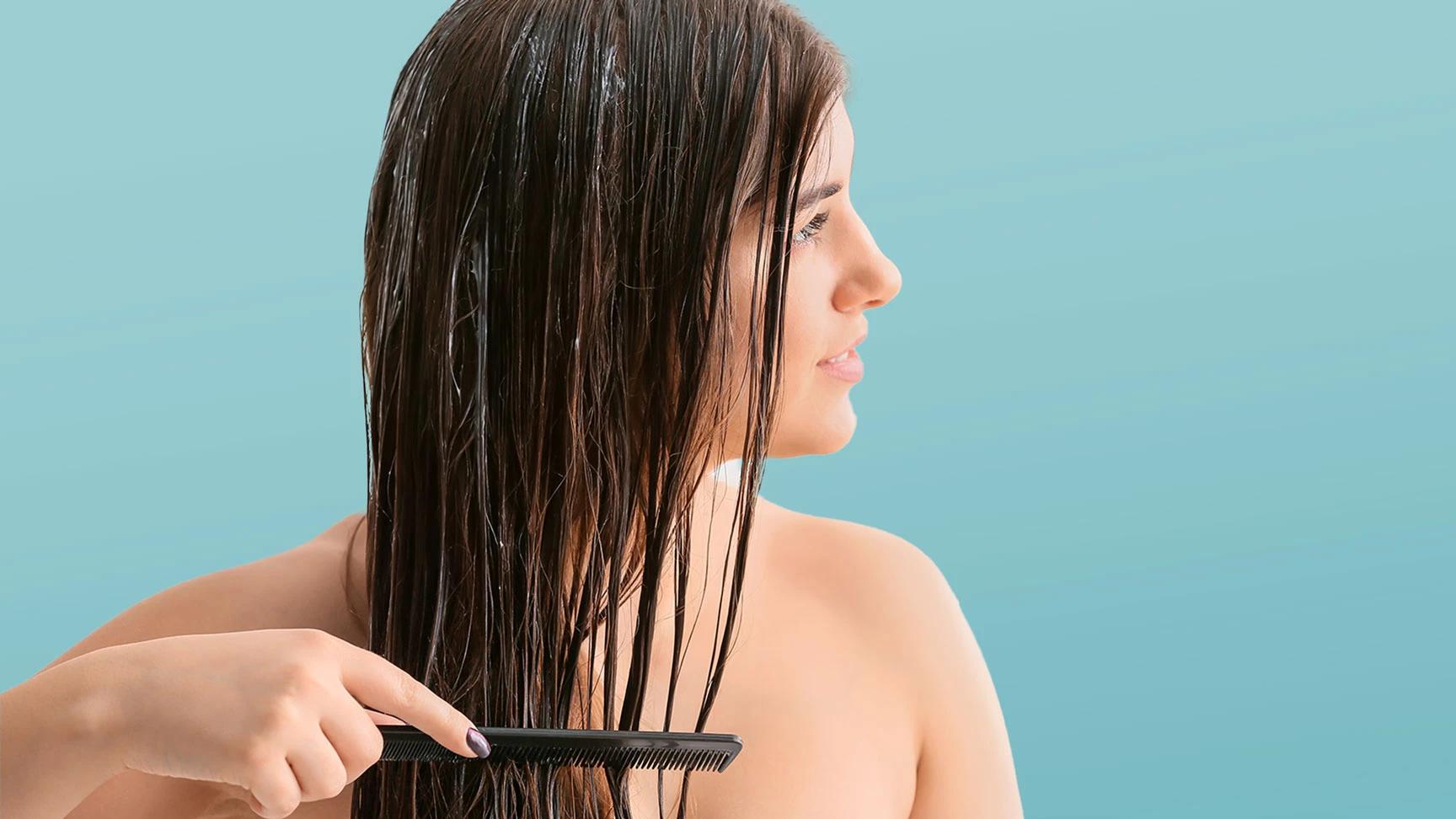
Ditch that fine-tooth comb and grab a wide-tooth one instead. Start detangling from the ends and work your way up to the roots—never the other way around. This prevents pulling and reduces the force needed to work through knots.
For damaged hair repair, try detangling with a leave-in conditioner or detangling spray. The slip these products provide makes the process much gentler on your strands. If you've got curly or textured hair, consider finger-detangling for the ultimate gentle approach.
That rough towel-drying routine? It's creating micro-tears in your hair cuticle. Instead, gently squeeze excess water out with your hands, then wrap your hair in a cotton t-shirt or microfiber towel. These materials are much smoother and won't cause friction.
Air drying is your best friend for healthy hair, but if you must use heat, keep the temperature low and always use a heat protectant. The key is patience—rushing the drying process often leads to more damage than the time you save is worth.
Your washing routine sets the foundation for strong, resilient hair. Getting this right can make or break your hair strengthening efforts—literally.
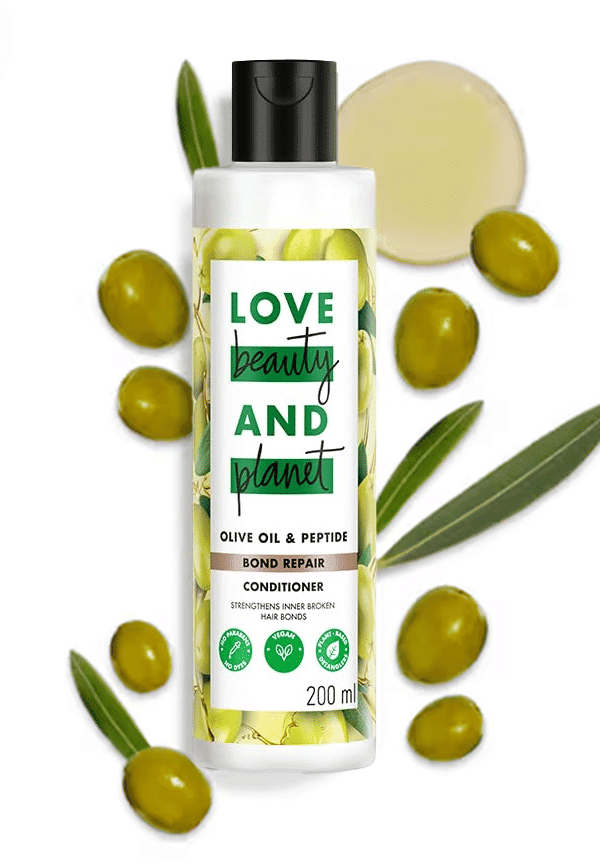 200 ml
Olive oil & Peptide Bond Repair Conditioner
Sulfate-free shampoos are gentler on already compromised hair. These harsh detergents strip away natural oils that your hair desperately needs for protection. Look for formulas with strengthening proteins like keratin or hydrolyzed wheat protein.
The pH level matters too—aim for shampoos with a pH between 4.5-5.5. This slightly acidic range helps keep your hair cuticles smooth and less prone to damage. If your hair feels rough after washing, your shampoo might be too alkaline.
Weekly deep conditioning treatments are non-negotiable for preventing further breakage. These intensive treatments penetrate deeper than regular conditioners, delivering moisture and proteins where they're needed most.
Apply your deep conditioner from mid-length to ends, avoiding the roots to prevent greasiness. Leave it on for 10-20 minutes—longer isn't always better and can sometimes lead to protein overload. For extra benefits, apply gentle heat with a warm towel or shower cap.
Heat and chemicals are like kryptonite for fragile hair. The good news? You don't have to give them up entirely—you just need to be smarter about how you use them.
Temperature control is everything. Fine or damaged hair should never exceed 300°F (150°C), whilst thicker, healthier hair can handle up to 350°F (175°C). Most people use way too much heat without realising it.
Always apply a heat protectant before styling—this creates a barrier between your hair and the hot tools. Look for products with silicones or proteins that can withstand high temperatures. And here's a pro tip: let your hair air dry to about 80% before using any heated tools.
Space out chemical services by at least 6-8 weeks to give your hair time to recover. If you colour your hair, consider switching to gentler options like semi-permanent dyes or highlights instead of all-over bleaching.
Protein treatments can help rebuild chemically damaged hair, but use them sparingly—once a month is usually enough. Too much protein can make hair stiff and prone to breakage, so balance is key for effective damaged hair repair.
Your nighttime routine and daily environment play bigger roles in hair breakage than you might think. Small changes here can make a massive difference in your hair's overall health.
Swap your cotton pillowcase for silk or satin—these smooth fabrics create less friction as you toss and turn. If new pillowcases aren't in the budget, a silk or satin hair wrap works just as well.
Loose protective styles like a low bun or loose braid prevent tangling whilst you sleep. Avoid tight elastics or anything with metal parts that can snag and break your hair. For extra protection, try a leave-in treatment or hair oil before bed.
UV rays don't just damage your skin—they break down the proteins in your hair too. Wear a hat or use hair products with UV protection when spending time outdoors. Chlorine and salt water are also major culprits, so always rinse your hair immediately after swimming.
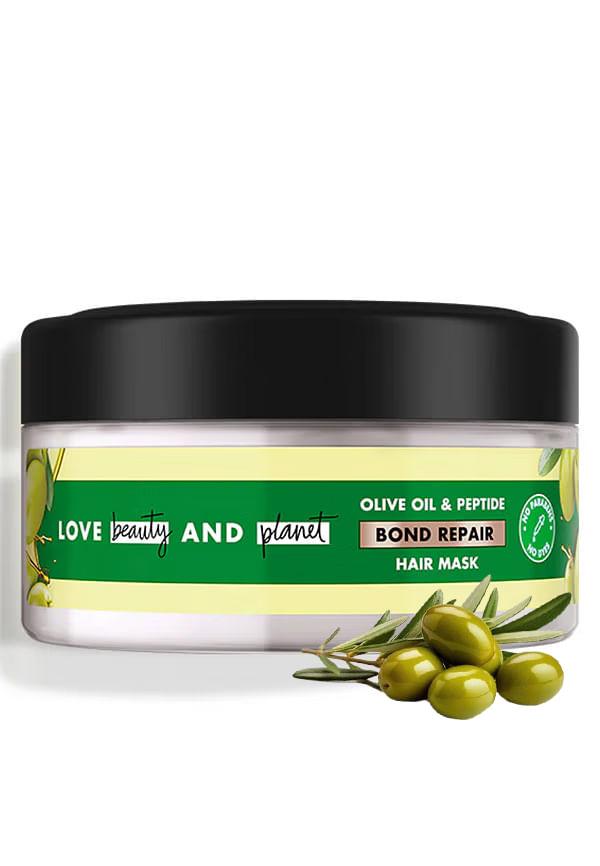 200 ml
Olive oil & Peptide Bond Repair Hair Mask
Strong hair starts from within. What you eat and how you live directly impacts your hair's ability to grow strong and resist breakage. Think of nutrition as your hair's foundation—without it, even the best external treatments won't work properly.
Biotin (Vitamin B7) is probably the most famous hair vitamin, but it works best alongside other nutrients. Vitamin D helps create new hair follicles, whilst Vitamin C aids in iron absorption—crucial for carrying oxygen to your hair roots.
Protein is non-negotiable since hair is made of keratin, a type of protein. Aim for lean sources like fish, eggs, and legumes. Iron deficiency is one of the most common causes of brittle hair, especially in women, so include iron-rich foods like spinach and lentils in your diet.
Chronic stress literally shrinks your hair follicles, leading to weaker, more breakage-prone hair. Regular exercise improves circulation to your scalp, delivering nutrients more effectively to your hair roots.
Hydration matters too—dehydrated hair is more likely to snap. Aim for at least 8 glasses of water daily, and you'll notice your hair feels more supple and elastic.
Sometimes DIY methods need backup from professional treatments. Knowing when to seek help and maintaining regular care schedules can prevent minor issues from becoming major breakage problems.
If your hair breakage is severe or sudden, a professional stylist can assess whether you need intensive treatments like protein reconstructors or moisture therapies. They can also identify if your breakage is due to technique issues you might not notice.
Regular trims every 6-8 weeks prevent split ends treatment from becoming a bigger issue. Split ends travel up the hair shaft, causing more breakage, so staying on top of trims is crucial for maintaining length and health.
Weekly protein treatments can help rebuild damaged areas, but don't overdo it. Your hair needs a balance of protein and moisture—too much of either can cause problems. Monthly clarifying treatments remove product buildup that can weigh down and weaken your hair.
Natural hair breakage remedies can be incredibly effective and are often gentler than commercial treatments. The best part? You probably have most of these ingredients in your kitchen already.
Egg masks are protein powerhouses—mix one egg with a tablespoon of honey for added moisture. Apply to damp hair, leave for 20 minutes, then rinse with cool water (hot water will cook the egg!).
Avocado and coconut oil masks provide deep moisture for brittle hair. Mash half an avocado with two tablespoons of melted coconut oil, apply from mid-length to ends, and leave for 30 minutes before shampooing out.
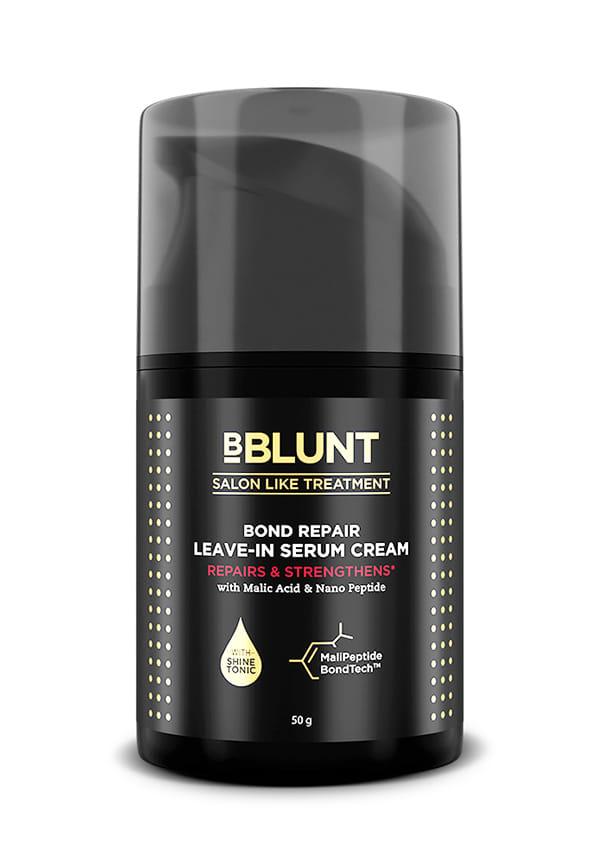 50g
50gBond Repair Leave-In Serum Cream
Rosemary oil stimulates circulation and may help strengthen hair follicles. Mix a few drops with a carrier oil like jojoba and massage into your scalp weekly. Argan oil is brilliant for adding shine and reducing frizz without weighing hair down.
Tea tree oil can help maintain a healthy scalp environment, which is crucial for growing strong hair. Always dilute essential oils before applying—they're potent and can cause irritation if used neat.
Start with gentle handling techniques and stop all heat styling for at least a week. Use a protein treatment if your hair feels mushy when wet, or a deep moisturising mask if it feels dry and brittle. You should notice less breakage within days of changing your routine.
Focus on gentle detangling with wide-tooth combs, protective sleeping styles, and natural strengthening treatments like egg or avocado masks. Regular scalp massages with oils like rosemary or argan can also help strengthen hair from the roots.
Common causes include over-processing with heat or chemicals, nutritional deficiencies, hormonal changes, or simply genetics. Fine hair is naturally more fragile, whilst damaged hair from previous treatments becomes increasingly prone to breakage.
Biotin is popular, but iron, Vitamin D, and Vitamin C are equally important. A balanced approach with a good multivitamin plus adequate protein intake usually works better than focusing on just one nutrient.
You'll notice less breakage within 1-2 weeks of starting a proper routine. However, since hair grows about half an inch per month, it takes 2-3 months to see significant improvement in overall hair health and strength.
Existing damage can't be reversed, but you can prevent further breakage and improve the appearance of damaged hair with proper care. The key is growing out healthy new hair whilst protecting what you have.
Stopping hair breakage isn't about finding one magic solution—it's about creating a comprehensive routine that addresses all the factors weakening your hair. From gentle handling techniques to proper nutrition, each element works together to build stronger, more resilient strands.
The beauty of these methods is that you can start implementing them today. Begin with the gentlest changes like switching your pillowcase and detangling technique, then gradually add treatments and adjust your routine based on how your hair responds.
When you're ready to explore new hair care tips and products, Smytten makes it easy to discover what works for your unique hair needs. With curated trial packs from trusted brands, you can test different treatments and find your perfect hair strengthening routine without the commitment of full-size purchases. After all, why settle for damaged, breaking hair when you can discover the products that will help you achieve the healthy hair you deserve?
